
Puuluup’s Latest Canadian Tour Indicates a Deeper Fandom Than Ever
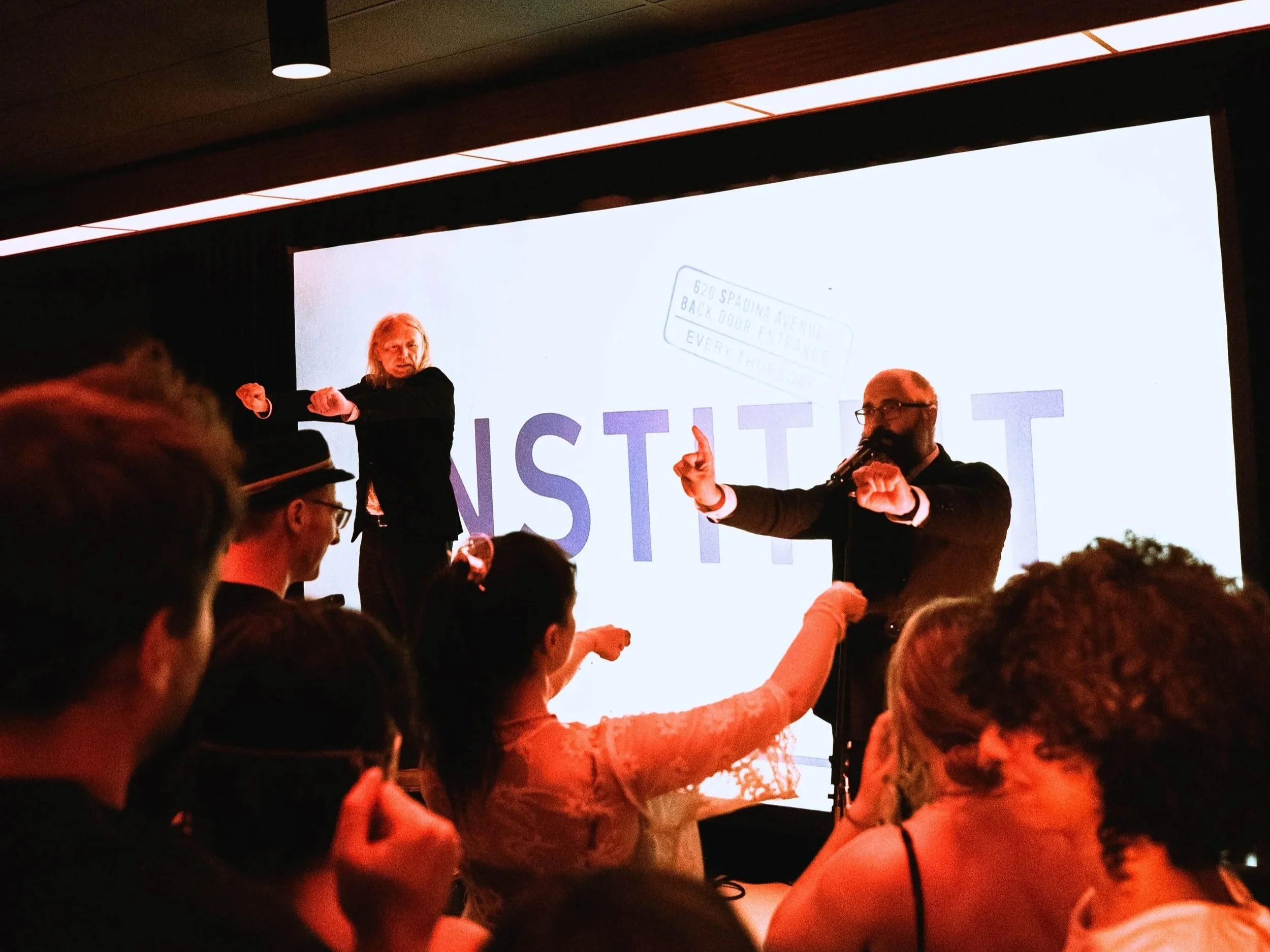
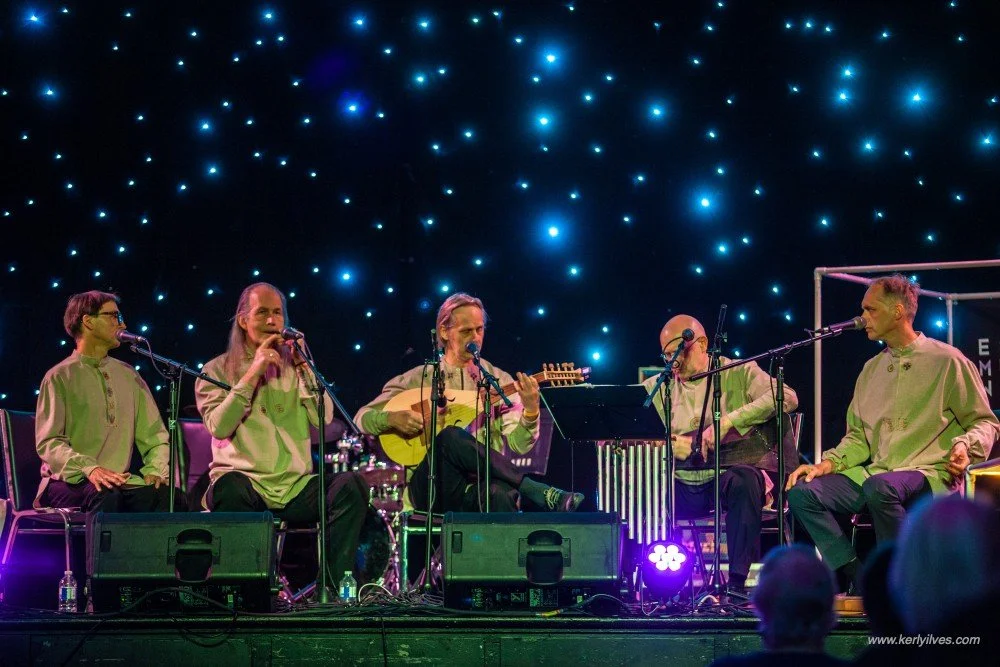
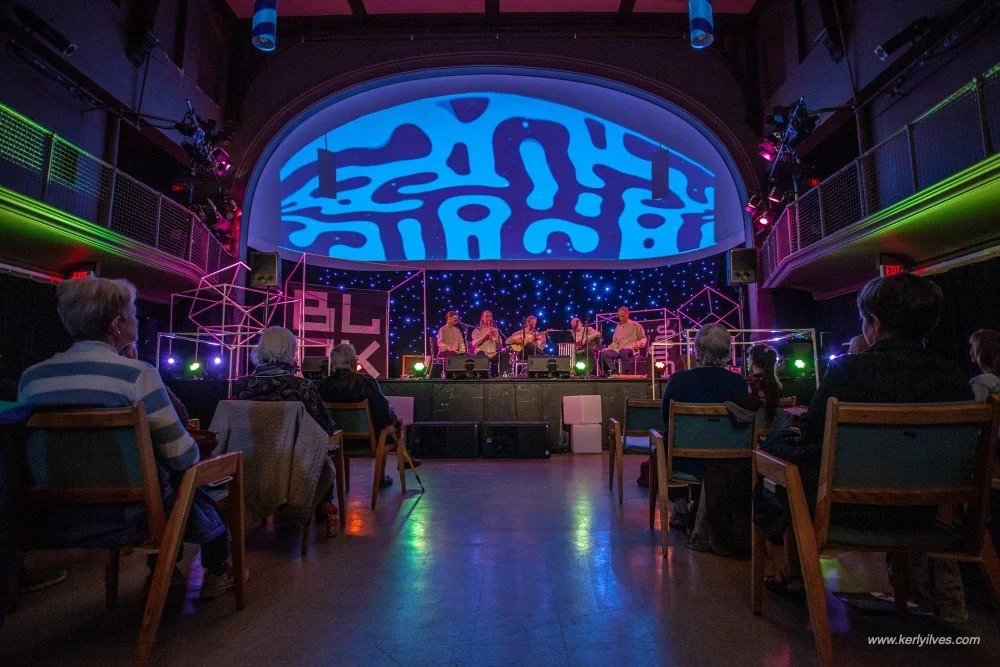
Estonian nu-folk duo Puuluup filled the room at Institut in Toronto as part of their Canadian tour.
Originally published in Eesti Elu Nr. 28 2026, Author: Vincent Teetsov
It’s been four years since Puuluup came to Canada last, and to say a lot has happened since then would be an understatement. The “neo-zombie-post-folk” duo have continued to tour intensively, played live on KEXP, were part of a documentary (Kaablid autos veel, or Cables in the Car), and experienced a rock star (pop star? folk star? You can decide.) surge of enthusiasm during the Eurovision Song Contest with 5miinust with the song (“Nendest) narkootikumidest ei tea me (küll) midagi.”
It was a question, then, whether their audience would now be able to fit inside the new summer speakeasy named Institut, located at 620 Spadina Avenue, Toronto, within St. Volodymyr Institute. And furthermore, has their audience now expanded beyond Estonians here in North America?
Turning the corner and heading for the back door of the institute, going down a set of stairs, and stepping into a mid-century nightclub atmosphere, it became apparent that the answer to both questions is yes.
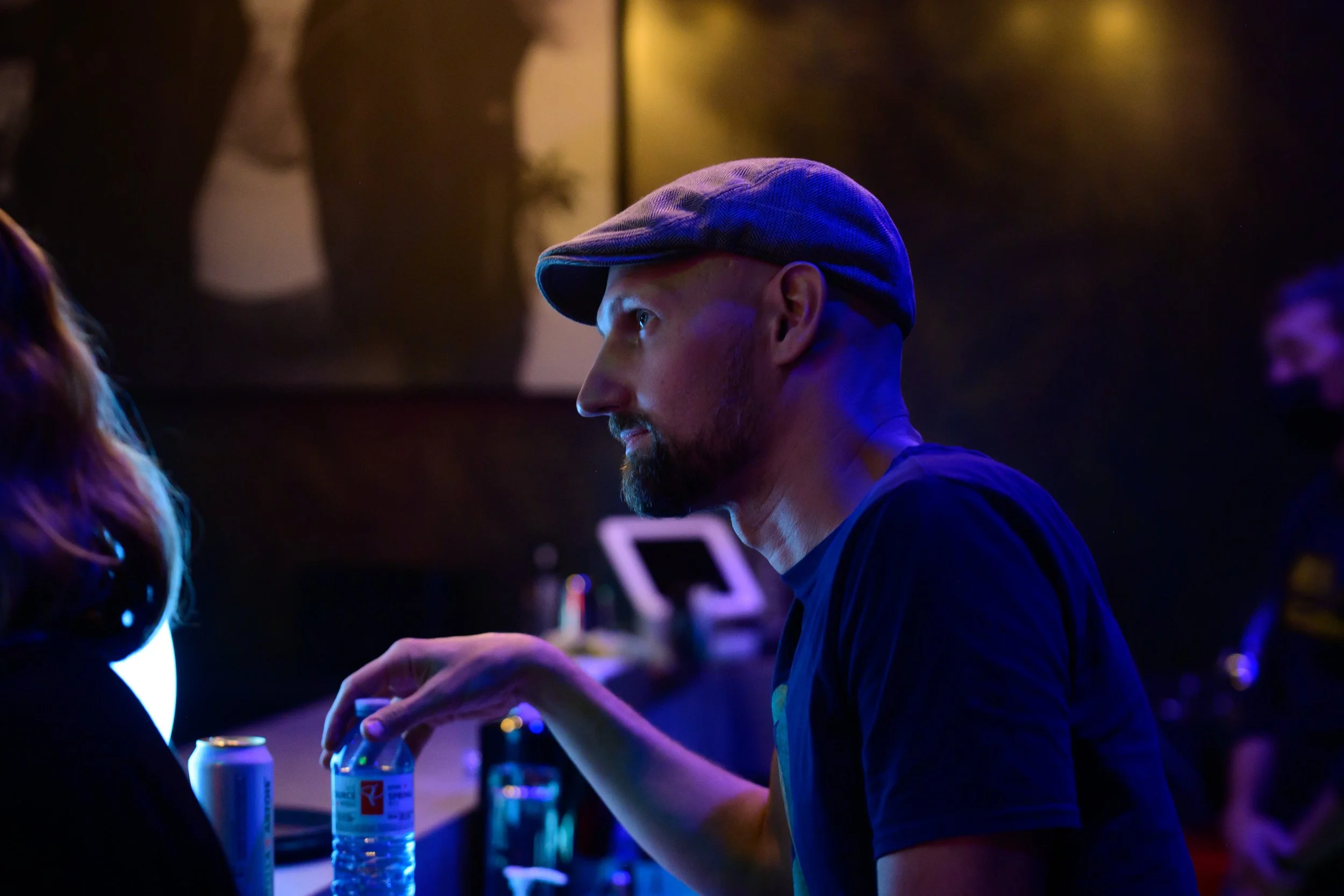
Prior to the start of Puuluup’s set, one could grab a drink and Ukrainian snacks while trumpeter Rudy Ray Kwaku breezed through songs by Miles Davis, accompanied by Louis Malle’s 1958 crime thriller Elevator to the Gallows on-screen. The tone of his playing, with a Harmon mute, was transportive and soothed one’s nerves.
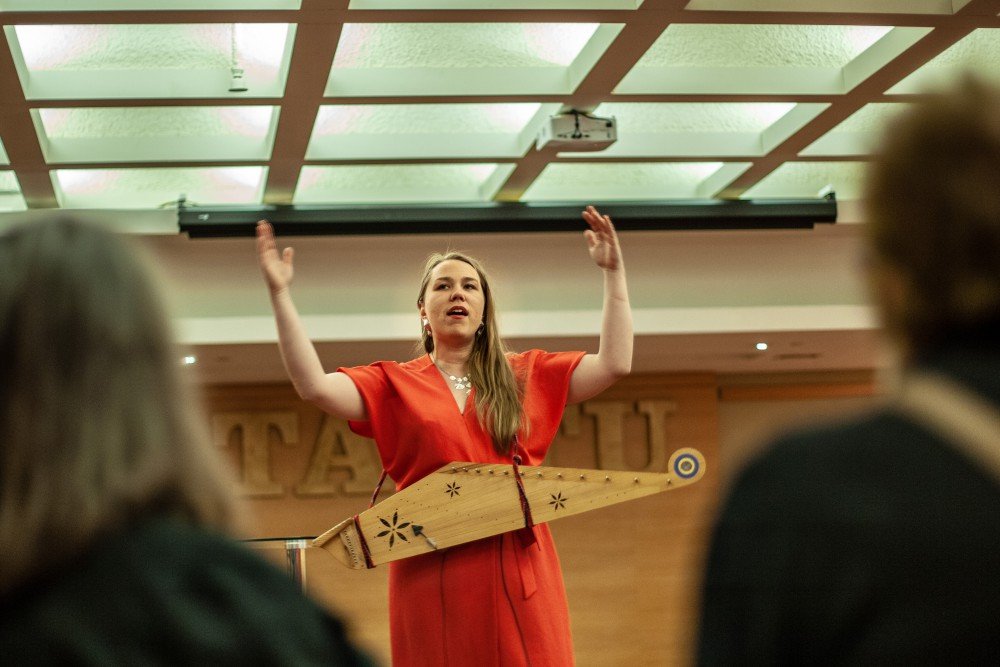
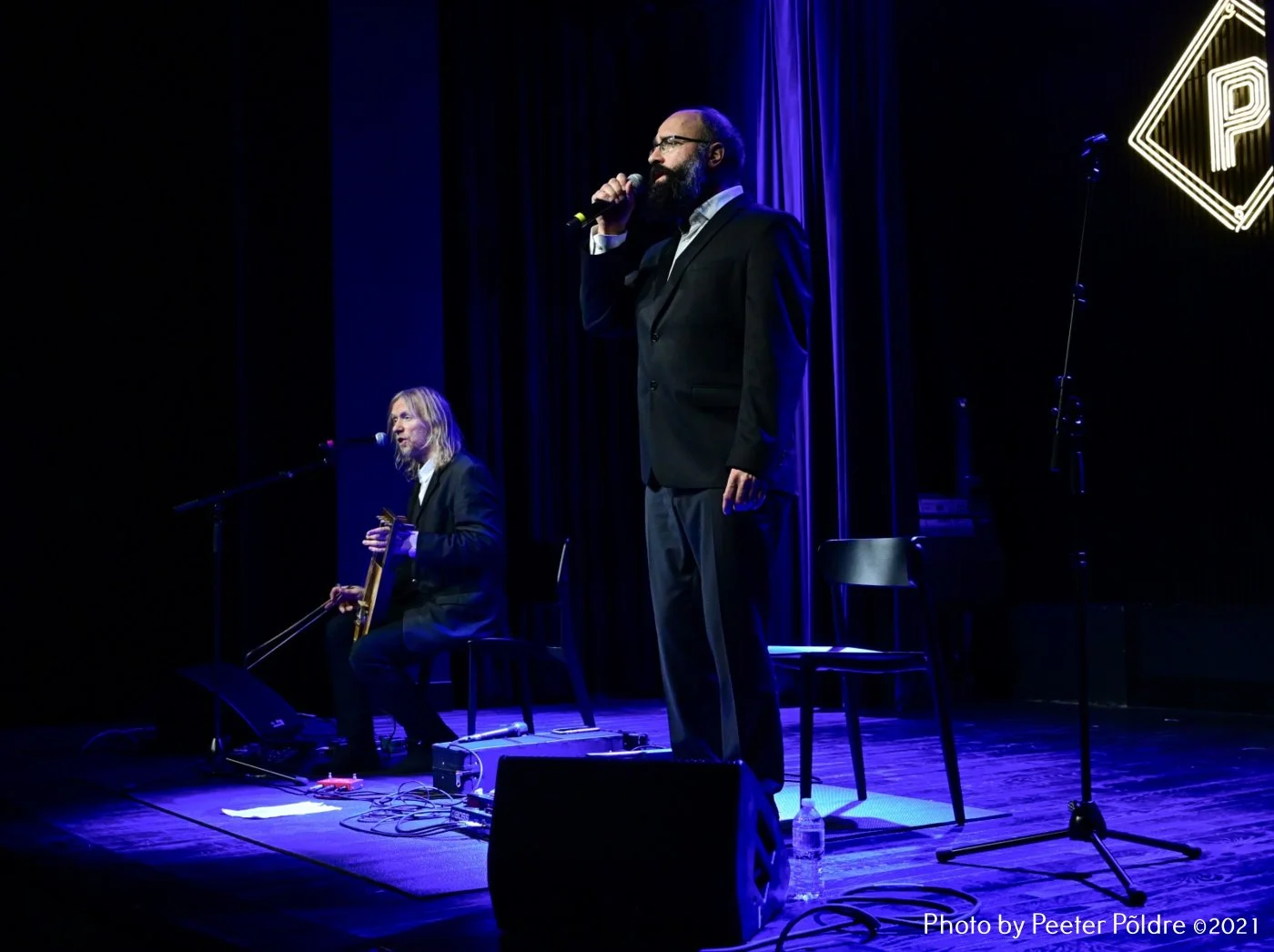
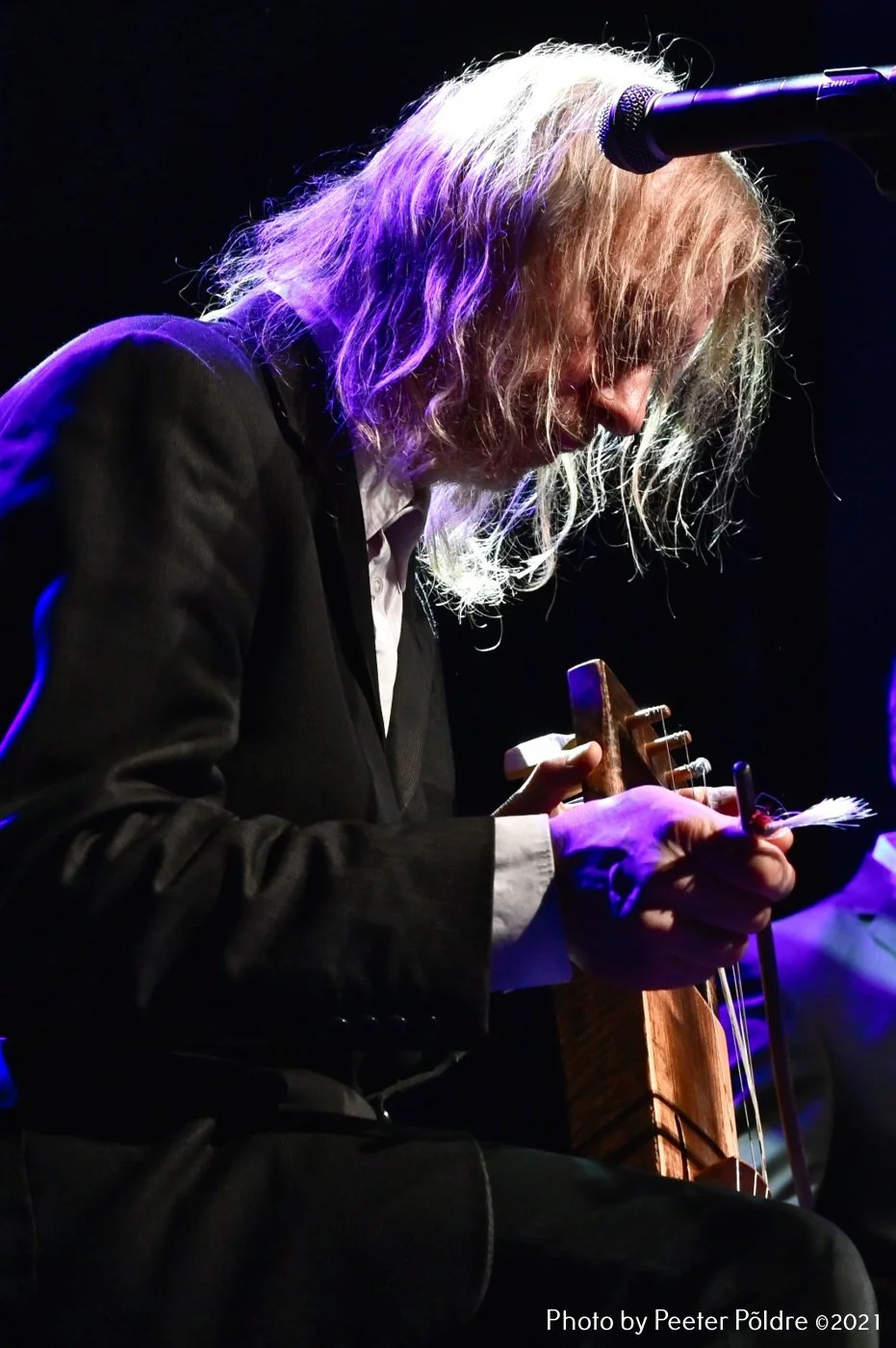
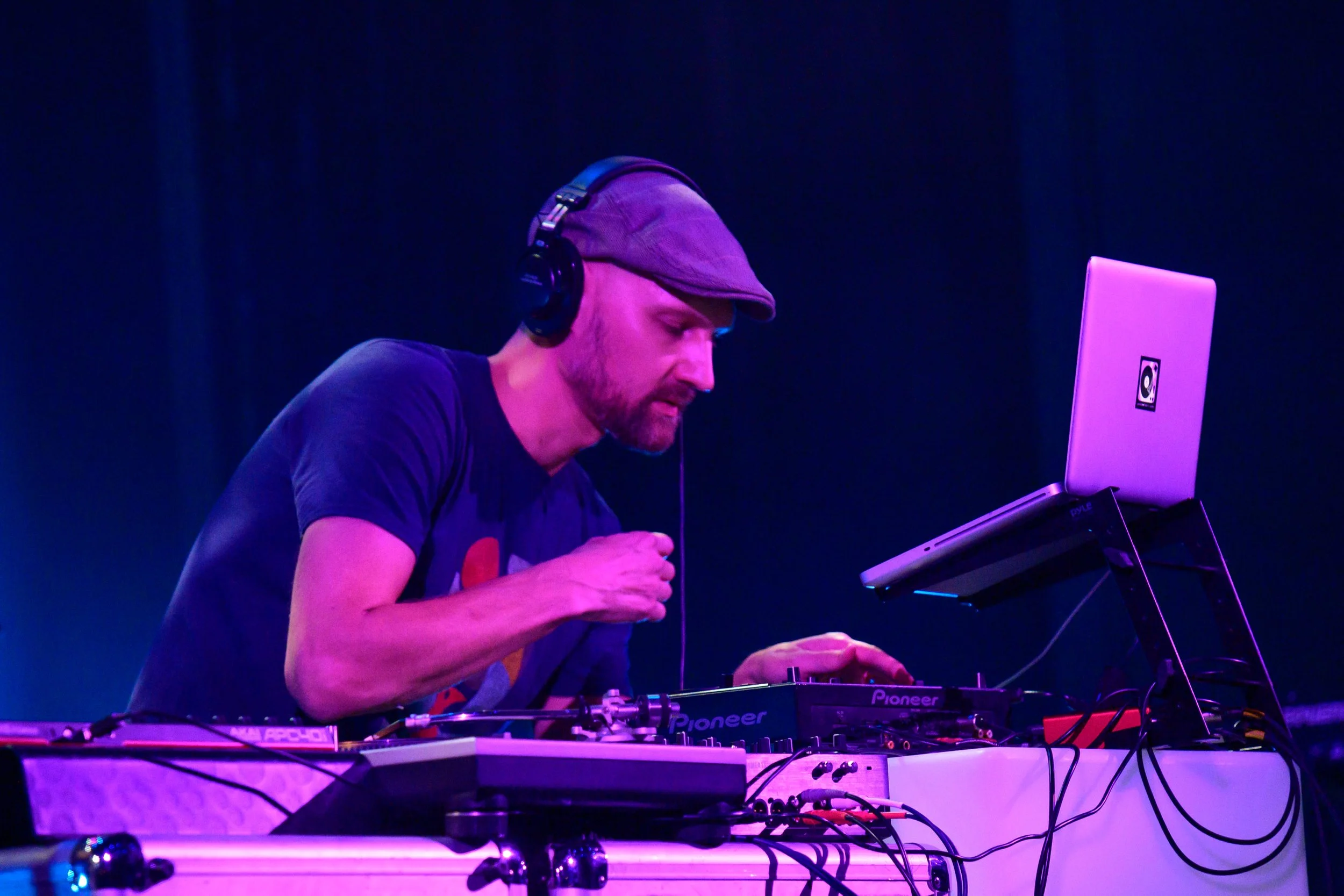
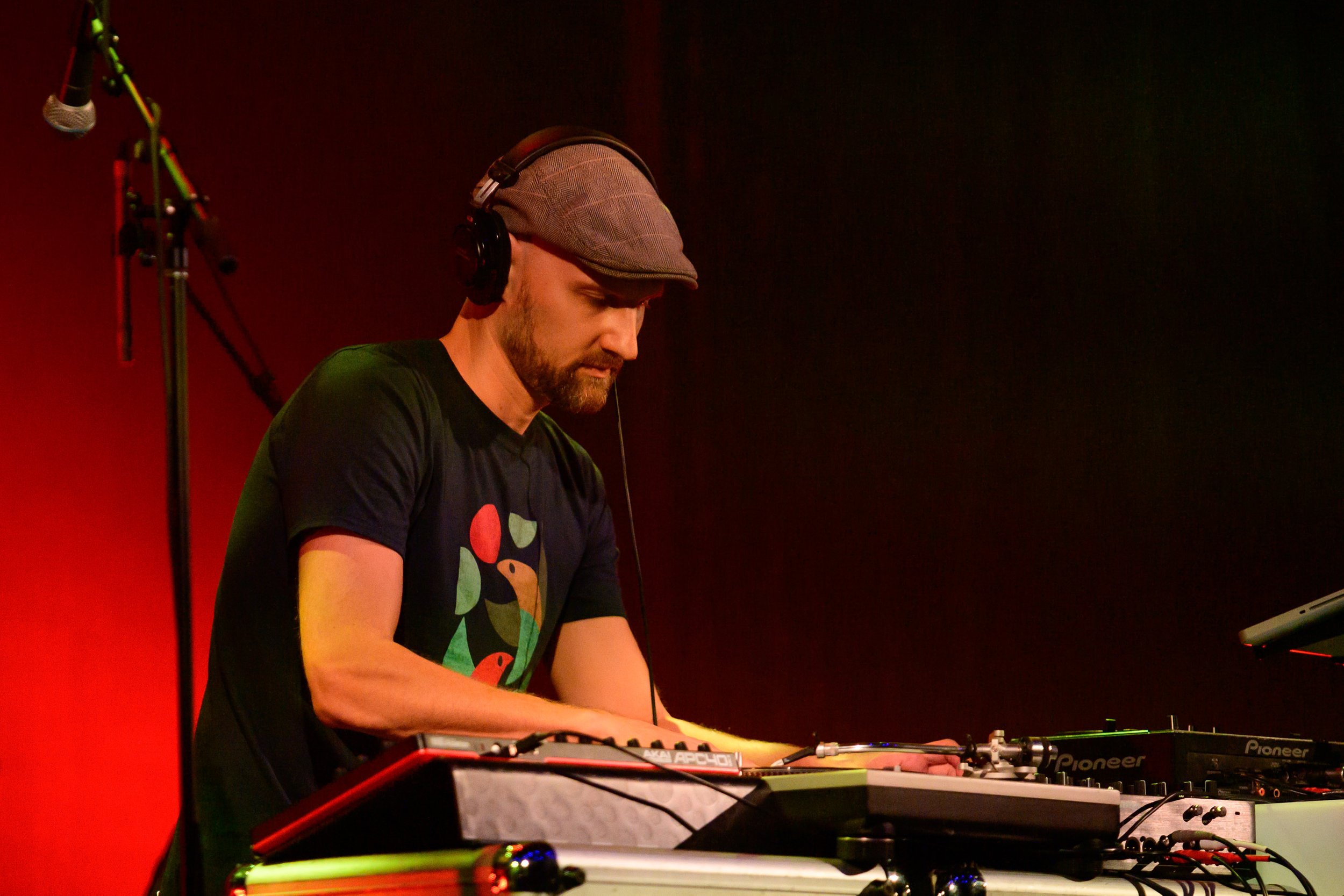
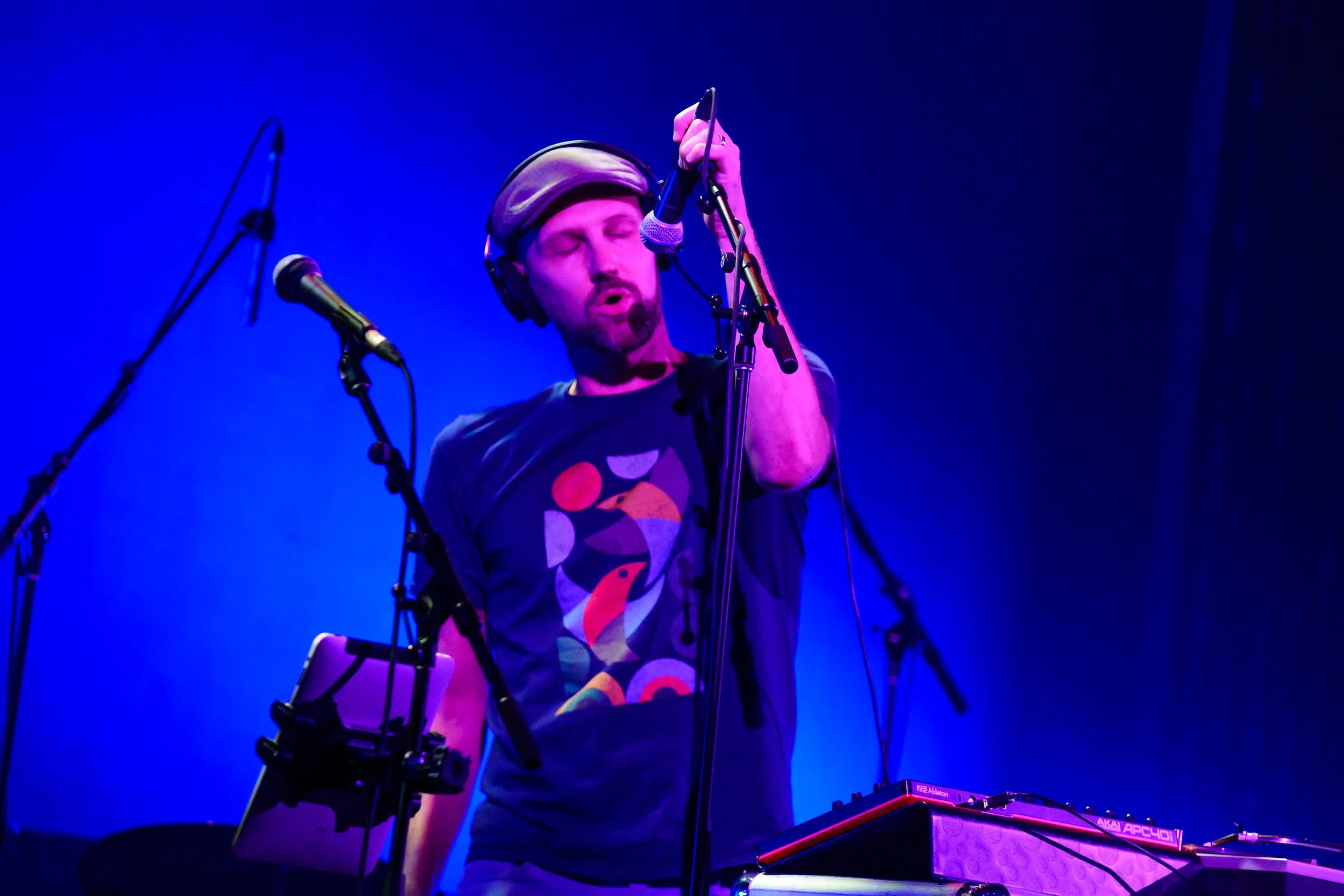
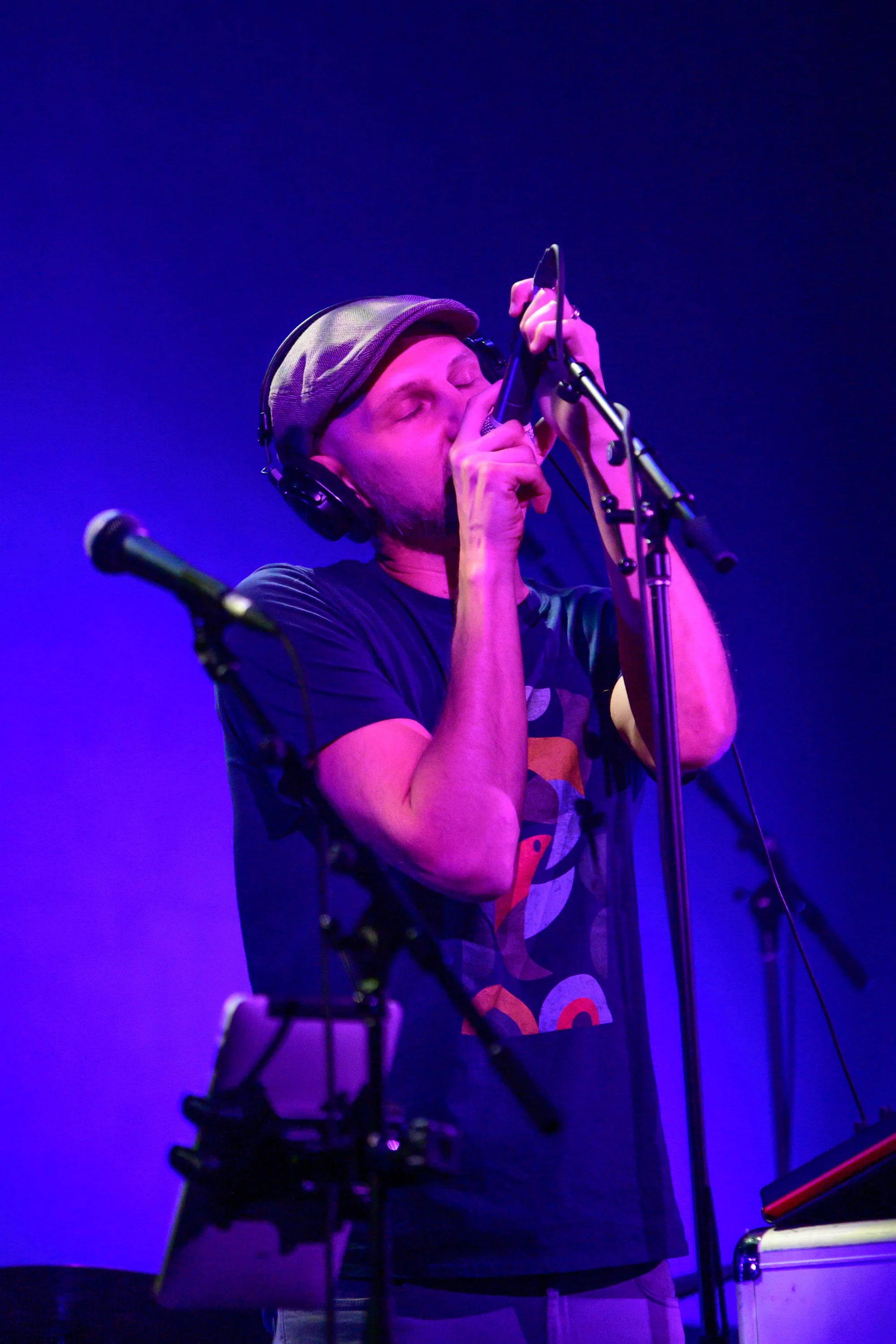
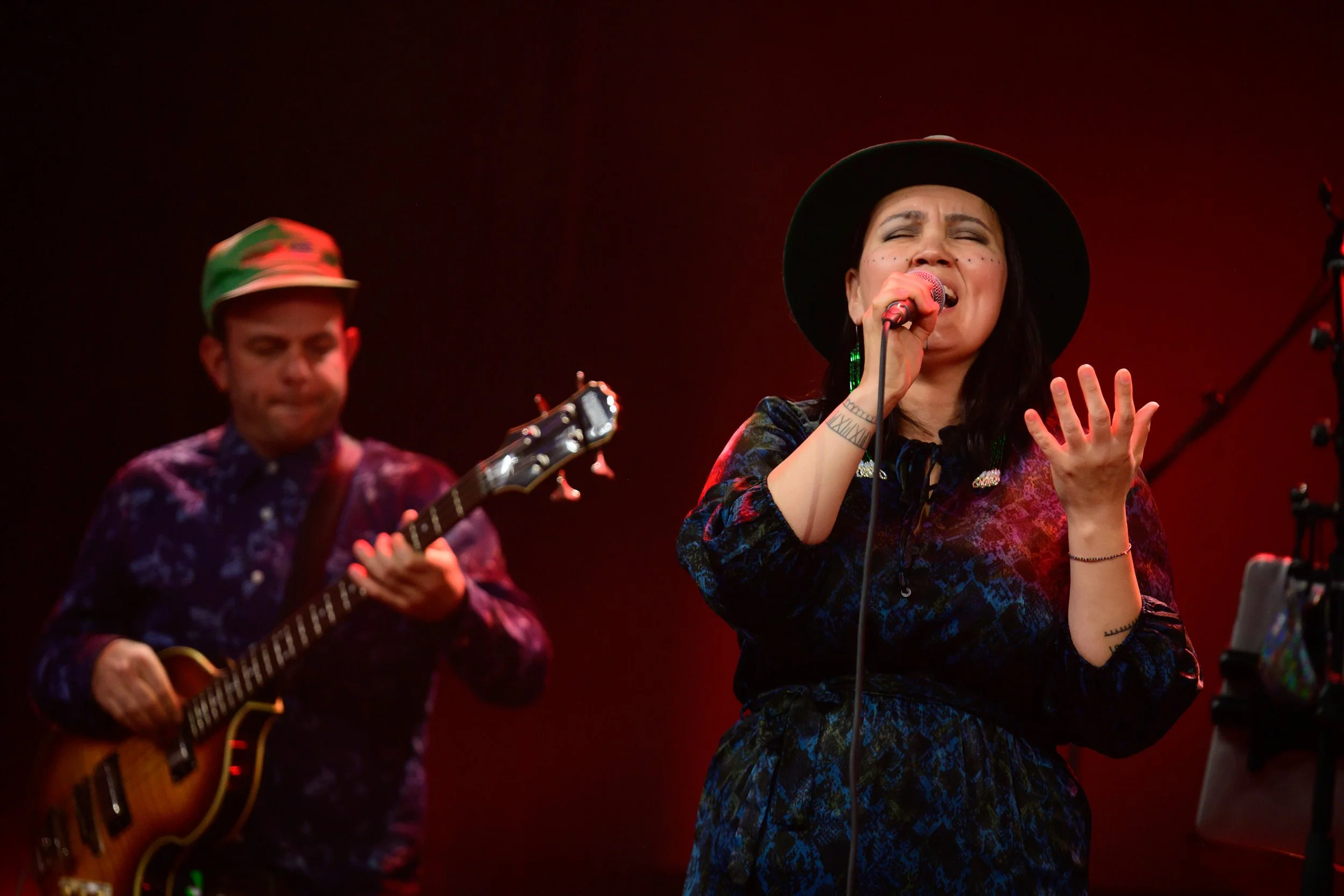
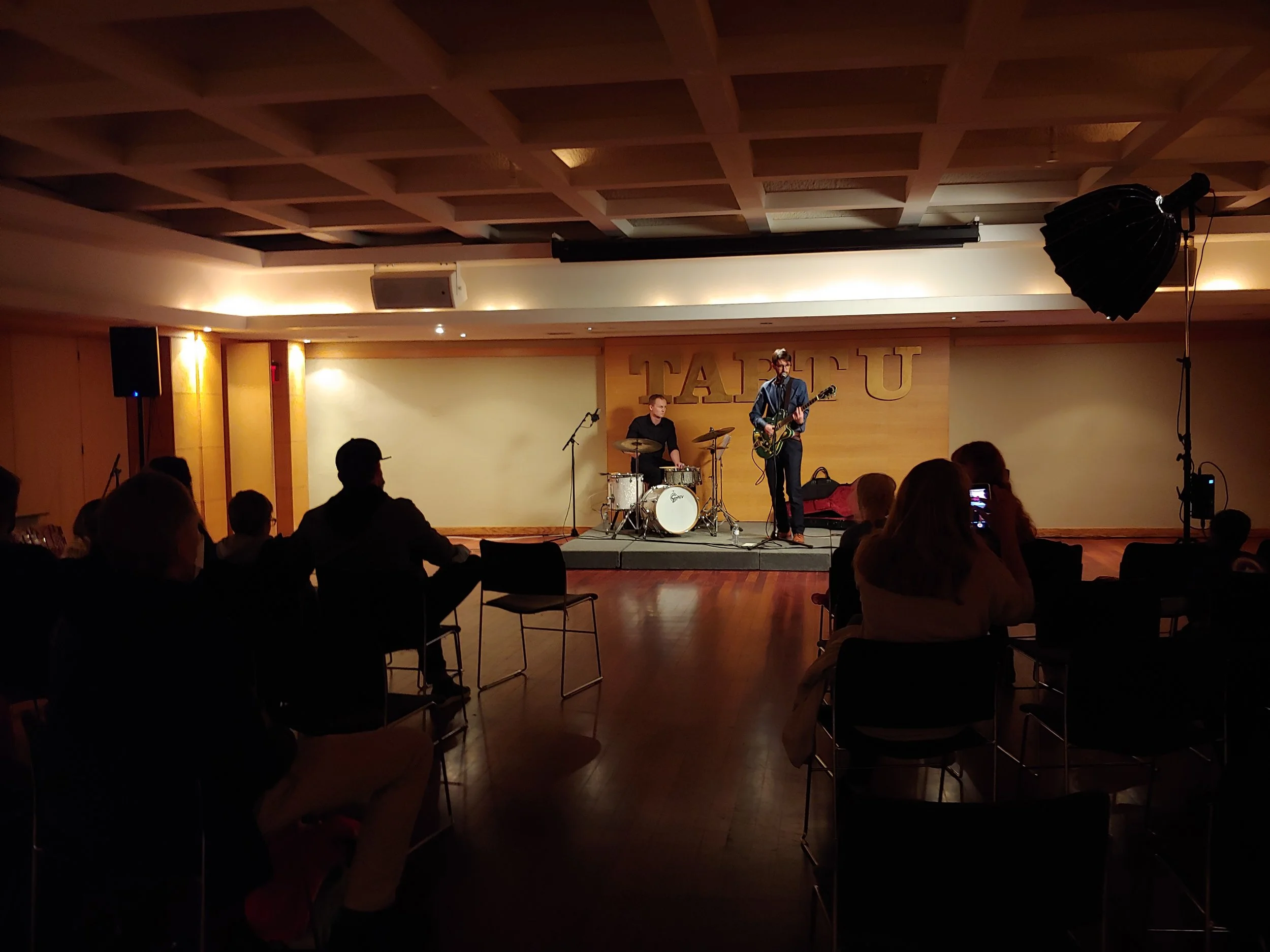
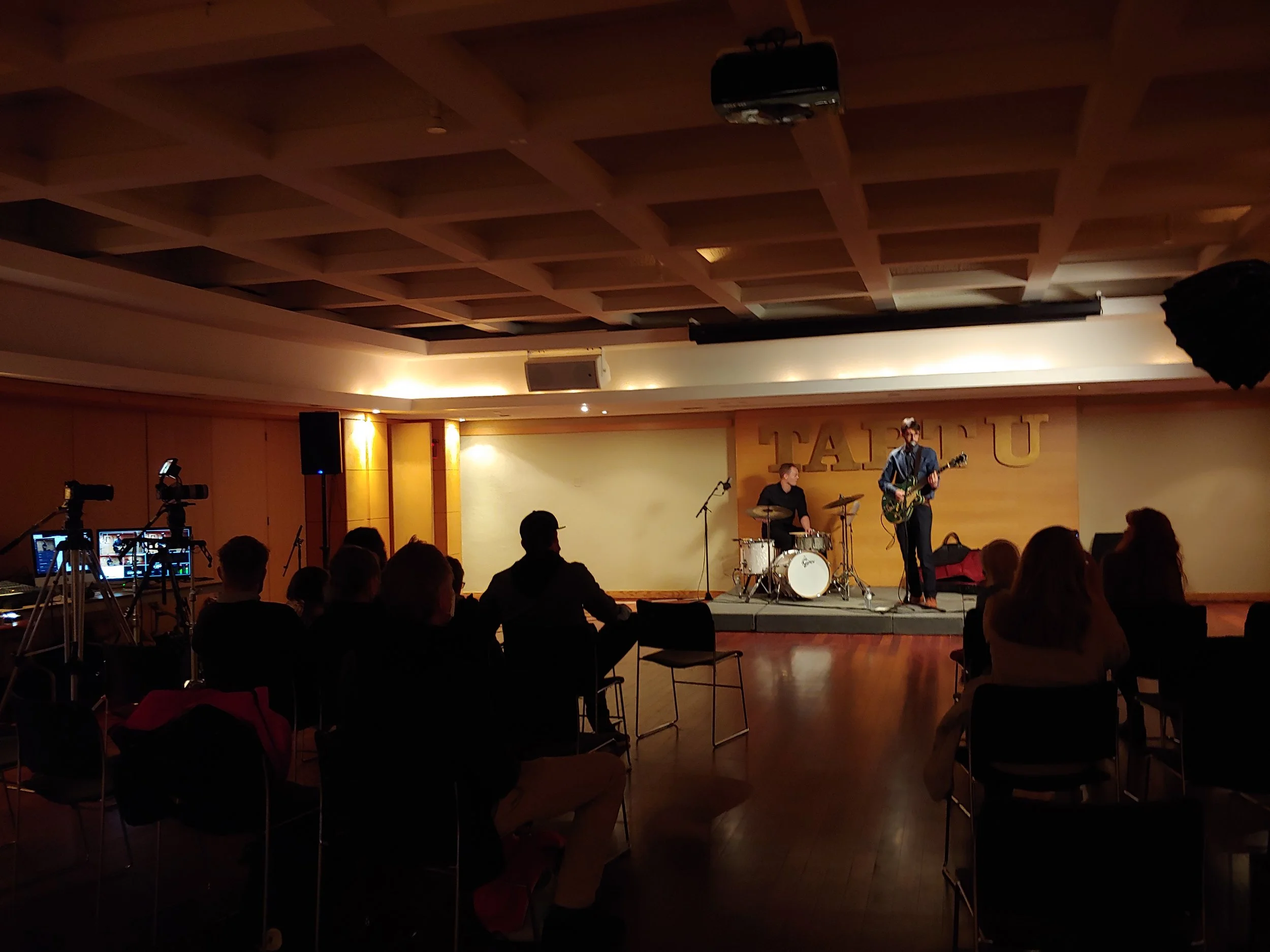
This was quite different from what was to follow. Tables and chairs were cleared to the left and right. The steadily growing crowd shifted up to the front with the encouragement of MC Mark Marczyk (of Lemon Bucket Orkestra). And after an introduction by musician and Estonian Music Week representative Erik Laar, Ramo Teder and Marko Veisson appeared, talharpas and bows in hand.
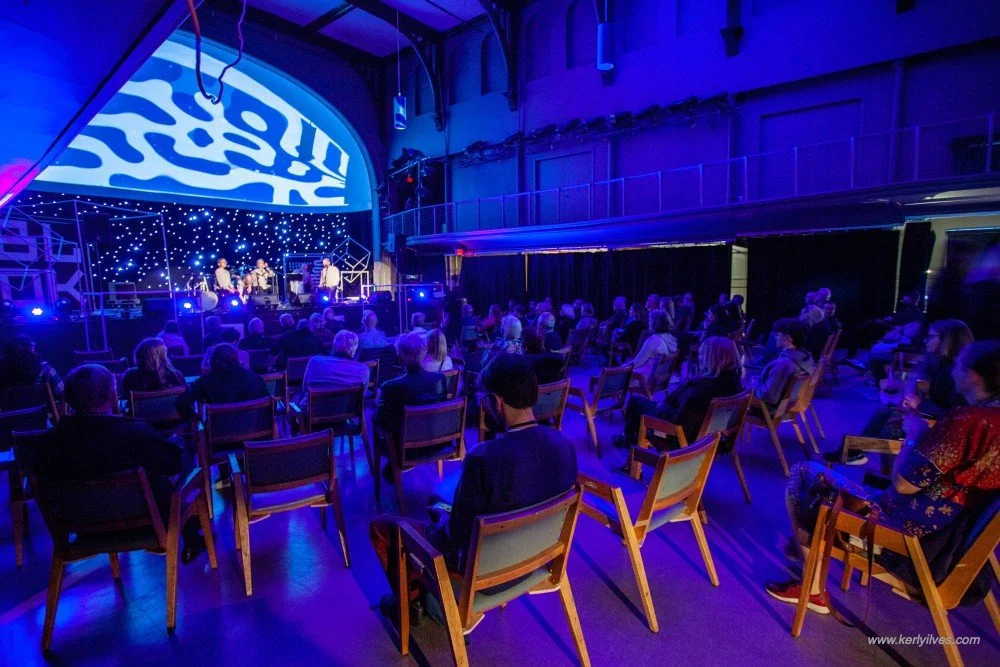
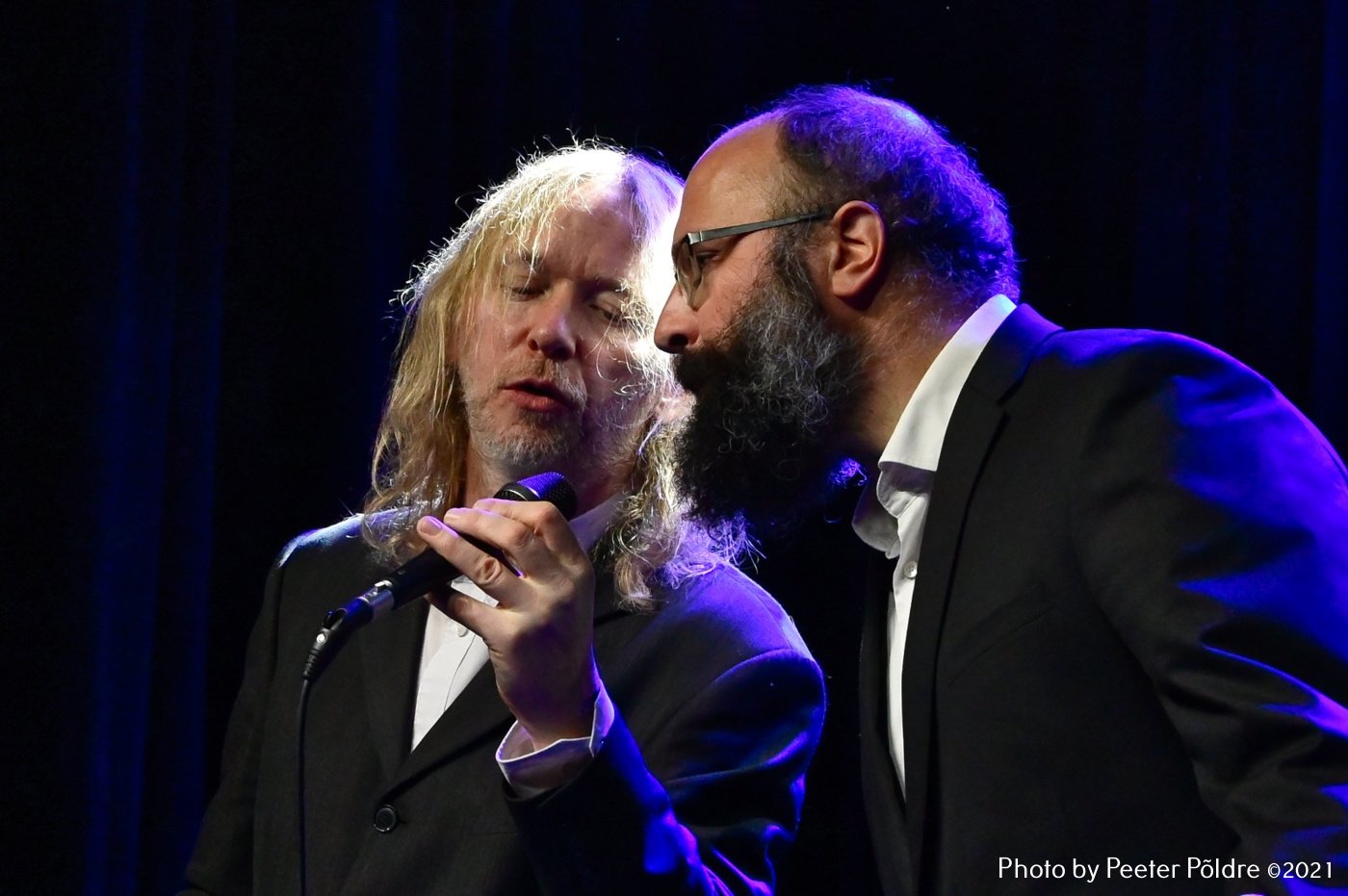
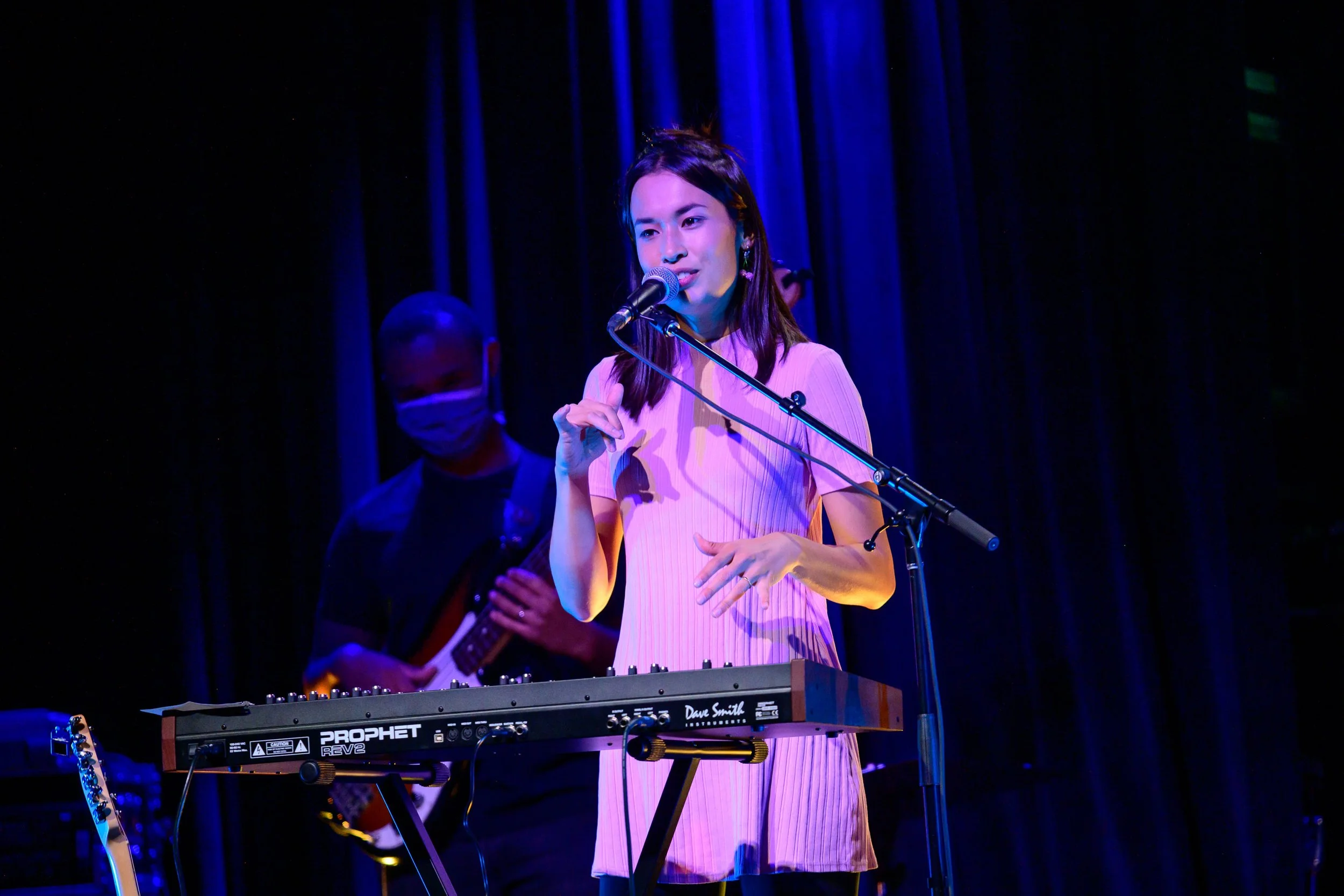
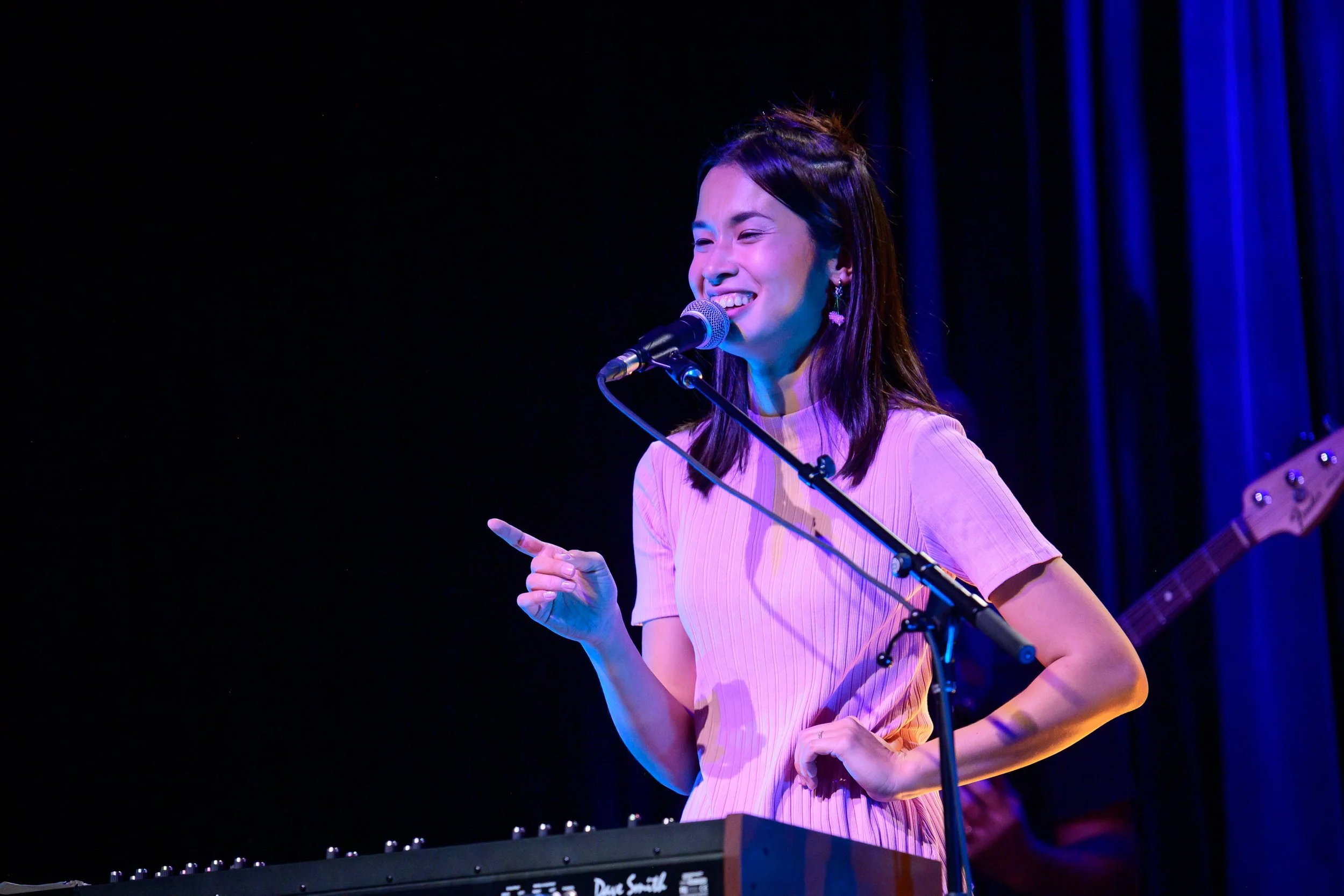
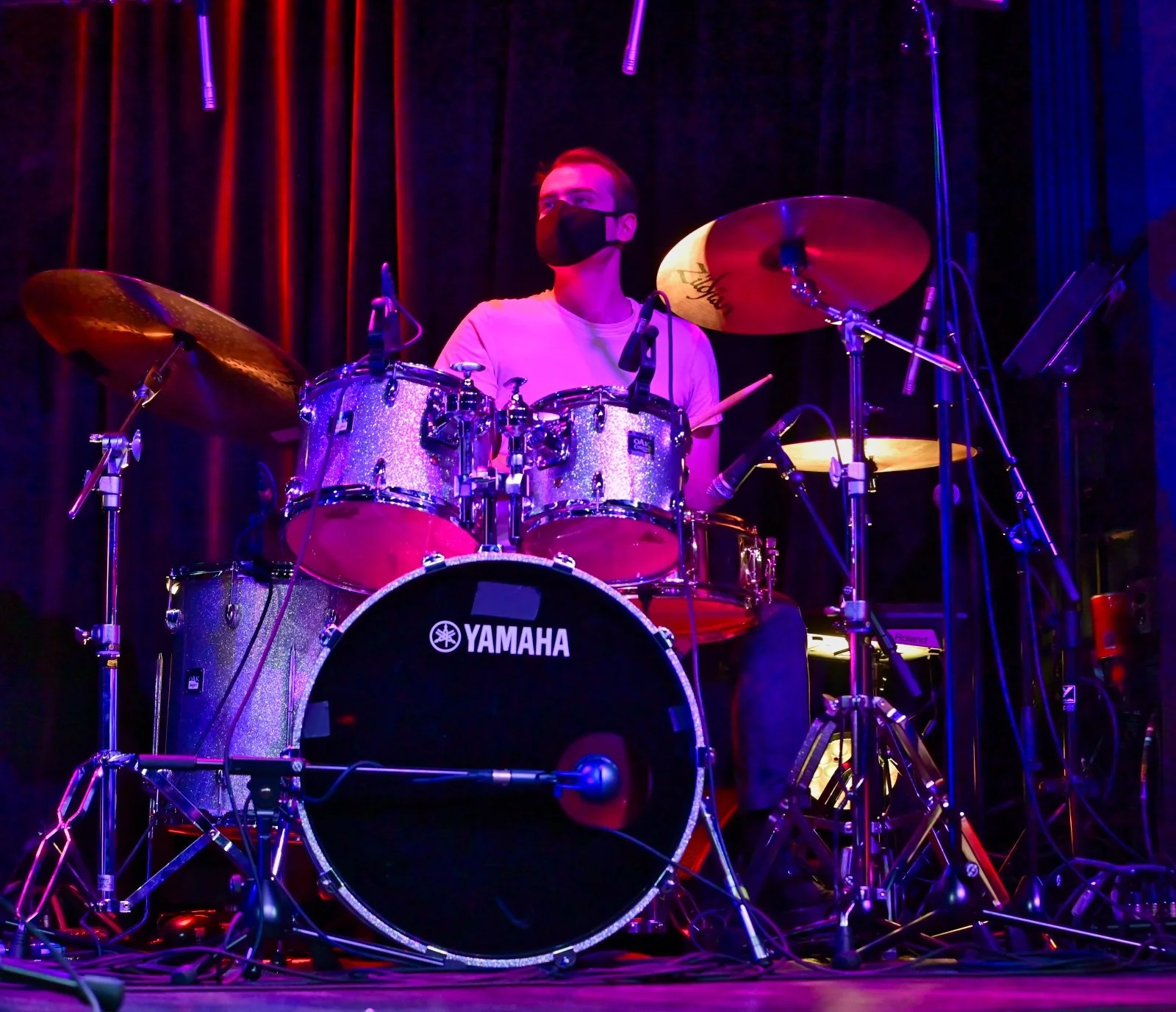
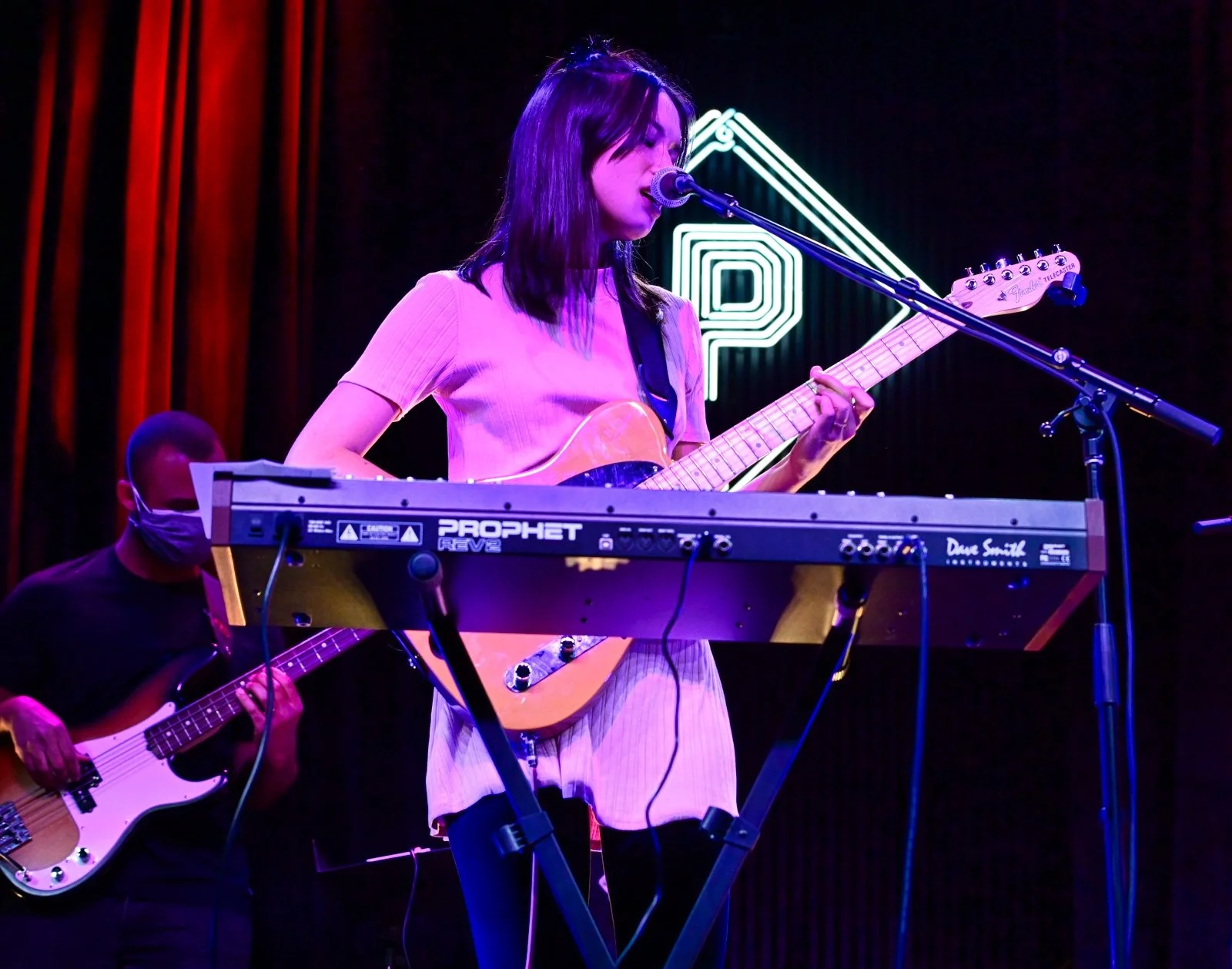
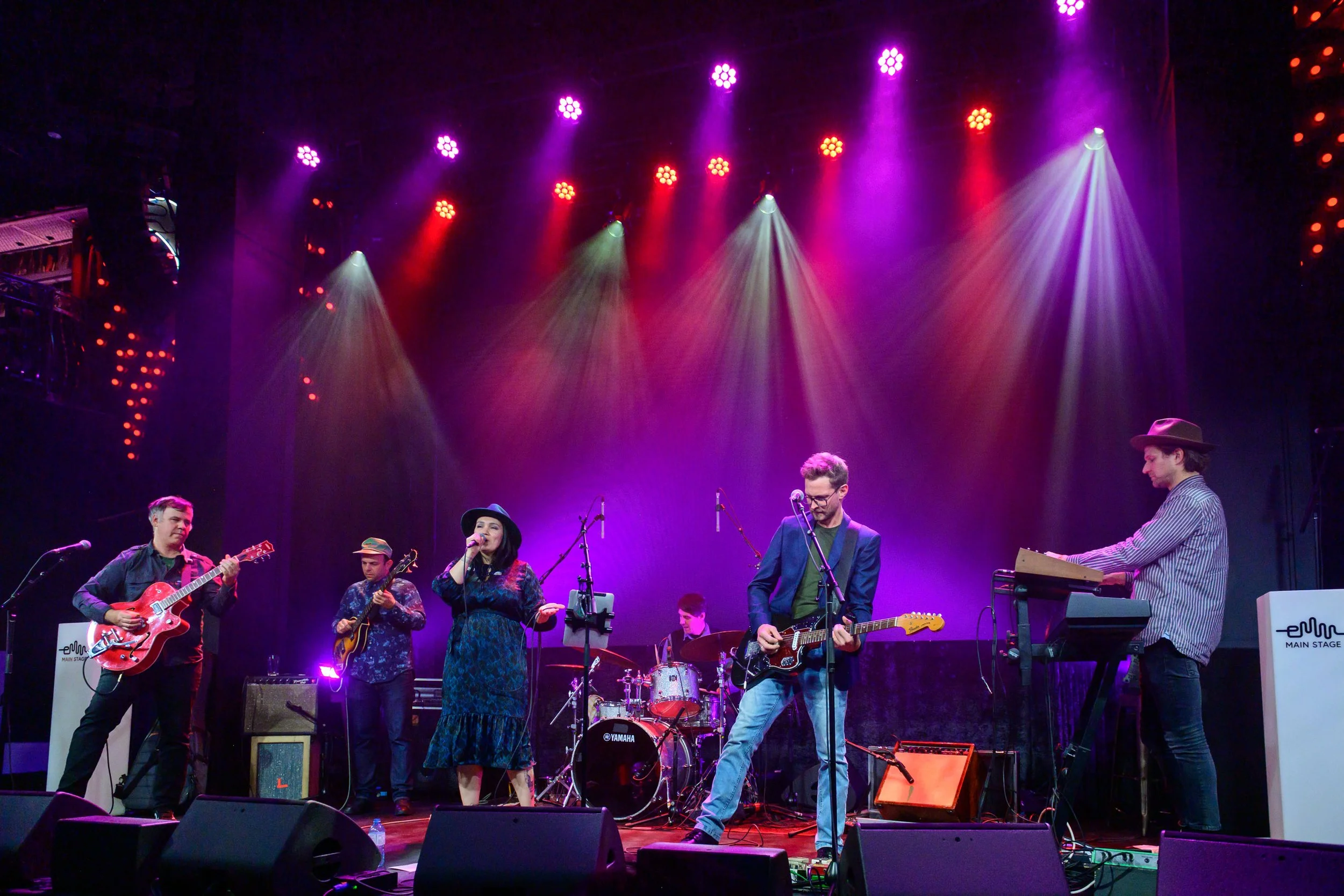
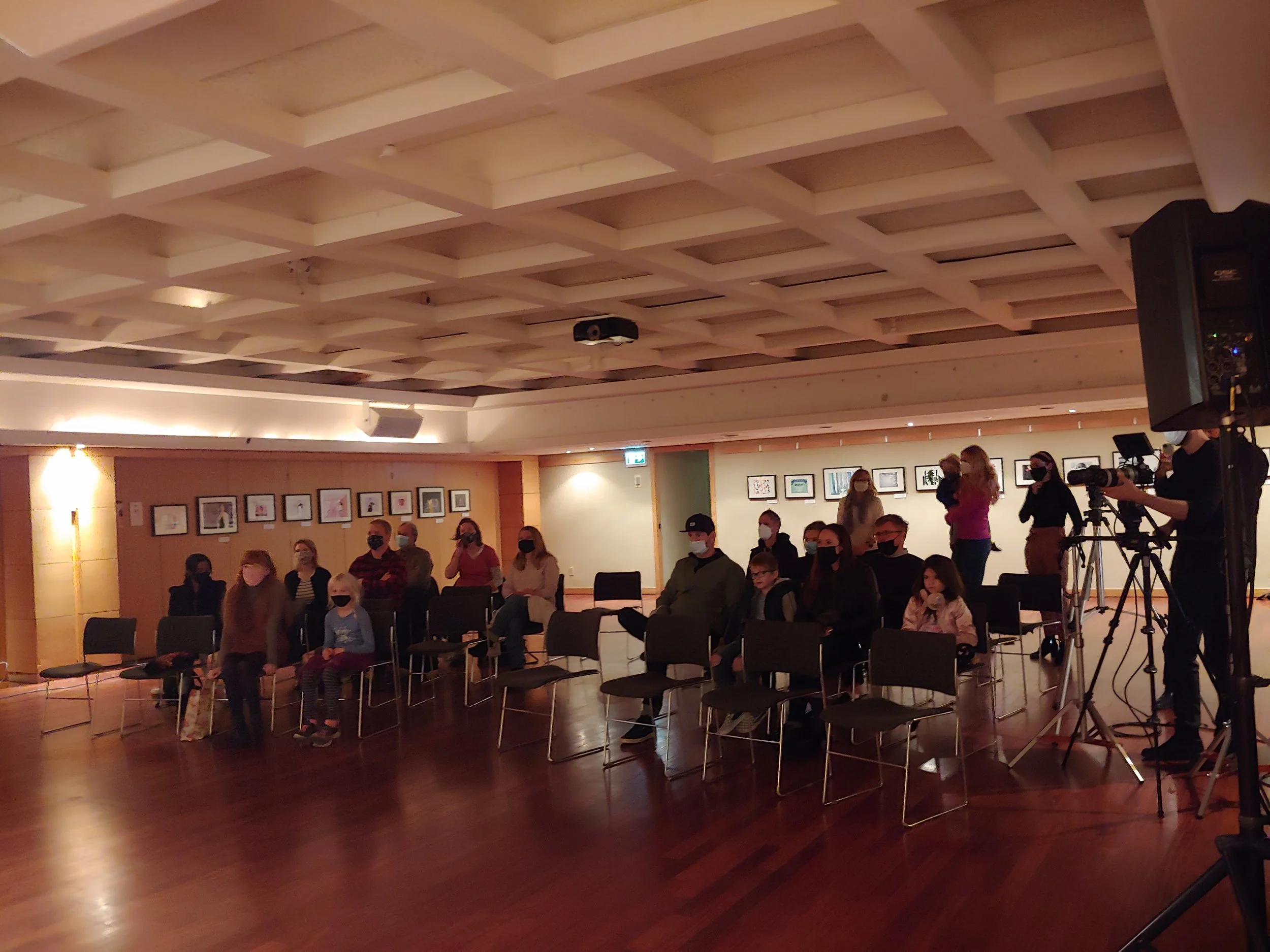
The duo has won the affection of audiences, because it didn’t take long for the seated, educational performances of past visits to vaporize into a raging party. The audience understood and appreciated all of the deadpan references to songs about cross-country skiing, loneliness, and agriculture (as humorously obligatory for folk as mentions of cold beer and trucks are for contemporary pop-country tracks). When the percussive stomping bass drum pedal and bow clacks started up, fans in the front started to dance. Freestyle at first, and then in pairs, then all hands joined in a circle. At certain points, it was necessary for the duo to stand up if the audience were to see them throughout the room. And a great number of the audience did move ahead once Puuluup provided choreographic instructions, particularly once they introduced their song “Kaerata jaan” (“Oatless John”), a play on the famous Estonian folk song “Kaerajaan.”
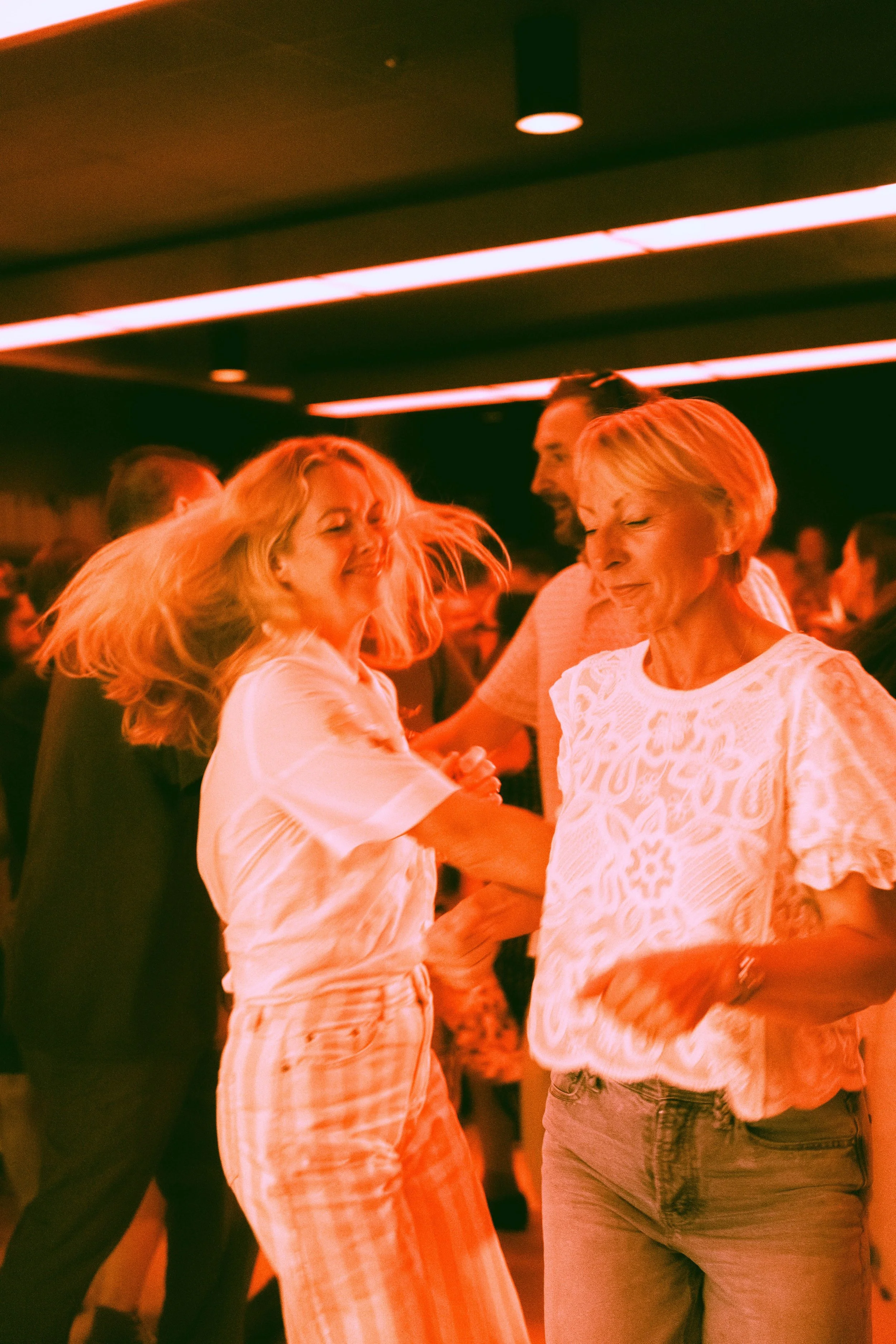
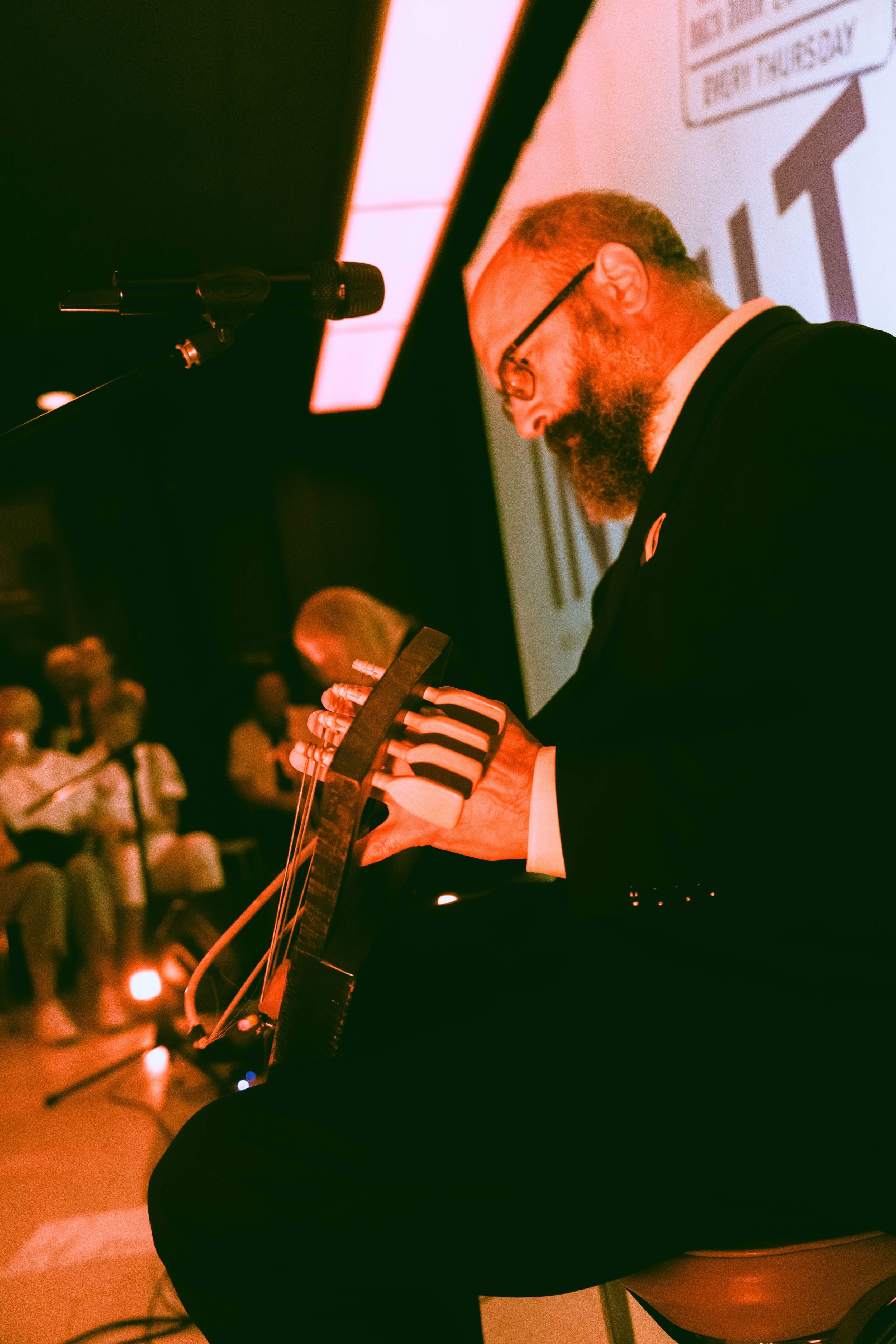
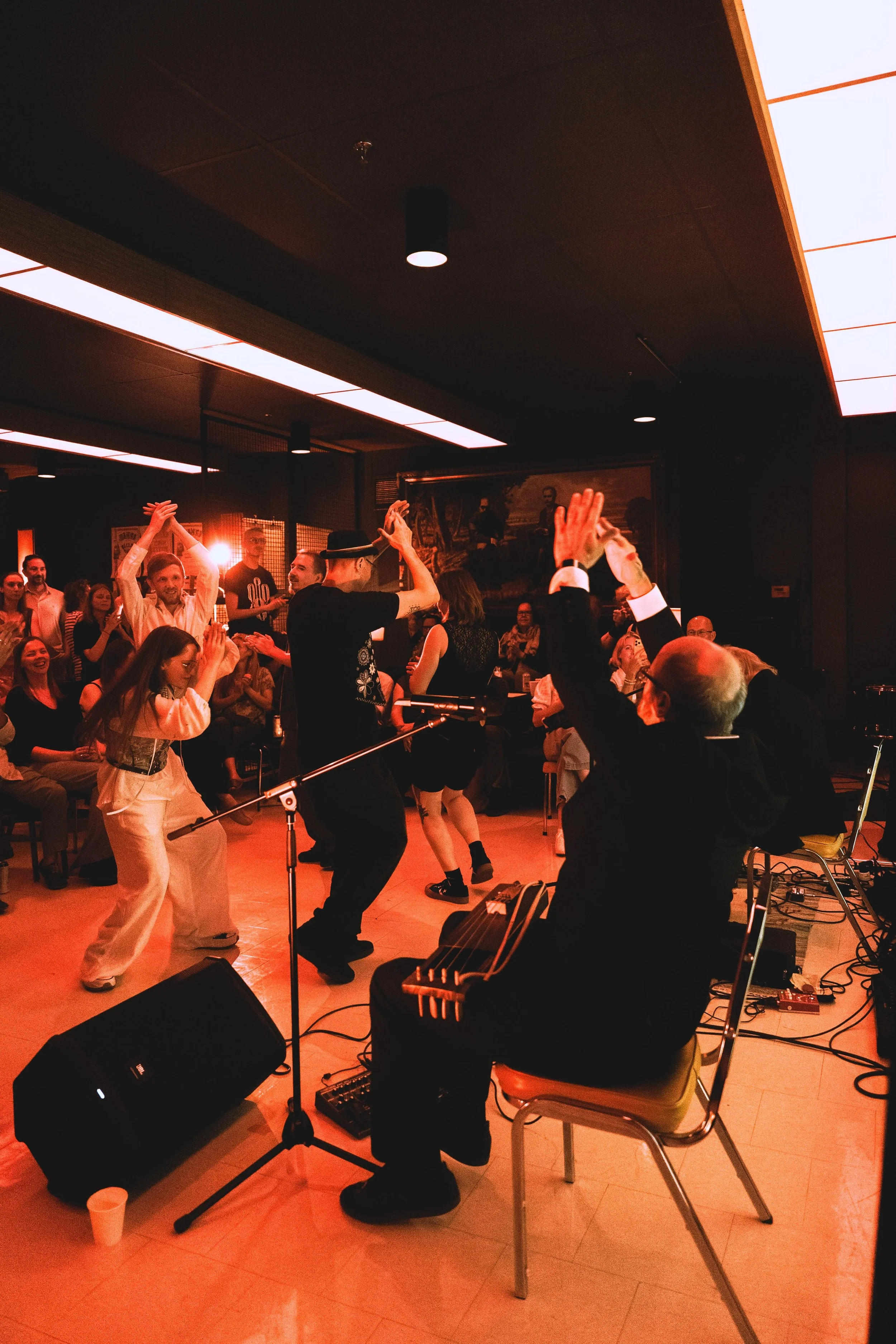
Puuluup’s song “Üksindus” (“Loneliness”) was adapted to address the theme of drinking alone, something advised against by the duo. And with wellness in mind—performing in an institute, Veisson argued that critical thinking was quite relevant—we were also reminded of Estonian health experts’ advice to move from a sedentary position every forty-five minutes. Good thing Jurgita Žvinklytė from Honeypaw was around to show the audience the Labajalavalss, with participants stepping in a line that wound around the whole room.
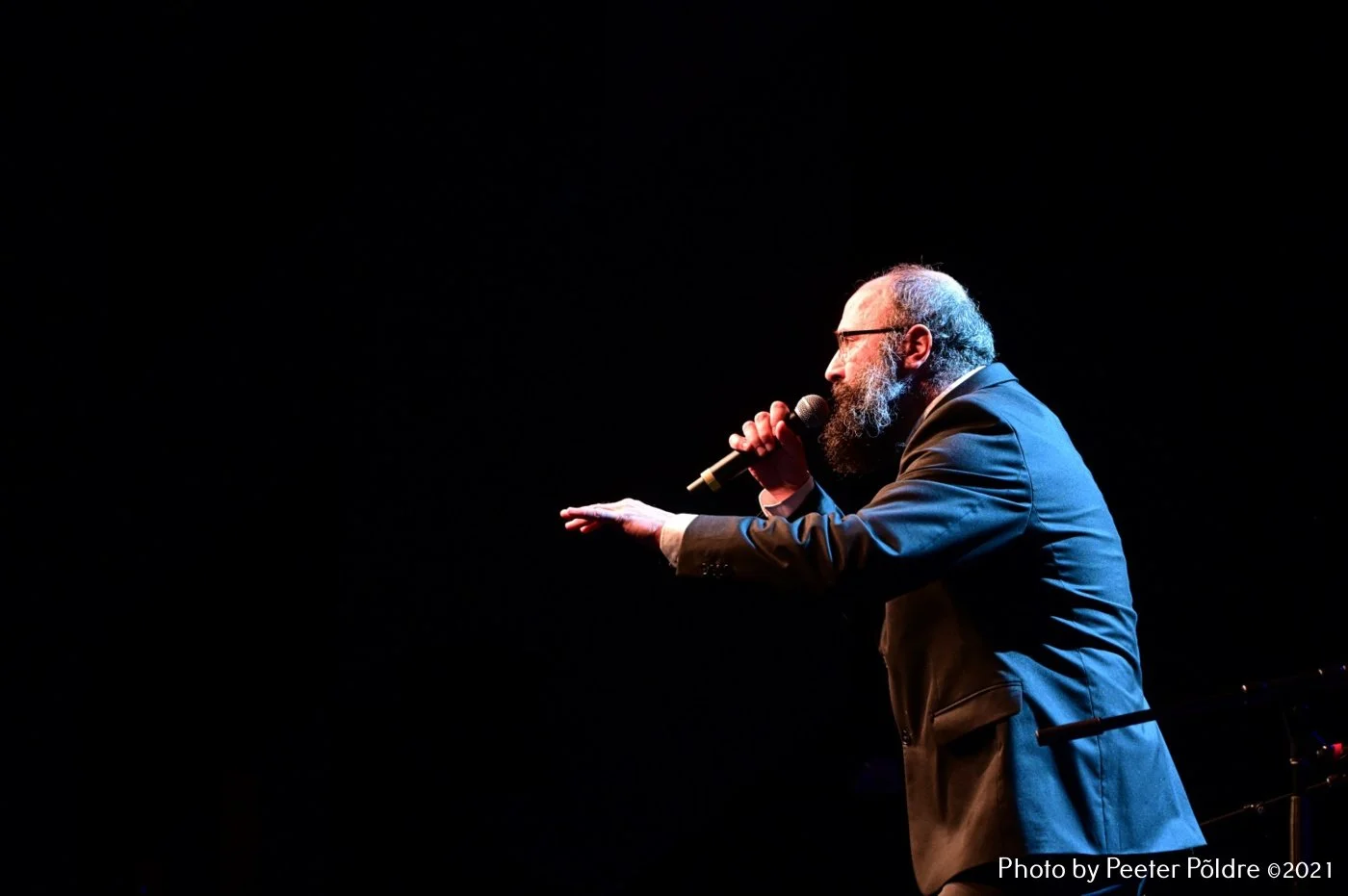
There was also movement on the part of the artists with Marko Veisson making his way through the crowd, singing and rapping with abandon. Seeing the distinct personalities of Puuluup emerge in a state of flow is always a highlight of their concerts.
Familiar tracks from Puuluup’s two LPs Süüta mu lumi (Light My Snow) and Viimane suusataja (The Last Skiier) were brought back, along with a few new pieces and their Eurovision song as a set closer, before they tumbled back out for an encore, jamming on the riff from Deep Purple’s “Smoke on the Water,” concluding with an explosive storm of distortion.
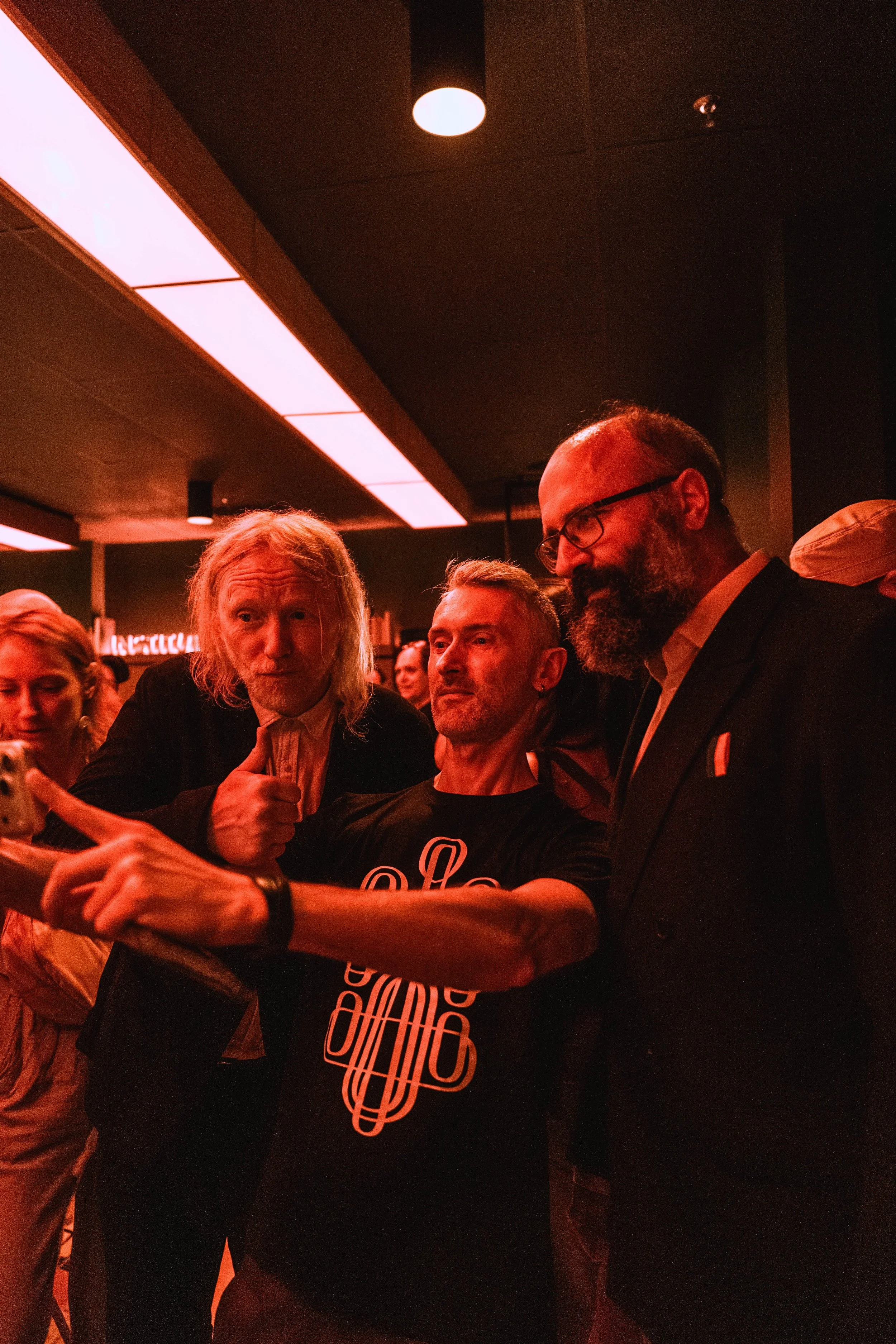
Add to this the fact that all of the above was depicted in a live painting at the side of the stage by artist Ivanna Lunazul and that the night continued with Colombian electronic trio KILLABEATMAKER and with a polyphonic Ukrainian birthday song (“Mnohaya Lita” (Многая літа), or “Many Years”) for the venue’s team members and it’s evident that Puuluup is part of a rising force that is filling our communities with authentic, energetic culture without compromise.
The concert was co-presented by INSTITUT, Estonian Music Week and VEMU Estonian Museum Canada.

Meet Hopp: The New Rideshare App That Just Landed in the GTA (and Maybe Gave You a Ride to Estonian Music Week)
Originally published on Eestielu.ca
Toronto and the GTA have a new ride-hailing option, one with a little European flair. Meet Hopp, the new kid on the block backed by Bolt, Europe’s largest mobility app, founded and headquartered in Estonia. You may have already caught a lift with us at Estonian Music Week (yep, that was us helping shuttle folks to and from the festivities with a special discount) or enjoyed the sauna we brought to EMW’s külasimman / Village Party. While our name might be new, we’re bringing years of experience and a mission rooted in affordability, sustainability, and Fairness.
Powered by Bolt, which operates in 50+ countries and serves over 150 million users, Hopp brings a fresh approach to ridesharing, one where drivers are treated like entrepreneurs, riders know what they’re paying for, and the platform isn’t dictated by the usual North American giants.
So why Canada?
When it came time to launch into another market, Canada just made sense. The GTA, home to one of the largest Estonian communities outside of Europe, felt like a natural next stop for a company with Estonian roots.The city is even building a new Estonian cultural centre, and we’re excited to see it come to life.
Our launch in February 2025 may have coincided with a record-breaking snowstorm (we’re still thawing out), but we hit the ground running across Toronto, Mississauga, Vaughan, Markham, and Richmond Hill. Since then, we’ve expanded into Pickering, Oakville, Brampton, King City, Aurora and Ajax.
We were happy to support Estonian Music Week 2025 festivities by offering discounted rides to music lovers and heating up a sauna at külasimman. The festival Sunday shaped up to be a true celebration of Estonian culture. No village party is complete without a little sauna, especially when rain makes an appearance.
What makes Hopp different?
We’re not here to be another app on your phone, we’re here to rethink the experience. In a market long dominated by a duopoly, Canadian drivers and riders deserve something that feels more local, more transparent, and more empowering. For drivers, Hopp is a platform that treats you like a business owner. We believe you should be able to set your own hours and succeed on your own terms. That means better pay, more autonomy, and a model that’s built around your success, not just ours. For riders, we offer transparent pricing, a commitment to safety, and the chance to support something different, something that aligns with Canadian values of fairness, inclusion, and Innovation.
We know we’re not the only option out there, but, we’ve learned a lot from operating in fast-paced, highly competitive European–not to mention Africa, Western Asia and Latin America–markets. That’s made us nimble, responsive, and thoughtful. We are community-first and people-powered. We’re proud to bring a European sensibility to the Canadian market, and to prove that ride-hailing can be fairer, safer, and yes, even a little more fun.
Try us out today by downloading the Hopp app at gethopp.ca. Get $15* off your first 2 trips with code EMW2025.
This is just the beginning. Canada, we’re just getting started.
*Discount up to $15 per trip. Only valid in Canada where Hopp operates. One use per Hopp account. This discount cannot be combined with any other Hopp promotions or offers. Expires 30/06/2025. Hopp General Terms and Conditions for Passengers apply: gethopp.com/en-us/legal
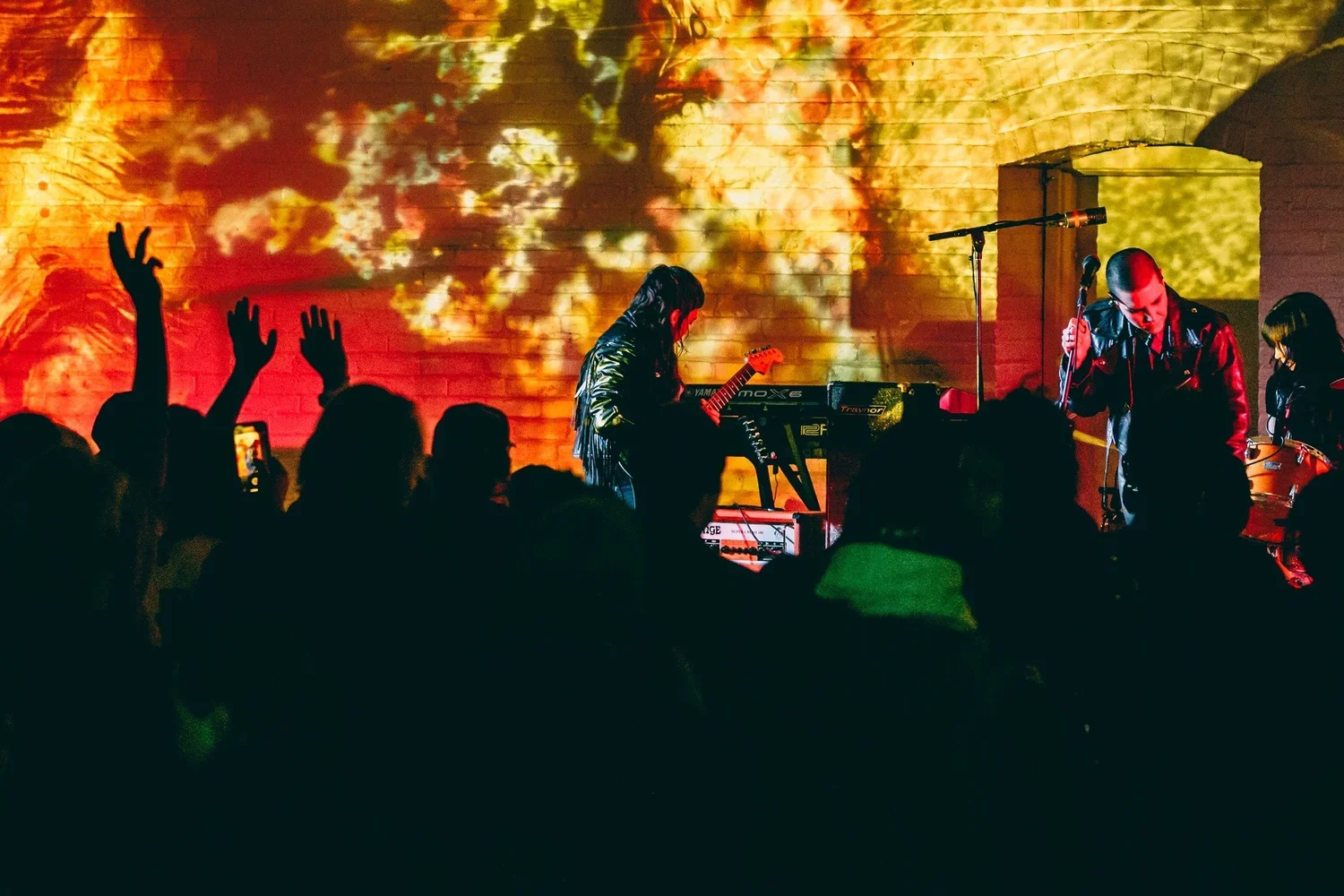
Discover new artists at these Toronto music festivals
Toronto, as an incredibly multicultural city, hosts so many cool, inspiring music festivals throughout the year, making it one of the top destinations for live music lovers. Whether you’re into world music, indie artists, or global music festivals, the city has something for everyone. And what better way is there to express your own cultural identity and pride, or learn about cultural diversity and other cultures, than through live music events in Toronto? So let the musical vibes start to wash over you and get pumped for Toronto’s lively, year-round festival season! Not sure which music festivals and concerts in Toronto to visit? We’re highlighting a few of the most popular and entertaining cultural music festivals, carrying on into the fall and winter, to get you started.
Toronto, as an incredibly multicultural city, hosts so many cool, inspiring music festivals throughout the year, making it one of the top destinations for live music lovers. Whether you’re into world music, indie artists, or global music festivals, the city has something for everyone. And what better way is there to express your own cultural identity and pride, or learn about cultural diversity and other cultures, than through live music events in Toronto? So let the musical vibes start to wash over you and get pumped for Toronto’s lively, year-round festival season! Not sure which music festivals and concerts in Toronto to visit? We’re highlighting a few of the most popular and entertaining cultural music festivals, carrying on into the fall and winter, to get you started.
Wavelength Winter Fest 2025
For those wanting to experience the best of the best of Canadian live music acts, Departure (formerly Canadian Music Week) is worth checking out at the beginning of May. This major Toronto music festival features electrifying live performances, showcases by rising stars and global icons, and insightful industry discussions. You'll be at the forefront of the Canadian music industry. Departure is a dynamic and innovative launchpad featuring diverse talent, boundless energy, and committed artists. This kind of ambition and audacity draws talent from all across Canada and internationally, energizes creatives from all disciplines, and offers a fresh spark of inspiration that keeps passion alive. Here, you’ll discover new artists, groundbreaking work, and innovative ideas. Departure music festival Toronto is for avid music lovers and industry personnel alike, seamlessly bridging the gap between the two.
Next up, we’ve got the Luminato Festival, which takes place at the beginning of June. For those looking to experience art festivals in Toronto in addition to live music, this is the one for you. Luminato Festival Toronto is a multi-arts festival that celebrates the energy of the city and connects people through memorable art experiences. Every June, the festival transforms Toronto into a playground of art, creativity, and conversation. Luminato is a true cultural festival in Toronto, where cultural diversity is brought to the forefront. Some musicians that have graced the stages of the festival are Mapuche musician Anahi Rayen Mariluán, Toronto native and French-speaking artist, producer, and DJ BLAKKPHARAOH, and Canadian-Indian flutist, North Indian classical musician Hasheel. This Toronto arts and culture festival welcomes the world and invites locals and visitors alike to experience the city in new and exciting ways.

BLOK Slavic Music Meet in Toronto
And then there’s BLOK: Slavic Music Meet, Toronto’s ultimate Eastern European music festival. The Slavic Music Meet is a first-of-its-kind gathering devoted to Eastern European music, featuring live performances by Canadian acts and virtual shows from artists located in Eastern Europe. BLOK is proudly an all-ages music festival in Toronto, the perfect activity for the whole family, promising a music-forward extravaganza with an eclectic lineup of international talents. Some of the big names that have performed at this fantastic Toronto live music event include Lemon Bucket Orchestra, Mari Kalkun, Medusa, and Maryna Krut. On top of enjoying great performances, you can also explore the heart of Eastern European culture by indulging in traditional Eastern European cuisine, hot and cold beverages, and browsing a bustling market featuring vendors offering Balkan to Baltic delicacies and clothing. Looking for a cultural festival in Toronto that celebrates Slavic culture and music? This is the one for you.
But what about the Wavelength Winter Festival? This Toronto winter music festival, which takes place at the end of February through early March, brings together the local indie music community for one cozy weekend of programming—championing emerging artists in Toronto while animating new and innovative music spaces across the city. Featuring great, renowned local acts in Toronto, such as Beams, the East-end psych folk-rock scene stalwarts, and Just Prince, an acoustic guitarist who weaves Eastern scales and Western melodies with songs in English, Hindi, and Punjabi, this indie music festival will brighten up any chilly winter days. The festival offers three nights of live music from hidden gems and up-and-comers alike, celebrating 20+ years of Wavelength Toronto.
Toronto is also host to the International Indigenous Music Summit (IIMS), bringing together the best Indigenous artists and storytellers from around the world. IIMS is the largest global Indigenous music event, dedicated to celebrating, creating awareness, sharing resources, and building opportunities for the Indigenous music community. IIMS provides a unique space for Indigenous artists to discuss, exchange, and connect in a culturally sensitive and appropriate setting, fostering long-term, mutually beneficial relationships between artists and industry professionals. The festival takes place in either early spring or early summer, depending on the year, making it a must-attend for those looking to explore Indigenous music in Canada.
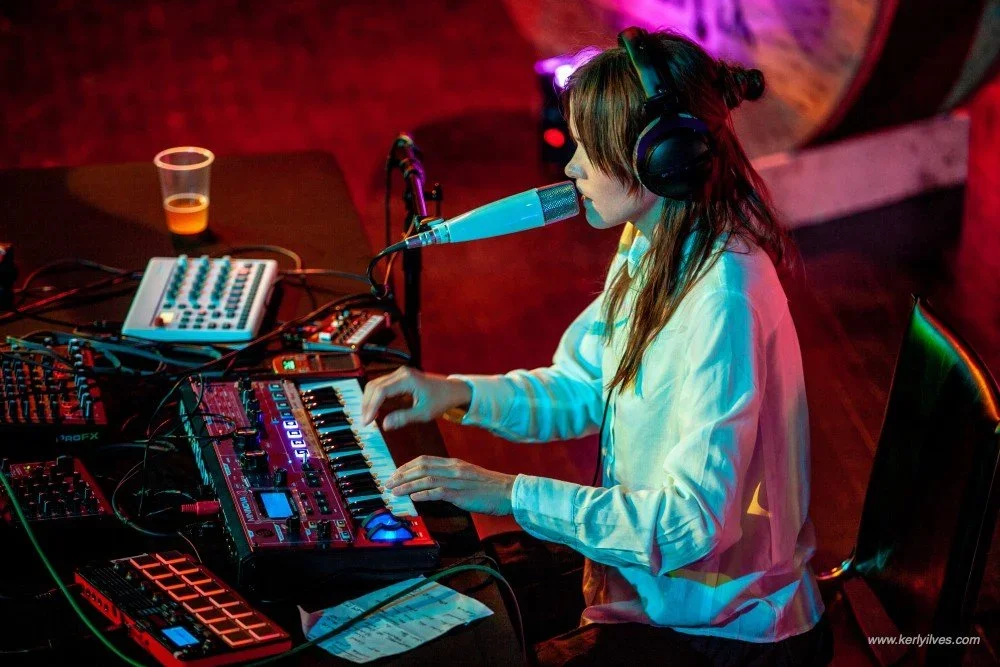
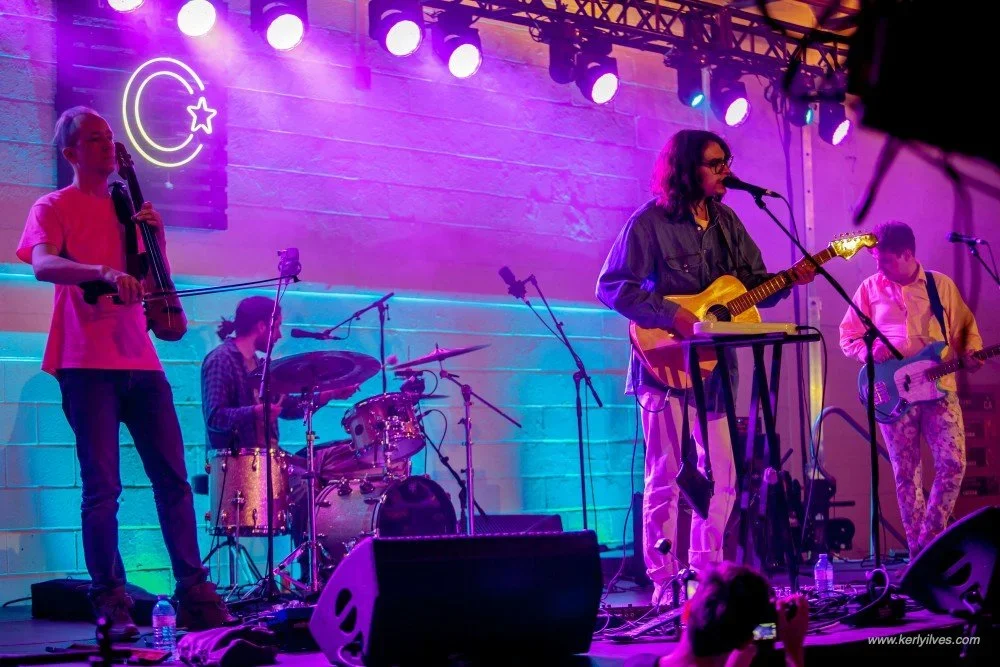
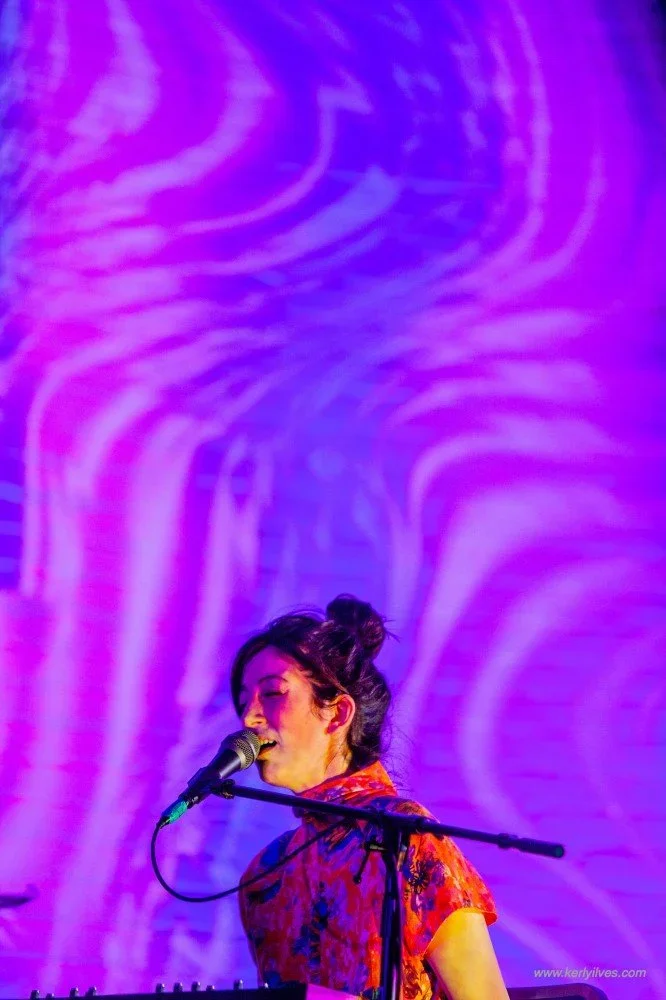
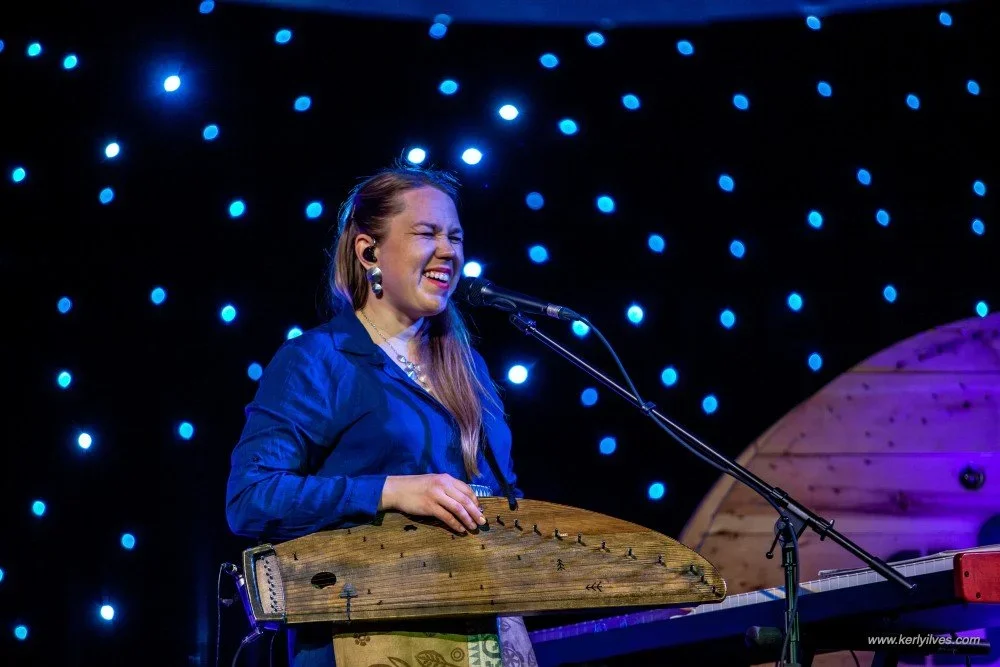
And last, but certainly not least, we have Estonian Music Week. This Toronto cultural music festival is a project of the Estonian Museum Canada (VEMU) and got its start as part of the international centennial celebrations of the Republic of Estonia in 2018. Estonian Music Week Toronto is a multi-faceted music festival, taking place at the end of May, featuring interim programming in collaboration with leading arts institutions and supporting music import/export activity between Canada and Estonia. The festival culminates in a bi-annual music festival, spotlighting the best Estonian and Canadian music. Not only does the festival feature top live music performances, but it also offers a taste of Estonian culture, with local Estonian vendors selling traditional food, clothing, and cultural merchandise. If you’re looking for a Toronto music festival with cultural depth, this is your chance to familiarize yourself with Estonian music and traditions.
So there you have it—a selection of Toronto’s best cultural music festivals to check out throughout the year. Whether you’re into world music, indie artists, or cultural celebrations, there’s something for everyone. What are you waiting for? Start planning your Toronto festival schedule now and experience the best music events in Toronto!

EstoCast: from percussive singing to dolphins with Mart Avi
Singer, songwriter, and soundscape builder Mart Avi is bound to turn your head when you first hear his music. Even through the sounds alone, you can tell he has a very physical approach to music, including an almost percussive style of singing. And there are an abundance of stories to dig into lyrically.
Before he hits the stage at 2025’s Estonian Music Week festival, hear him speak on the latest episode of EstoCast.
Singer, songwriter, and soundscape builder Mart Avi is bound to turn your head when you first hear his music. Even through the sounds alone, you can tell he has a very physical approach to music, including an almost percussive style of singing. And there are an abundance of stories to dig into lyrically.
Before he hits the stage at 2025’s Estonian Music Week festival, hear him speak on the latest episode of EstoCast, including points about:
🧠 How the art he saw when performing during the Venice Biennale infiltrated his subconscious
🦕 Why his upbringing in a newly re-independent Estonia makes him feel “Jurassic”
🌴How the seaside city of Ubatuba, Brazil impacted his and Ajukaja’s new album
🎙️ and much more!
(Hosted by Vincent Teetsov)
Find EstoCast on all major streaming platforms.
EstoCast is a podcast presented by Estonian Museum Canada/VEMU, Estonian Music Week and Eesti Elu/Estonian Life newspaper. In each episode of EstoCast, join us as we delve into another dimension of Estonian culture in Canada, Estonia, and elsewhere. Through discussions of books, music, art, history, science, and more, we discover what it is to be Estonian and what Estonian people have to offer the broader world.
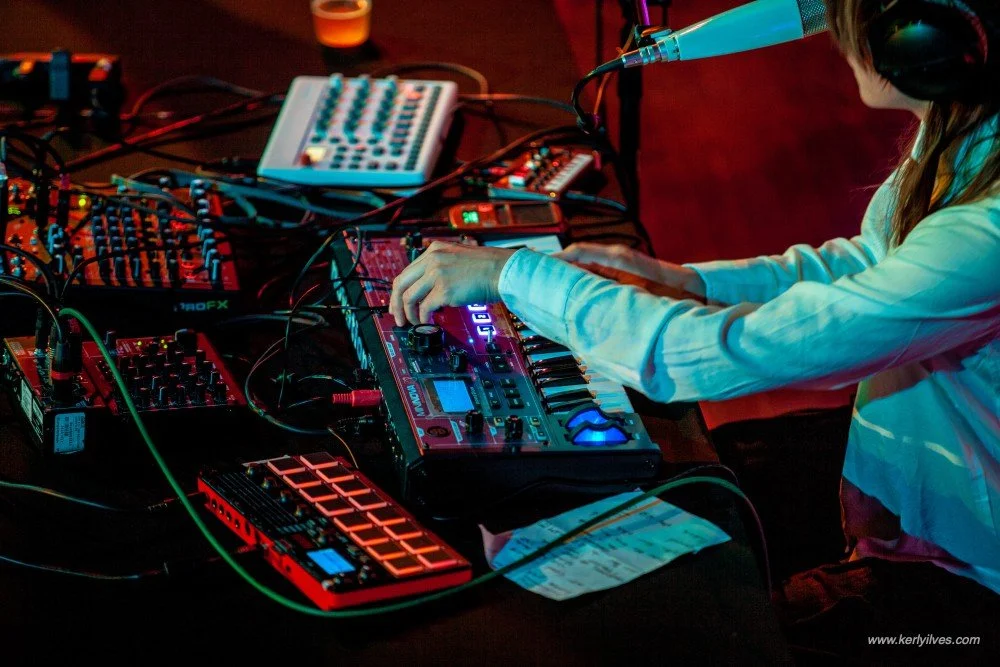
Melomaniacs, get ready: the fifth Estonian Music Week is coming!
Experience a unique northern culture, small in size, big in creativity with Estonian Music Week 2025 festival.
Be moved by the sounds and stories of Estonia. From folktronica to avant-pop and contemporary classical.
May 22-25, Toronto.
Time flies! The fifth Estonian Music Week will be taking place in May 2025. VEMU Estonian Museum Canada’s gift to Estonia for its 100th anniversary took flight and grew into the great festival it is today. The circle of organizers, supporters, and partners has grown; the audience has diversified. The footprints that EMW has left can be seen more and more outside of Toronto and even in Estonia.
The fifth festival will be taking place from May 22-25th in the best and most exciting concert venues Toronto has to offer. The pre-festival events will also be taking place in several locales outside of the heart of the city, for example, Scarborough, Hamilton, and Kitchener. Although the festival’s main program will only be taking place in Toronto this time, a special bus will bring music lovers from Hamilton to Toronto and back again later in the evening—thanks to the support of our good friend and leader of the Cotton Factory, Rob Zeidler.
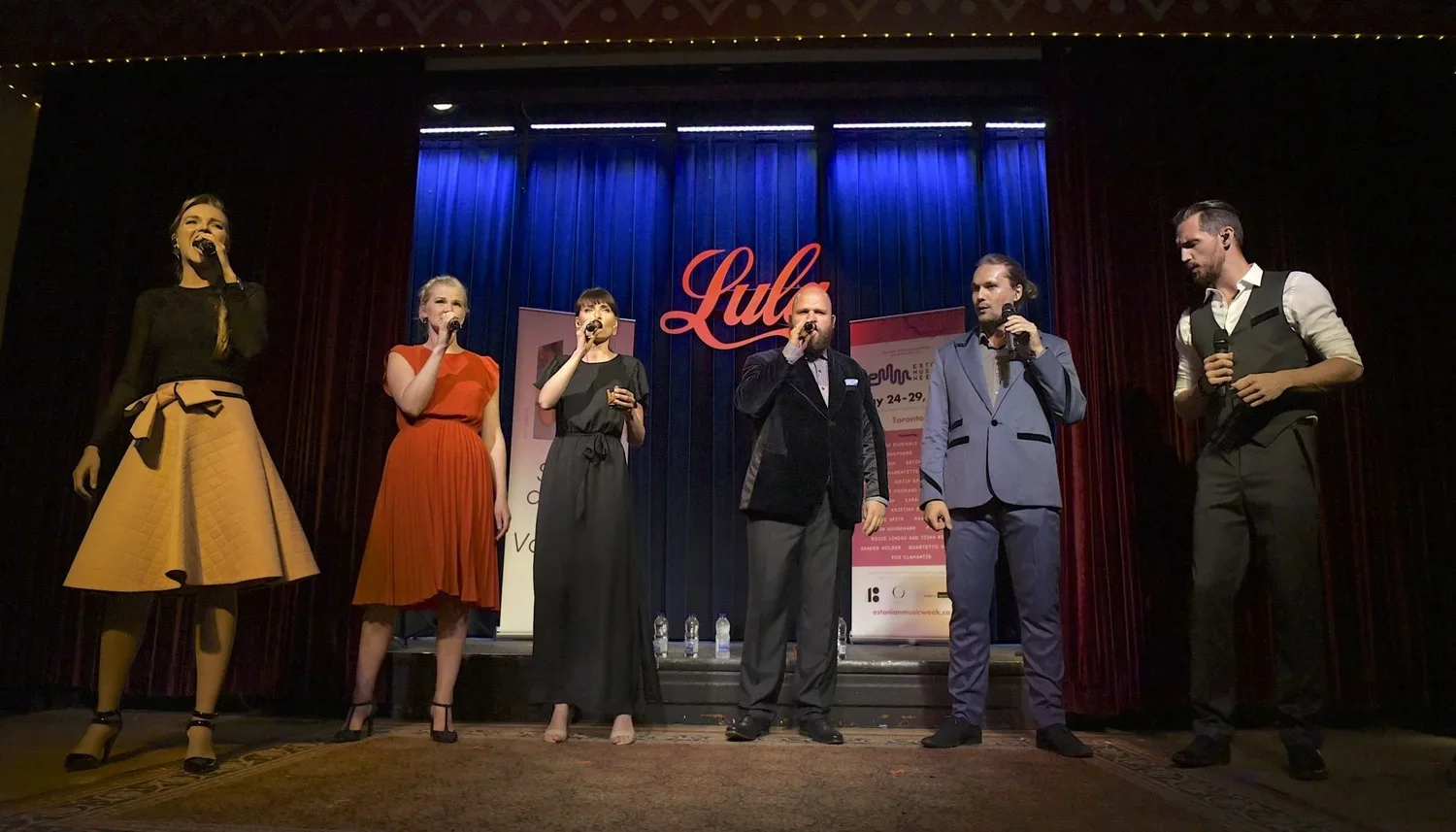
The festival will once again feature Estonian Voices, who performed at the first Estonian Music Week in 2018.
Early-bird festival passes are available as of December 2nd. Until March 1st, these can be purchased at a discounted price, up to 47% cheaper than full price tickets (compared to purchasing full price tickets to each show separately). The pass gives you full access to all ticketed events. What could be a better Christmas gift than one loaded with Estonian culture! Single concert tickets are on sale starting March 2!
What are we offering? In celebration of our first big anniversary, we’ve brought back Vox Clamantis, favourites from the first festival. Under the direction of Jaan Eik Tulve, they enchanted us with their touching and delicate harmonies, demonstrating their virtuosity through Gregorian chants, and the works of Arvo Pärt and Erkki-Sven Tüür. In spring 2025, they’ll help us celebrate Veljo Tormis’ 95th, Arvo Pärt’s 90th, and Lembit Avesson’s 100th birthdays by performing the multi-faceted works of these renowned composers. At the same concert, Ensemble U, familiar to EMW audiences from 2019, will step up on stage and add Canadian classical music innovator Udo Kasemets to the list of jubilarians, whose 105th birthday was just this past November.
Curly Strings reimagining their old hit “Üle ilma” with the members of Estonian Voices and nublu.
A cappella vocal ensemble Estonian Voices is also coming back to Toronto, as their third release has just come out, titled “Kallimale” (To My Dearest). Get ready to hear both their old hits and newest tunes.
For the first time in the history of the festival, we offered the audience a chance to contribute to the festival program. Nearly 400 people participated in the voting and, to no surprise, the audience favourite was Curly Strings. While they have already performed in Toronto, they will be making their Estonian Music Week debut.
For the younger audiences ready to rip up the dance floor, we’re bringing exciting artist Mart Avi, who sings and dances, writes and produces music, and who has already worked with grand old man of Estonian DJ culture, Raul Saaremets.
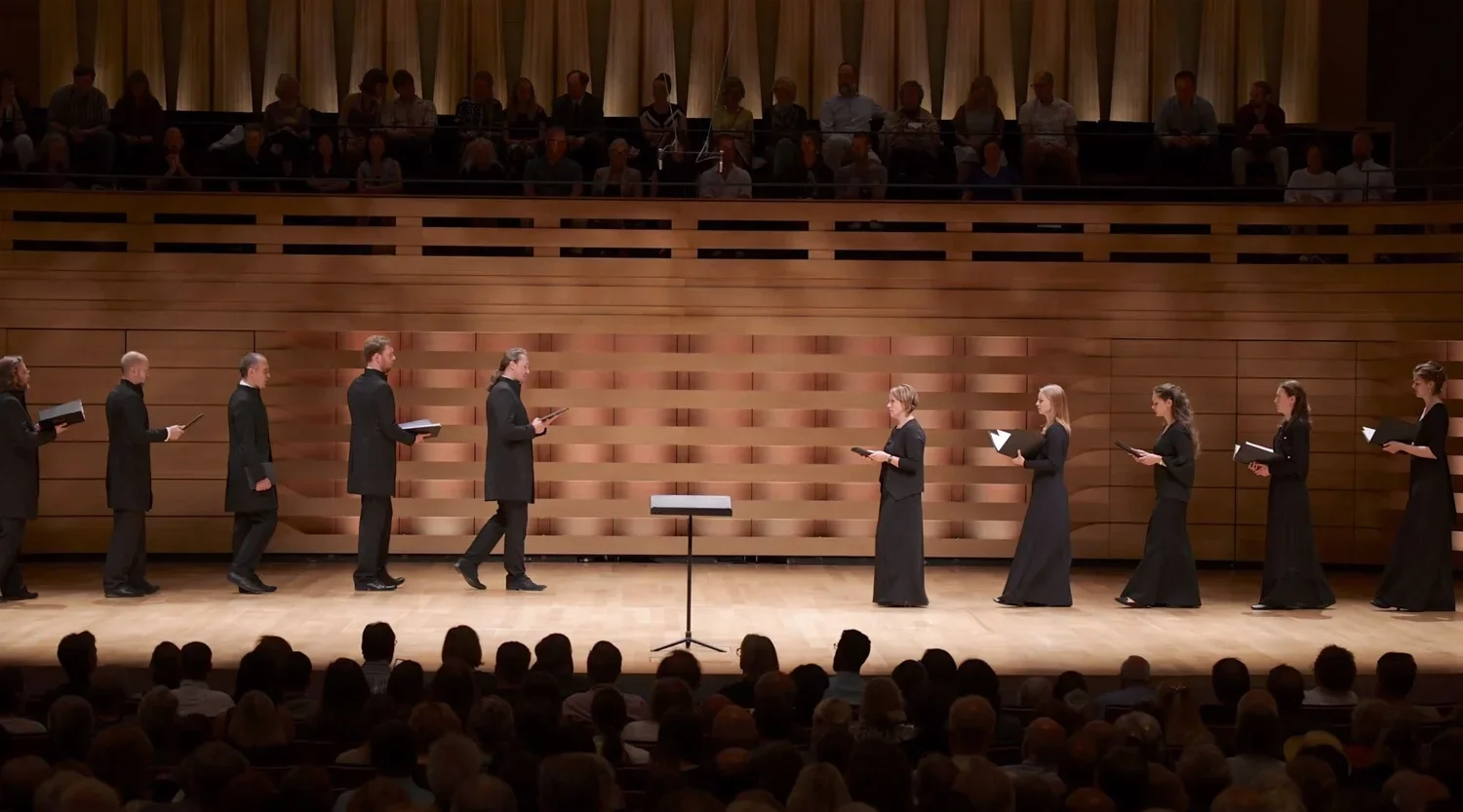
Vox Clamantis performing in Koerner Hall for a sold out Estonian Music Week concert in 2018.
We’re also bringing back the popular festival opening night party from the first two festivals at the chic Gardiner Museum, where the audience, VIP guests, musicians, and organizers can mix and mingle with delicious appetizers and drinks, all set against the backdrop of the magnificent ROM.
We are already very thankful to our supporters—the Estonian Foundation of Canada, Toronto Arts Council, and the Estonian Embassy in Ottawa—but we’re also looking for new supporters. Should you find Estonian Music Week a worthwhile cause, consider becoming a donor or sponsor.

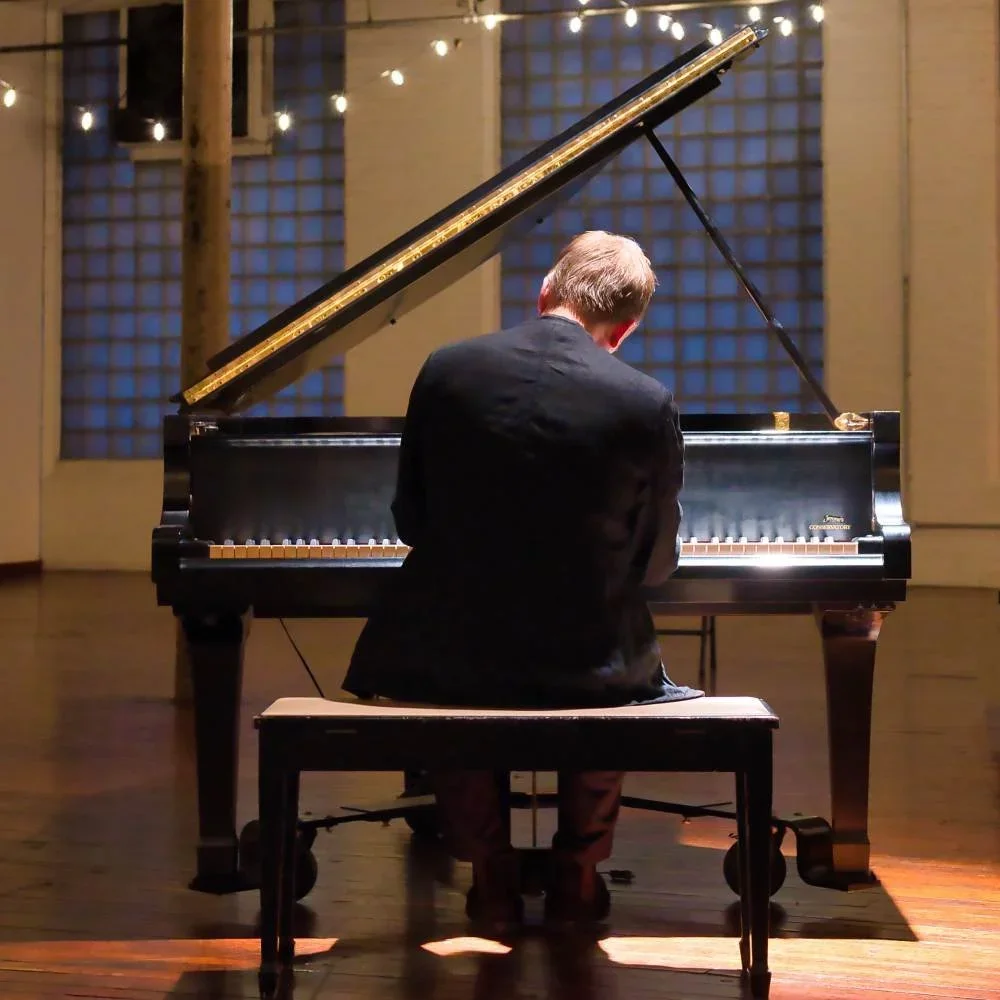
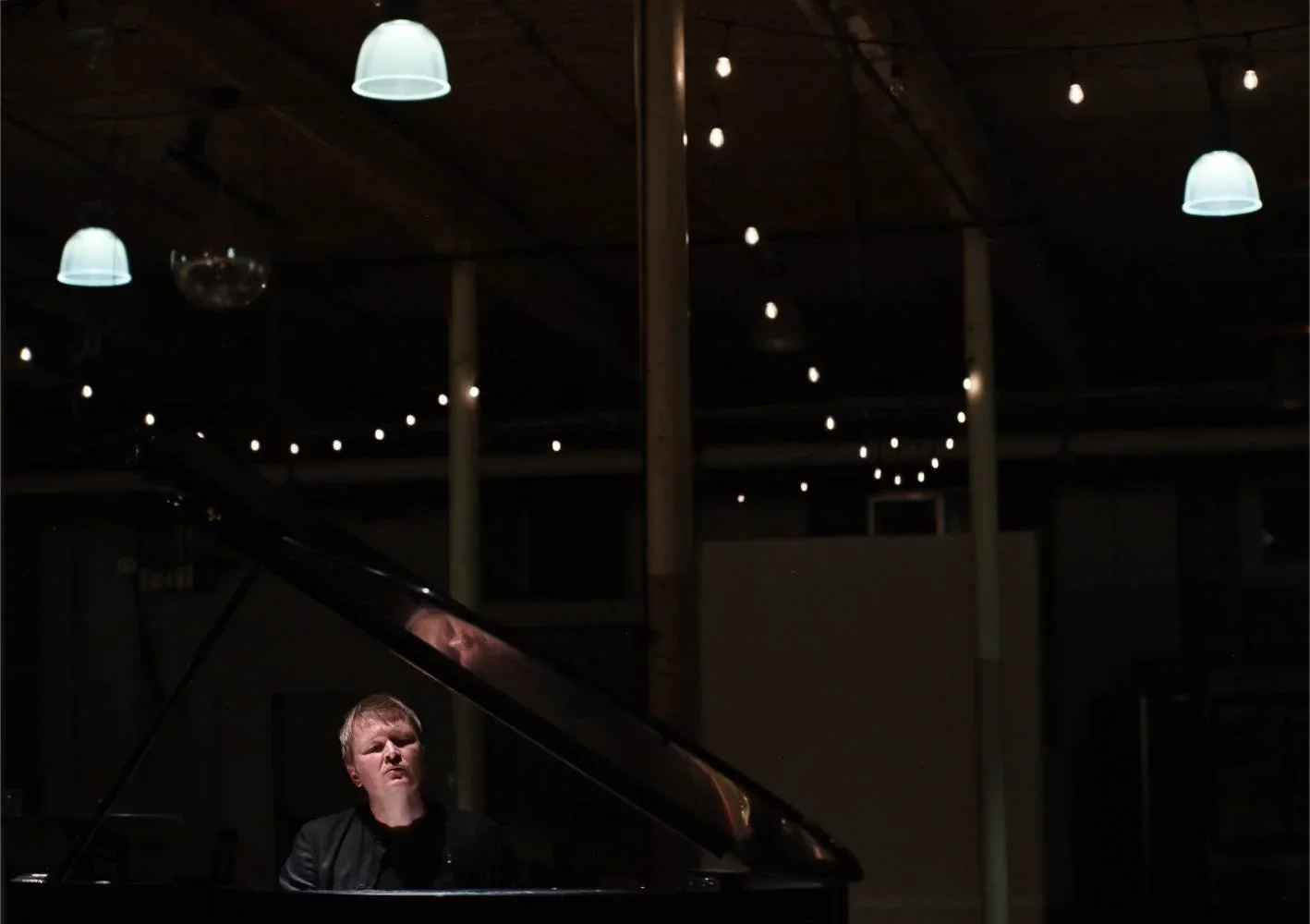
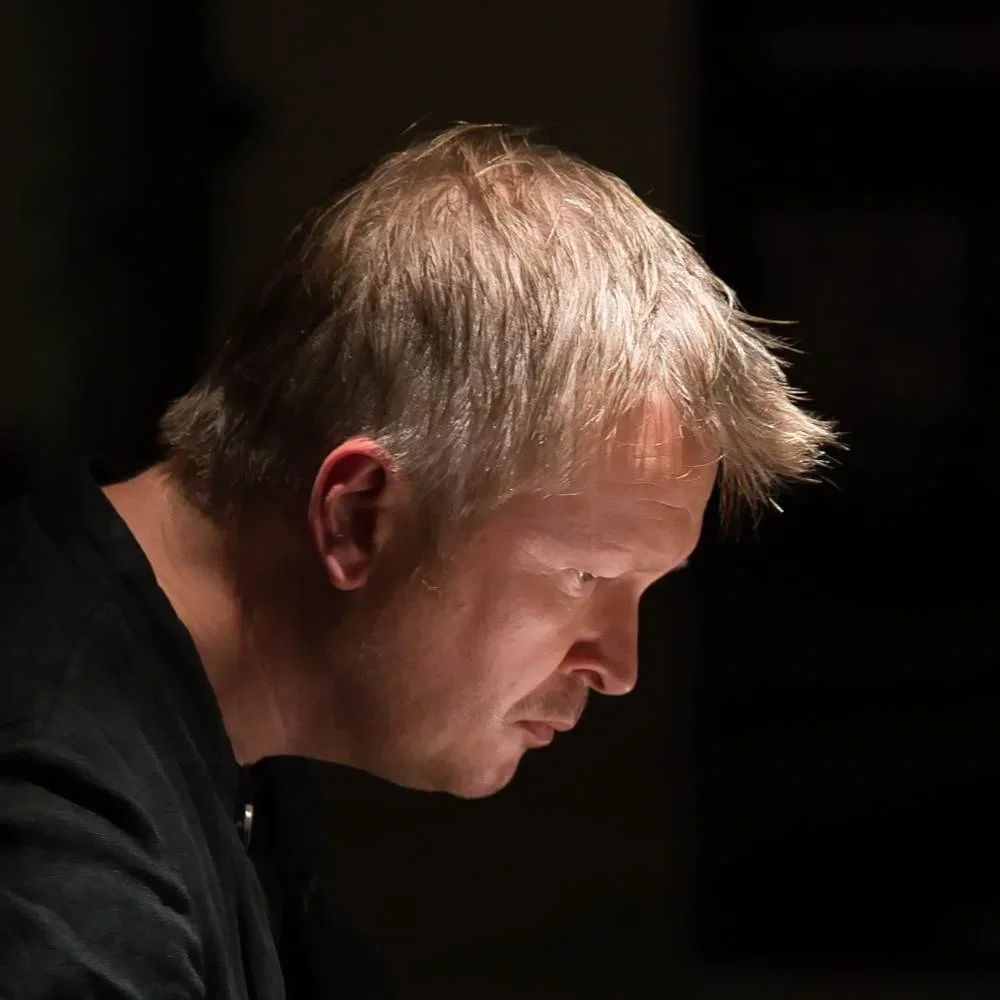
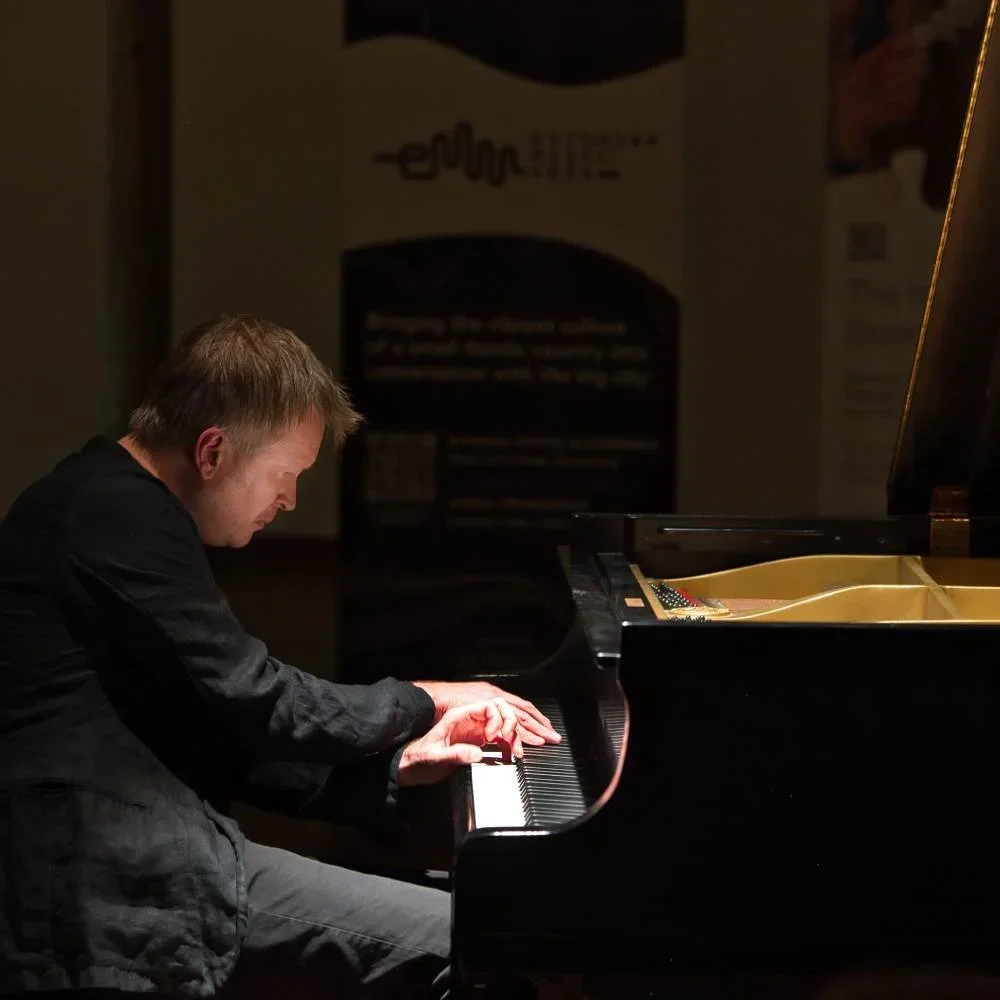
Kristjan Randalu in Hamilton and Toronto, Canada
Hugh’s Room, Toronto | October 6, 2024
Photos by Peeter Põldre


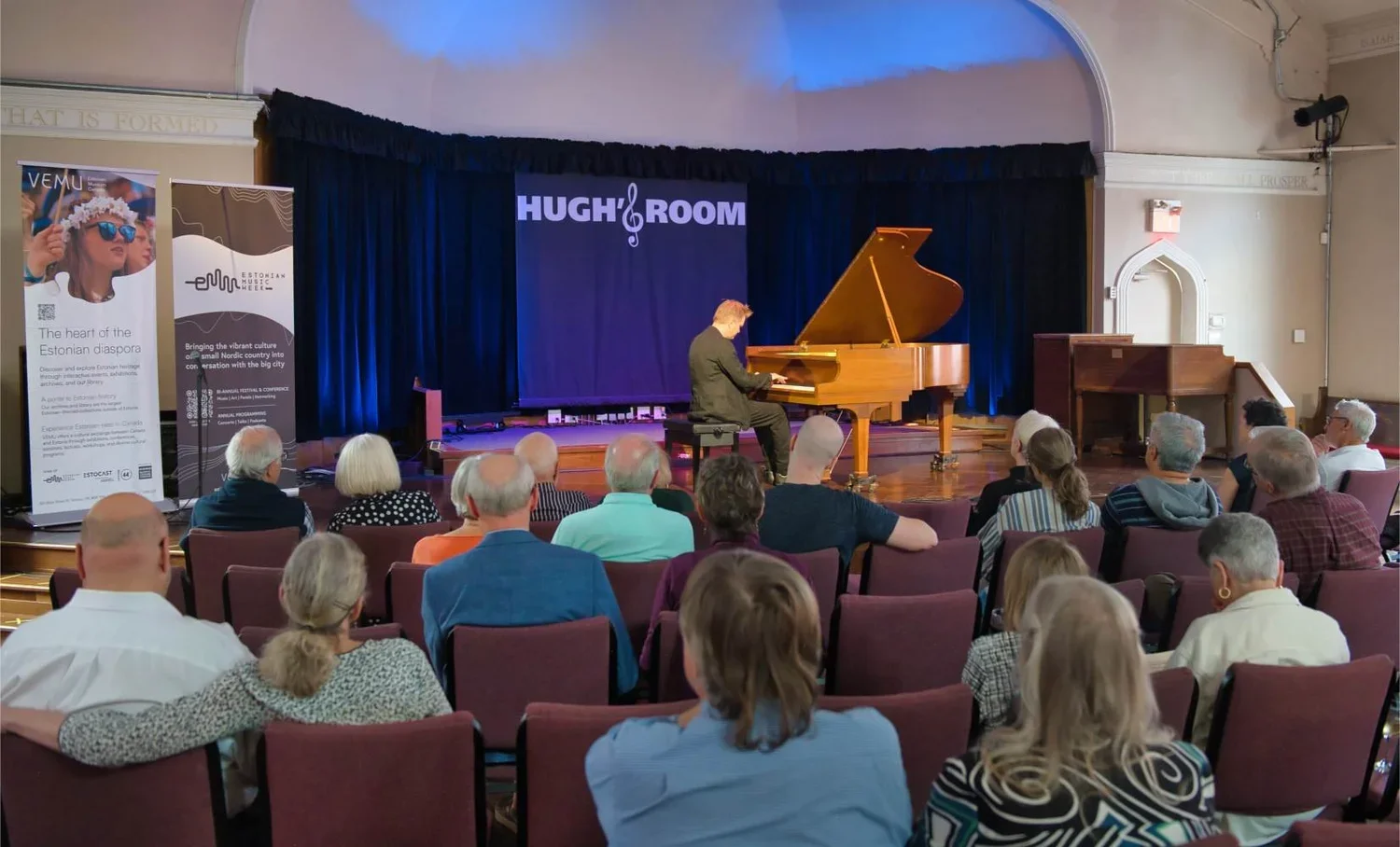


Cotton Factory, Hamilton | October 3, 2024
Photos by Peeter Põldre







Tallinn Music Week: Yours to Discover
Originally pubilshed in Eesti Elu /Estonian Life Nr. 16 2024
Once a year, during one week of early spring week, hundreds of artists, venue and festival bookers, artist managers, music supervisors, media, and thousands of music fans flock to Tallinn with two goals: to discover and to be discovered. Whether you seek new talent, inspiration, knowledge, performance opportunities, or the chance to break into new markets, you will find it here. Over the past 16 years, Tallinn Music Week (TMW) has become one of Europe’s music industry hotspots.

Tanika Charles performing at Made in Canada showcase at Tallinn music Week. Photo: Tanel Tero/ Tallinn Music Week
For the second year in a row Estonian Music Week teamed up with Women in Music Canada and Mundial Montréal for the Made in Canada showcase. This year marks 10 years of Canadians appearing at TMW, but we travelled all over to catch the most exciting new music.
With 8-11 showcases on each of the festival’s three nights, there is spectacular talent ranging from Estonia to Africa and Canada to the Balkans. Let’s dive right in as we bring you the highlights and who to add to your playlists.
The ones who got the most buzz
Night Tapes is one part Estonia, two parts UK. What started as housemates jamming at night in London has grown into a dream pop collective that blends genres and creates atmospheric soundscapes.
With lines outside of both Must Saal entrances, only about the first 100 lucky people in line got to experience their live show first hand. Many of the festivalgoers had to stand in line with the hopes of catching just a minute at the end of the set.
Track to listen: Night Tapes – Humans

Night Tapes on Intsikurmu Festival Stage at TMW. Photo: Elena Mkrtchian/ Tallinn Music Week
The one to watch out for
maria kallastu is a cool breeze of fresh Estonian art-pop, drifting over a delightfully smooth sea of R&B. Think peak noughties Maria Carey, if somehow Herbie Hancock was hanging out in the back of the studio. kallastu carries her catchy melodies with ease but also shines as a producer, channeling the familiar with just enough “weirdness” (as she terms it) to excite the ears. This elevator is only going up.
The one you need to hear live in Canada
This year’s festival presented an all-time-record number of Canadian artists – Aysanabee among eight others. While many Canadians have already taken note of Aysanabee’s incredible voice and storytelling, he has now made his first splash in this part of Europe. He is the first ever Indigenous Artist to win the JUNO Awards for Alternative Album of the Year and the coveted Songwriter of the Year award, for his latest EP Here and Now.
Catch him in Toronto on May 23rd, 2024 at Massey Hall, as part of a tribute to the late, great Gordon Lightfoot.
A treat for your ears: Aysanabee – Nomads

Aysanabee in Tallinn, the furthest place from home he has ever performed. Photo: Tanel Tero/ Tallinn Music Week
The one who melted our hearts
There’s no getting around the fact that Norwegian indie-soul artist Beharie is a charmer. The room of well over 500 TMW attendees stood captivated by the singer, who was only accompanied by his guitarist. There is something magical about Beharie’s reserved falsetto tones (invoking comparisons to Prince or D’Angelo). You can tell he’s holding back, but it is not until he finally belts the chorus of “Oh My God” towards the end of the set that you realize how much. Add in polished songwriting, a super likeable onstage persona and incredible musicality, and you’ve got a recipe for getting hooked.
Listen to this: Beharie - Oh My God
The ones with a success story from Estonian Music Week
It was a full circle moment when Erik Laar took to the stage in Tallinn with vinyls from VEMU Estonian Museum Canada’s archive in hand. VEMU is where the re-birth of Laar happened in 2021, with a one-off live-stream concert for Estonian Music Week (EMW). From those dusty vinyls grew a deeper connection to his Estonian roots and we’ve gotten to enjoy the interpretations of regilaul at the last two EMW festivals. Making connections with Estonian delegates at EMW 2023 culminated with a multimedia show at Erinevate Tubade Klubi for Tallinn Music Week. Next up for him is Jazzkaar on April 26th and 27th.
His latest release: Erik Laar – I begin
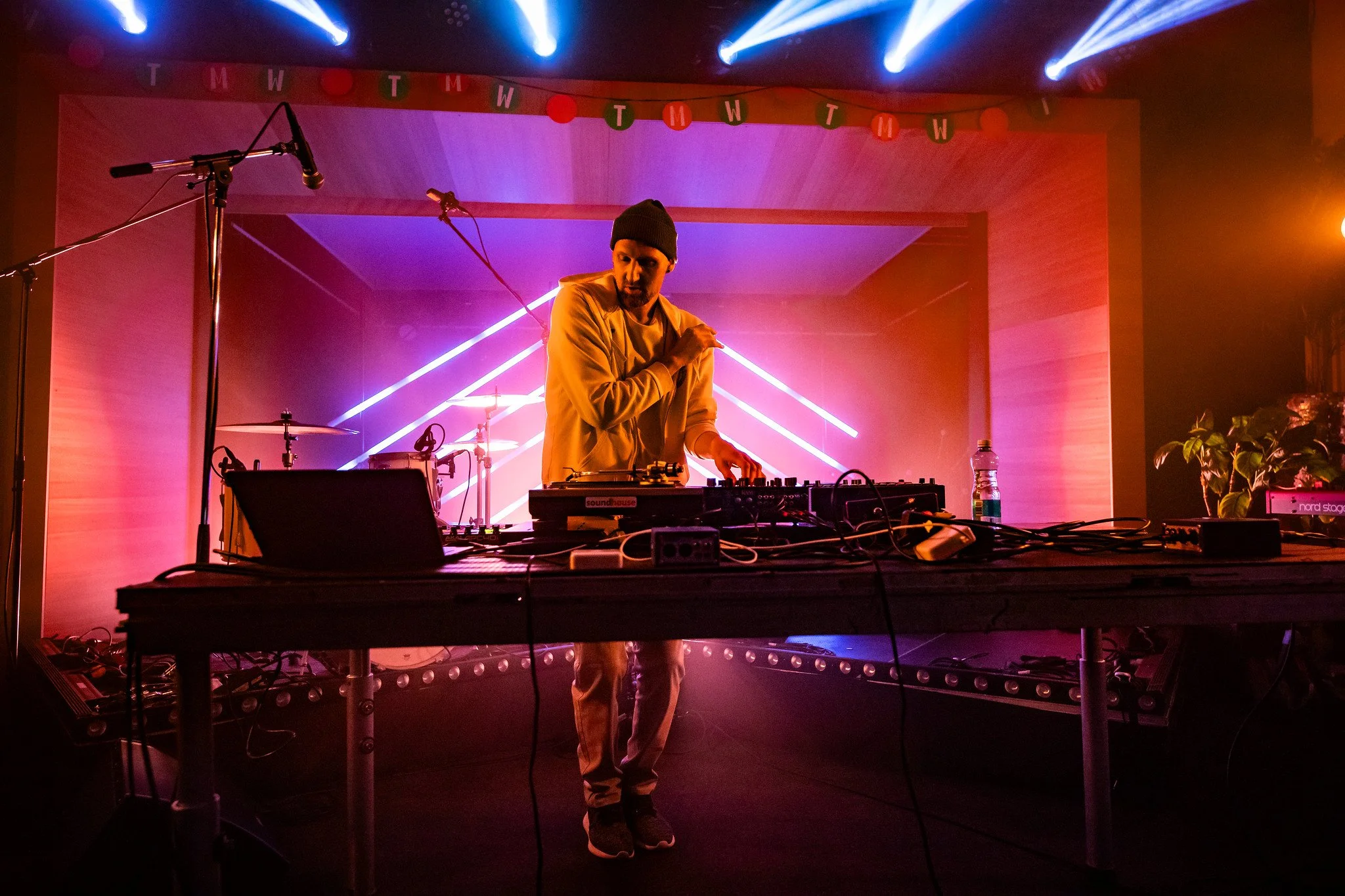
Erik Laar performing his multimedia set at Erinevate Tubade klubi during TMW. Photo: Tanel Tero/ Tallinn Music Week
Tanika Charles packing two venues at consecutive TMW nights is the result of a partnership between Estonians and Canadians that dates back to 2022. When EMW brought Lexsoul Dancemachine to Canada, we added Maya Kiltron as a guest. Behind the scenes, the groups’ respective management, Henrik Ehte of Funk Embassy and Michael Warren of Unique Applause (UA), hit it off. The two took the collaboration to new heights bringing both UA artists Kiltron and Charles to Tallinn.
TMW continues to prove why it’s the number one discovery festival in the Baltics, demonstrating its power to connect people to music. We are already excited for next year.
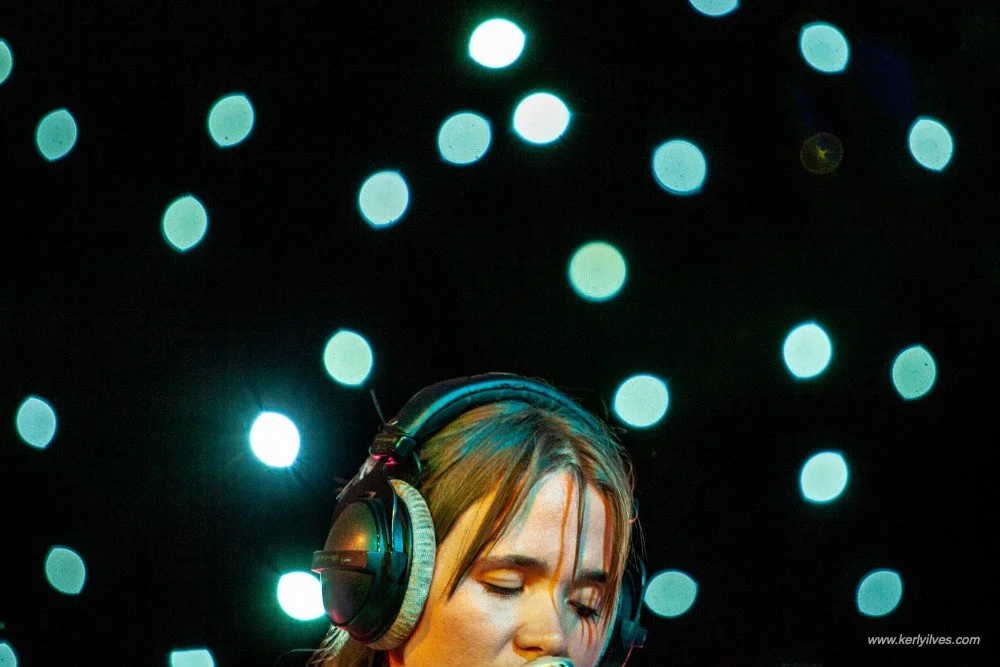
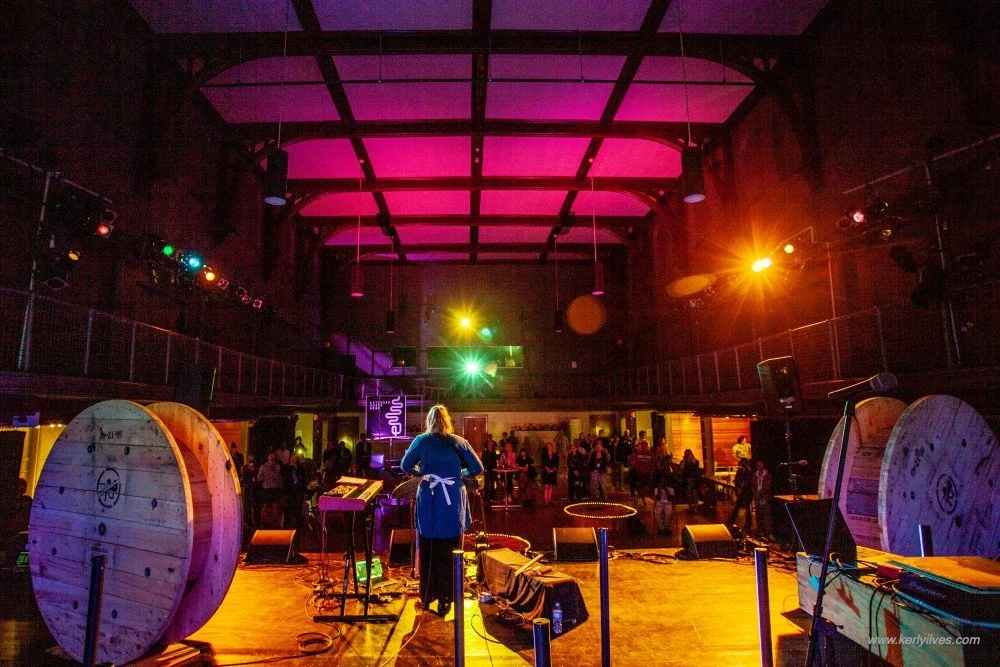
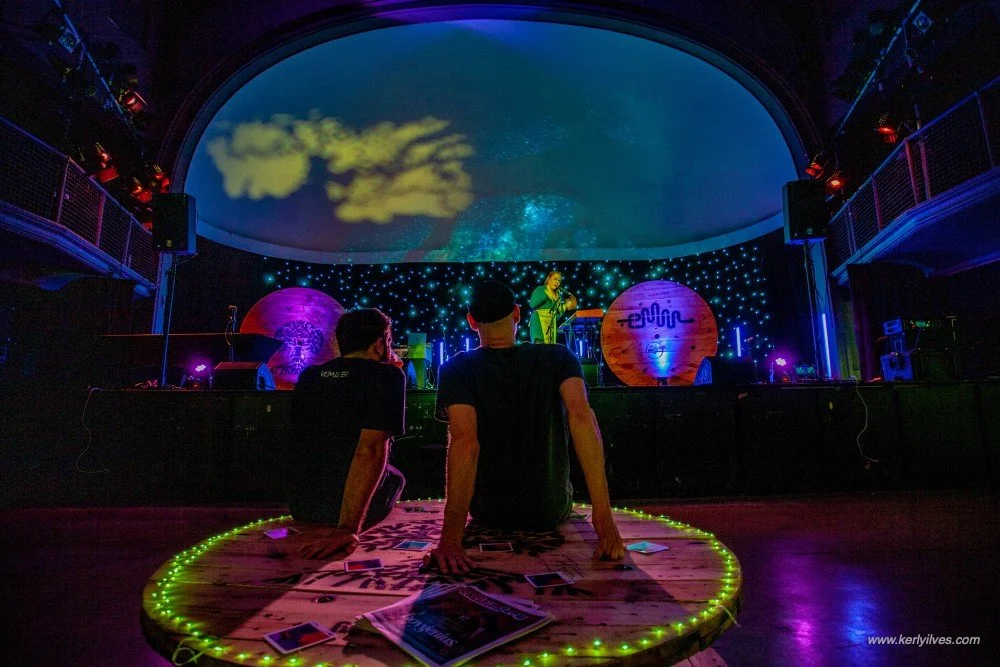
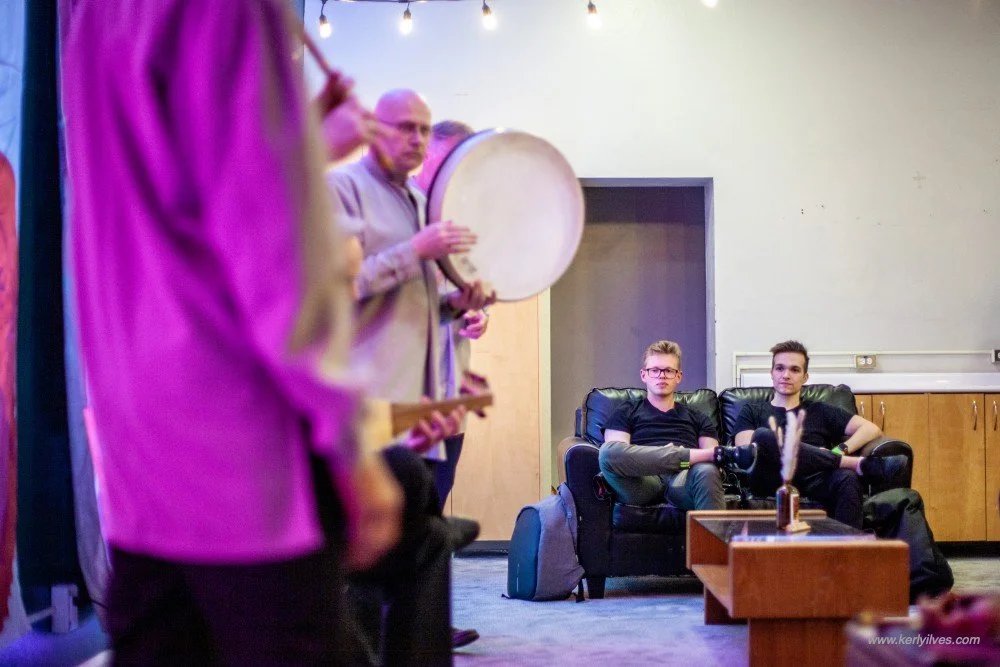
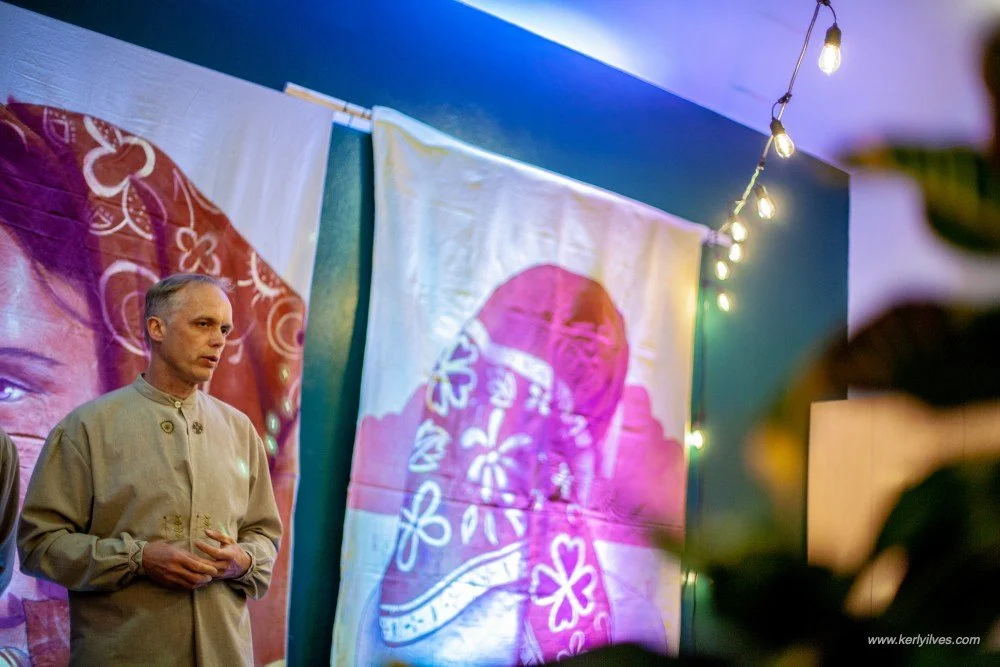
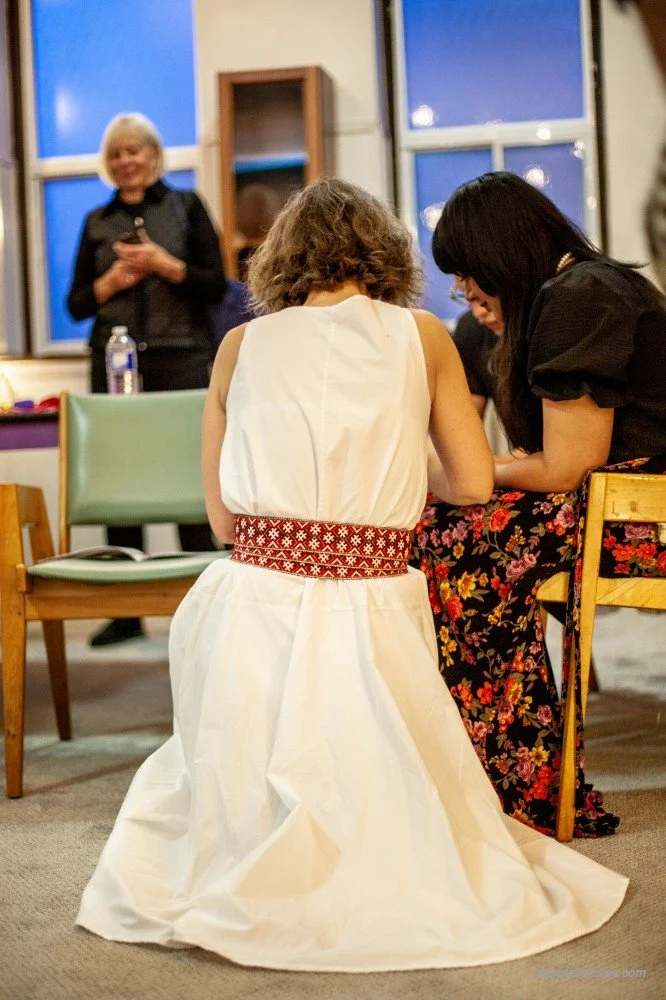
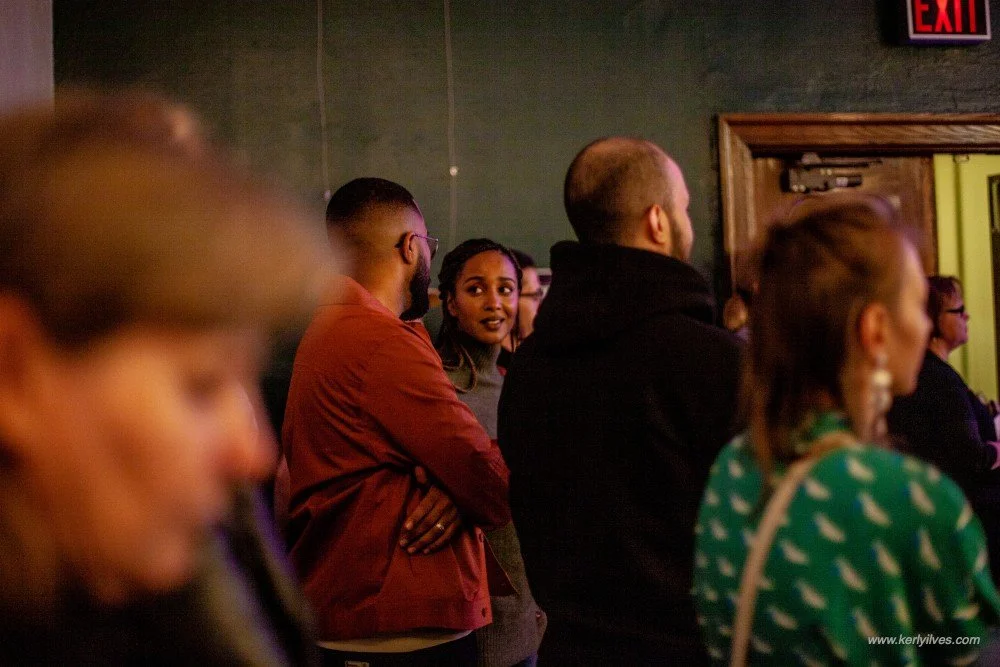
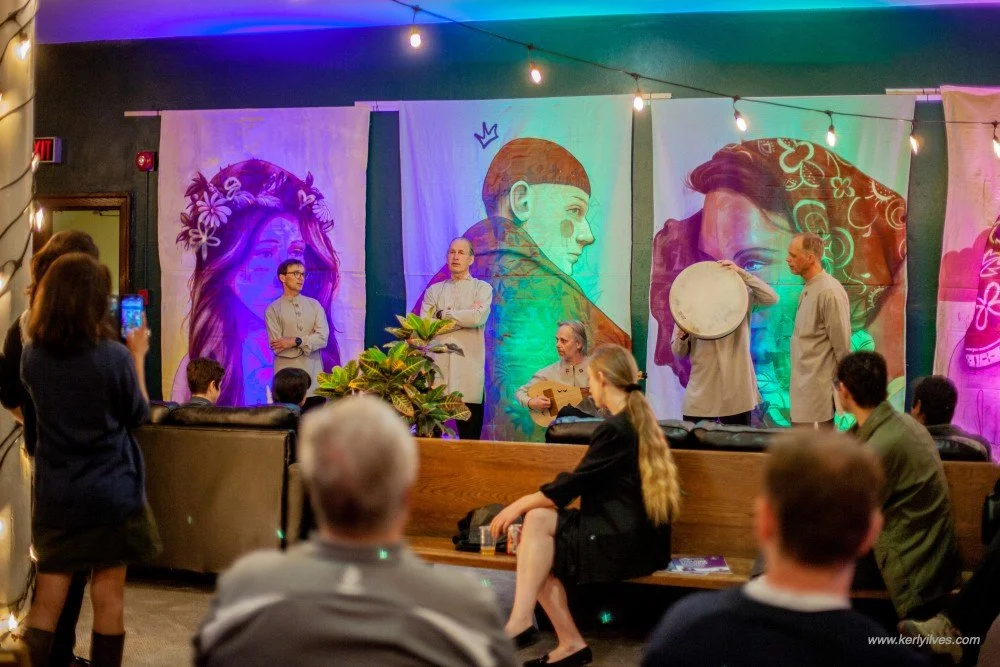
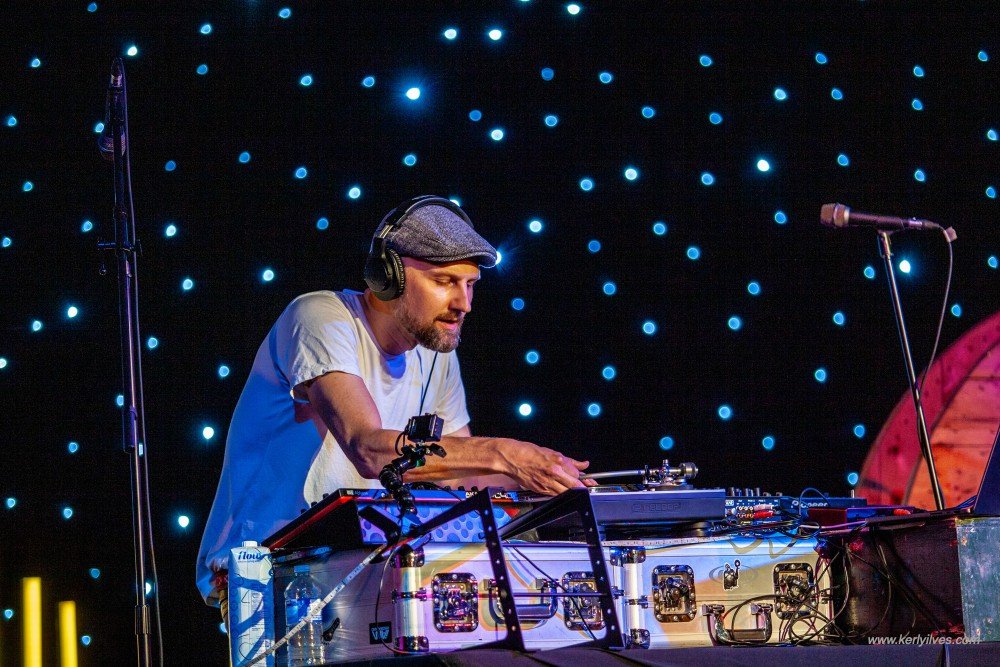
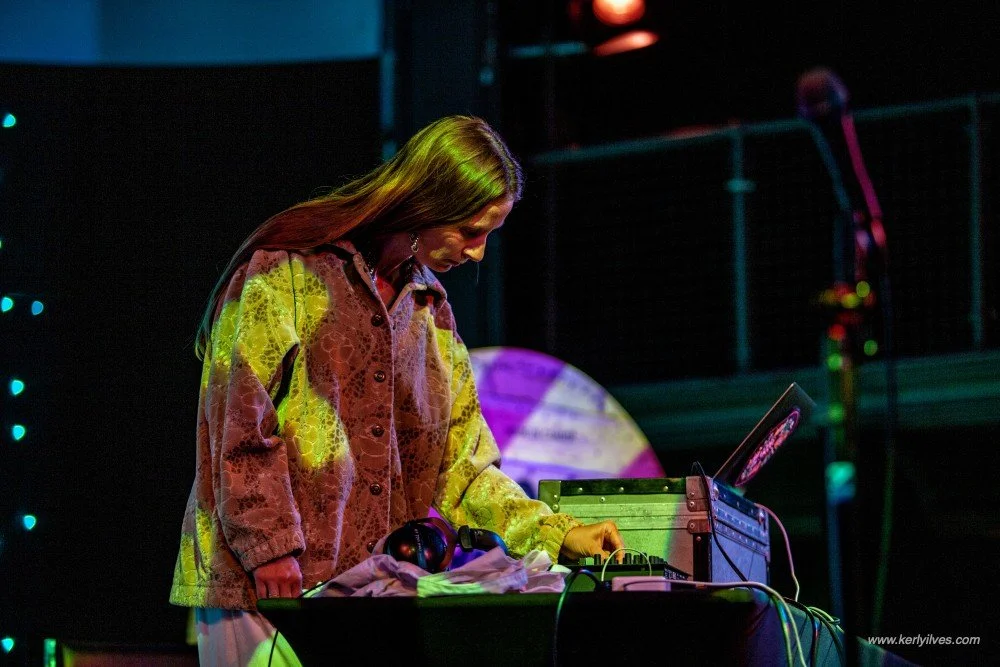
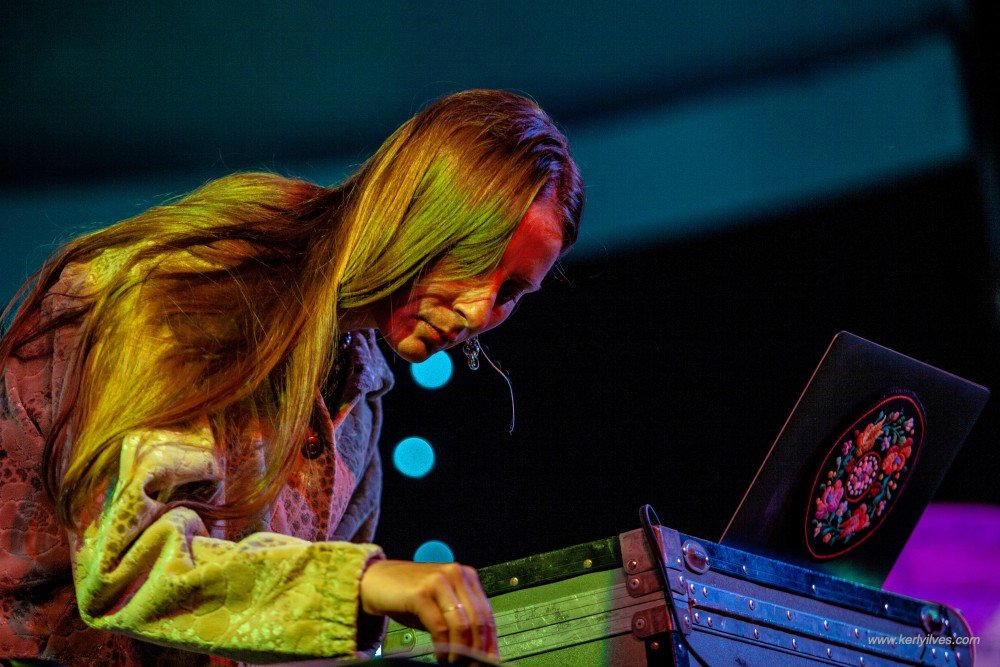
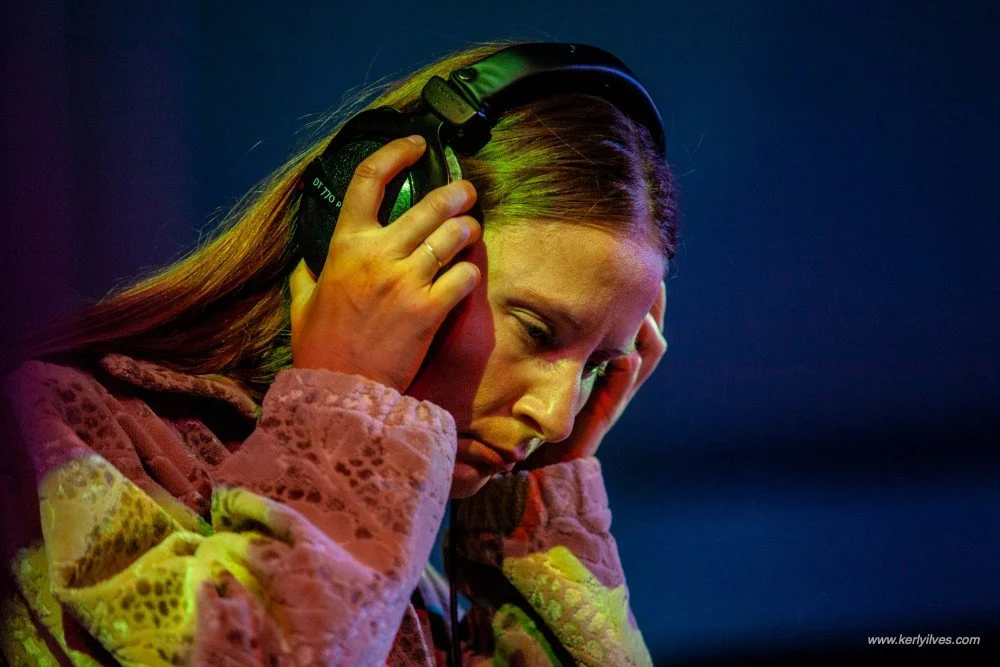
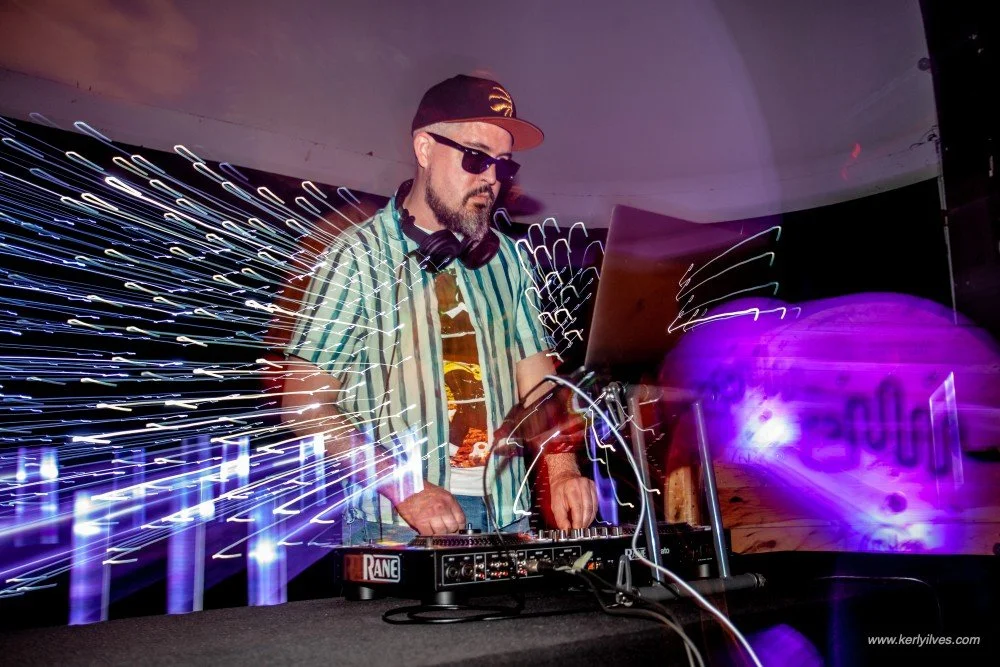
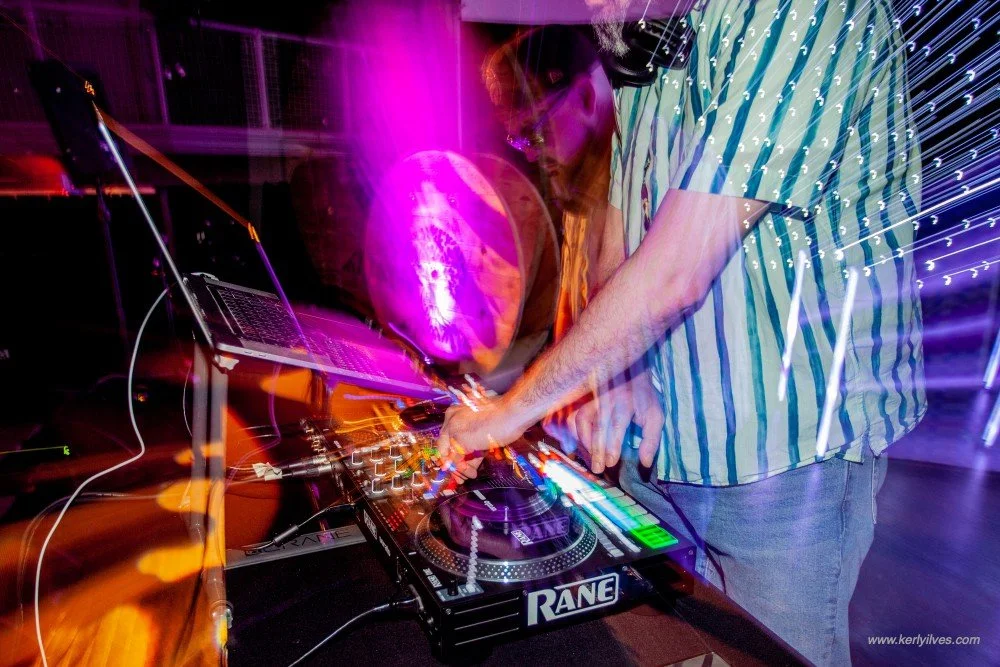
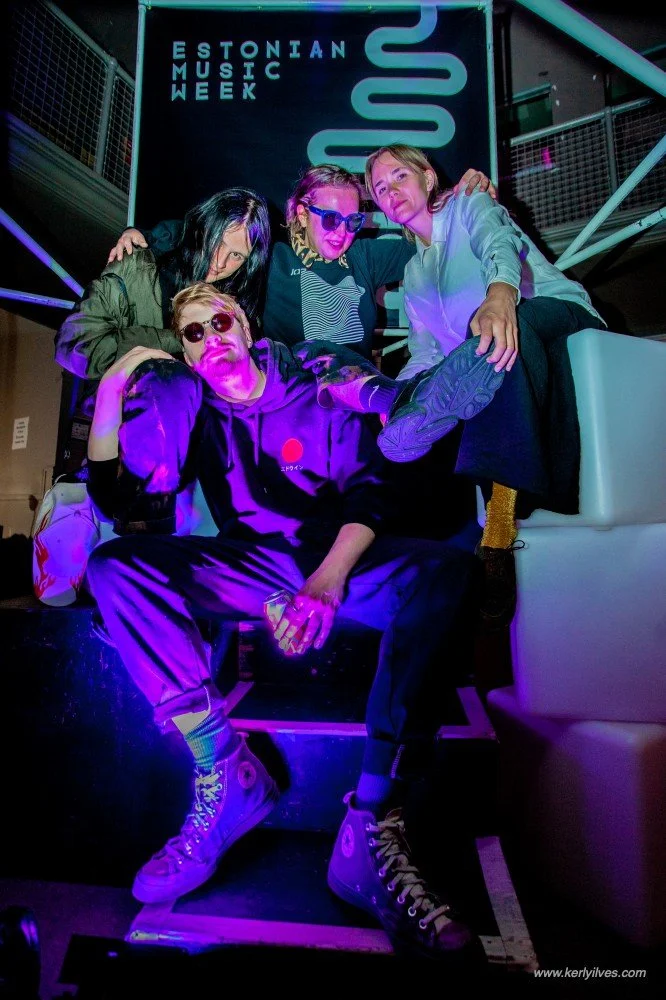
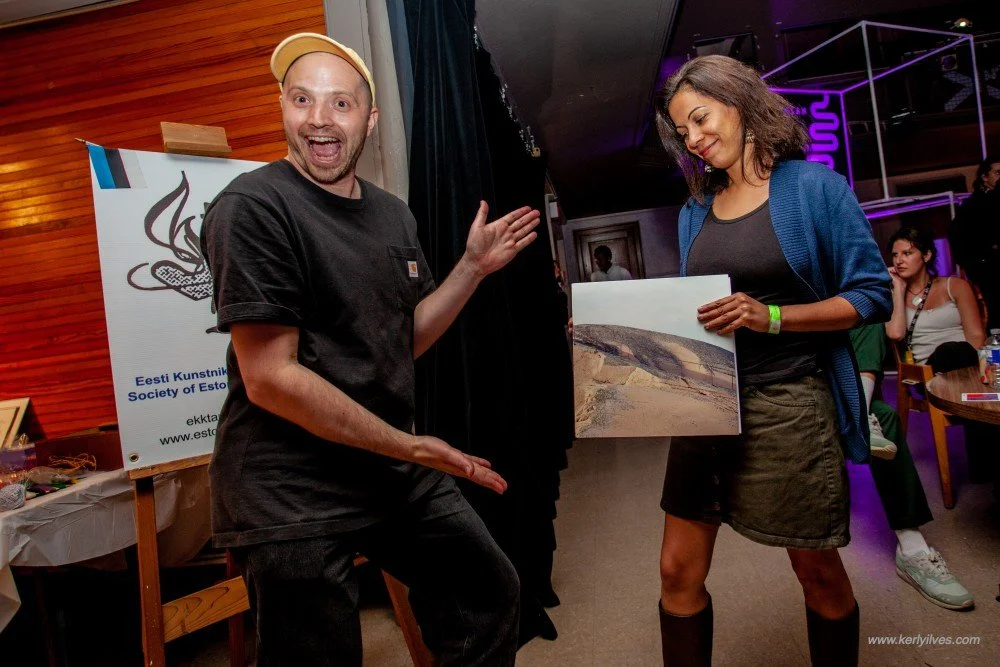
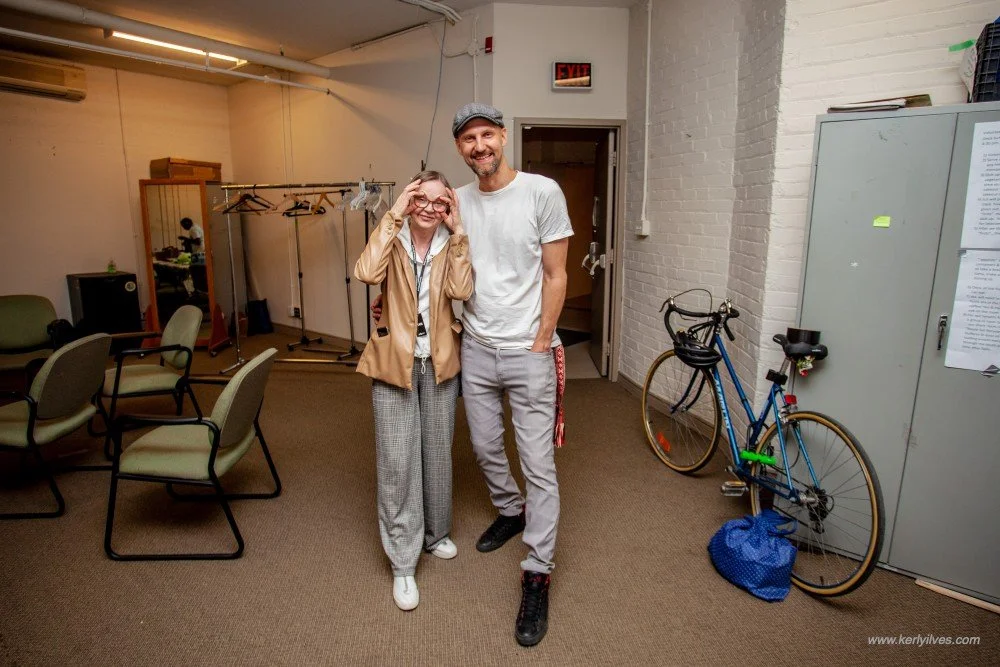
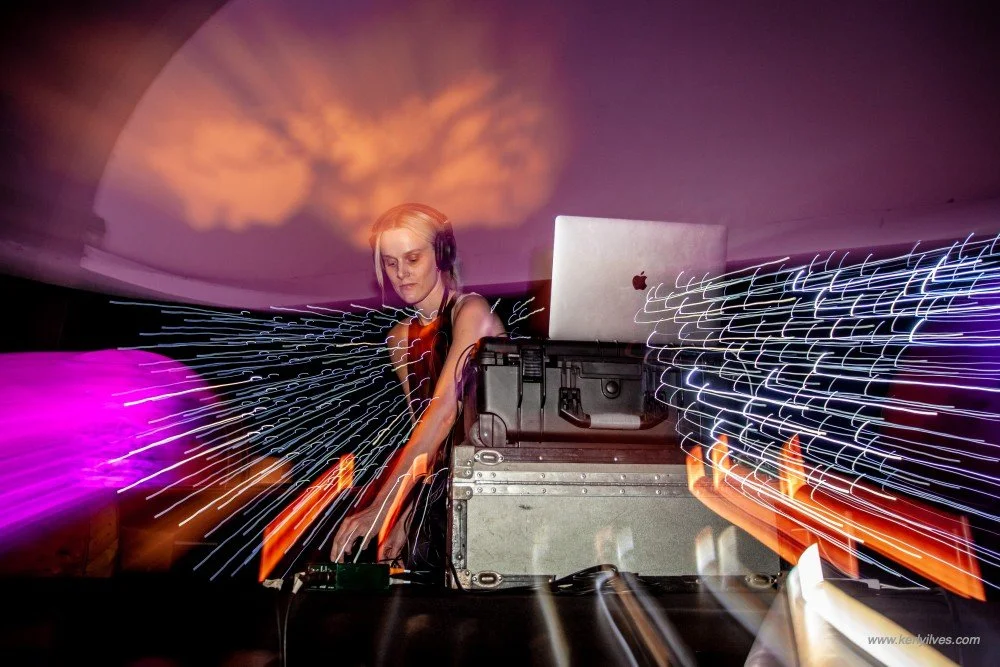
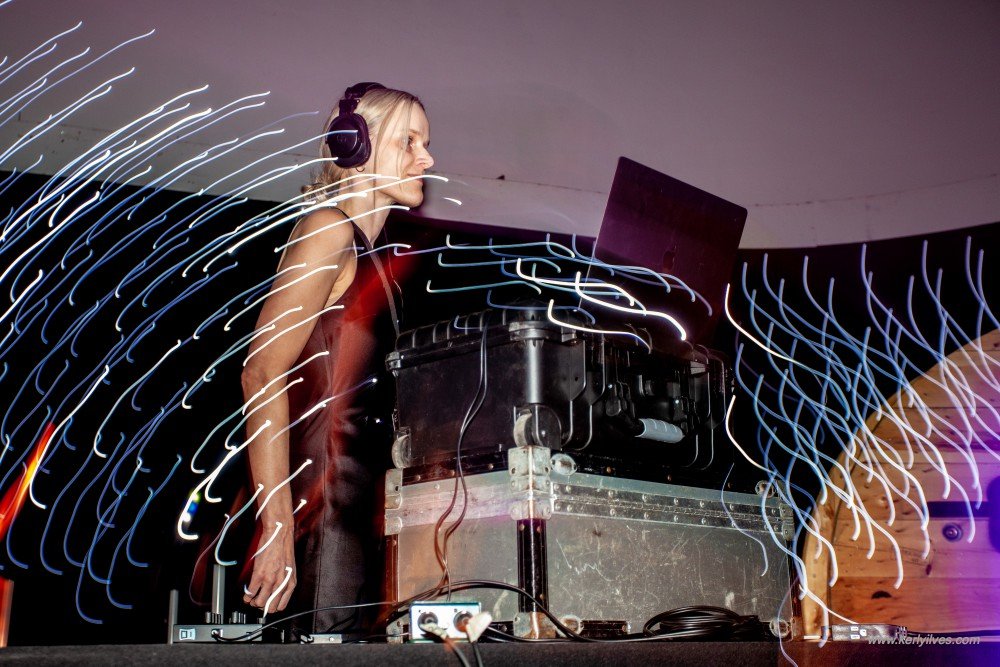
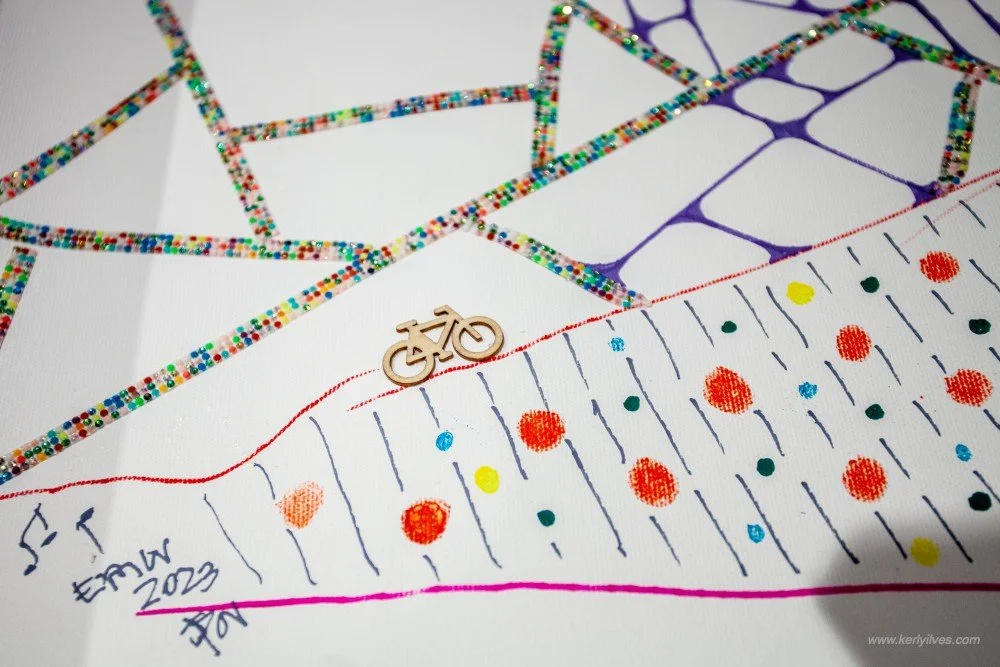
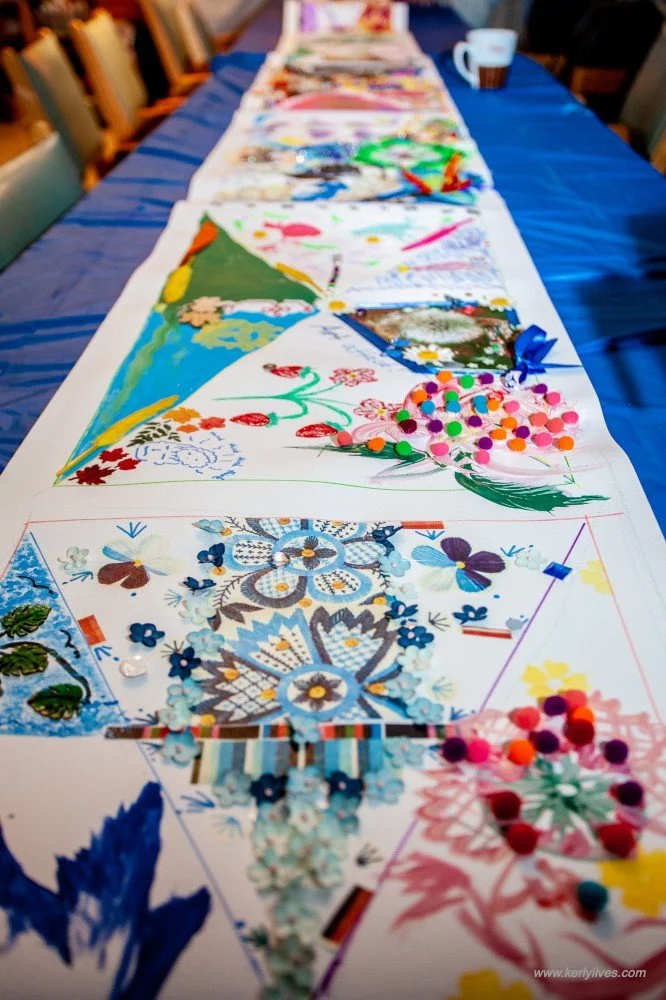
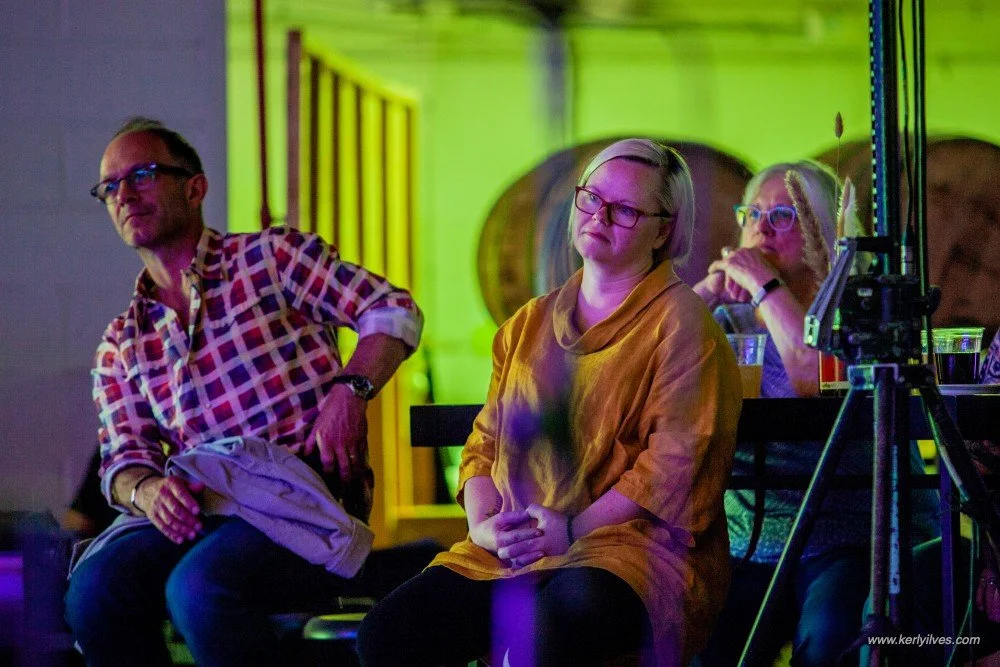
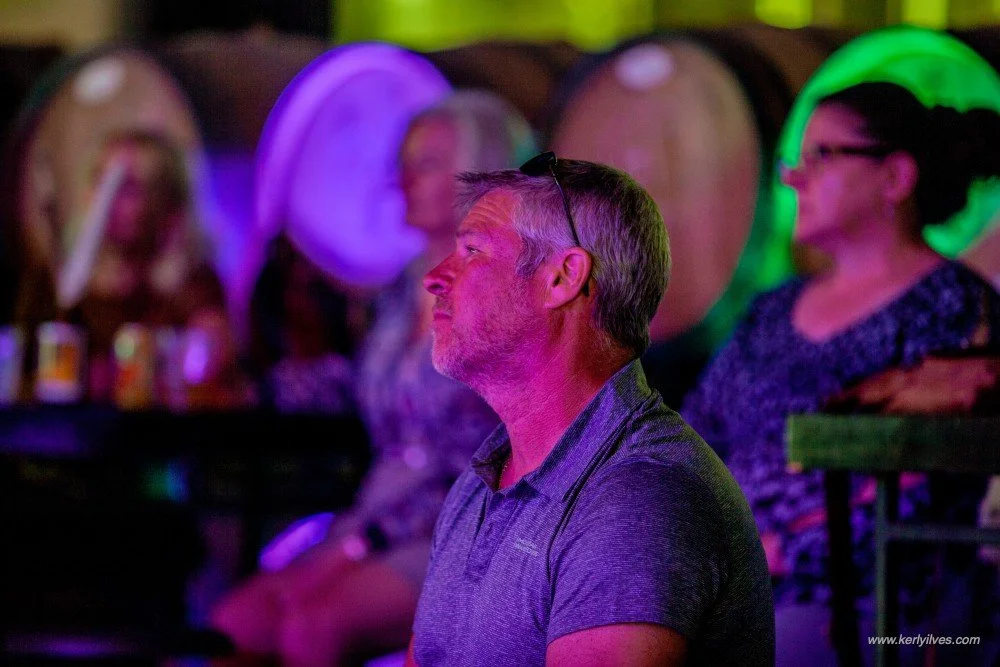
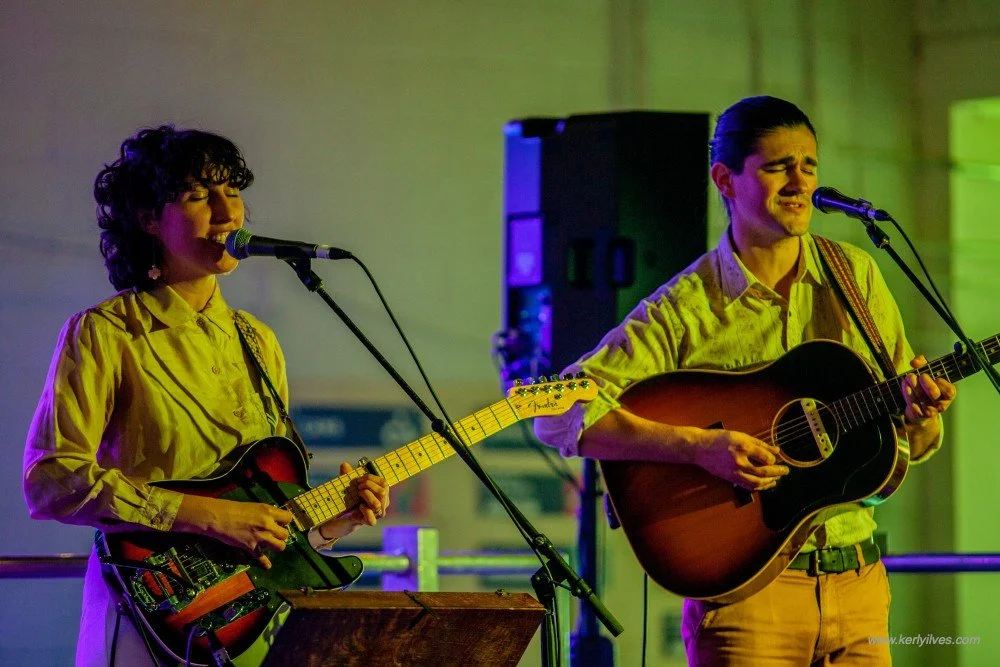
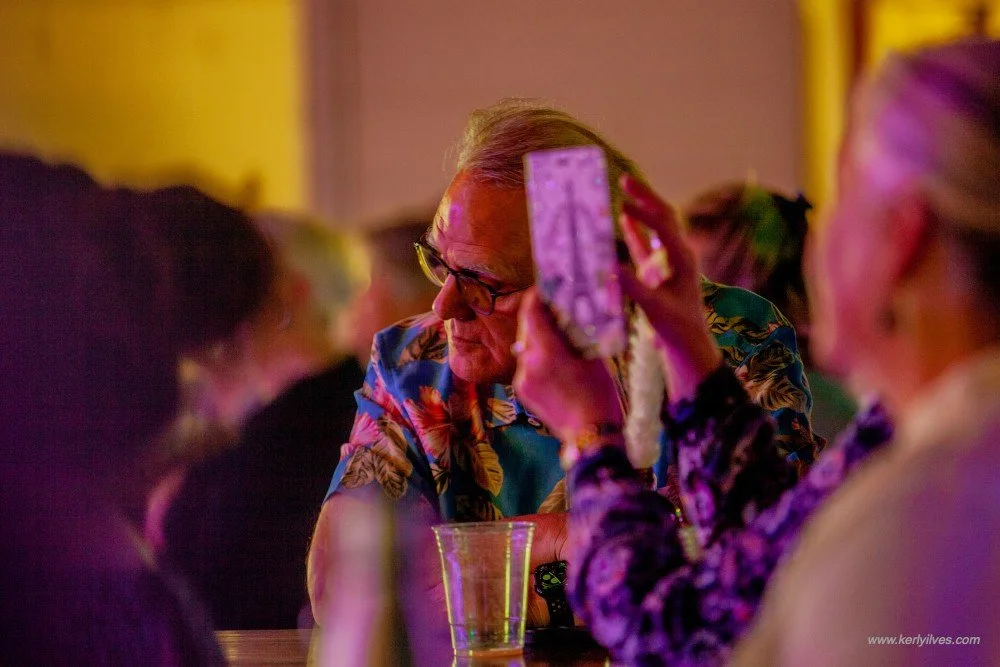
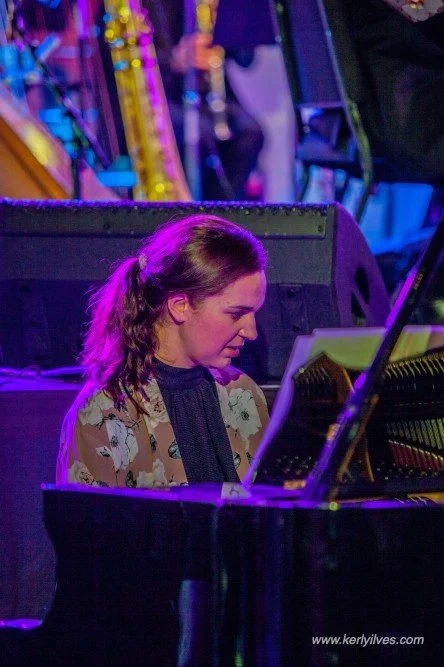
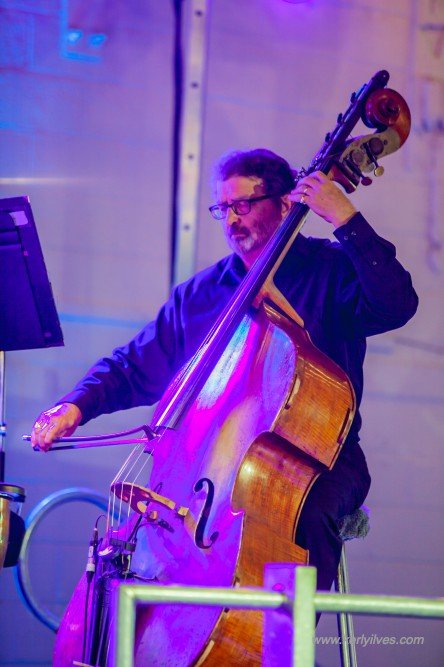
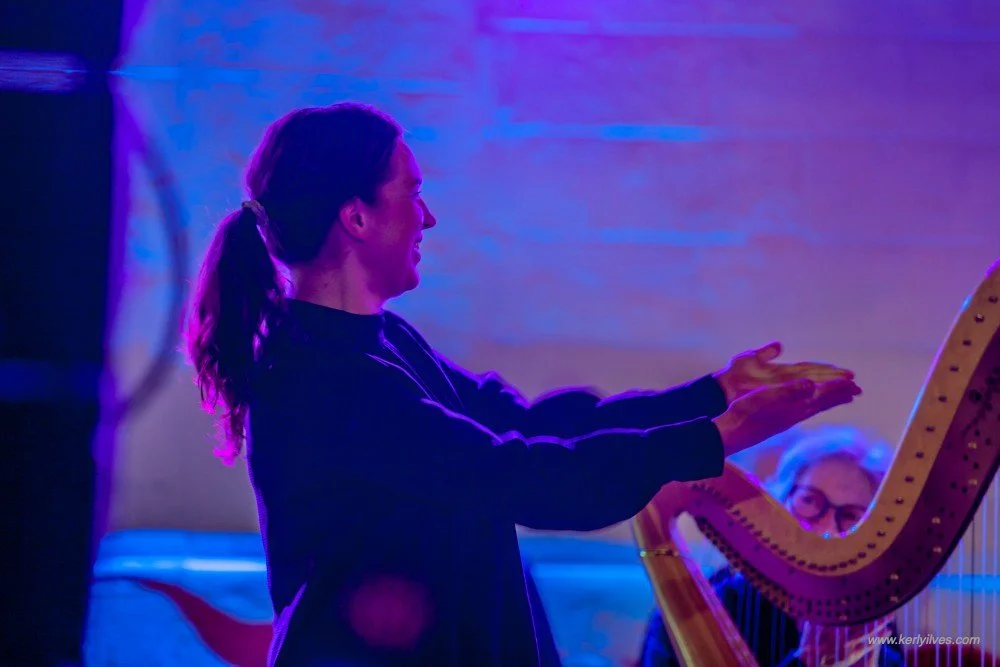
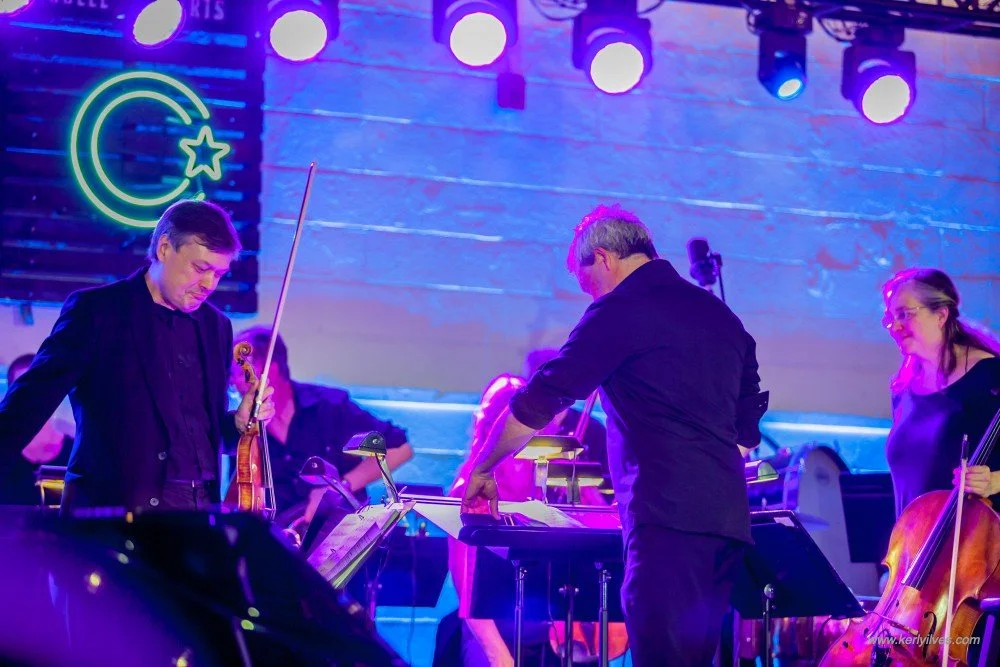
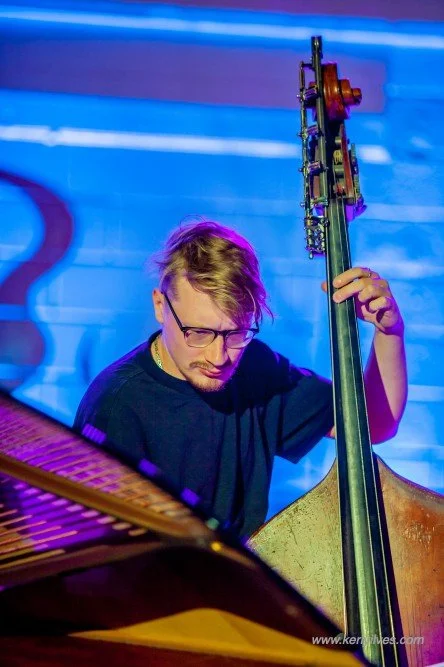
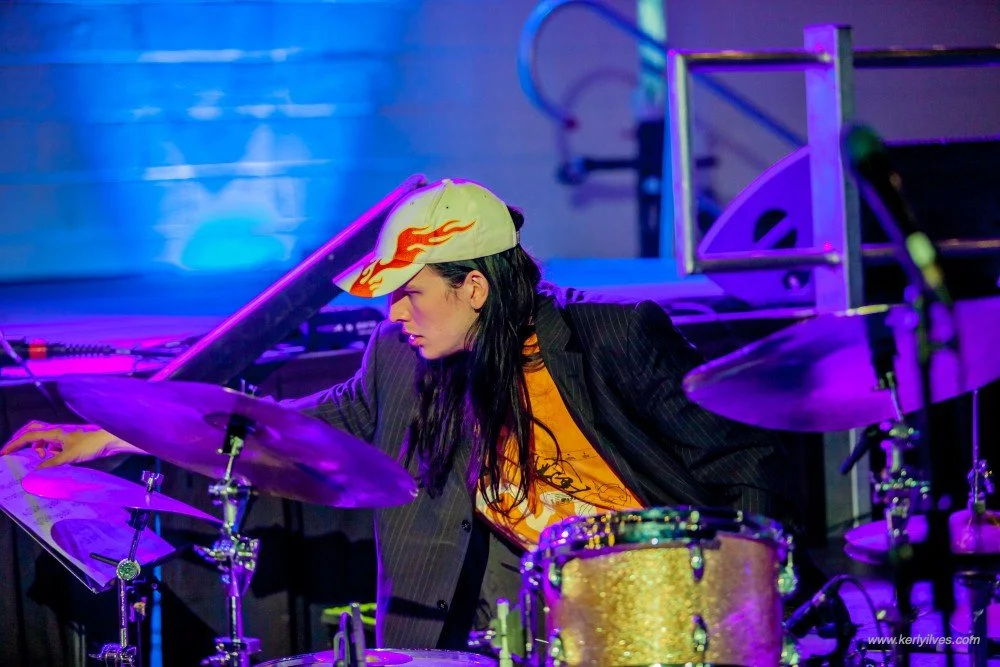
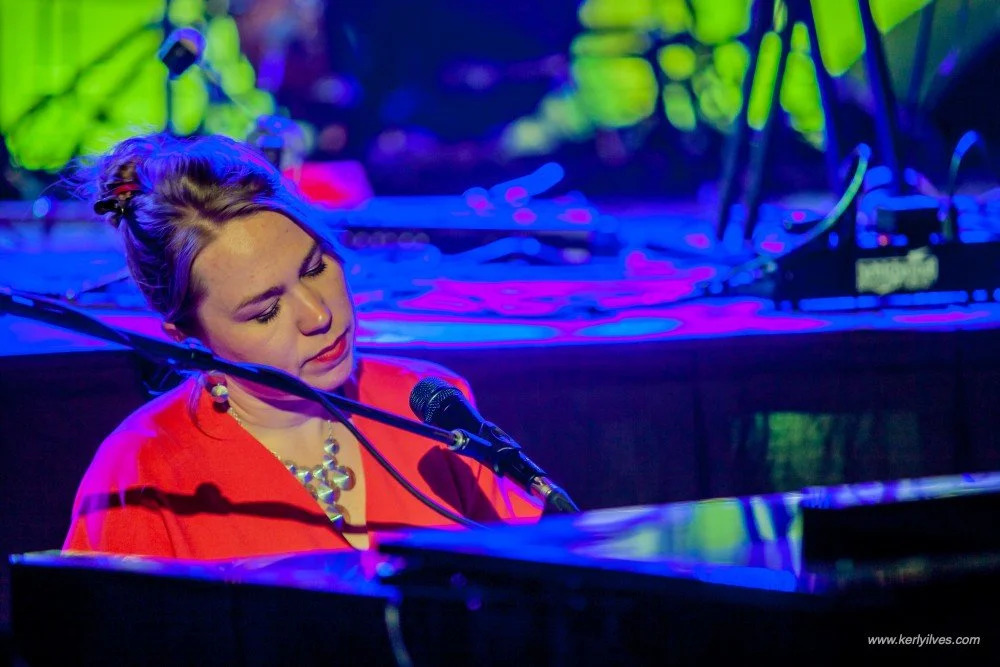
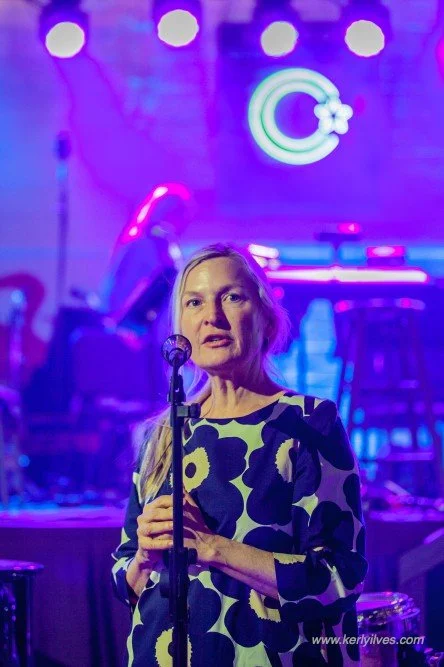
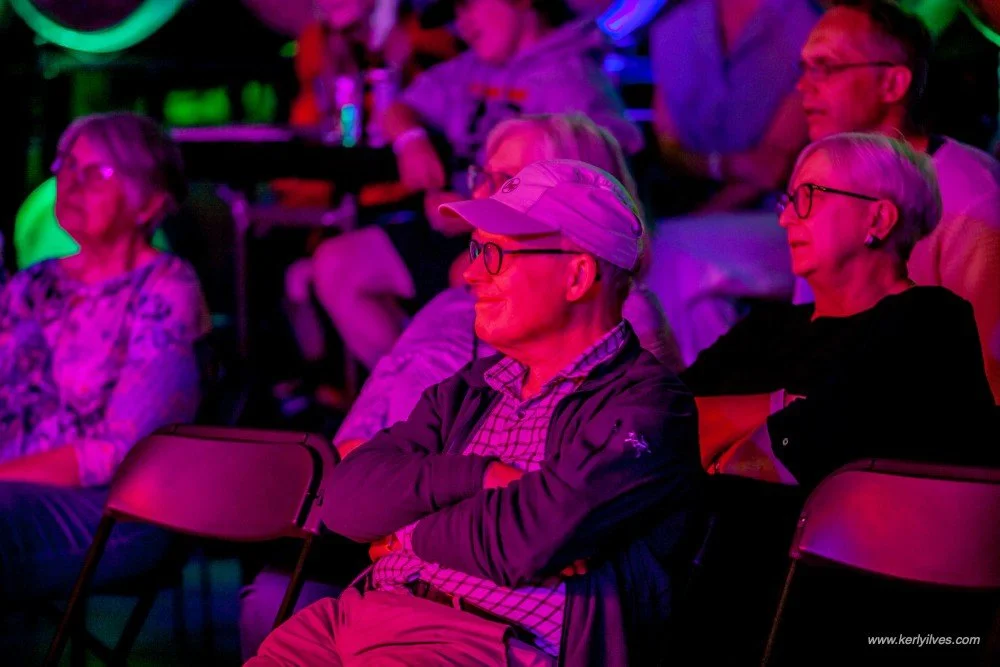
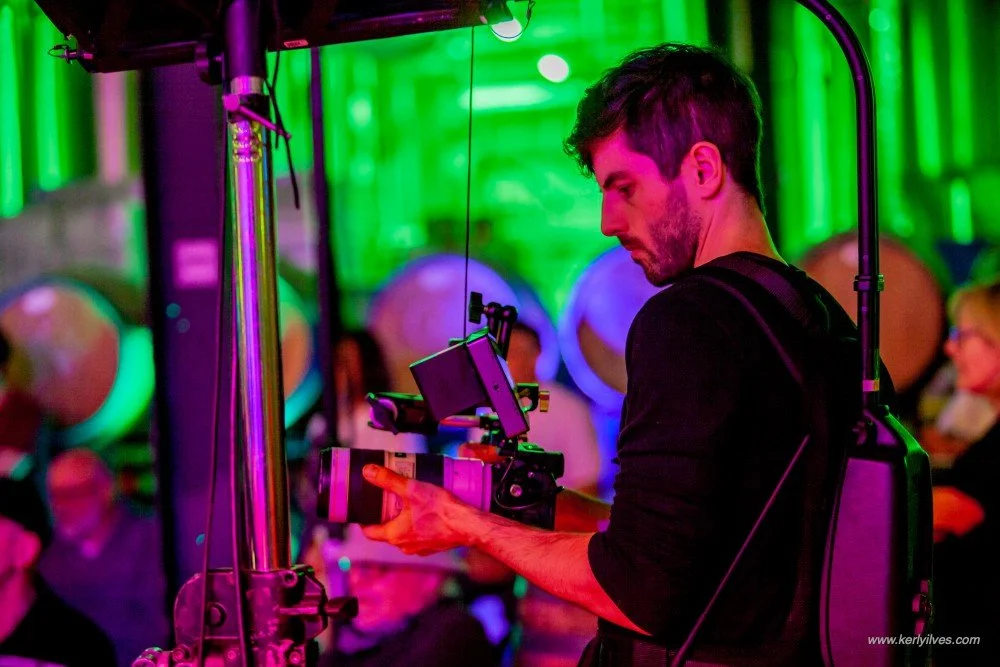
Gallery: Estonian Music Week 2023
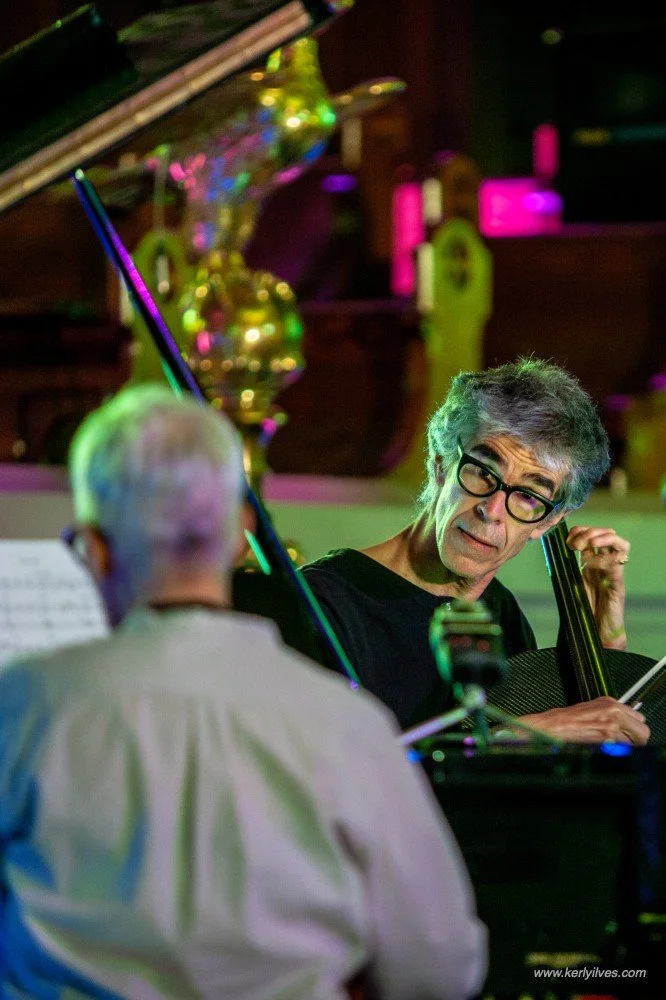
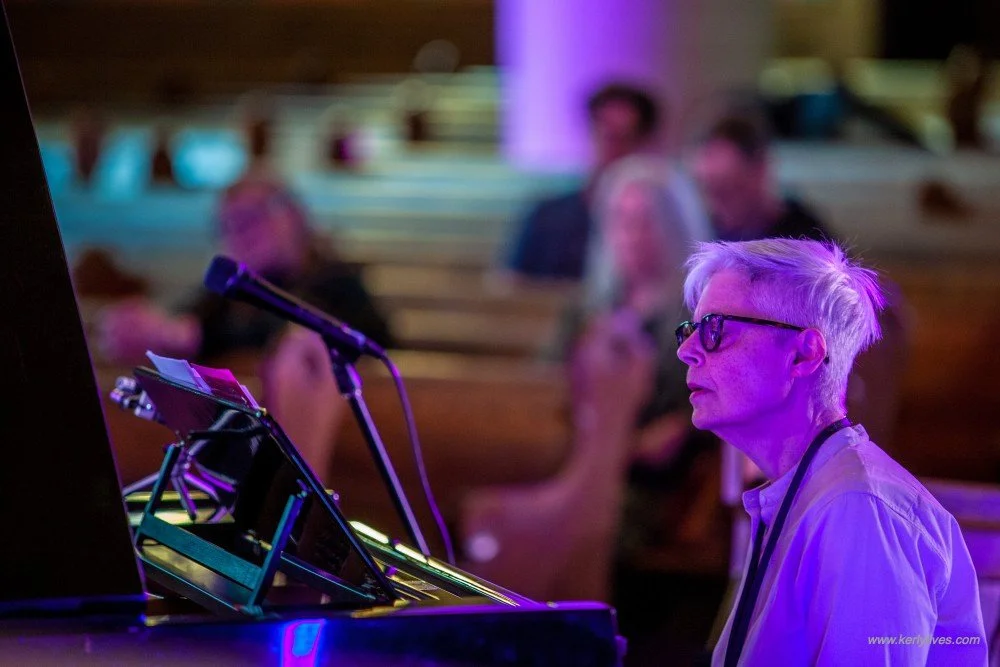
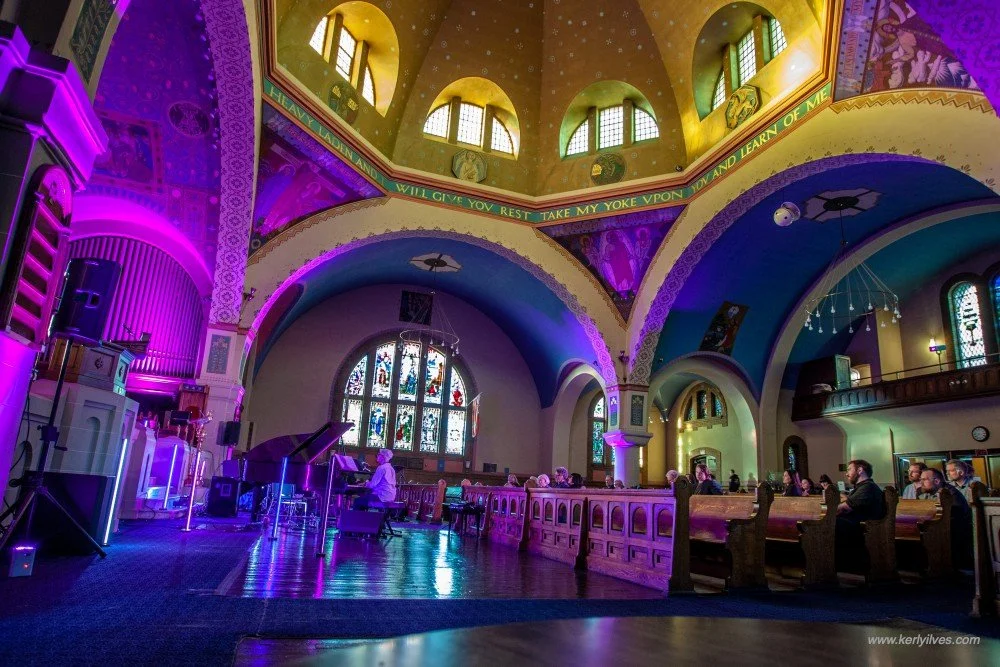
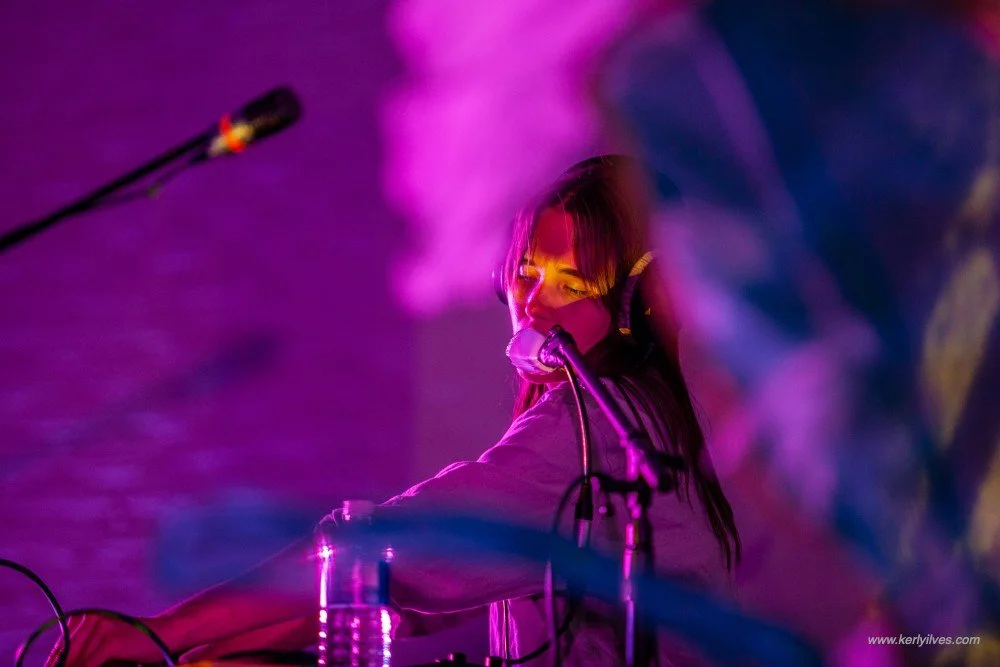
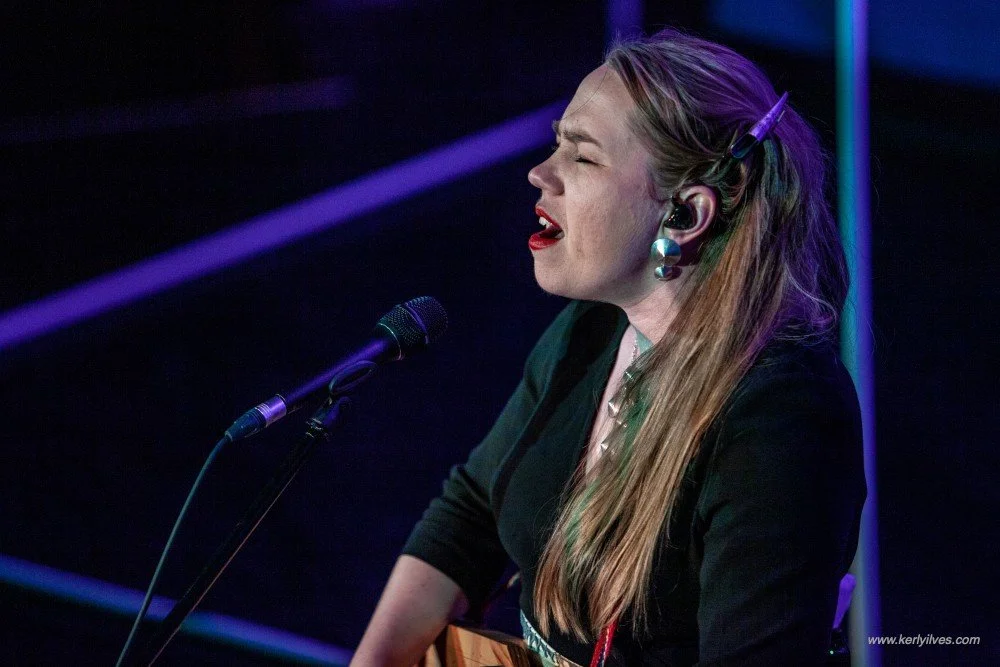
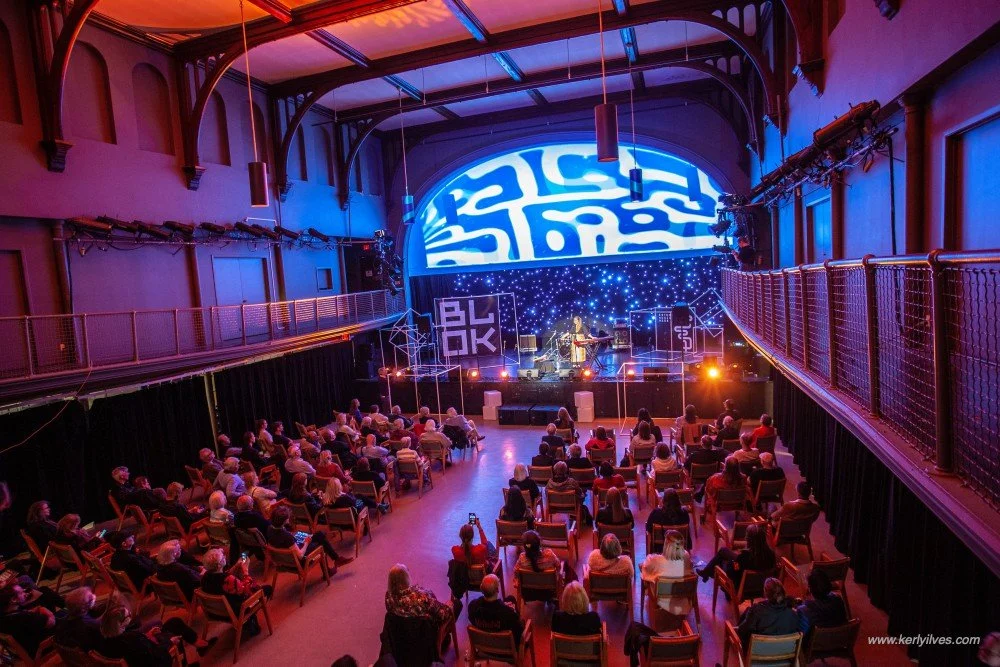
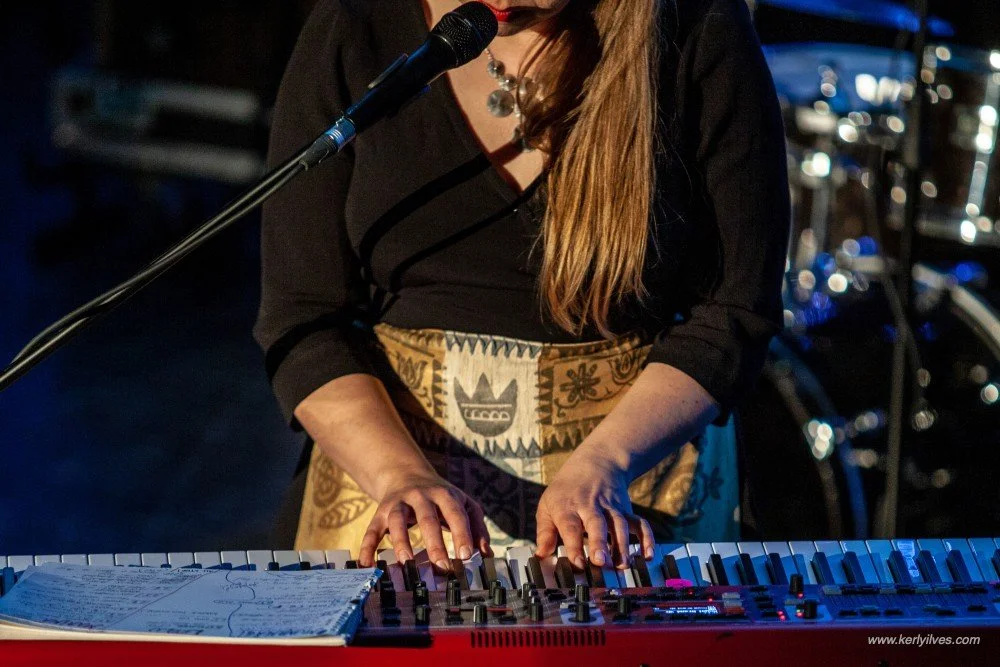
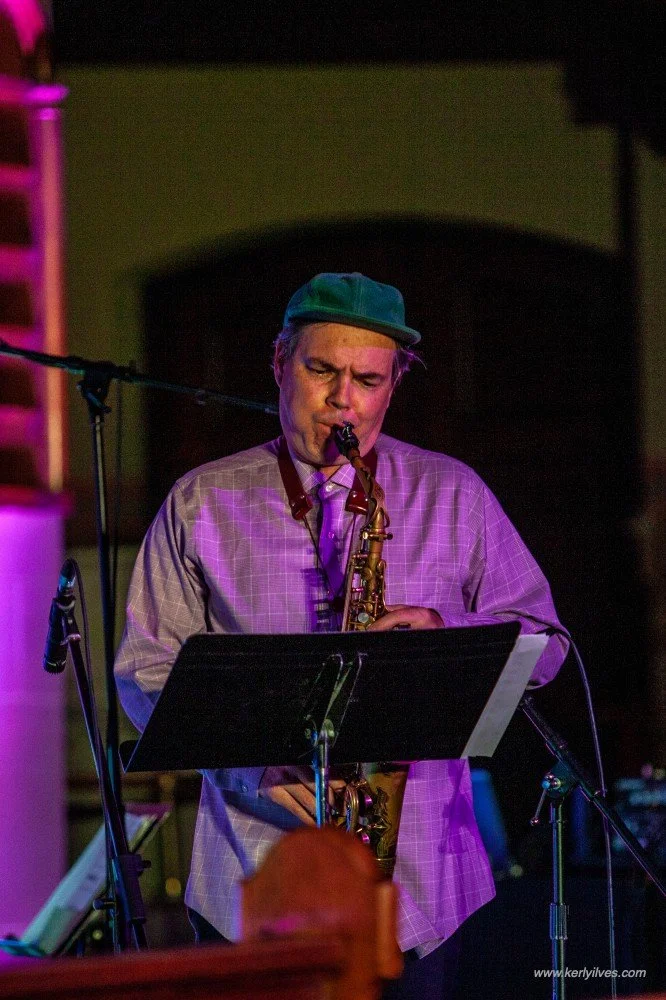
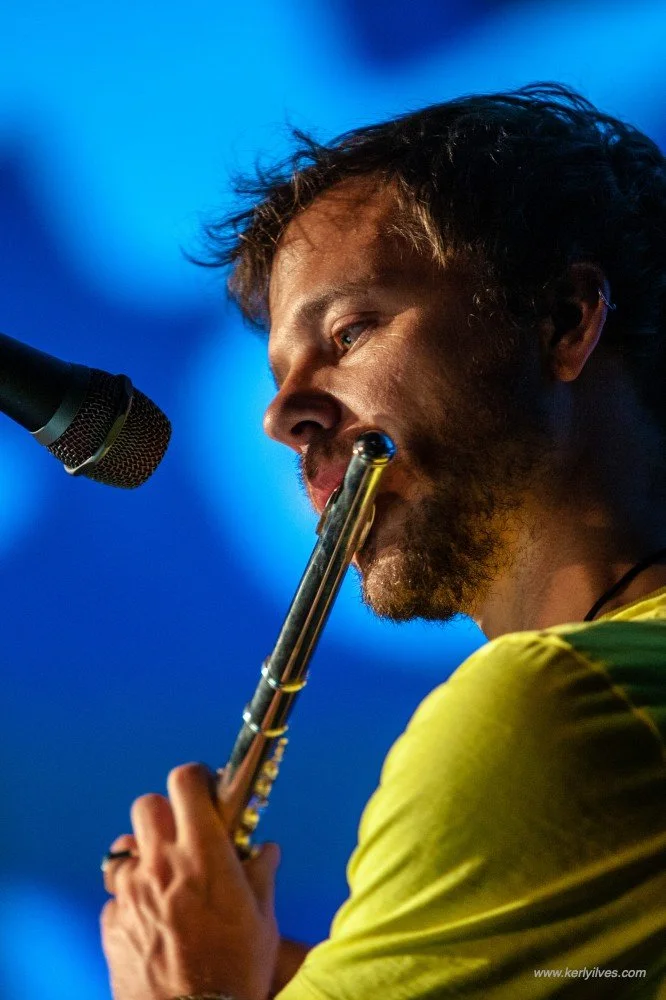
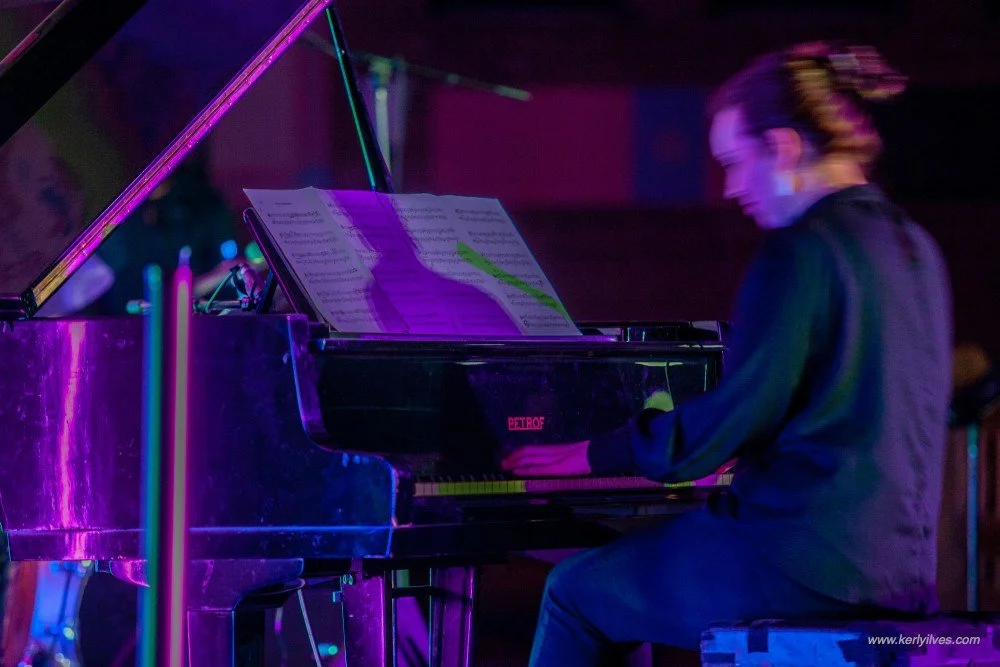
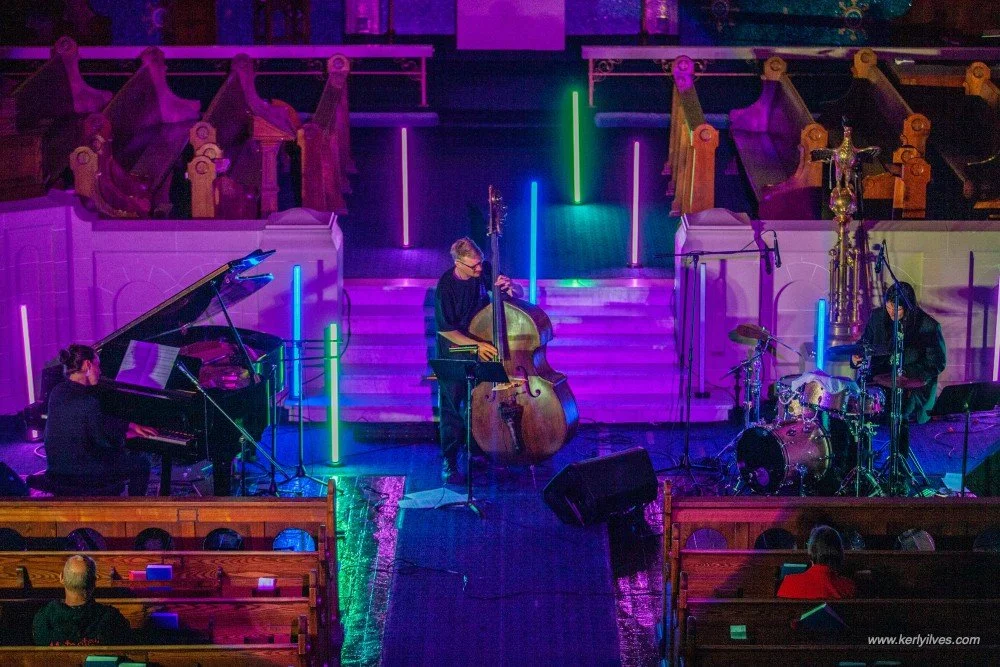
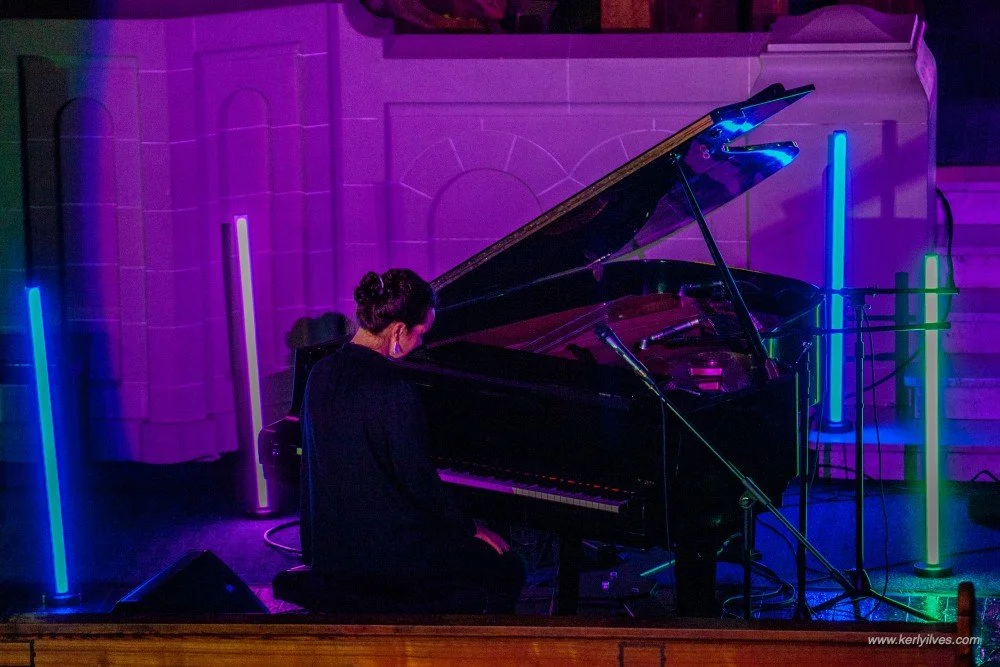
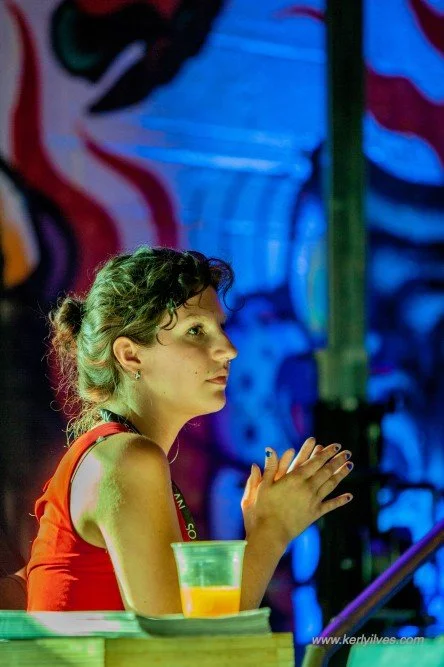
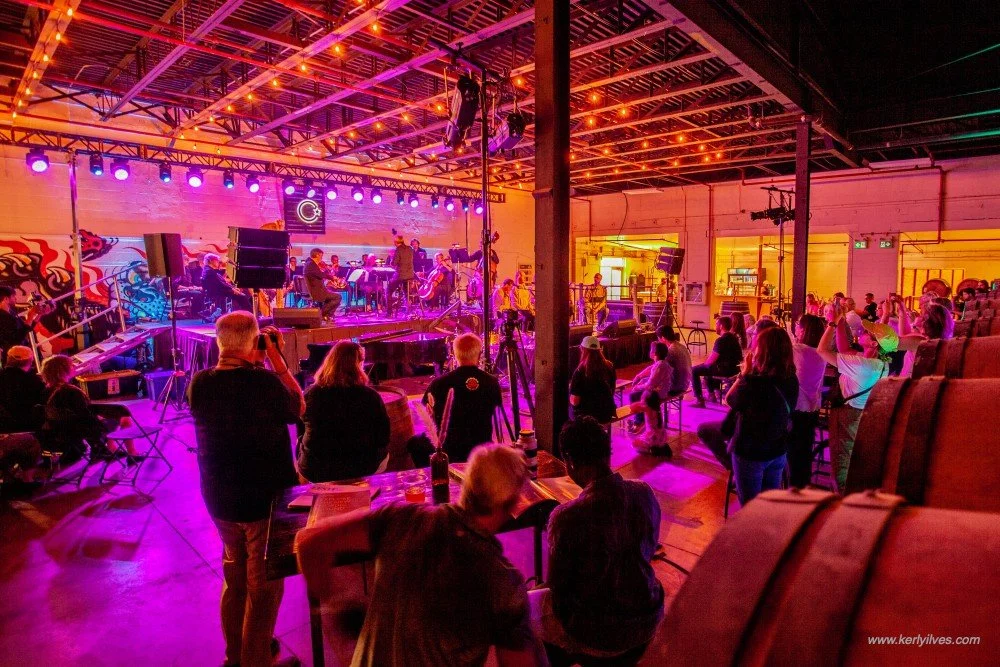
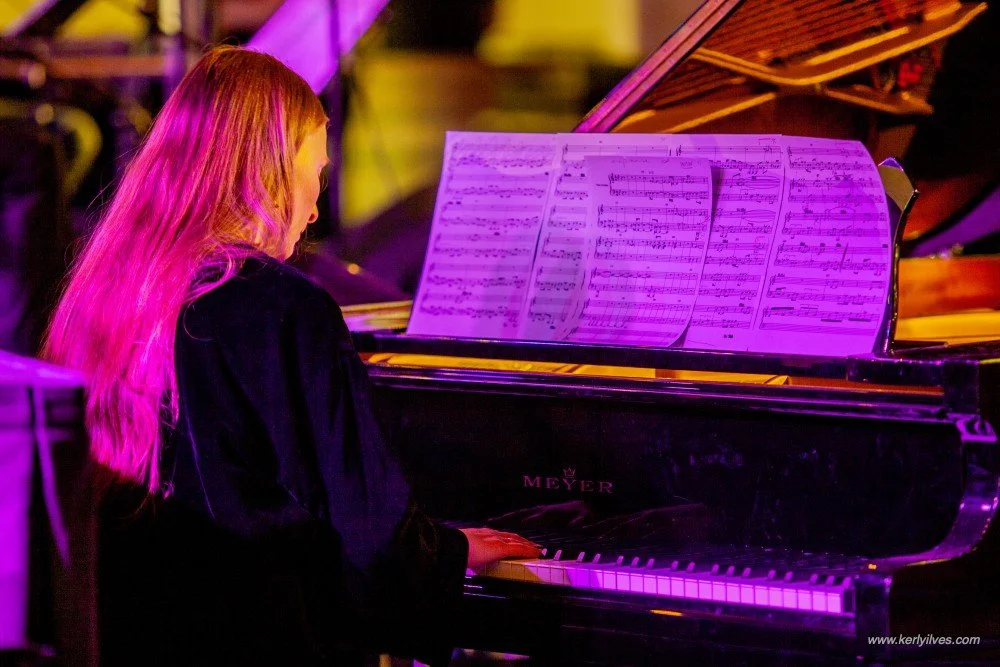
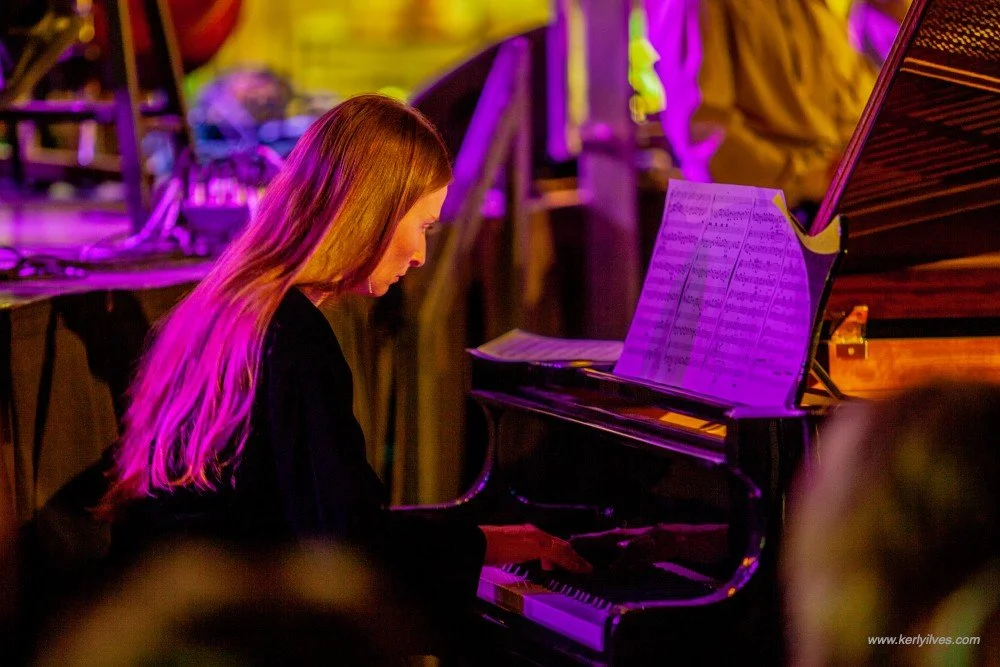
Photos by Kerly Ilves | @kerlyilvesphotography
May 24: Launch Party

May 25: Folk, Electronica & Jazz at St. Anne’s Anglican Church and Parish Hall



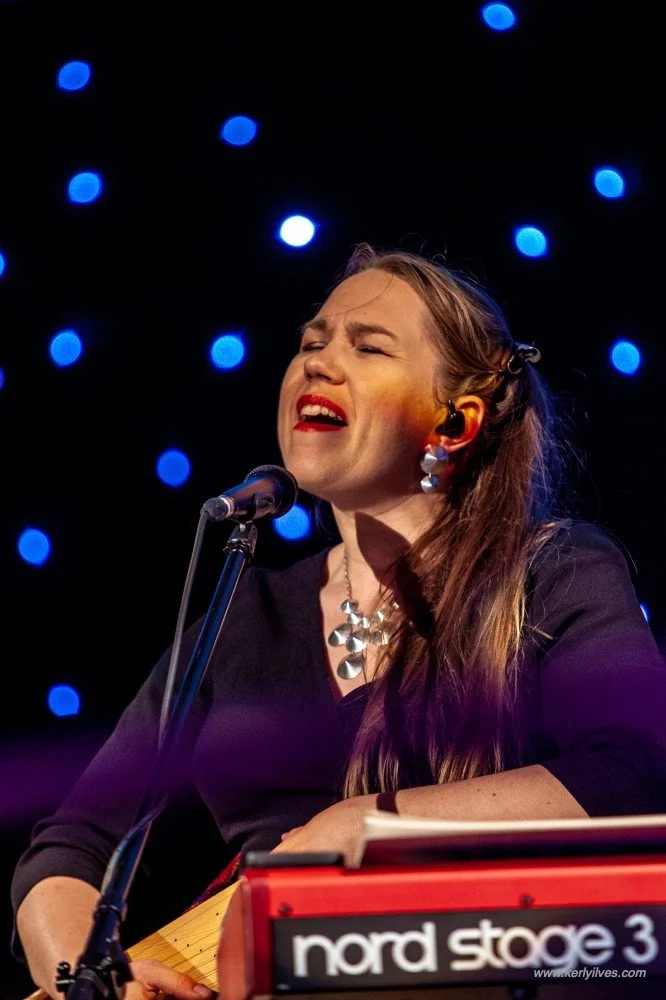
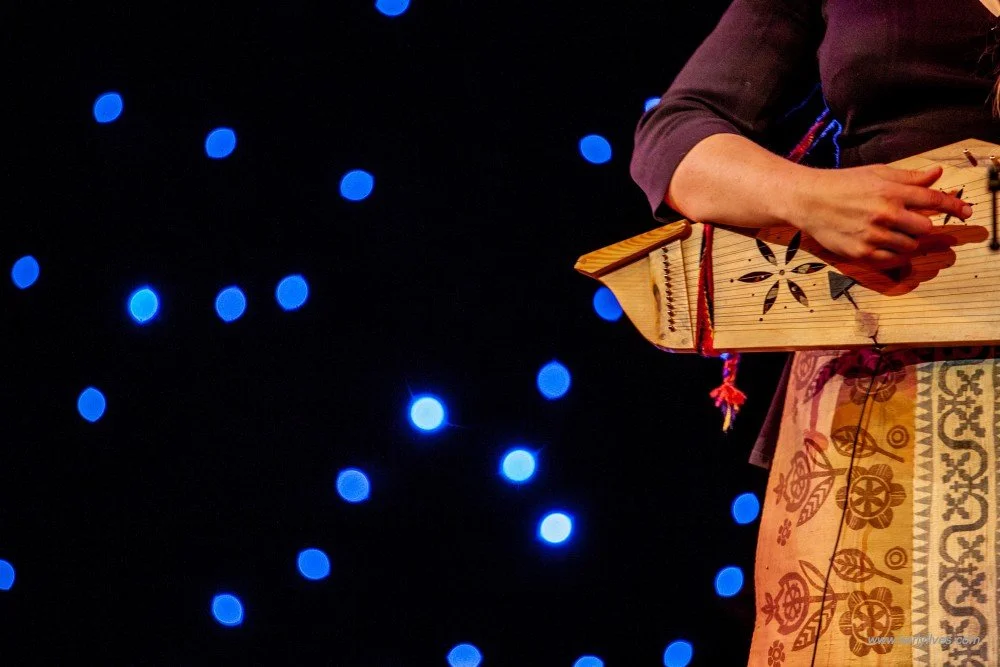
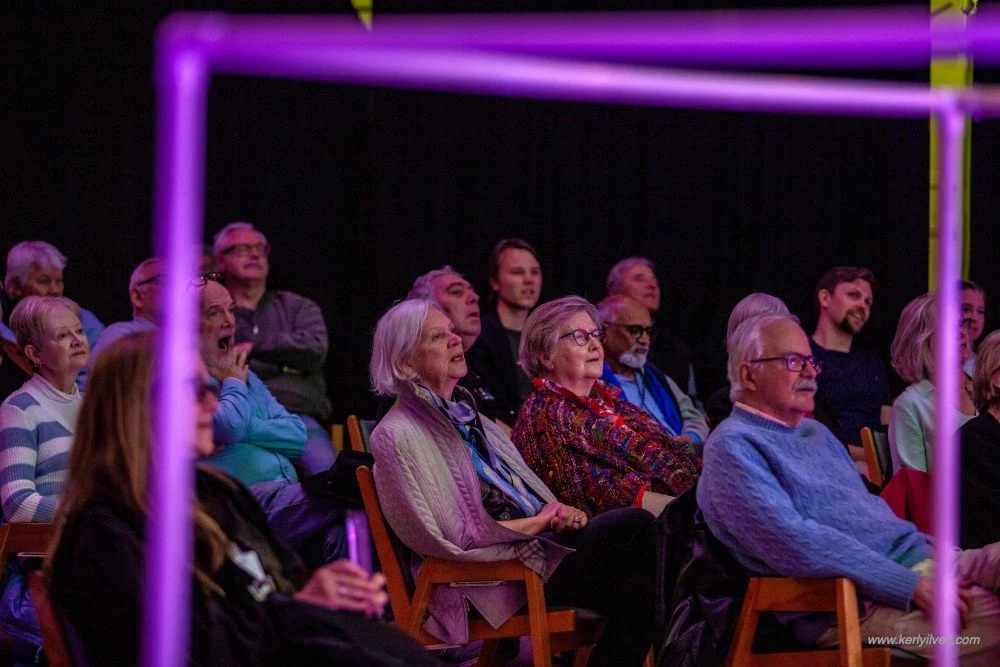
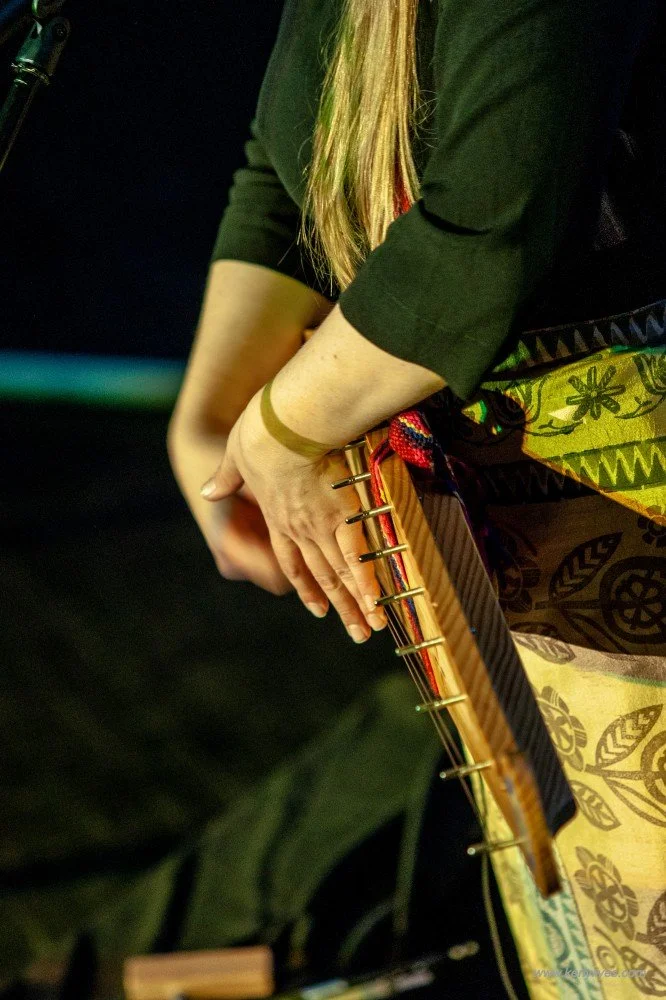
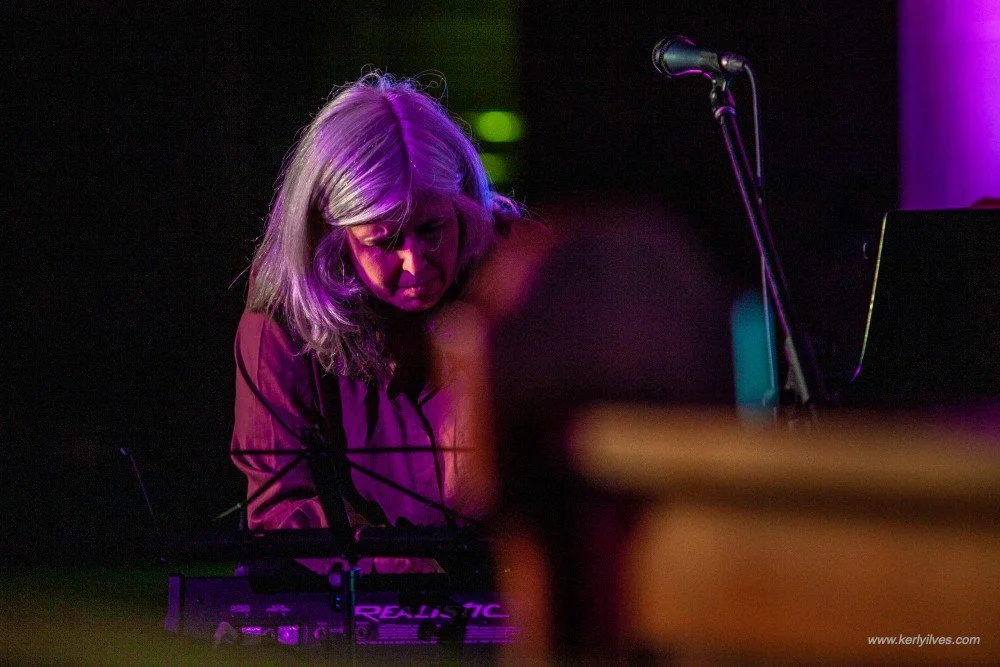
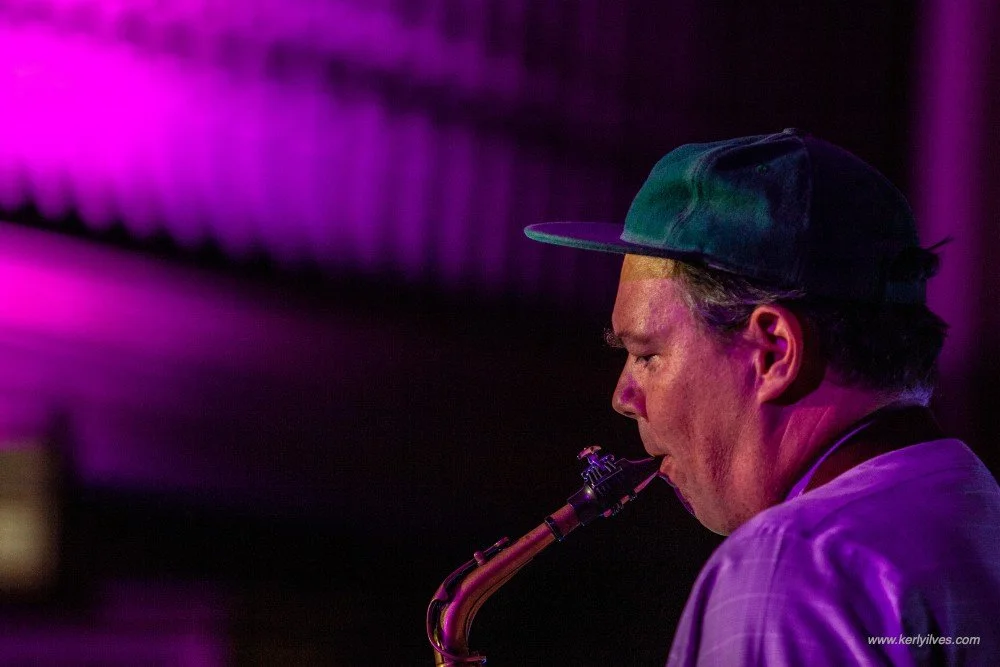
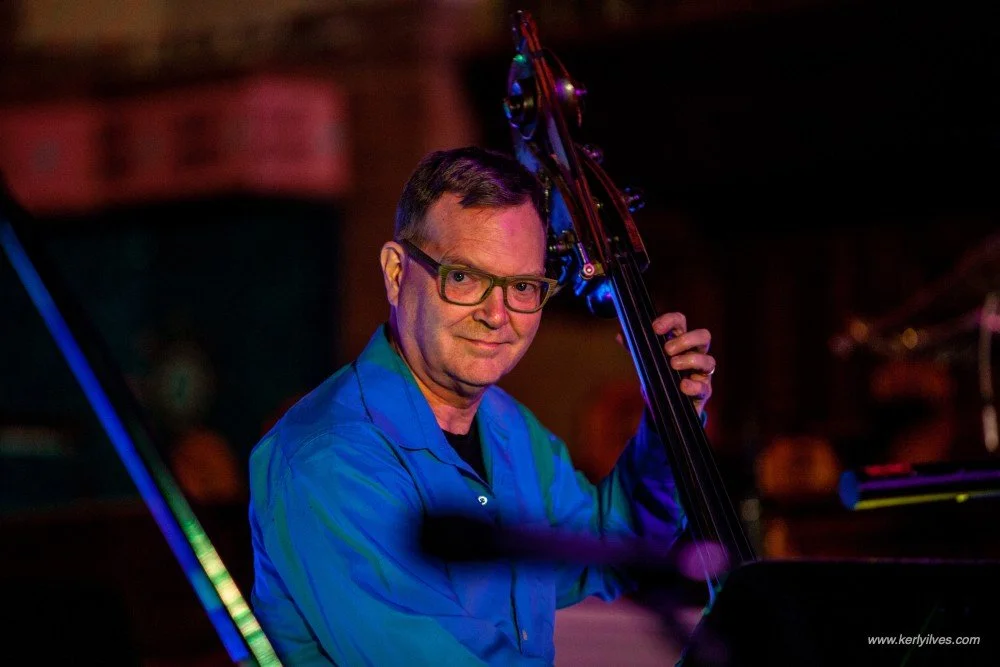
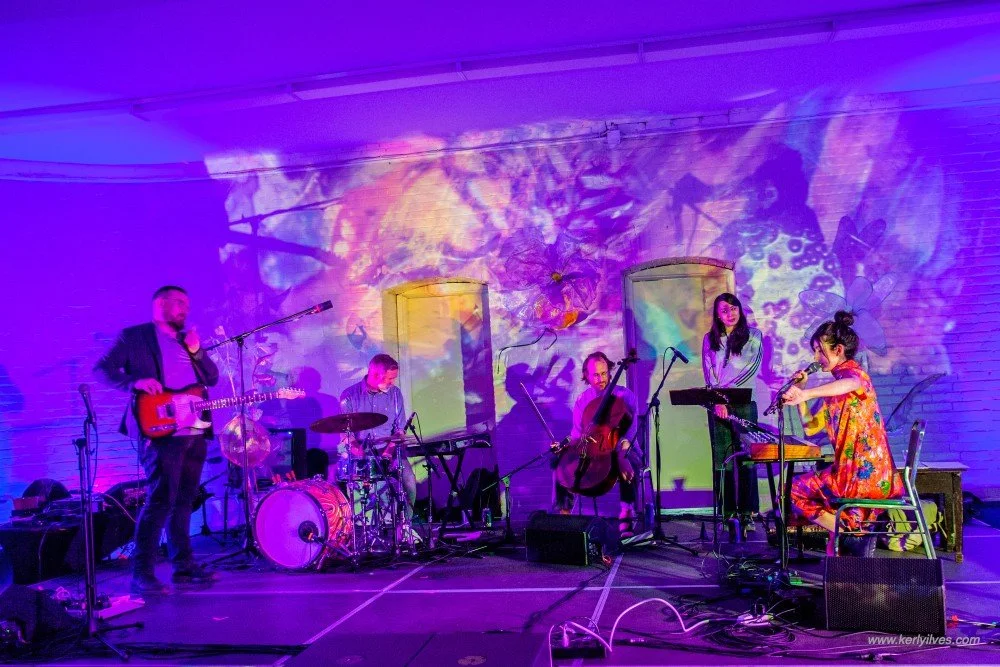
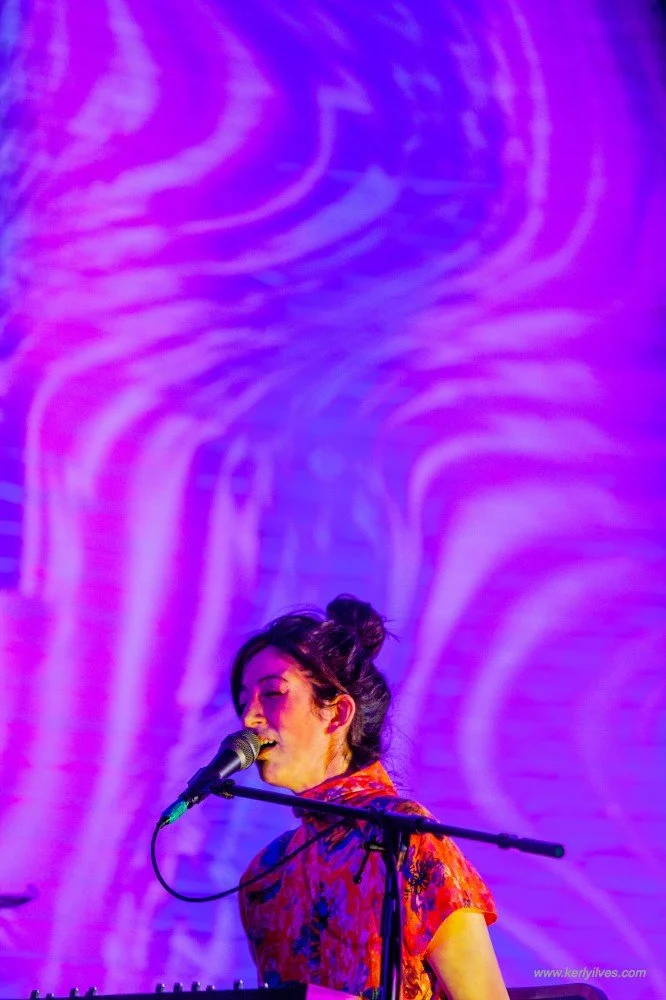
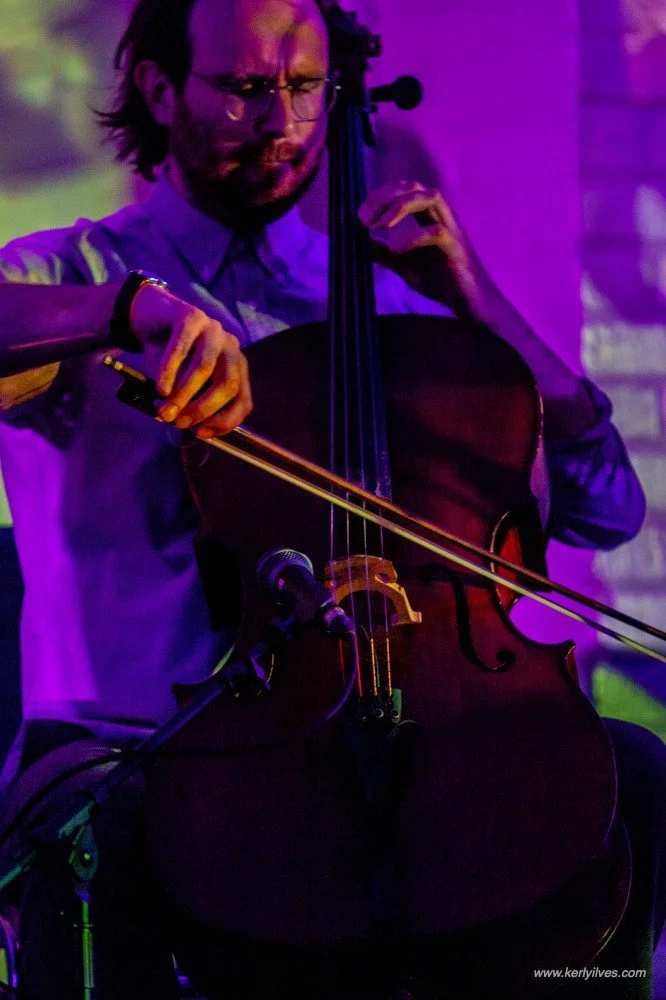
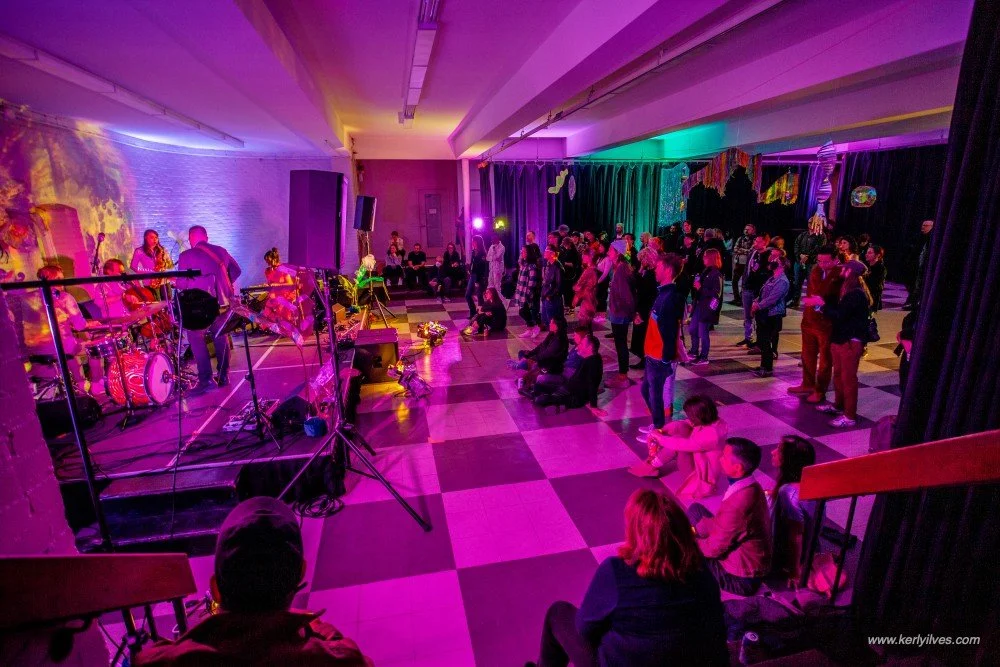

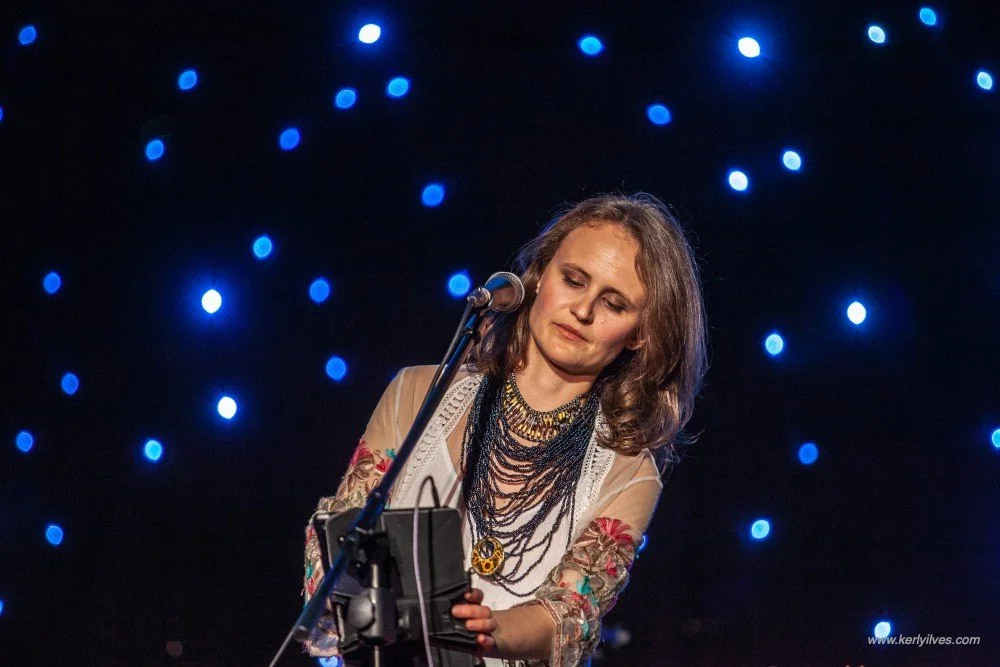


May 26: Estonian Foundation of Canada Art Party aka Kunstipidu
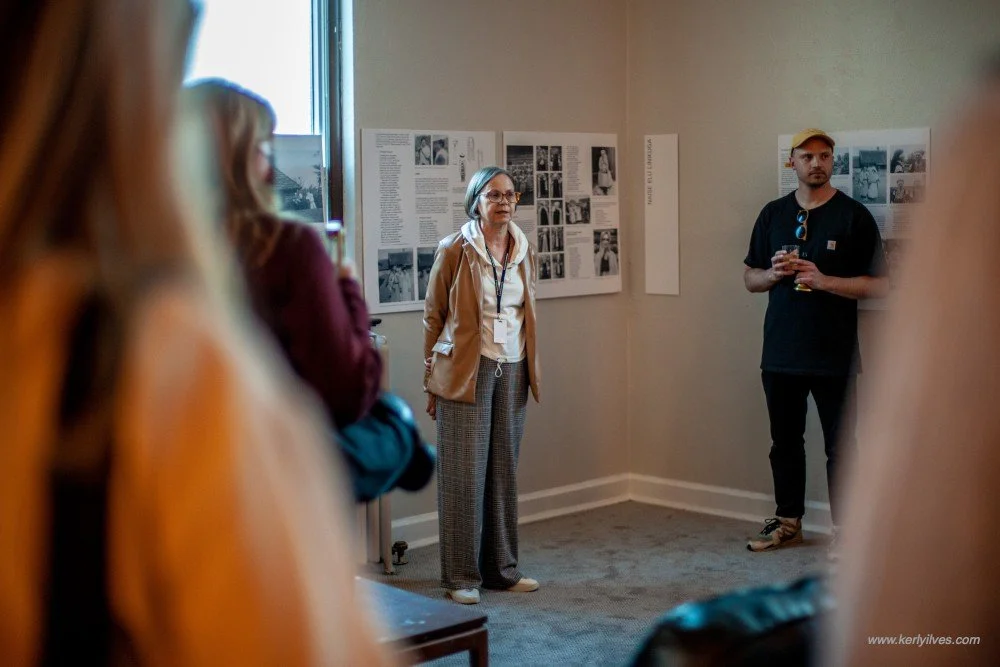
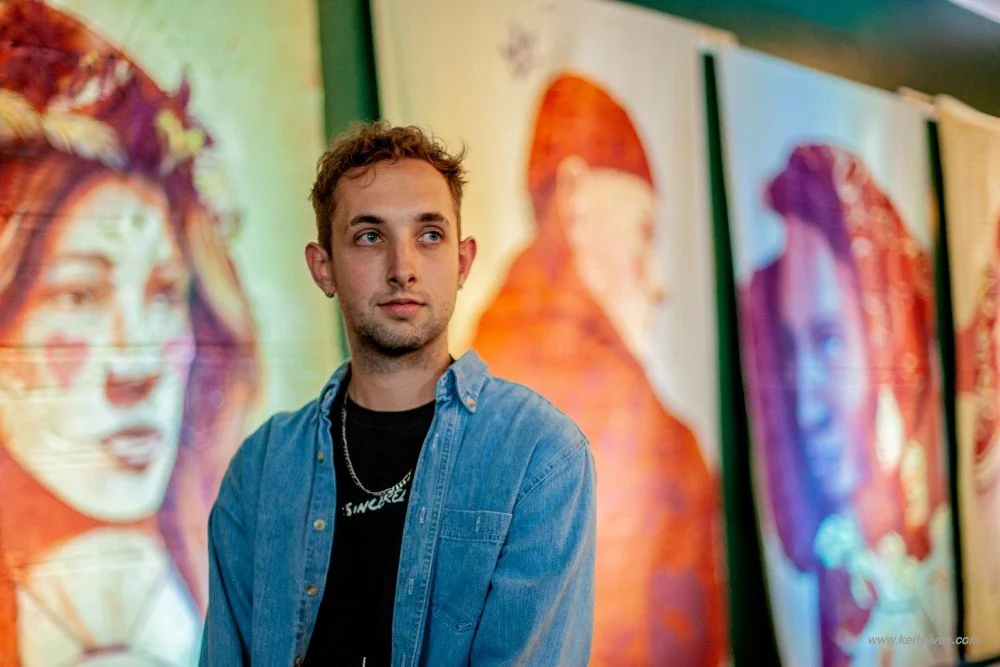
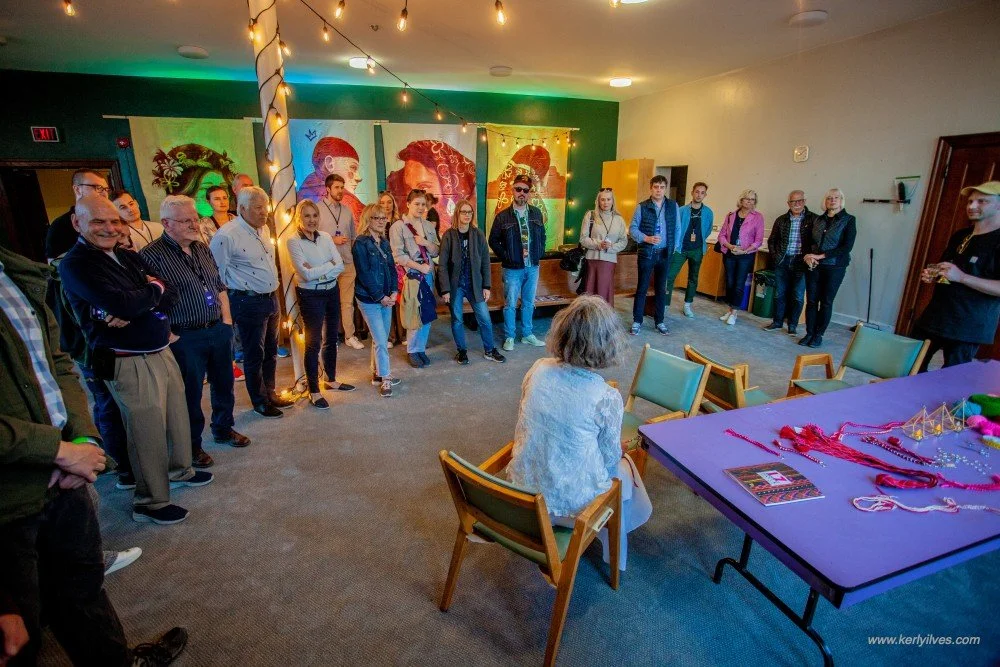
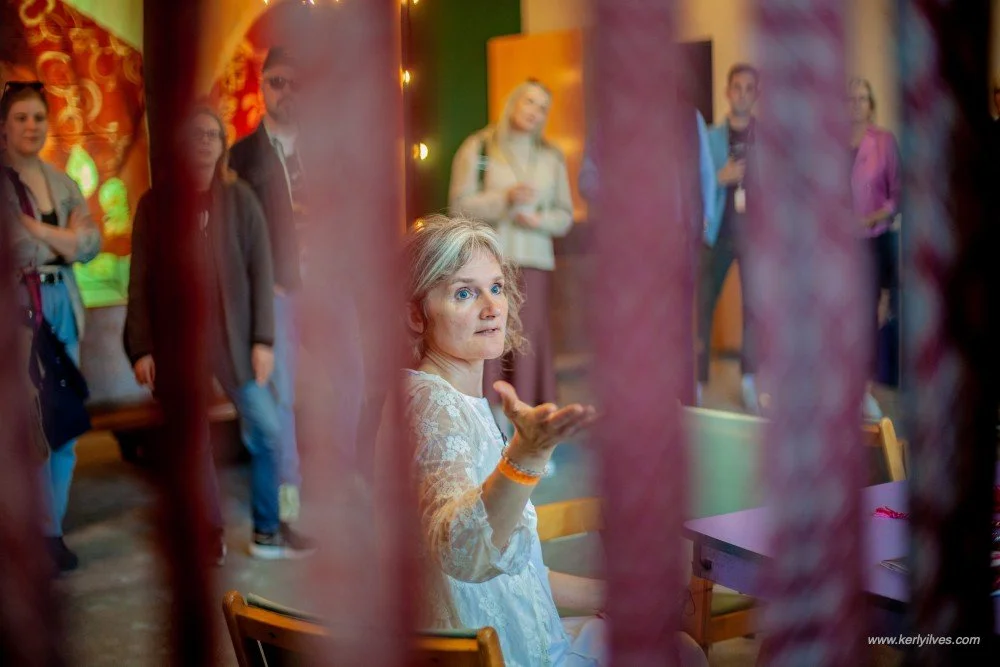



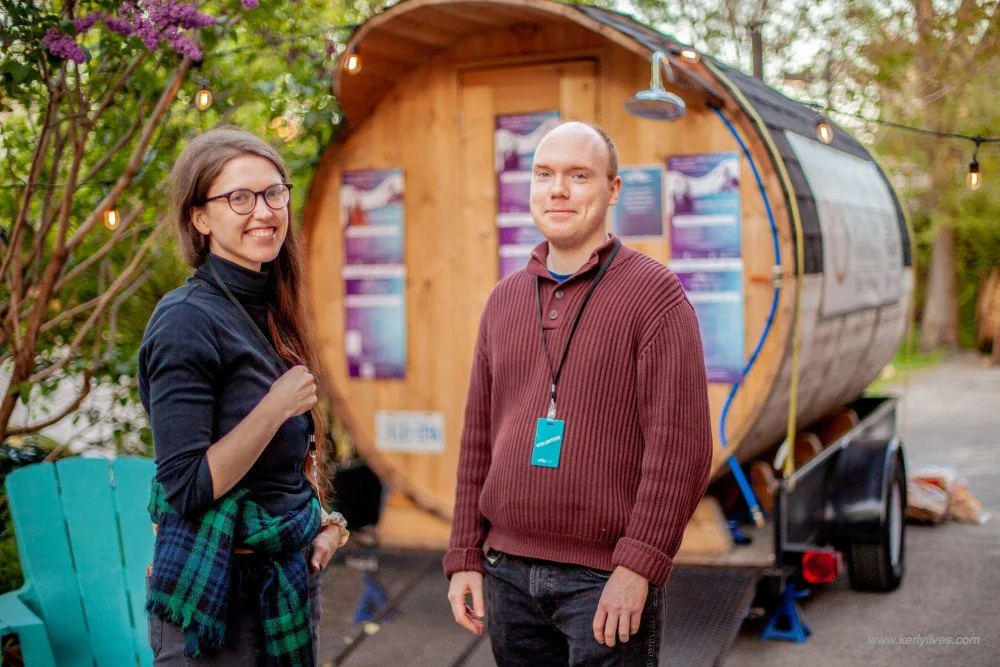
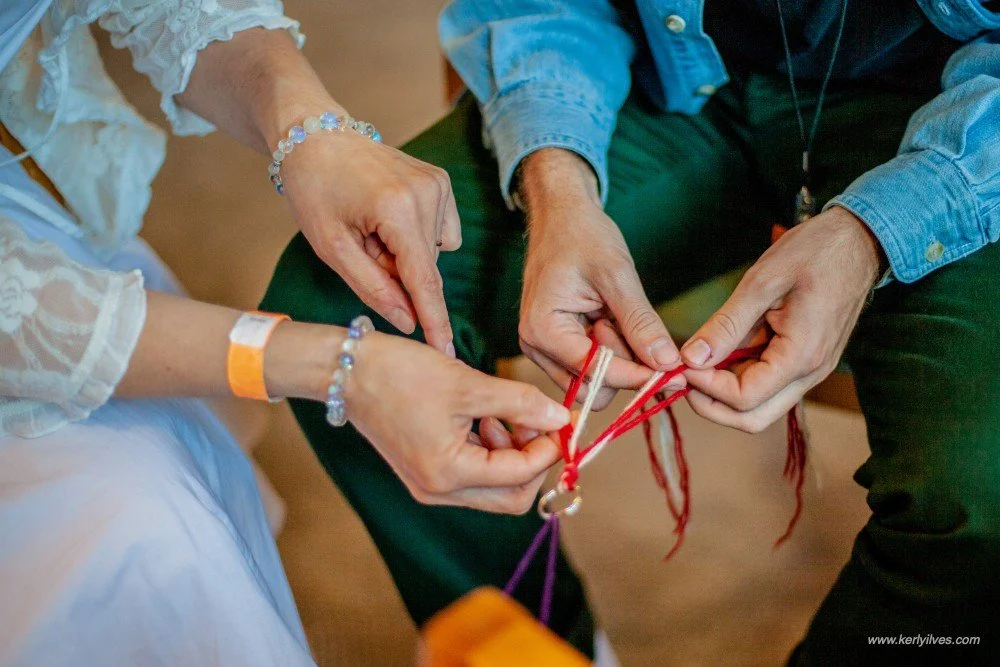
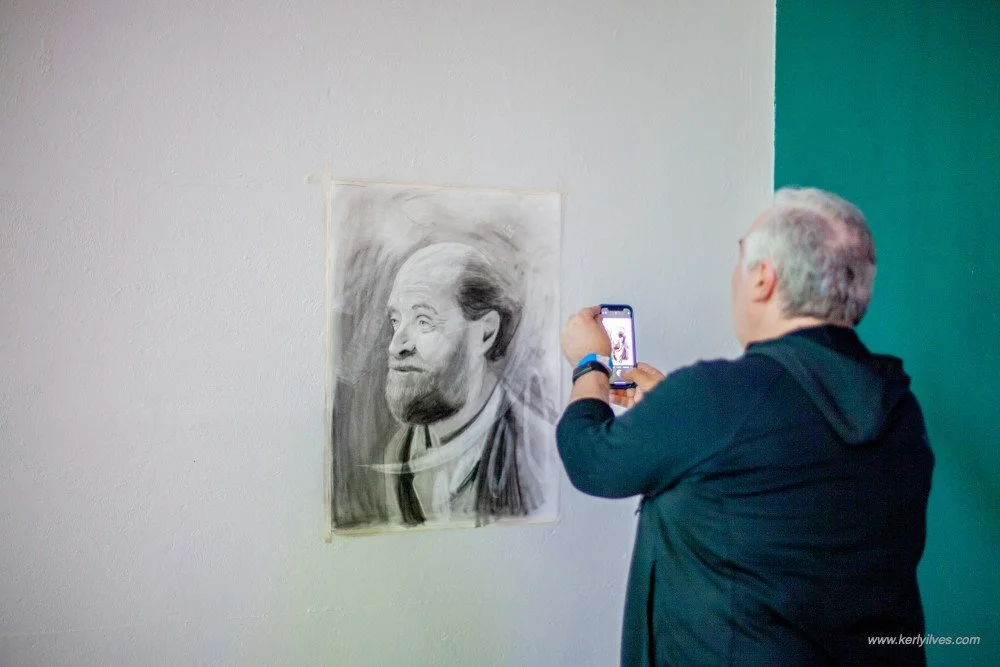
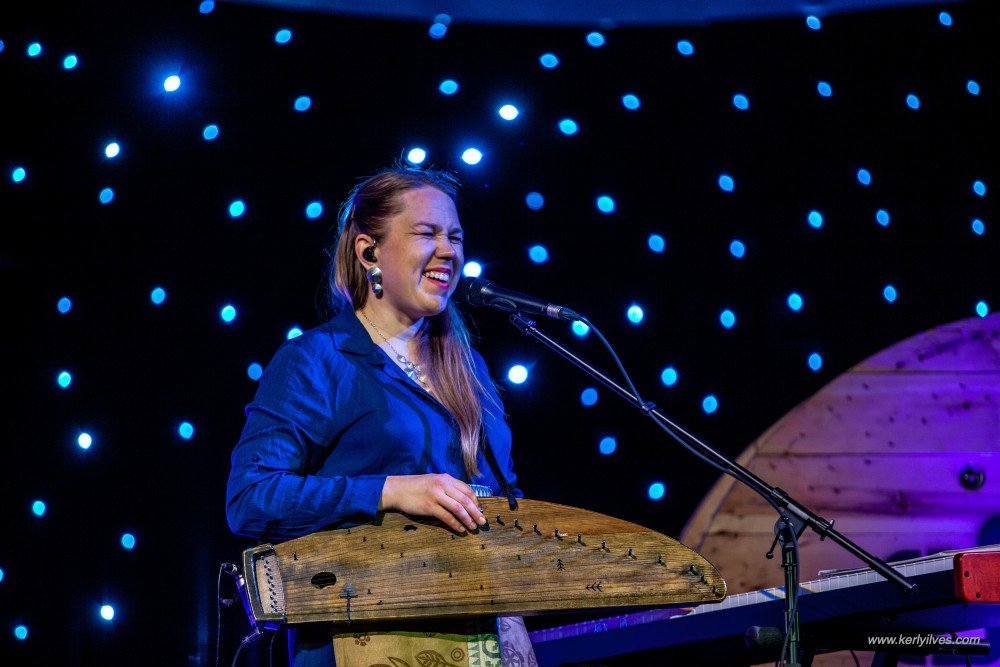


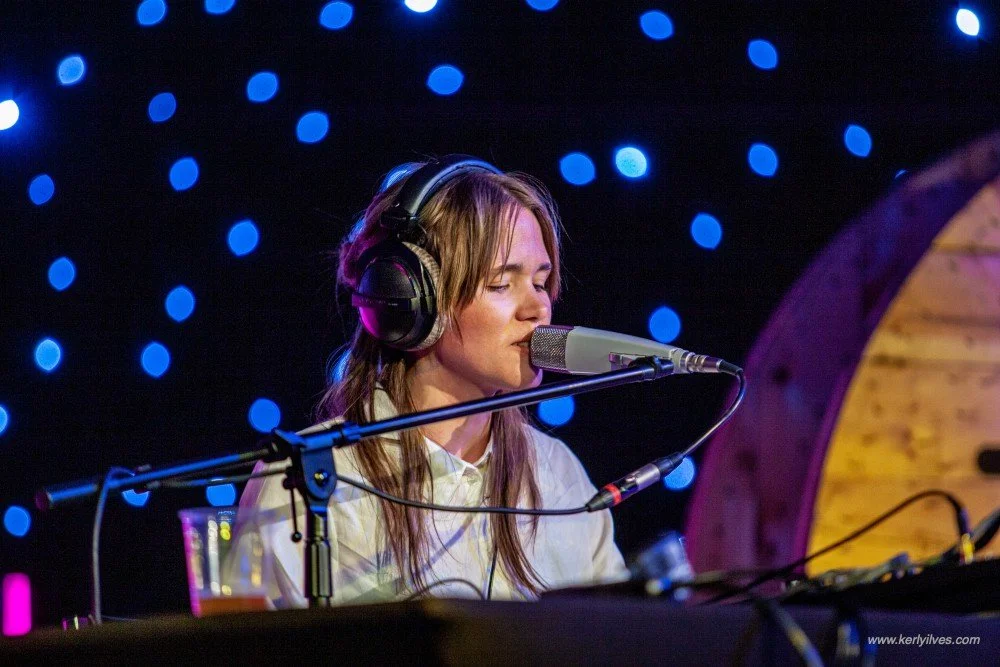
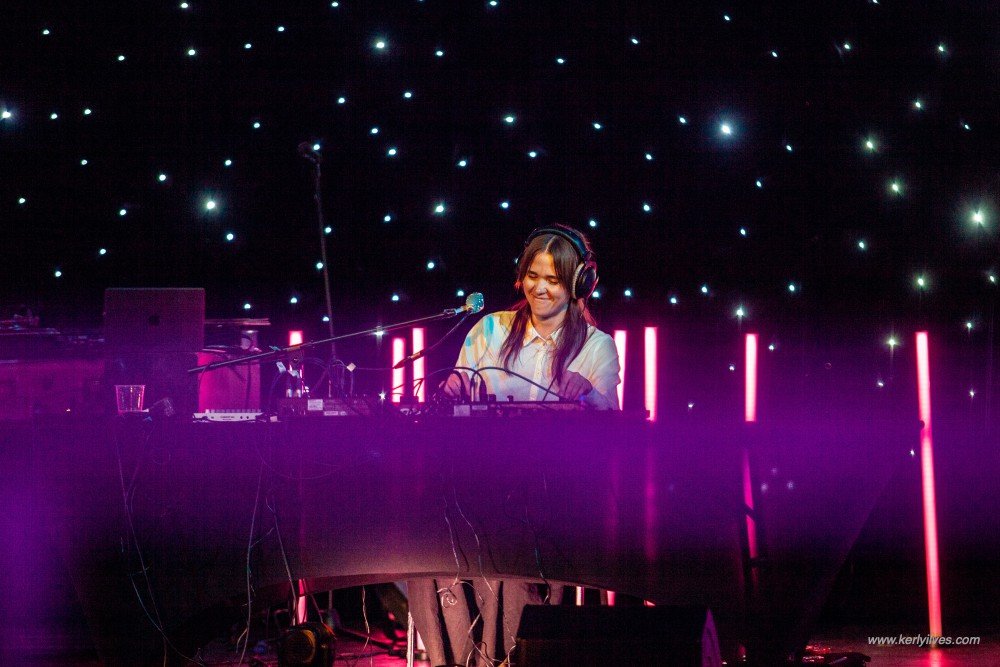
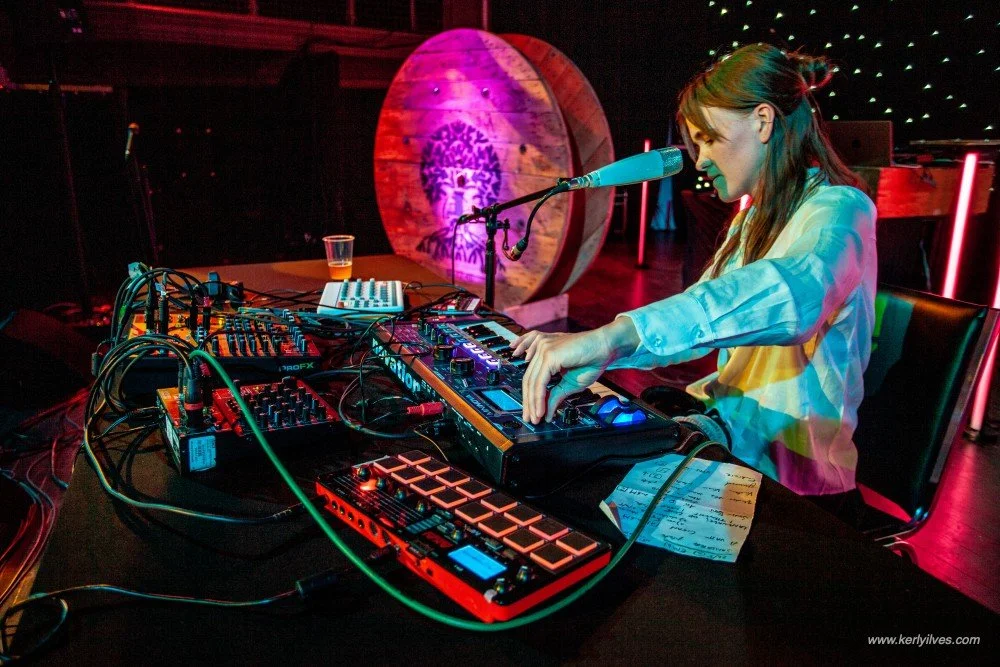
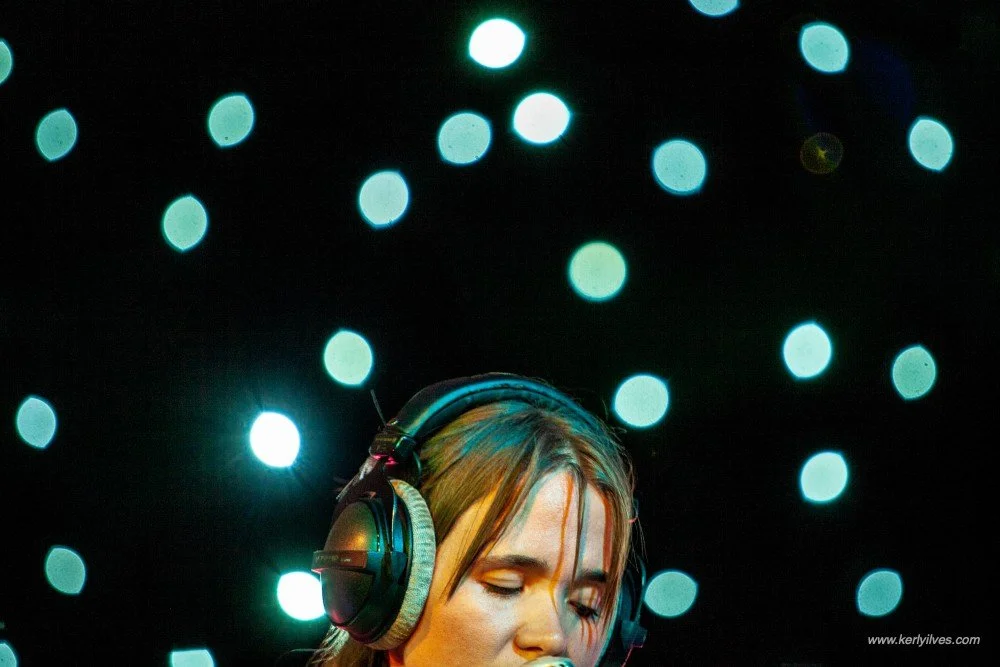
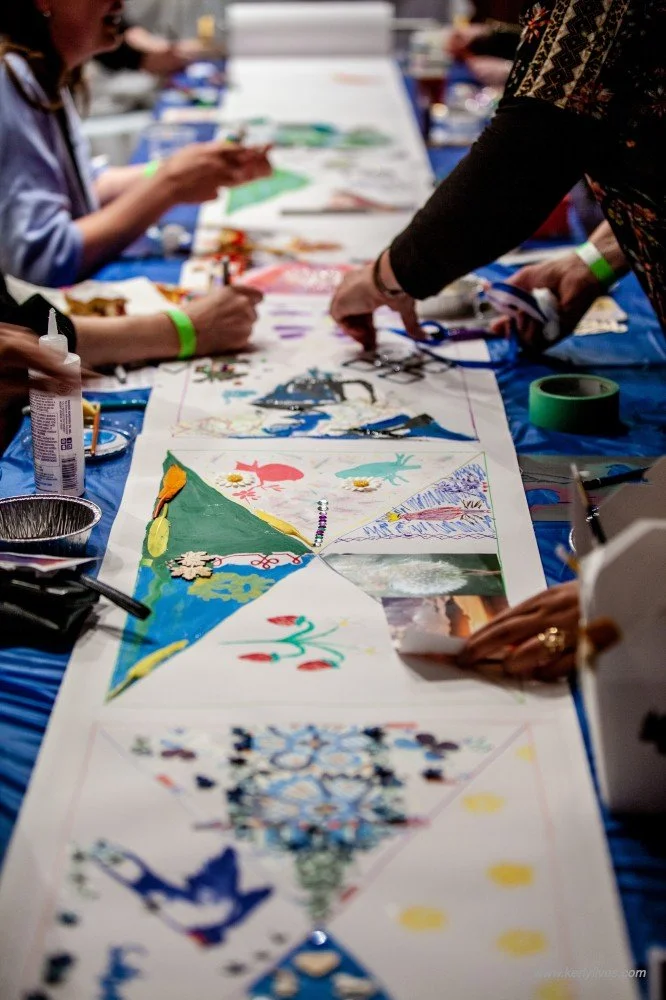

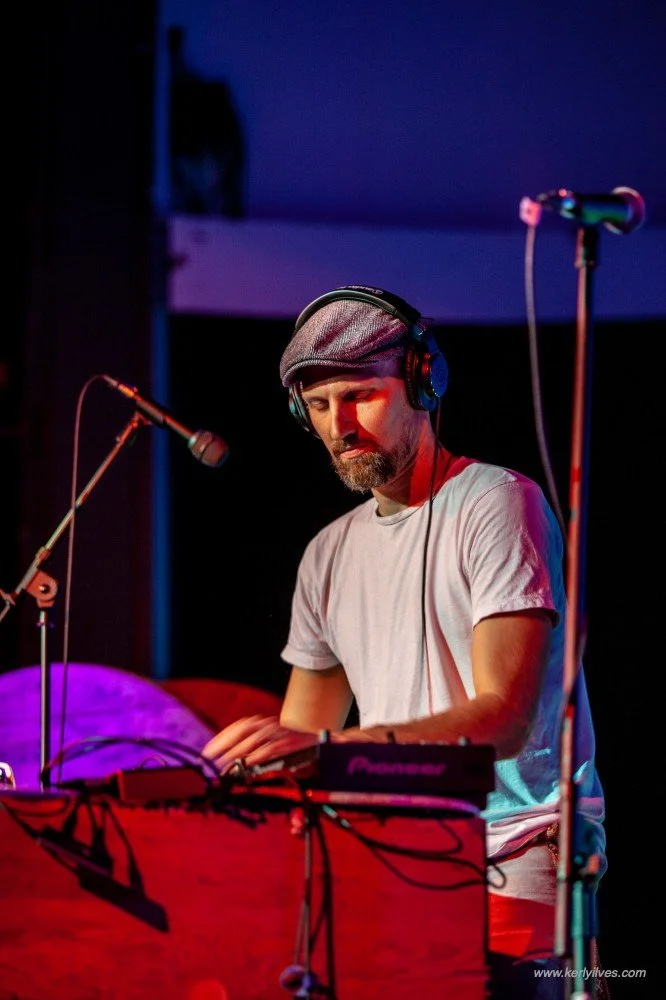
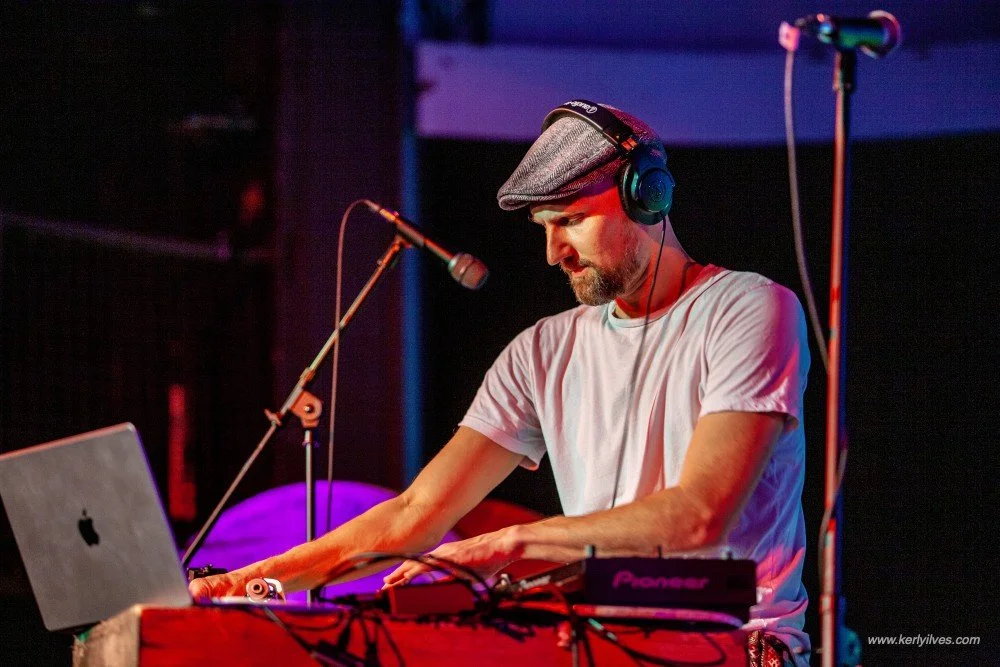


May 27: Camie & Tragedy Anne
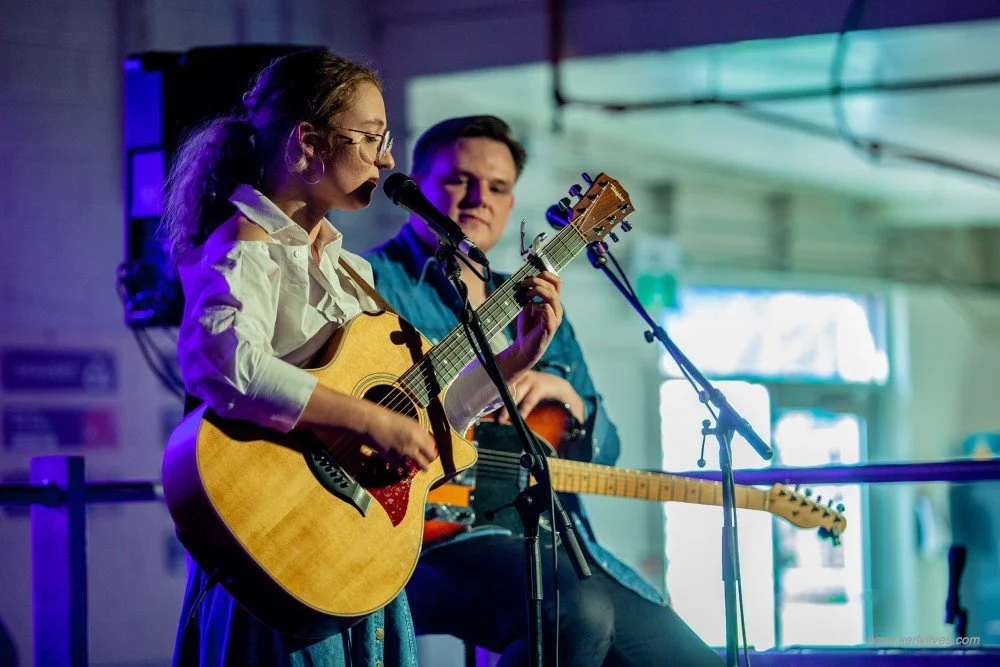

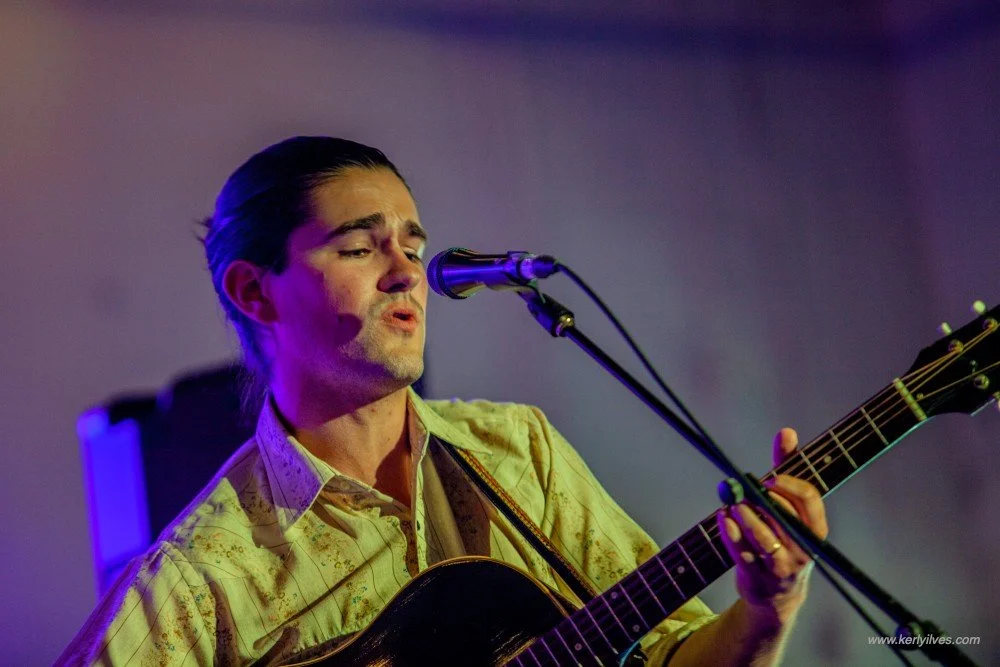
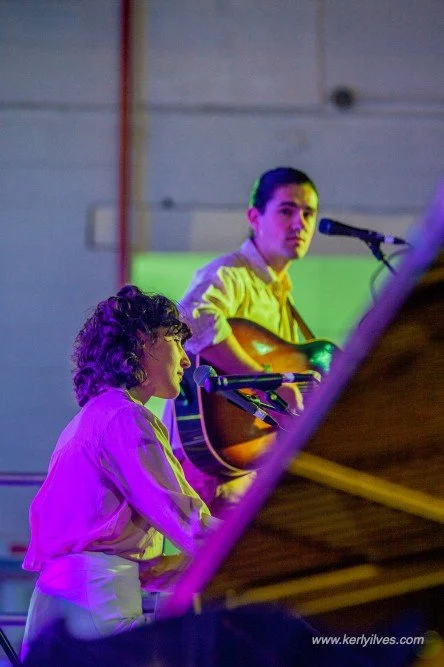

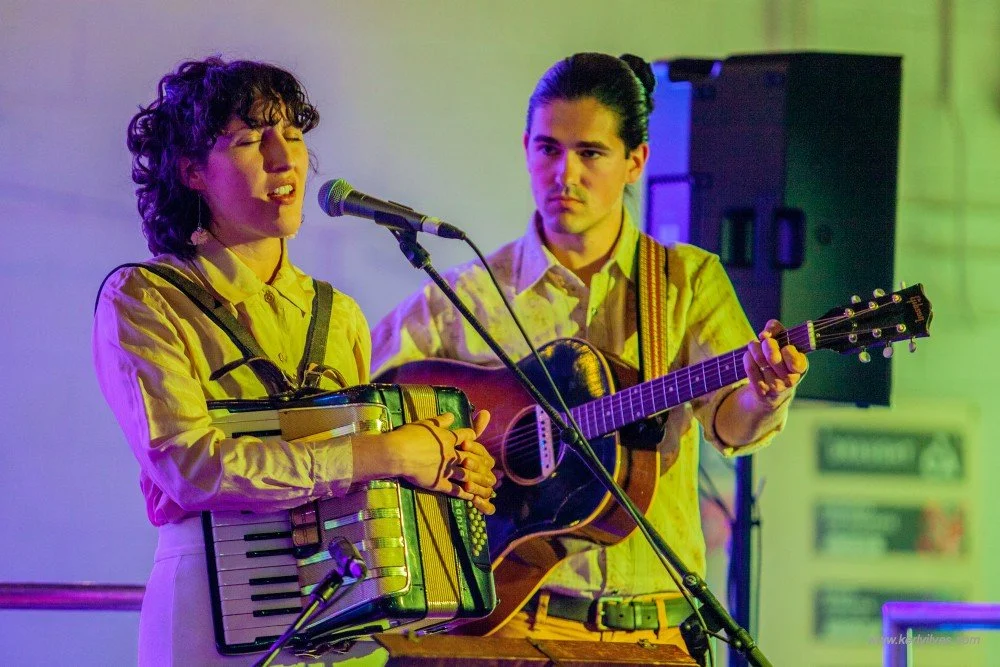
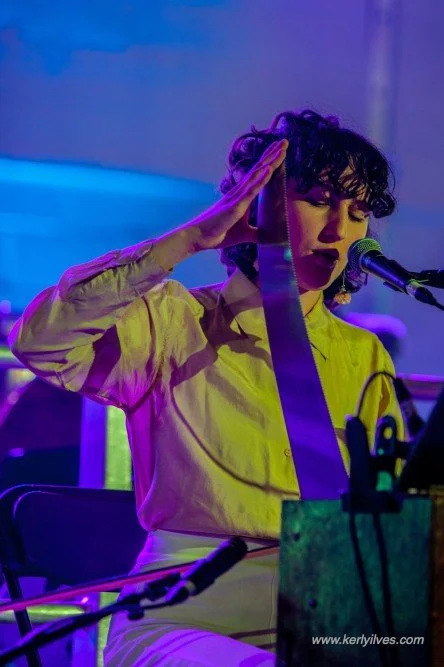
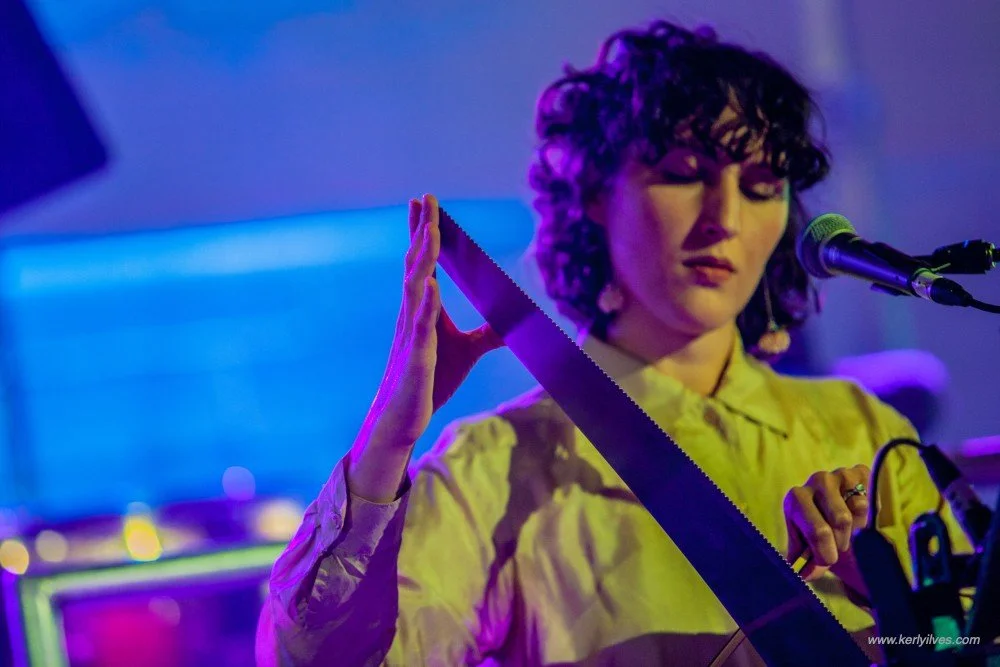
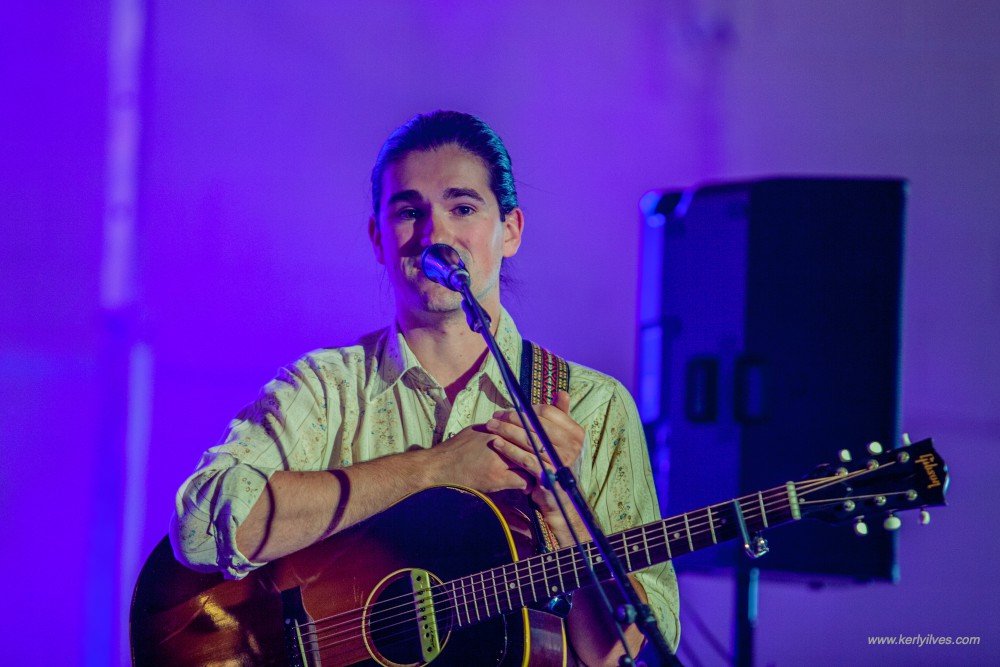
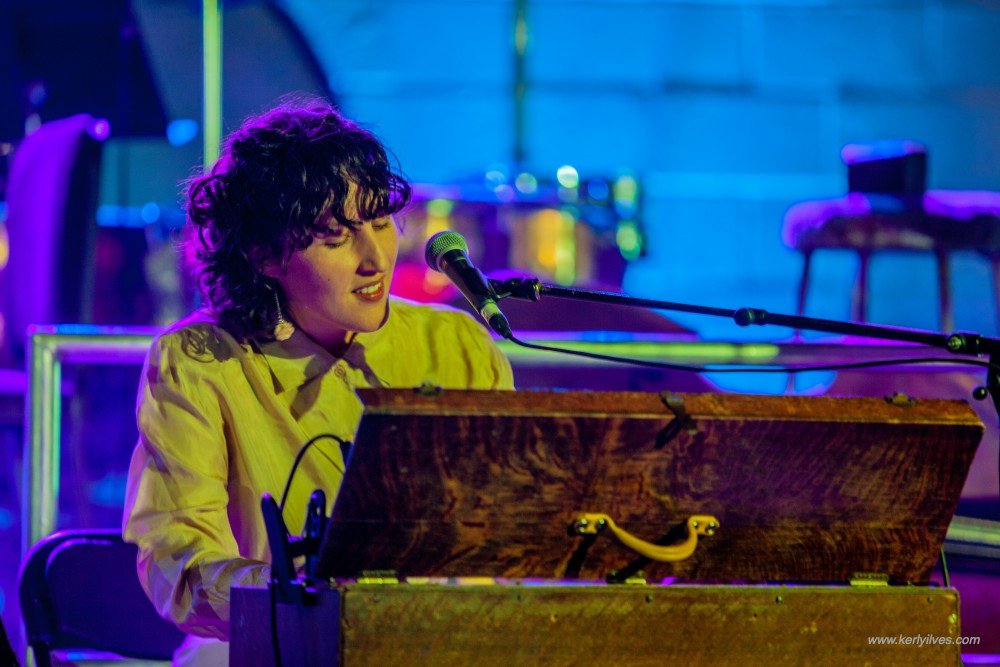
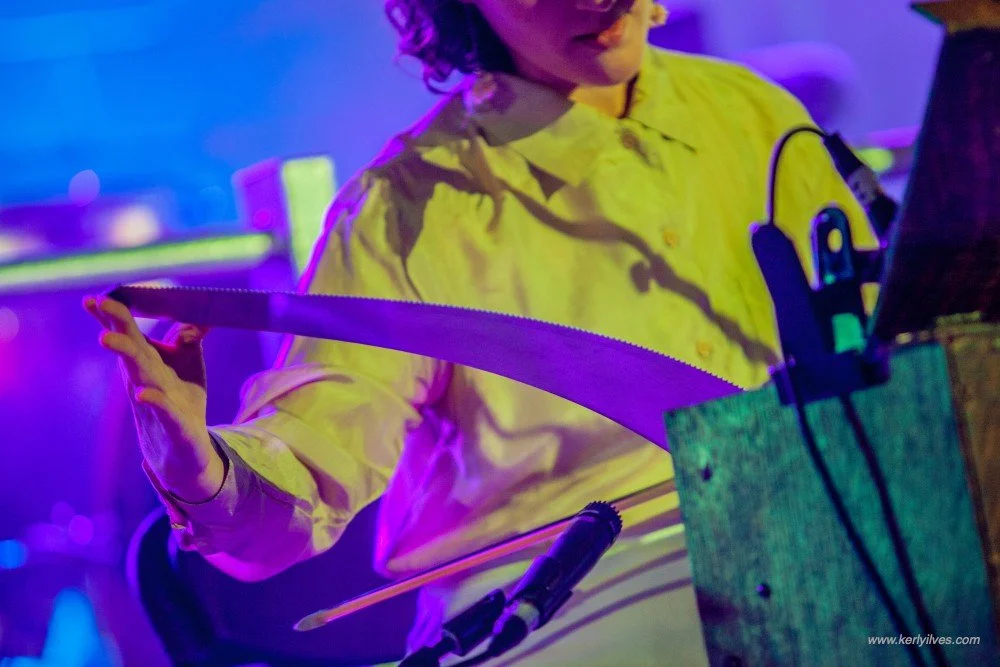

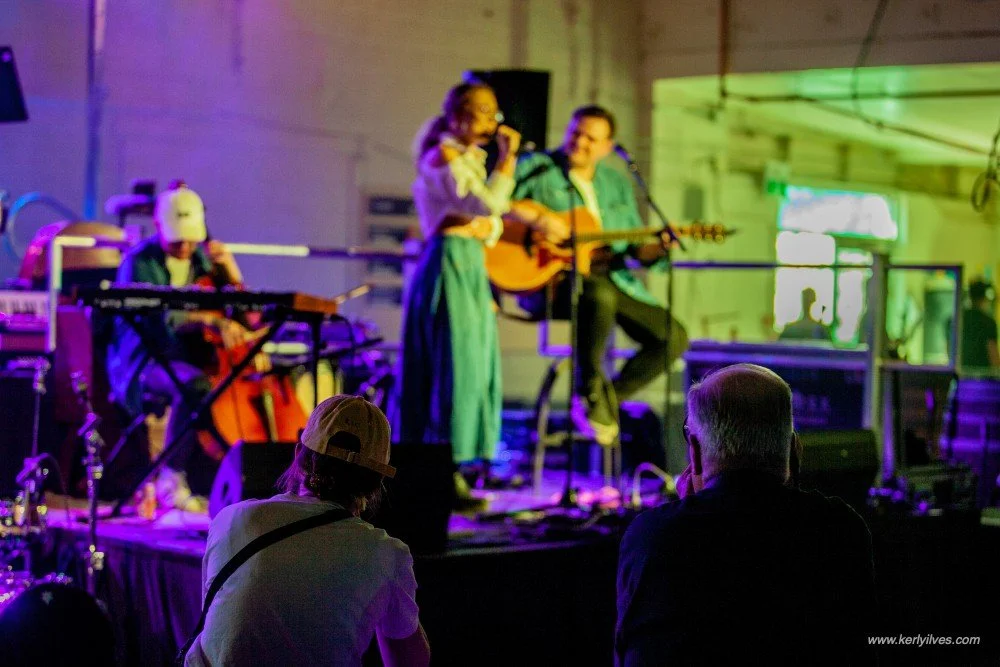

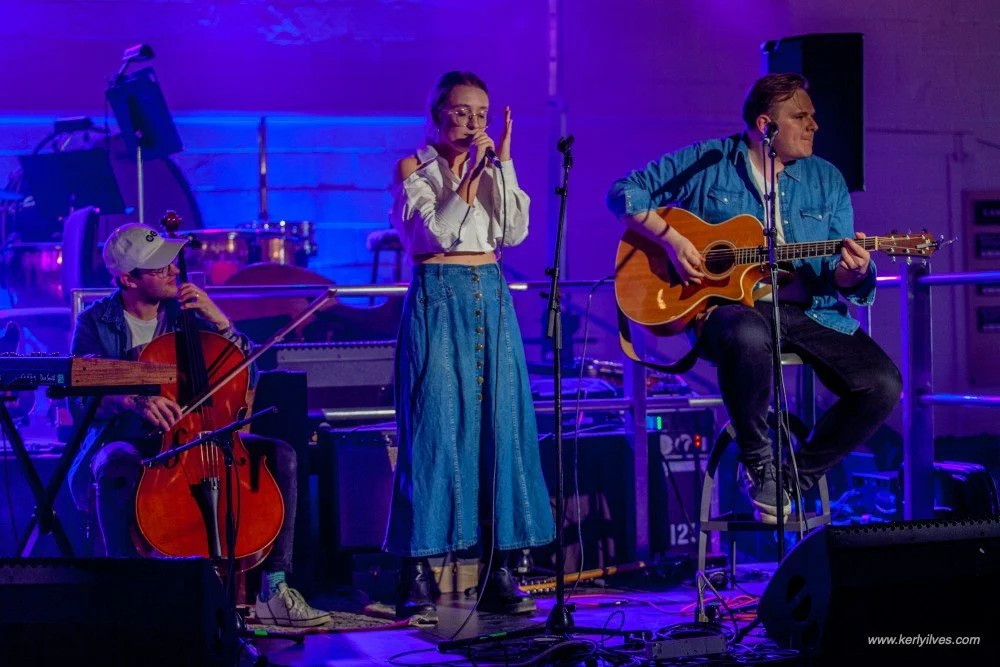
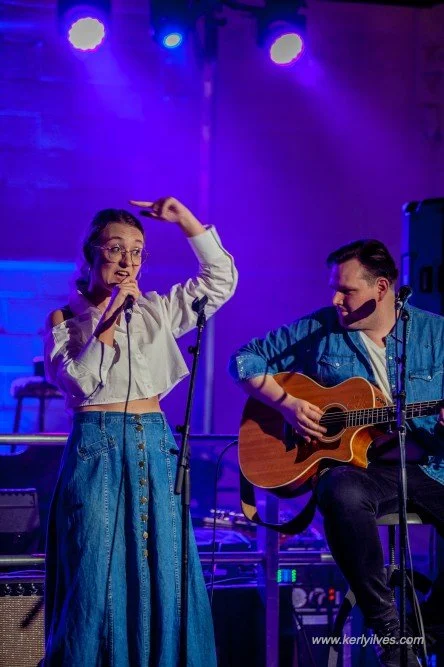



May 27: Hamilton Philharmonic Orchestra, Ansambel Triskele, Kirke Karja Trio, Kara-Lis Coverdale
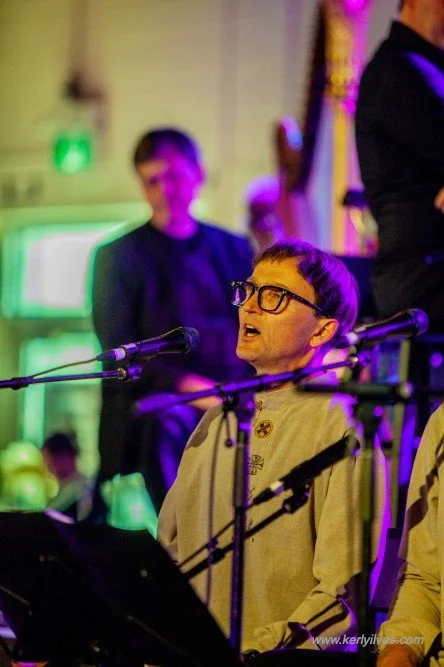
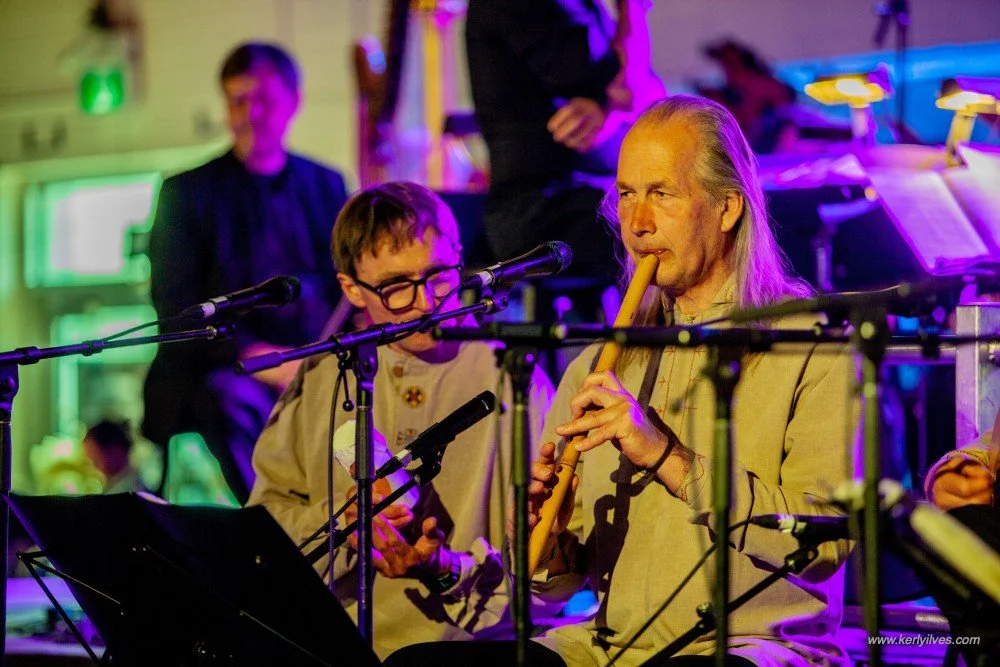
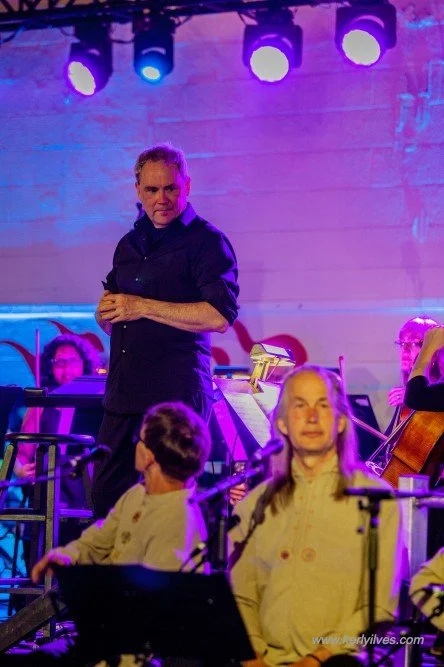
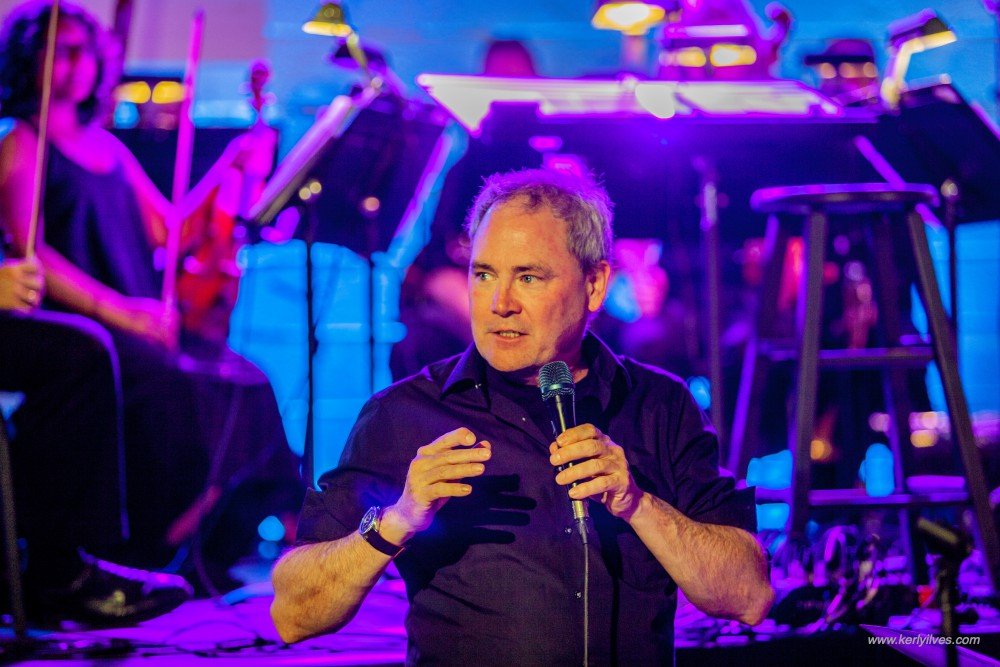
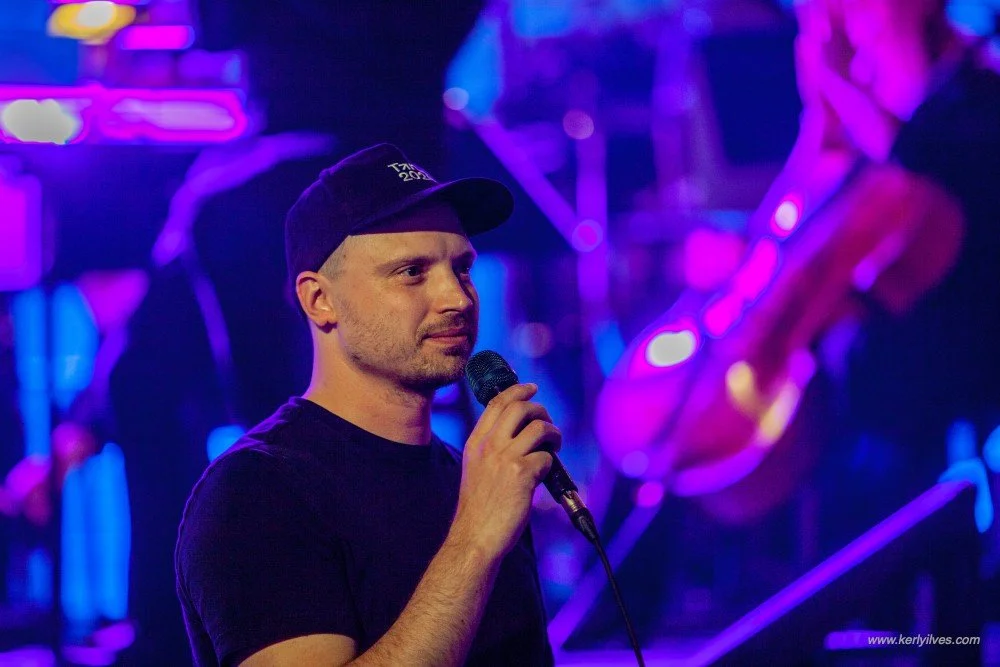
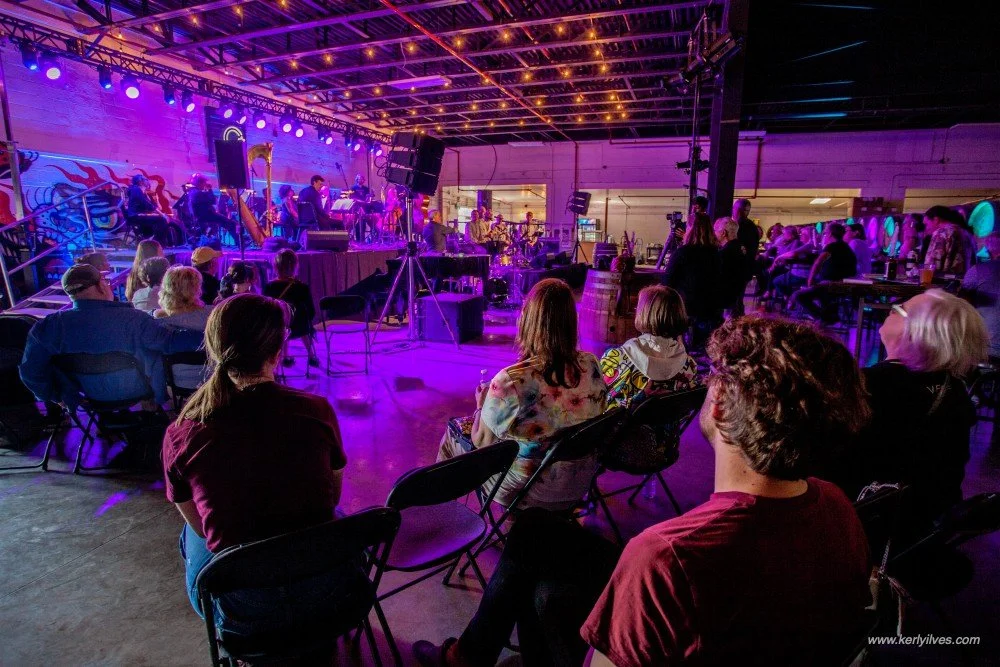
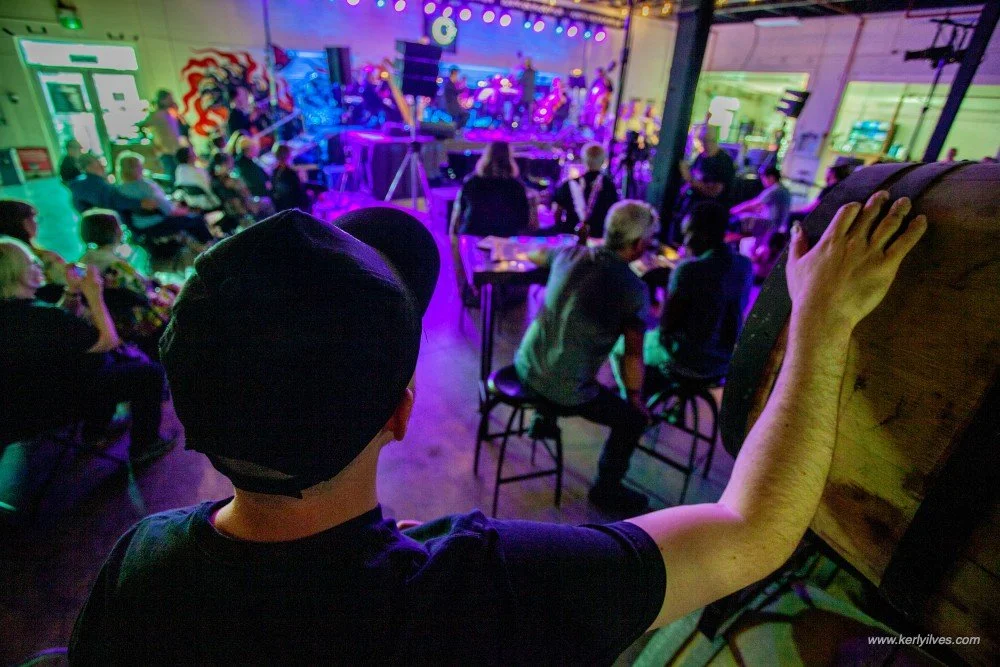
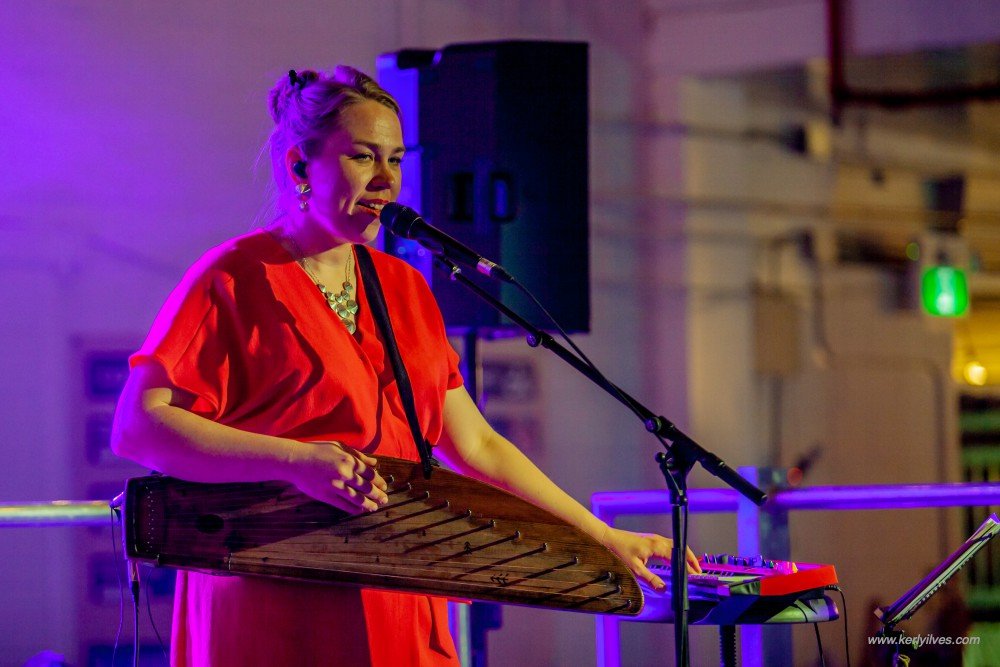

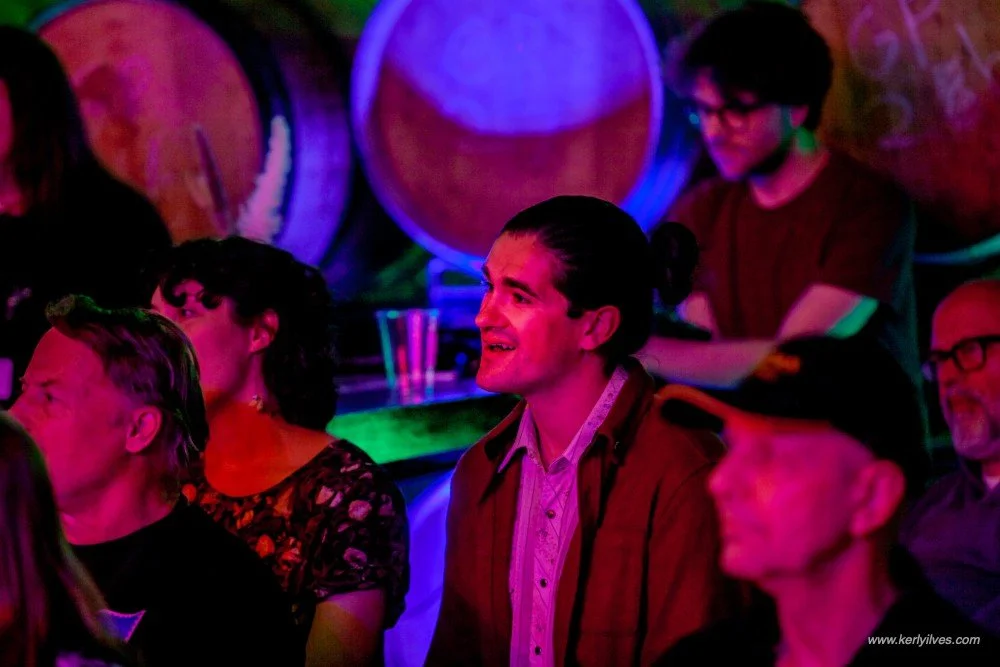
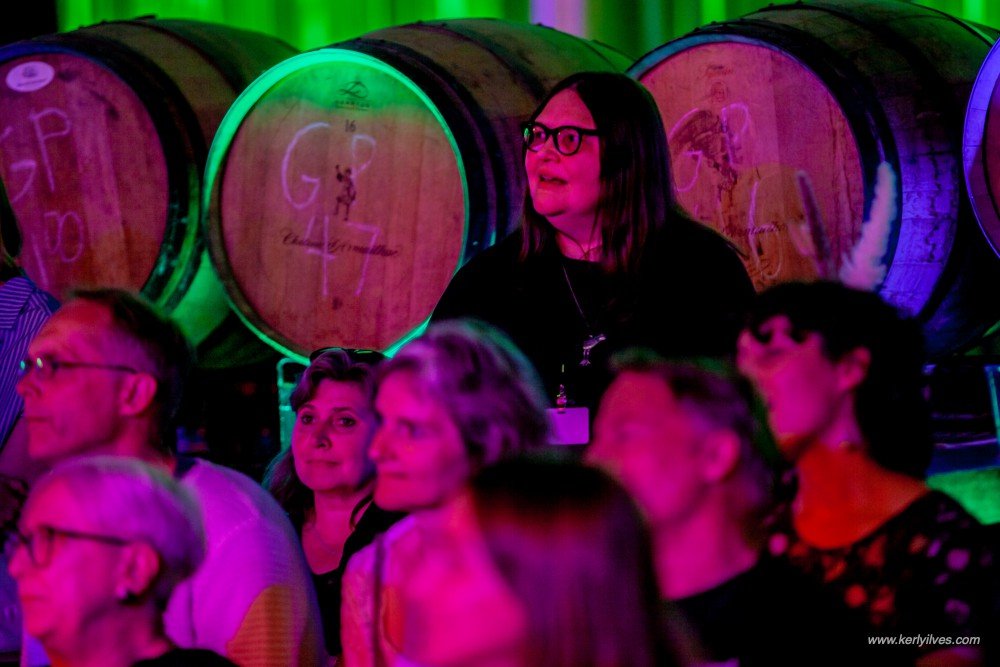
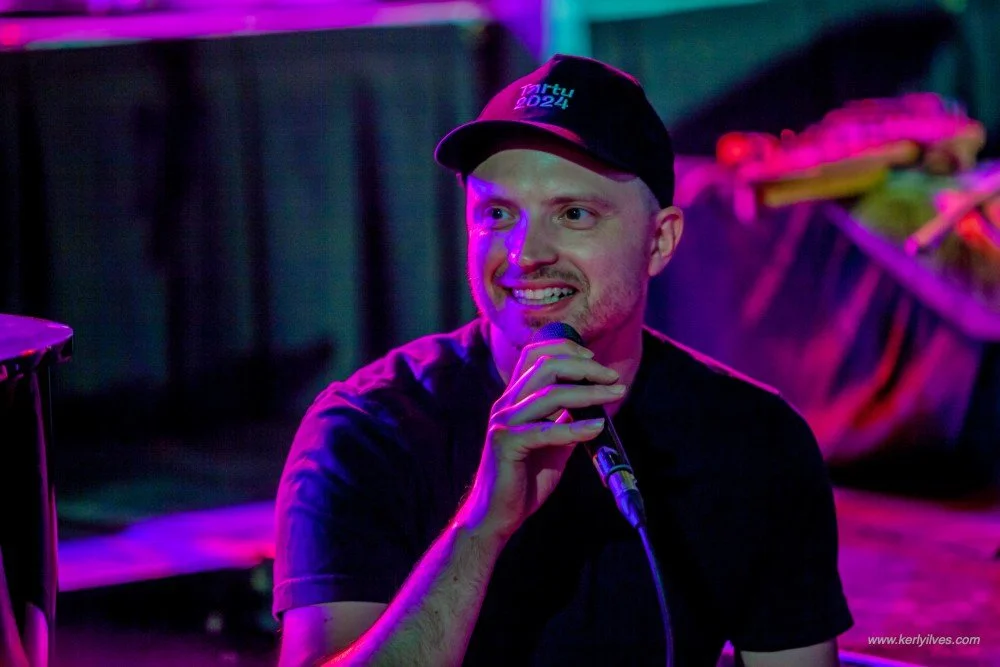

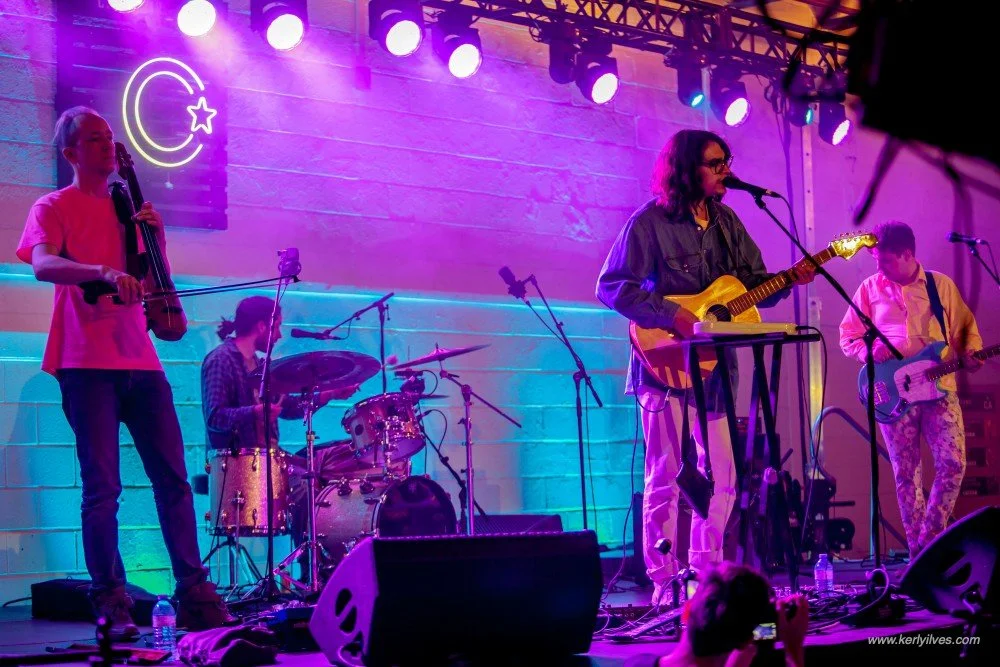

Estonia and Canada send in their best funksters for the TC 50+2 celebrations
Originally Published in Eesti Elu.
If you're looking for confirmation on your information about your transportation from Spadina Station, you're in the wrong place... However, if you're in the area and want the scoop on some stellar parties, then keep reading!
We've had to wait patiently to celebrate the 50th anniversary—now titled TC 50+2—of Tartu College, the student residence and Estonian community hot spot at Bloor and Spadina. But now, we'll have two nights to use our pent-up energy.
What's fuelling all of this partying? The raw, unrestrained funk of Estonia's Lexsoul Dancemachine and the Shuffle Demons from Toronto.
On the evening of Wednesday September 21st, these two bands will storm through three *free* 30 minute performances in the heart of Toronto. At 7:00 PM, they'll start grooving at Tartu College. Then, the musicians and a few contest winners will hop on a double decker City Sightseeing bus and make their way south to Kensington Market, before finally riding on to stir things up on Queen Street West. For details on the contest and specific locations, so you can follow the bus or wait for it to come by Tour de France style, click here.
Though the TC 50+2 celebrations carry on throughout the weekend, the last musical component will be a gig on Friday September 23rd at The Axis Club (22 College Street, M6G 1C4). Starting at 8:00 PM, beloved singer-songwriter Vaiko Eplik will lead the night as master of ceremonies. Estophiles will particularly appreciate his rendition of his favourite Estonian diaspora songs.
General admission tickets cost $25 and student tickets are $20, available from Eventbrite. Presenting the concert are Tartu College, Estonian Museum Canada / VEMU, and its project Estonian Music Week, with major funding coming from the Estonian Foundation of Canada and sponsorship from Northern Birch Credit Union.
What makes this musical pairing so ideal is how much the two bands have in common. At face value, their music is founded on a certain hedonism, allowing you to drop your cares to the wayside. This manifests itself in their zany outfits. Lexsoul Dancemachine has matching tracksuits, as seen on the cover of their 2020 album Lexplosion II.
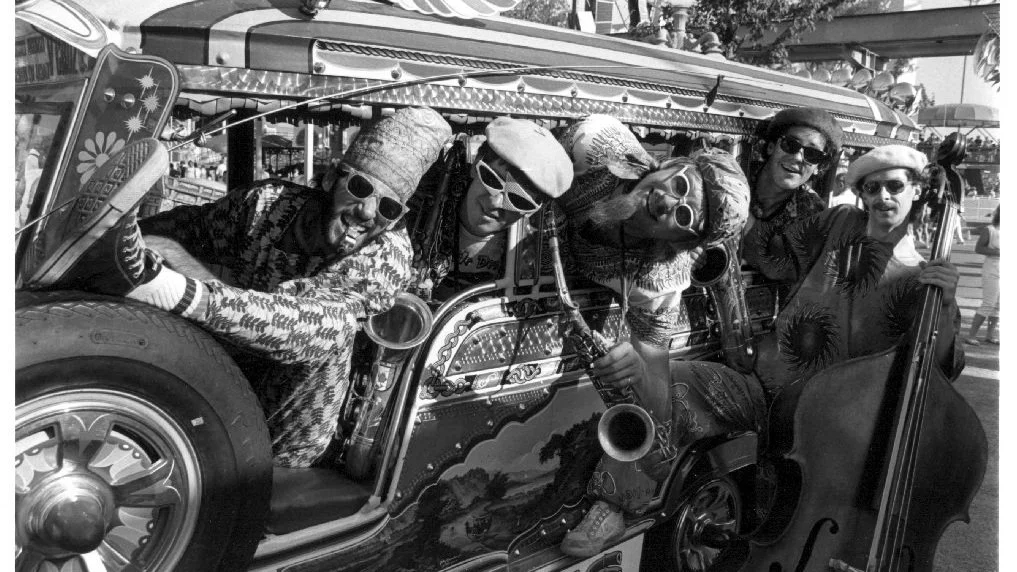
The Shuffle Demons have suits designed with Keith Haring-esque patterns by Toronto-based artist Kurt Swinghammer and refreshed by Alison Young, “[incorporating] images from some of our songs...” Lexsoul Dancemachine's singer, Robert Linna, remarked that they look like futuristic people from Back to the Future Part II.
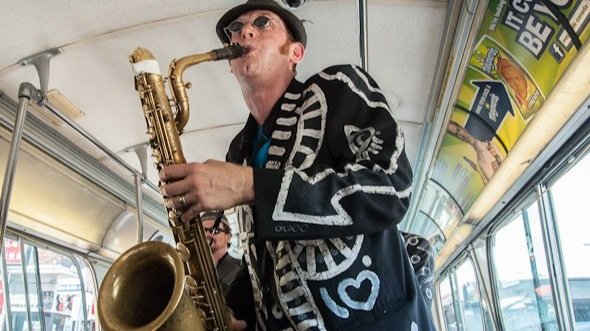
It's serendipitous that the bands have a common association with buses, too. The Shuffle Demons created local lore when they recorded their hit “Spadina Bus,” a funk-hip-hop fusion “that really gets the crowds going.”
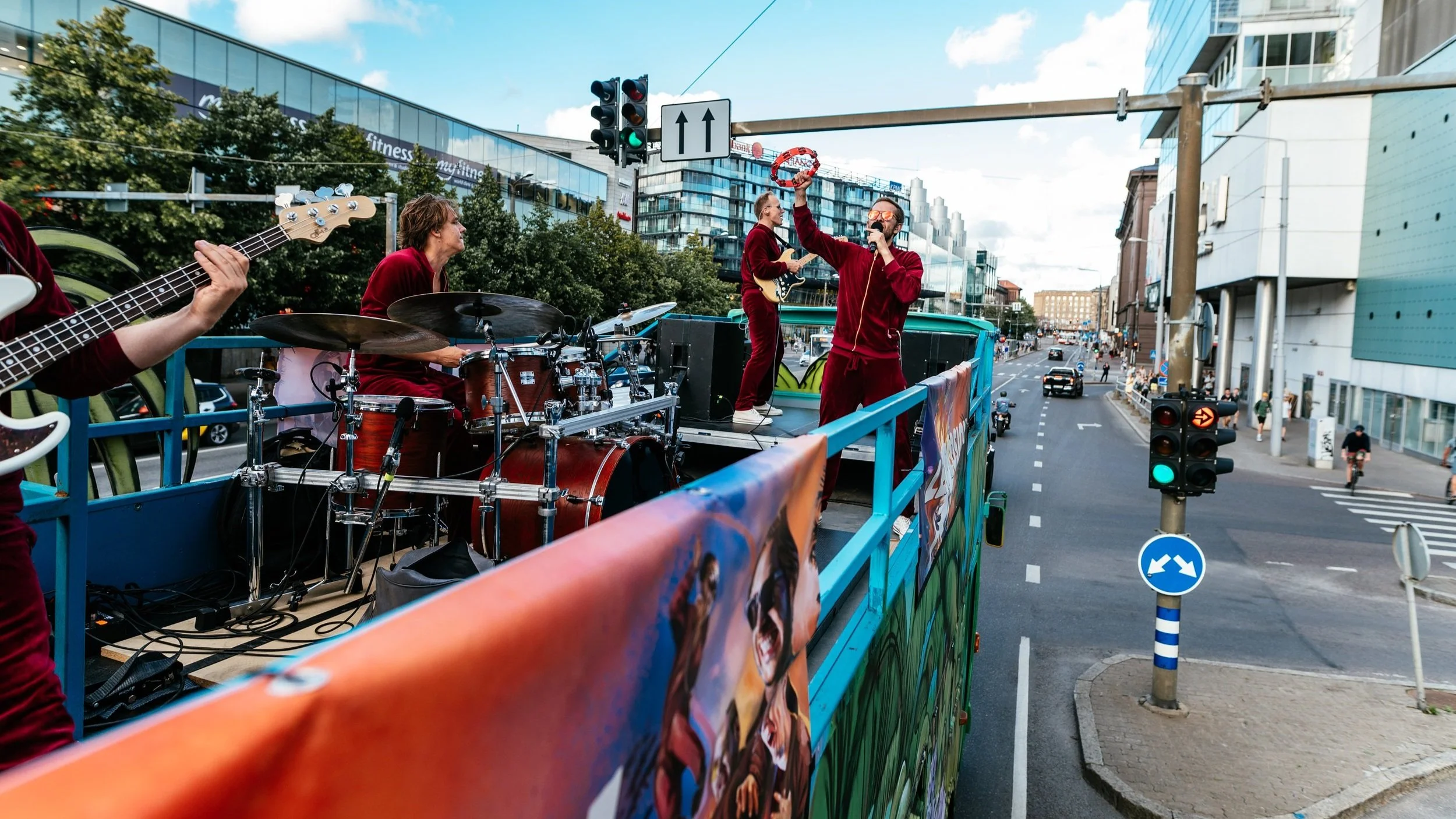
As described by Robert Linna, their band has had a colourful experience playing on a bus before. He explains, “I had a vision for a long time, about playing live on the back of a truck driving through the city, where the crowd would be on bicycles following the truck. Like a rolling concert. The bus idea kind of evolved from that. We had just released Lexplosion II and were thinking about promo stuff... and this is where having a great manager really pays off: things started happening really fast and the next day we had a bus, a driver, a sound system, and approval from Tallinn City Council. 3.5 hours of non-stop music on a beautiful summer day, with people cycling along, waving on the streets, and listening on their balconies. At some point we even had a police escort!”
They both have an exuberant stage presence. In Lexsoul Dancemachine's collaboration with Cory Wong, “Money,” the mischievous, bouncy guitar and drum patterns give you a good sense of how this presence comes to be. According to guitarist Jürgen Kütner, “The Lexsoul guys are big fans of all things Vulfpeck... and for me personally, I really clicked with Cory’s style of guitar playing... especially his magic right-hand work. It started as a sort of joke, that we should get Cory to play on “Money” because it sounded so unlikely to ever happen. A little later, our manager Henrik got in touch with us again and said that he had talked with Cory’s team and that they liked the track! So suddenly, it was on and we couldn’t believe it. Cory absolutely funked it to pieces and he actually did two solos for us. We liked them both so much that we put them both in the song layered on top of each other.”
Comparatively, for the Shuffle Demons, exuberance is enabled by resounding saxophones, drums, and double bass. The first two elements are a product of their street band origins, with no access to amplification.
And they both have a connection to Estonia. Lexsoul Dancemachine, of course, is from Estonia. The Shuffle Demons, on the other hand, performed in Estonia just shortly before independence was restored in 1991. Saxophonist Rich Underhill and drummer Stich Wynston speak of how it was “a great opportunity to celebrate the dawn of a new era with our Estonian hosts,” including a street celebration with fans and a waterworks show from some fireboats.
100,000 rubles were paid out for their concert, in “big stacks of five, 10 and 20 ruble notes” due to the imminent currency switchover. With shopping bags of money in hand, they “injected it back into the local economy, buying souvenirs, artwork and even donating some back to our guides.” Whimsy continues for these bands even off-stage.
Both bands are enthusiastic about playing on the same bill, with Robert Linna particularly excited about being part of Estonia's “big cultural reach”, about “Estonians keeping in touch worldwide”, and meeting new audiences like us.
Get your tickets and invite your friends while you still can!
Encounter the lineage of Estonians through song at Collegium Musicale's three concert dates in Ontario
Written by Vincent Teetsov, originally published in Estonian Life.
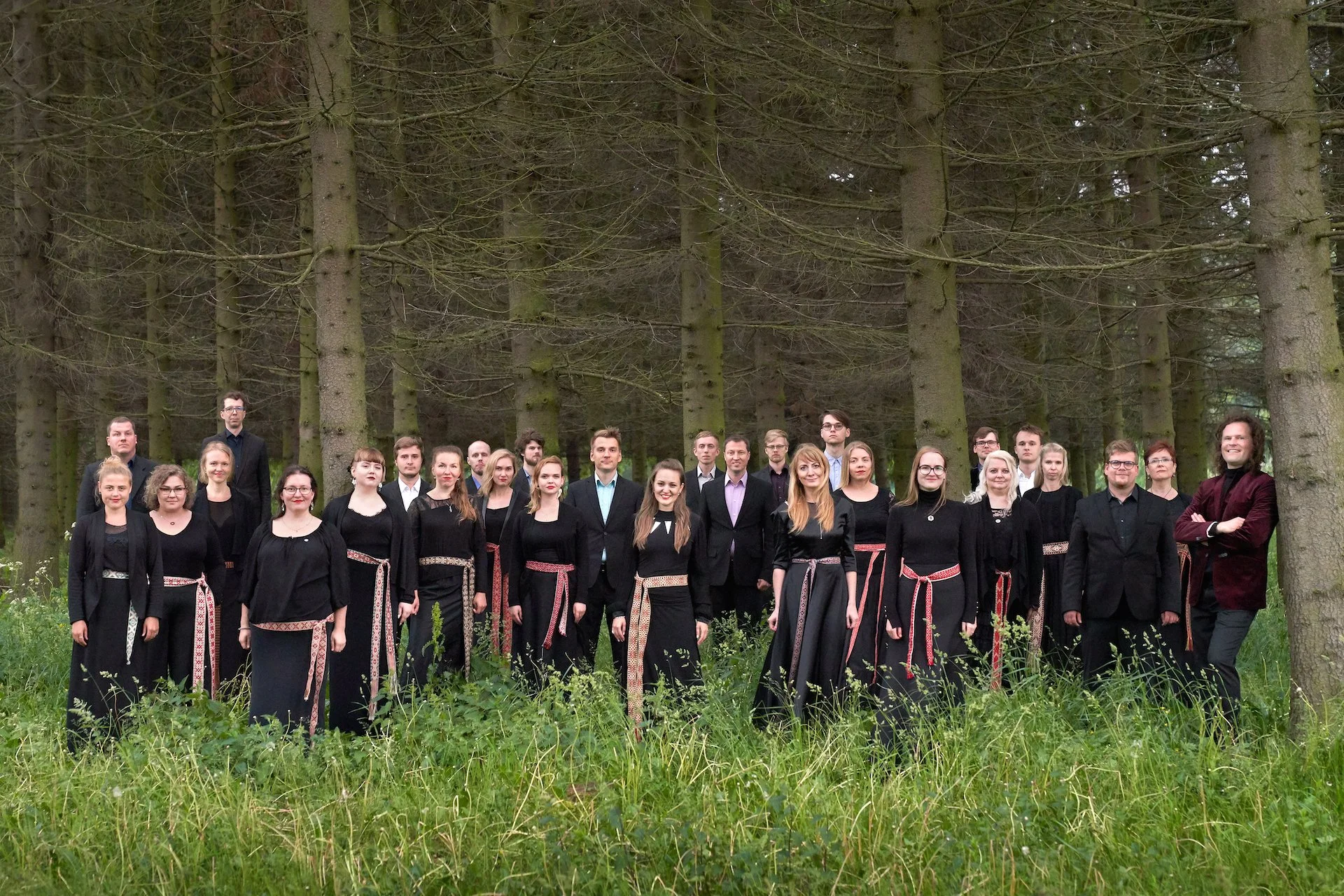
In describing what he wants the audience to feel when leaving a Collegium Musicale concert, conductor Endrik Üksvärav identifies the understanding “that the choir sounds good.” Sometimes a judgement about music can be boiled down to an immediate, intuitive impression—in other words, it's either good or it isn't. With Collegium Musicale, you may wish to ask yourself specifically what you want to gain as a listener.
Üksvärav founded Collegium Musicale in 2010, with a repertoire that extends all the way from the Renaissance to the present day, with special emphasis on contemporary classical composers from Estonia: namely Arvo Pärt, Veljo Tormis and Erkki-Sven Tüür. The key motive behind the choir has been to “offer a dynamic range of musical emotions and be ambassadors of Estonian music throughout the world.”
On the more hair-raising, spiritually-demanding side of their repertoire is Veljo Tormis' “Raua needmine” (“Curse Upon Iron”) from 1972, arguably his most famous song. American musicologist Mimi S. Daitz writes of how the text of the composition comes from the Kalevala, was “adapted and augmented by August Annist, Paul-Eerik Rummo, and Jaan Kaplinski”, and deals with “knowing the source of iron in order to overcome its deadly power.”
In many cultures and folk traditions, metals are associated with war and destruction, weapons, industry, smoke, and removing humanity from its original place in a pastoral setting. This sentiment dances through with the intense, very present pounding rhythm of a shamanic frame drum in the background. It's a beating that falls and then surprisingly rises again. Bass and tenor voices take turns in the lead role, so to speak, over continuous chanting. It's a high pressure composition, with a clear basis in folklore.
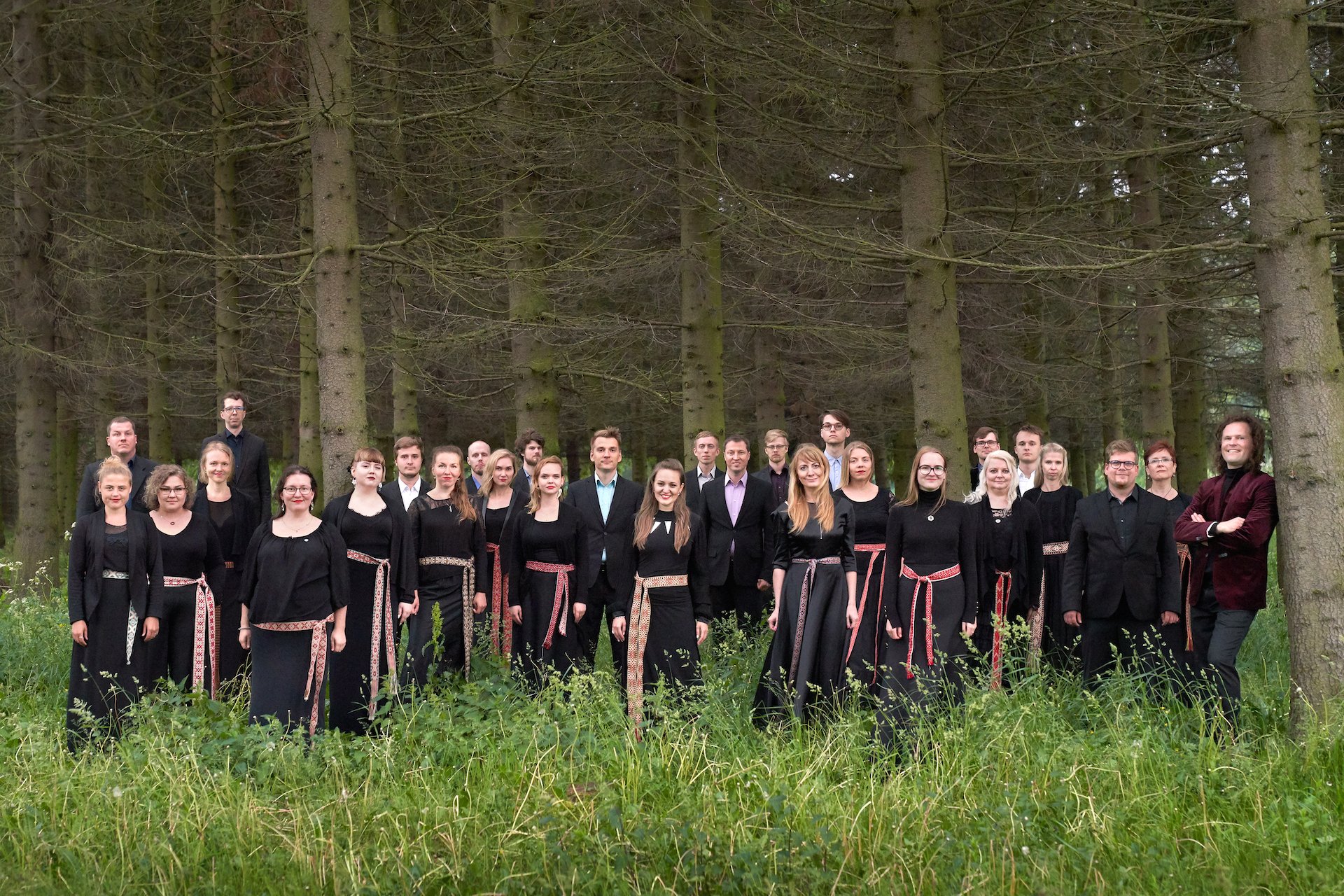
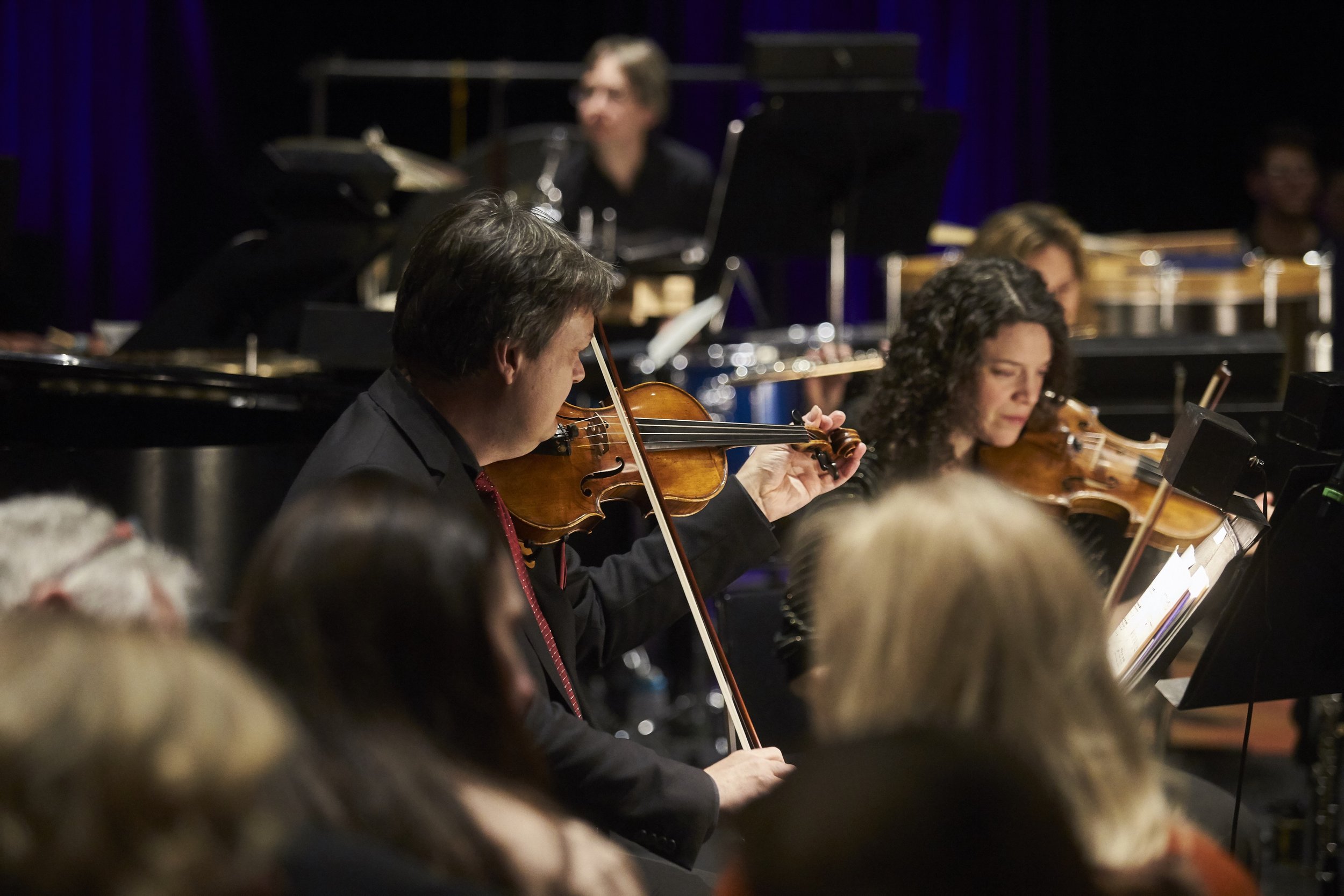
The song cycles of Veljo Tormis' Forgotten Peoples: The Ancient Songs of my Balto-Finnic Kinsfolk are especially well-known among the music Collegium Musicale sings. These compositions were created with the influence of the traditional music and languages, sometimes with very few speakers, of Finno-Ugric peoples living on the shores of the Baltic Sea. Between 1970 and 1990, Tormis gathered source material from cultures such as the Izhorians, Livonians, and Votians. Audiences may be familiar with these songs if they watched the documentary In the Steps of Forgotten Peoples that was streamed during last year's Estonian Music Week festival.
Of a more typically classical form is the choir's interpretation of Pärt Uusberg's song “Talveöö” (“Winter Night”), which utilizes the words of poet Juhan Liiv. It is sweet sounding. It paints the picture of a resting place away from trials and tribulations, akin to what we would see in a nativity scene.
Somewhere in the middle is Erkki-Sven Tüür's “Gloria.” In terms of the overall timbre, it's quite smooth. But it offers dissonant combinations of notes and mysterious, withering melodies, where profound hope and mourning are found side by side.
Informing these performances are the many years Endrik Üksvärav spent studying conducting, trumpet, French horn, and the vocal elements of early music. Highlights of his career so far include being awarded the Order of Orange-Nassau medal from King Willem-Alexander of the Netherlands in 2018. The following year, he made his Estonian Song Festival conducting debut.
As Estonian cultural ambassadors, the members of Collegium Musicale regularly tour through Europe, Asia, and now in North America. Their force as a live act has won them the title of Choir of the Year in Estonia three times, more than any other choir in Estonia. And their reputation does not precede experimentation: to open the 50th Estonian Culture Days of 2022, happening in New York City, they came together with Estonian rapper Nublu for his song “Öölaps” (“Night Kid”).
You can see Collegium Musicale perform in Toronto at 8:00 PM on May 26th at Jeanne Lamon Hall (Trinity-St. Paul's United Church). Tickets for the main floor are $70 and balcony tickets are $45, available for purchase on Eventbrite. This concert, focusing most of all on the music of Veljo Tormis, will be part of SING! The Toronto International Vocal Arts Festival—Canada's largest a capella festival.
You can also see them in Hamilton in the historic space of The Cotton Factory, where the choir will perform on June 1st at 8:00 PM, together with members of the Hamilton Philharmonic Orchestra. This will be a shorter concert, part of the HPO Intimate and Immersive series, including pieces by Erkki-Sven Tüür and Arvo Pärt. Tickets are available at hpo.org.
Finally, at 2:00 PM on June 5th in Ottawa, they will perform Sounds of Freedom, which draws from the works of Estonian composers subsequent to Estonia re-gaining independence in 1991. Tickets for this concert, taking place at Carleton Dominion-Chalmers Centre, ($45) are available from Eventbrite.
Audiences will witness the infinite possibilities of the human voice. The songs will bring listeners in contact with the lineage of Estonians. Yet, each show will approach this end differently, so try to make it to as many as you can!
***
These concerts are being organized by Estonian Museum Canada (VEMU) and Estonian Music Week, itself a project of VEMU. Major funding is provided by the Estonian Foundation of Canada. Support is also provided by the Estonian Embassy in Ottawa, the Estonian Ministry of Culture (their program “Eesti kultuur maailmas”), and the Estonian Integration Foundation. EMW's partners are SING! The Toronto International Vocal Arts Festival, the Hamilton Philharmonic Orchestra, and The Cotton Factory.
How Estonian Music Week is expanding its network at jazzahead! festival
BREMEN, GERMANY—Since it was first created in 2018 by Estonian Museum Canada (VEMU), Estonian Music Week has united several big-name jazz artists and venues between Estonia and Canada. More recently, this took shape in Mike Murley sharing the stage with Kristjan Randalu. Nearly three years ago, Kadri Voorand performed together with Juno award-winning pianist and singer Laila Biali.
Even more fruitful collaborations between Estonians and Canadians are on the horizon, though. For example, EMW is striving to bring Laila Biali and Toronto legends the Shuffle Demons to Jazzkaar festival in 2023. Now, there's a chance to move further and show the value of the festival to the rest of the world at the “Family Reunion of Jazz.”
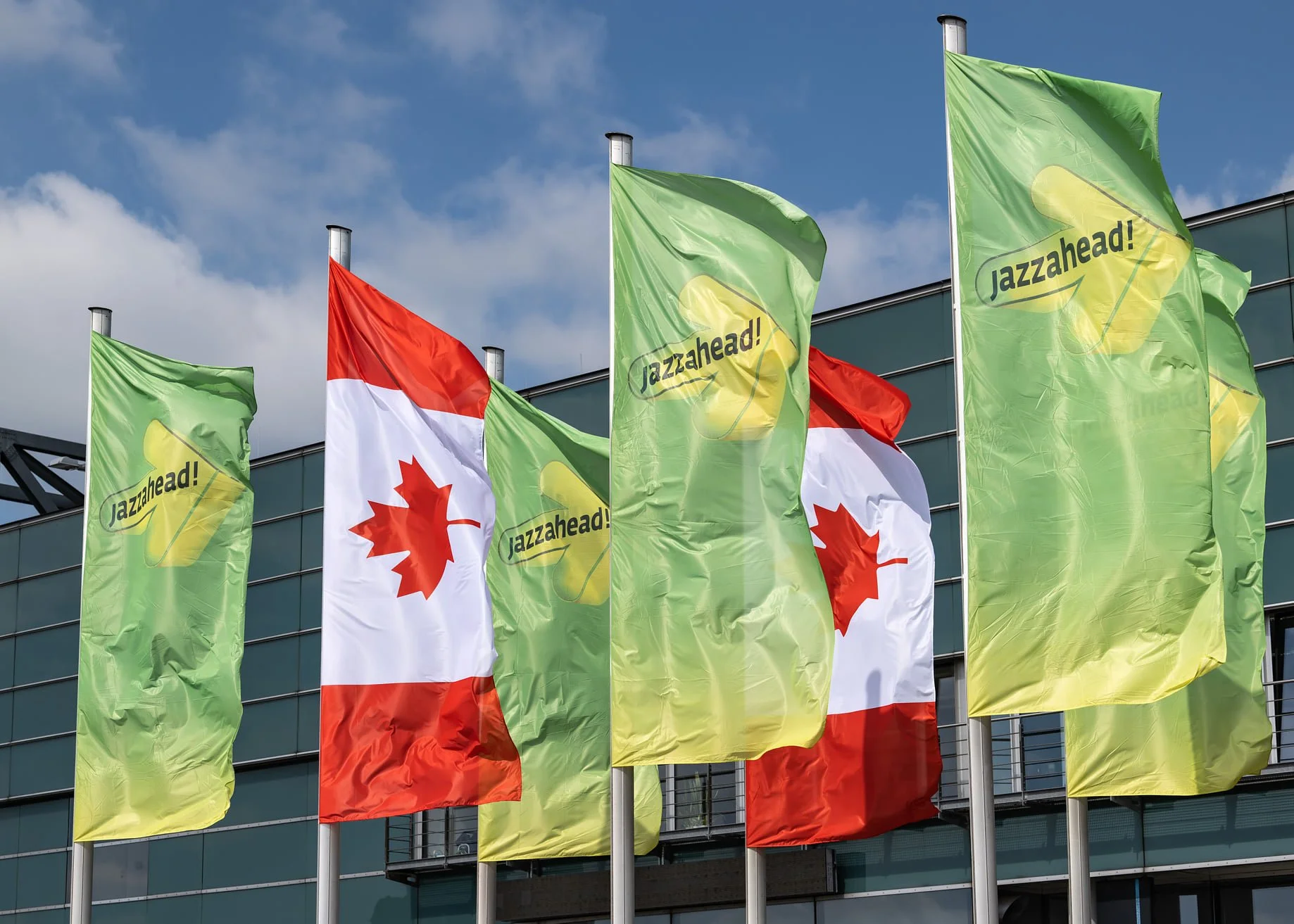
That's because Estonian Music Week will be making a trip to this year's jazzahead! festival in Bremen, Germany.
From April 28th to May 1st, the jazz section of the music industry will converge here, as they have since 2006; to listen and watch, but also establish business contacts for exciting events in the future. The anticipation is high because of the festival being cancelled in 2020 and then taking place virtually in 2021. In past years, over 3,000 delegates from 64 countries and around 25,000 visitors came to the festival, according to jazzahead!. As Joe Woodard of Cadence Magazine has described it, it's an “expanding phenom of a convention, expo, networking emporium and, yes, densely-packed and tightly organized music festival."
Particularly opportune is that, this year, jazzahead! is putting the spotlight on Canadian musicians, music businesspeople, and organizations, with the theme “Together again: jazzahead! meets Canada.” Among the featured music acts are Malika Tirolien and Laila Biali. jazzahead! confirms that during the trade fair weekend, “the program will culminate in 30 venues with 40 showcase concerts, GALA CONCERT and CLUBNIGHT." As “featured partner country” for this iteration of the festival, Canada is also presenting samples of the country's dance, performance art, literature, and film.
Estonian Music Week will join over 30 Canadian delegates and effectively represent both Canadian and Estonian jazz at the trade fair/conference. The festival's aim is to build new relationships between those in the jazz music scene from Estonia and Canada. This includes meetings with Jazz Estonia, Toronto Downtown Jazz Festival, and Festival International de Jazz de Montréal.
As stated by EMW's Executive Director Sebastian Buccioni, who will be at jazzahead!, “EMW is already becoming a recognized name in the industry. Our long-term goal for EMW is to keep building on our ability to deliver career boosting opportunities for artists on both sides of the ocean.”
Bold moves like these will ensure that Canada and Estonia's cultural dialogue becomes more audible and that EMW will continue to serve in a supportive role for Estonian musicians trying to reach new audiences in the broader world.
written by Vincent Teetsov, originally published in Estonian Life
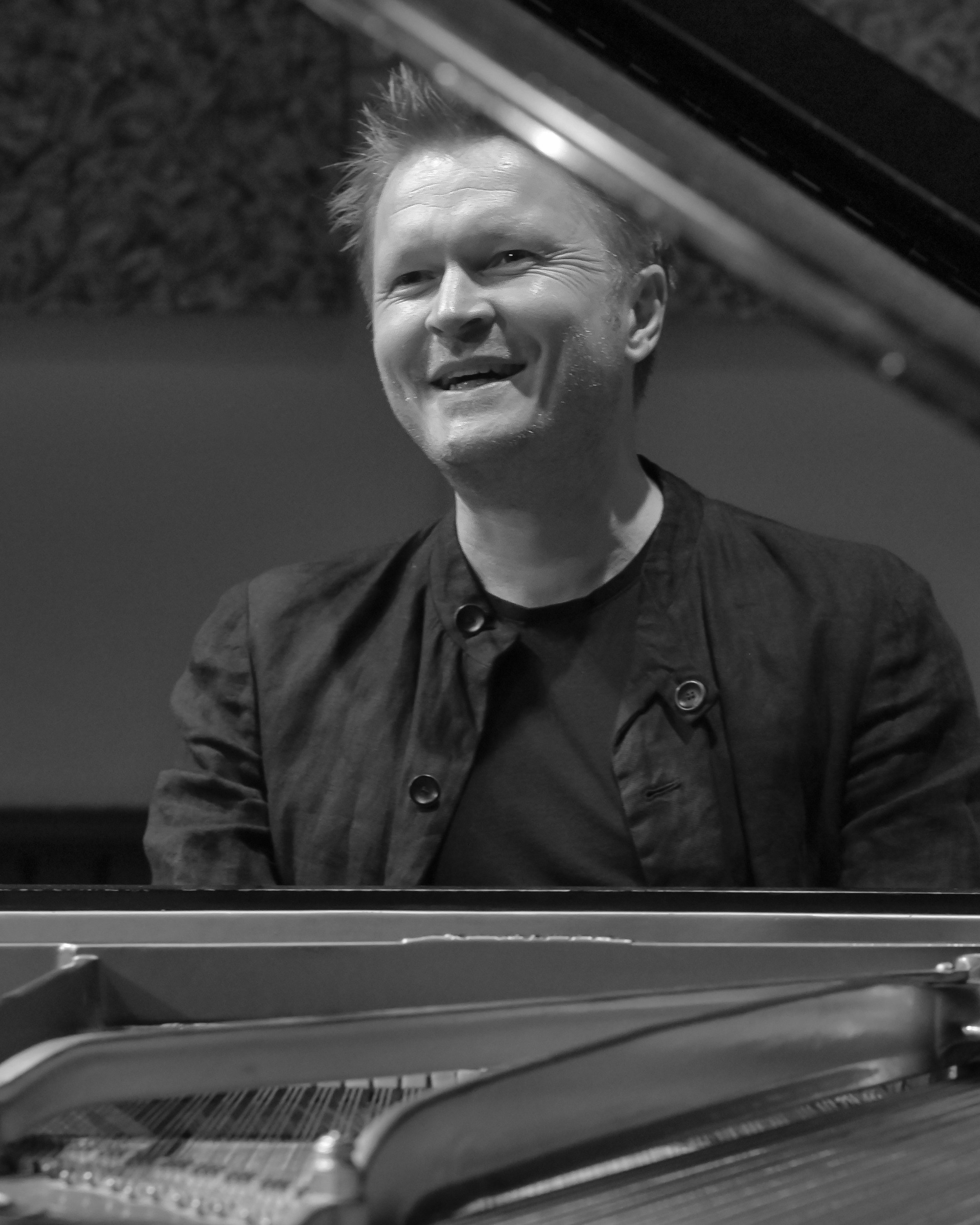
Gallery: Kristjan Randalu live in Toronto, Special Guest Mike Murley
Kristjan Randalu live in Toronto. Special guest Mike Murley. Heliconian Hall on April 12, 2022.
Heliconian Club, April 12, 2022
Photos by Peeter Põldre
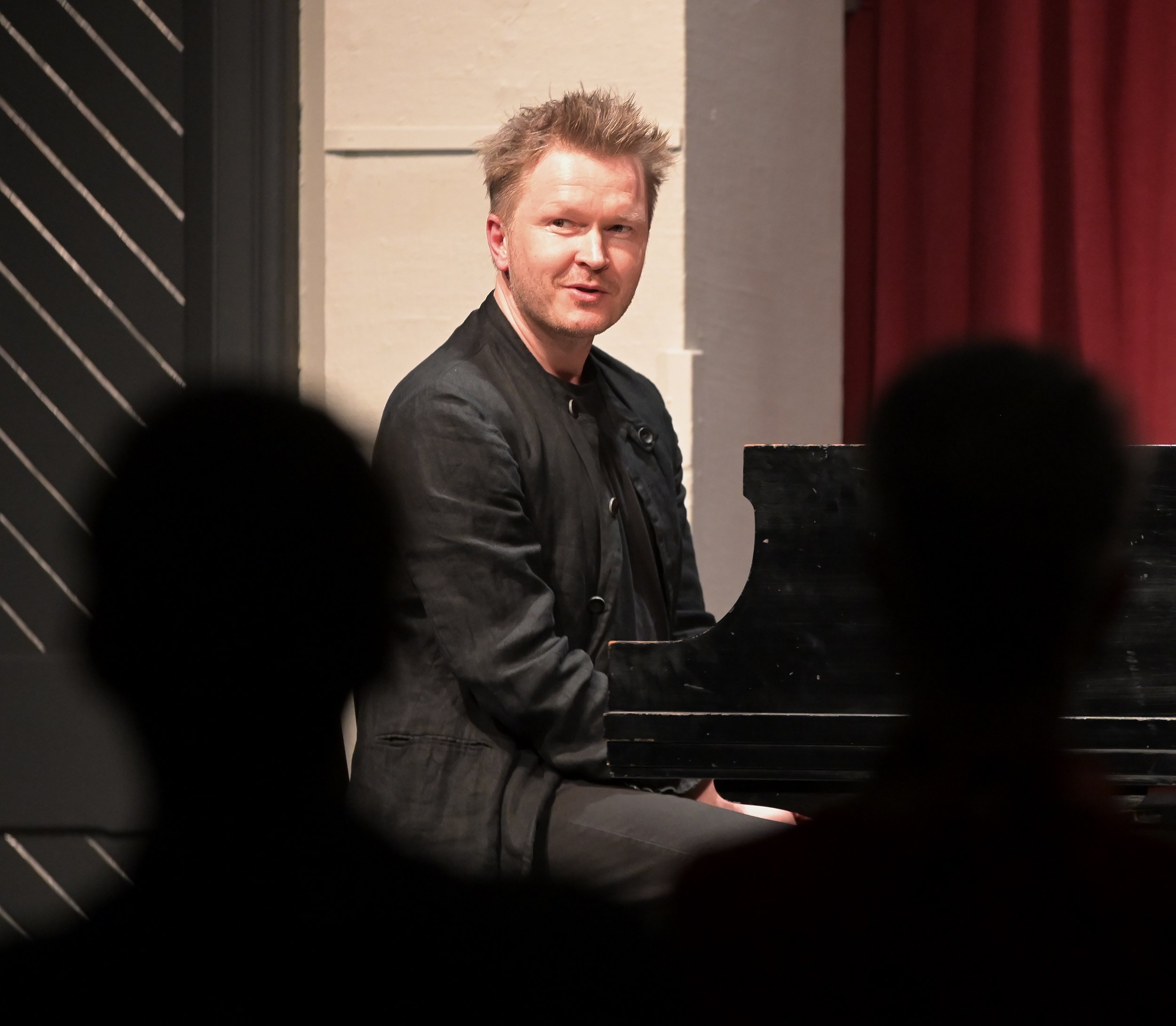
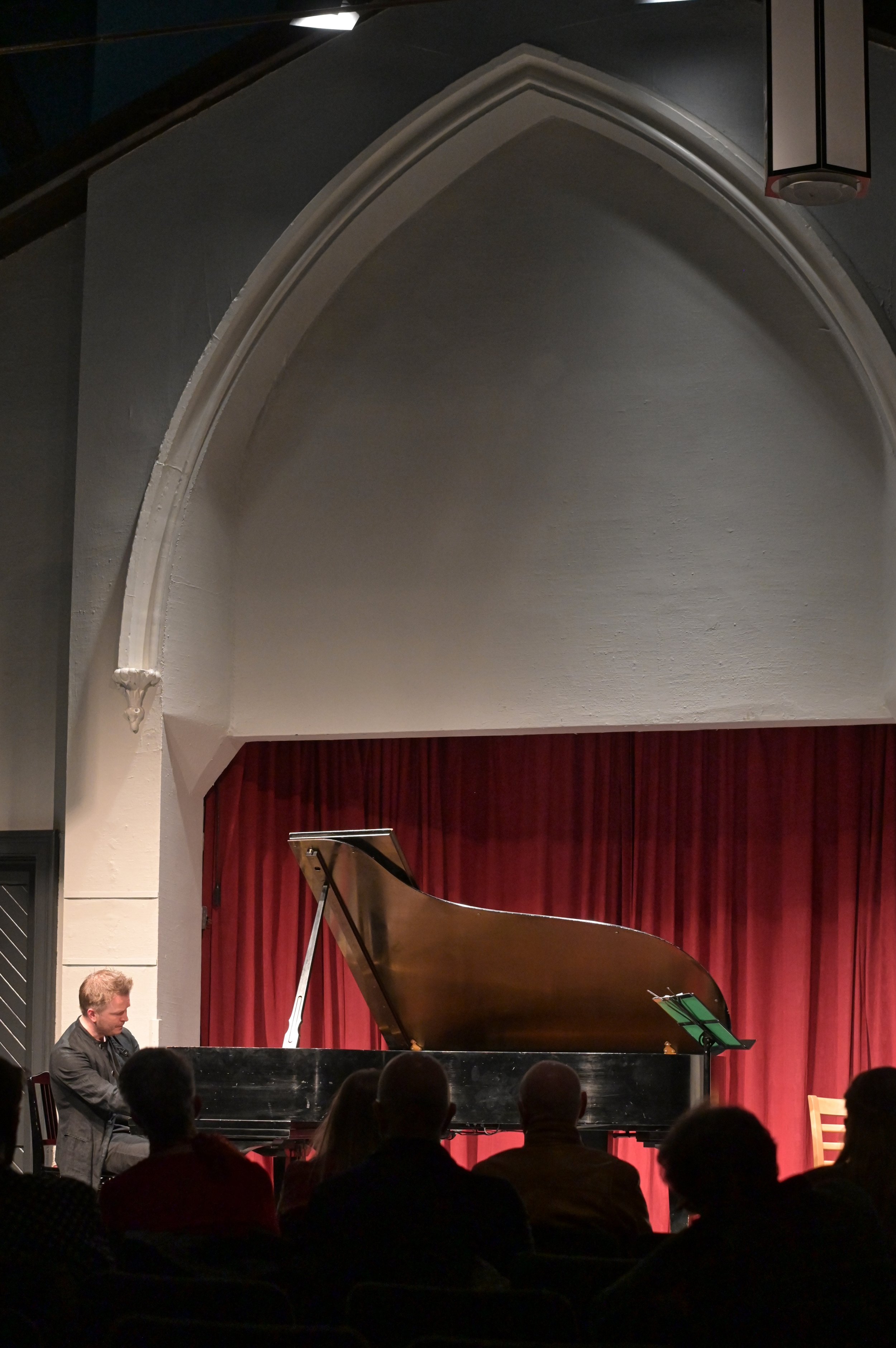
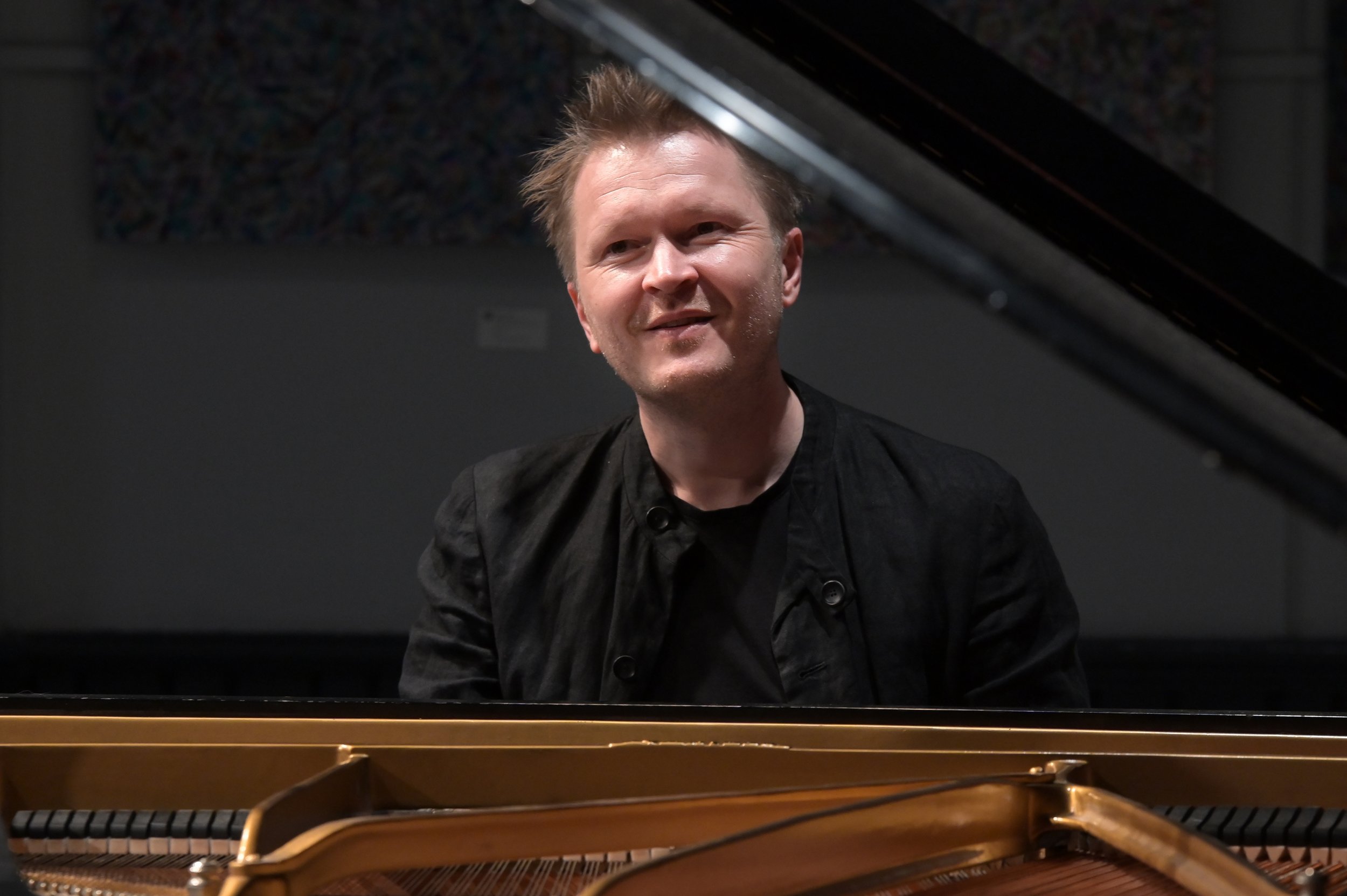
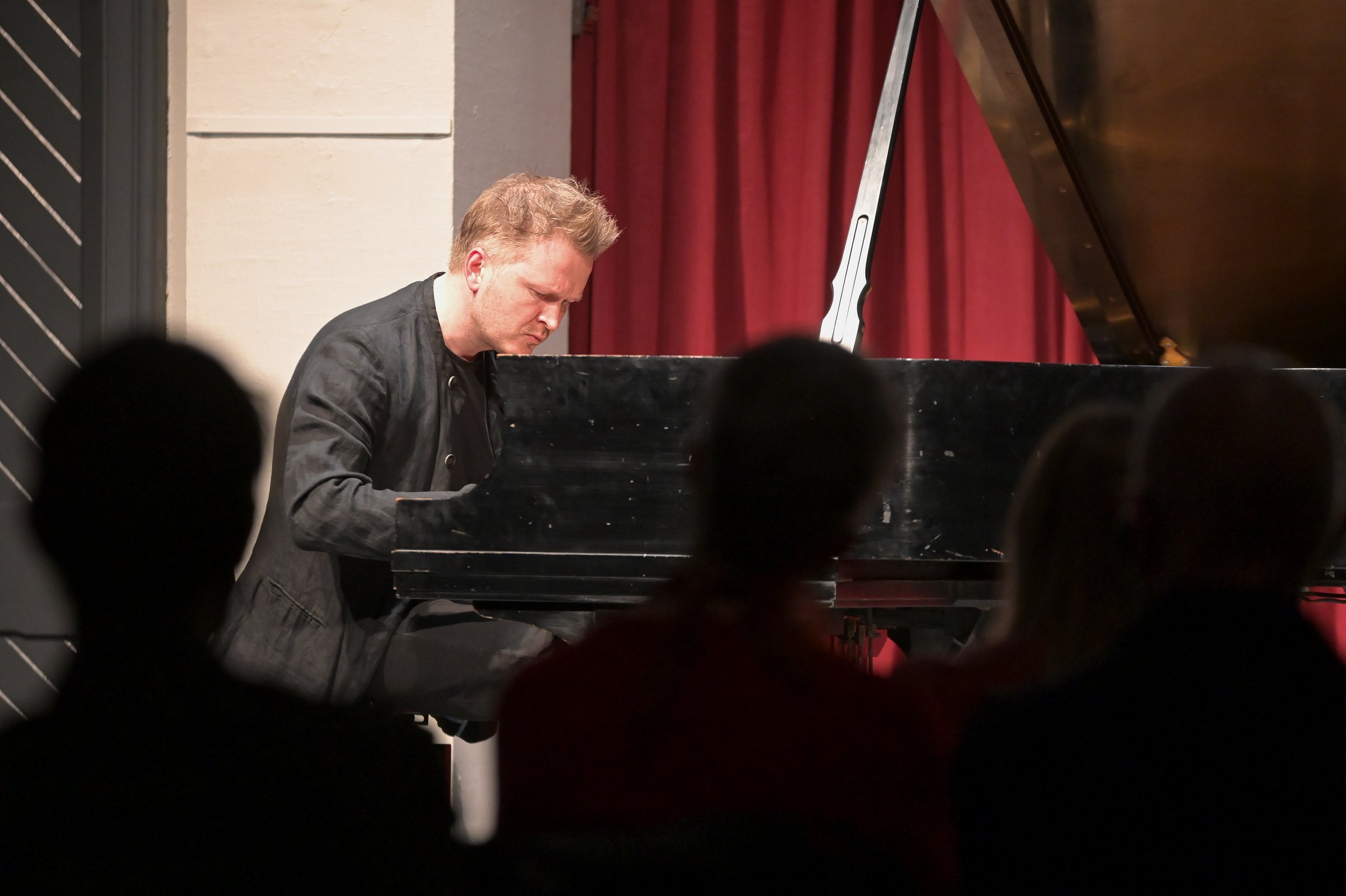
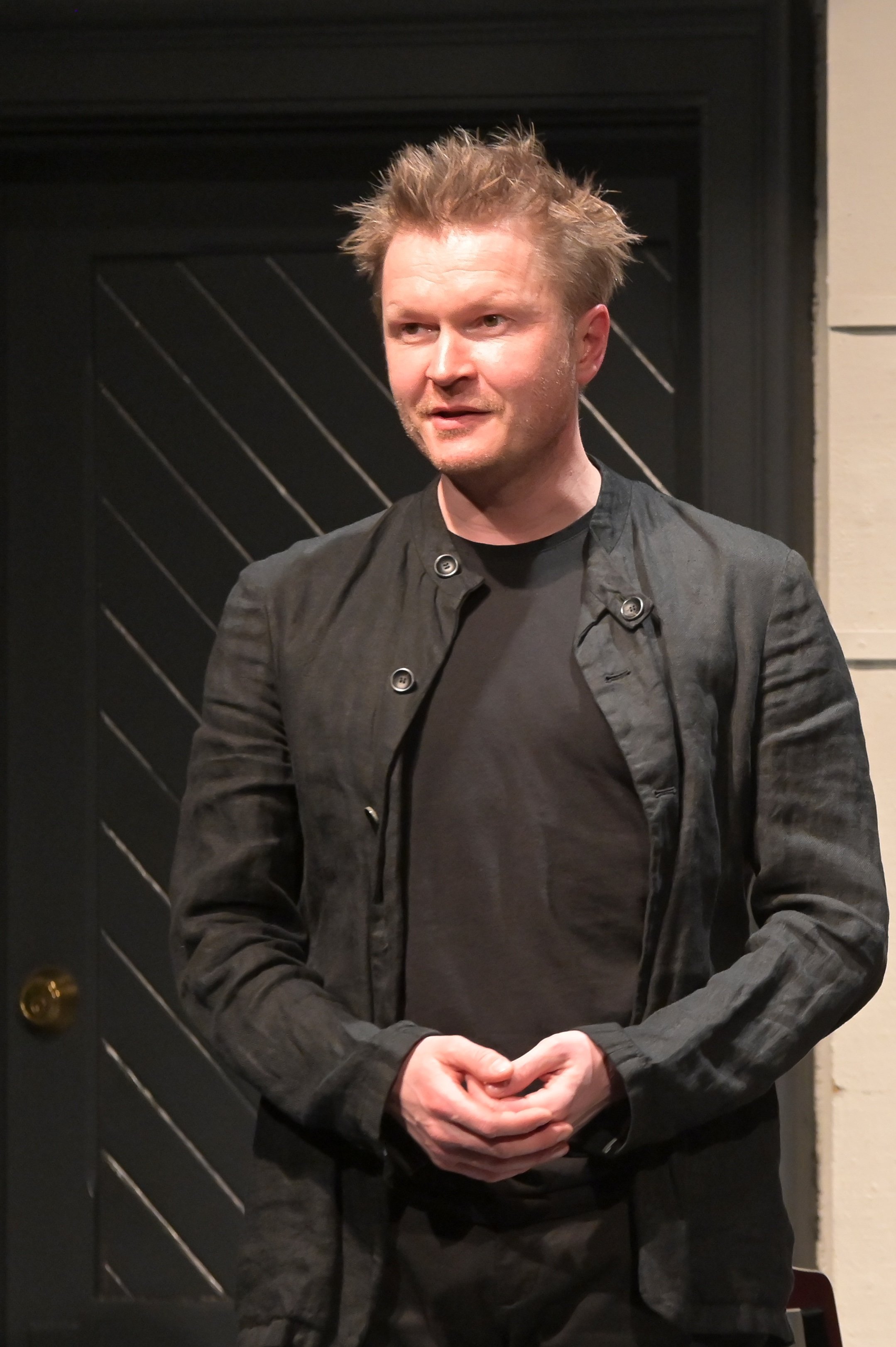
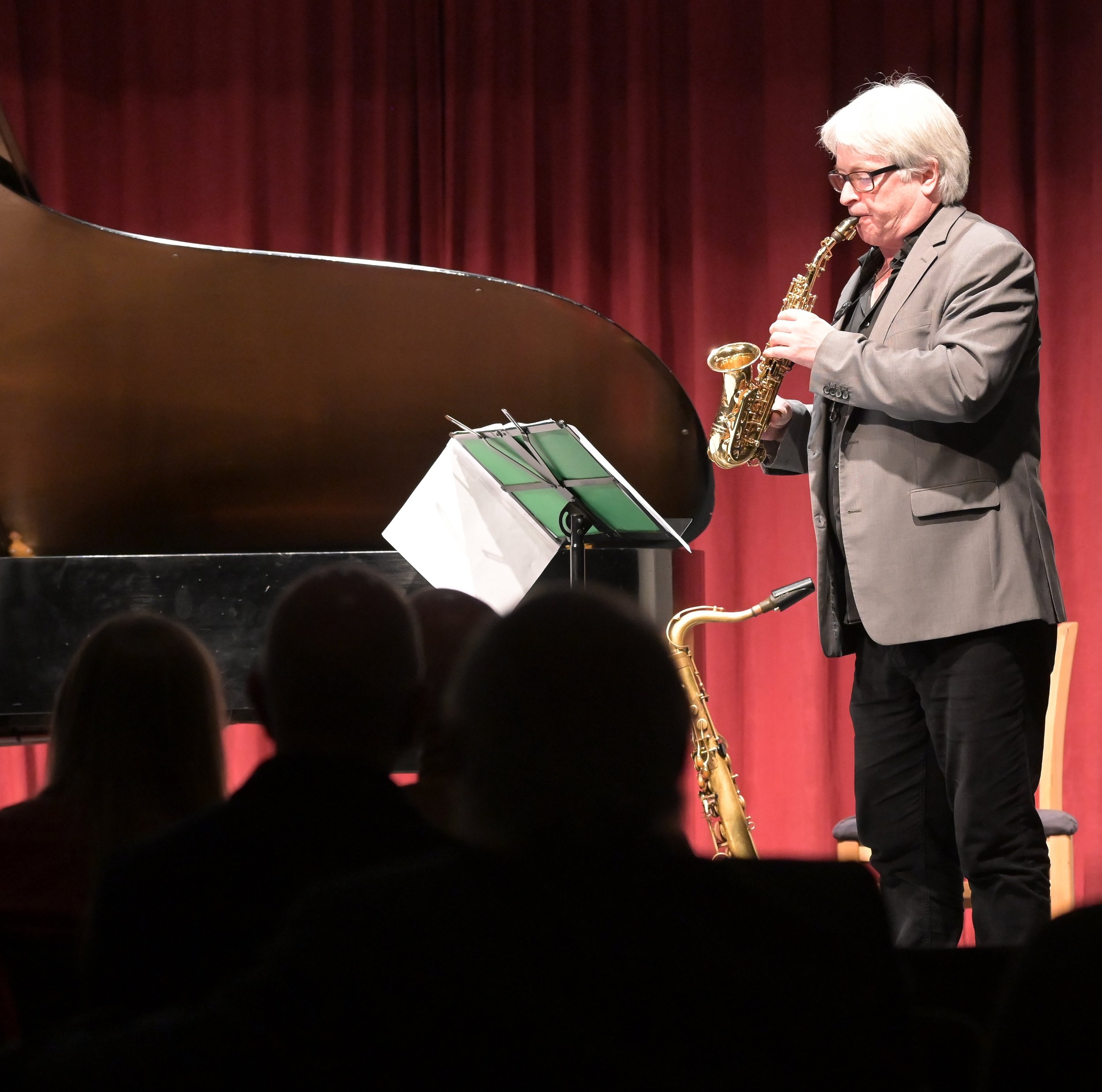
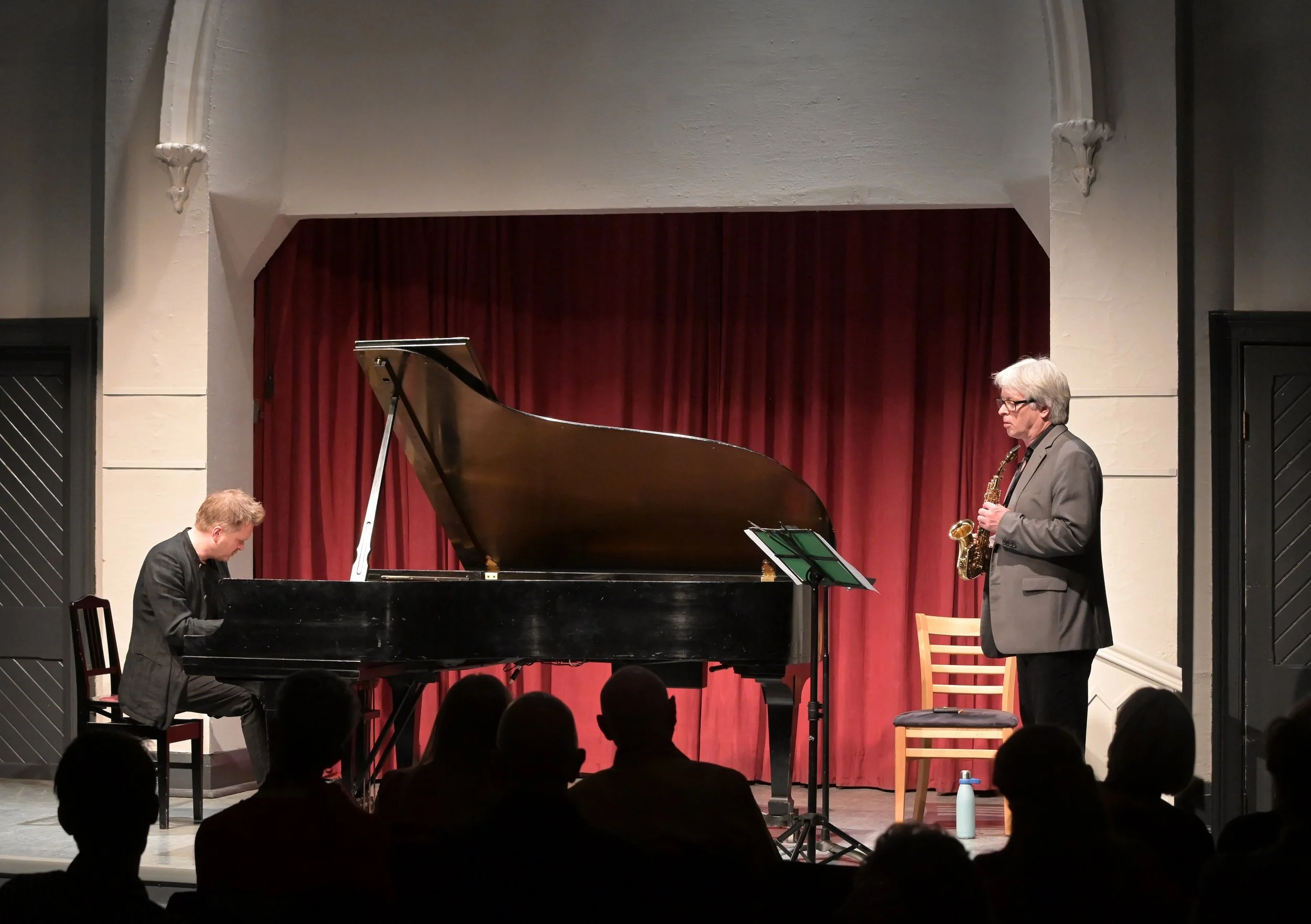
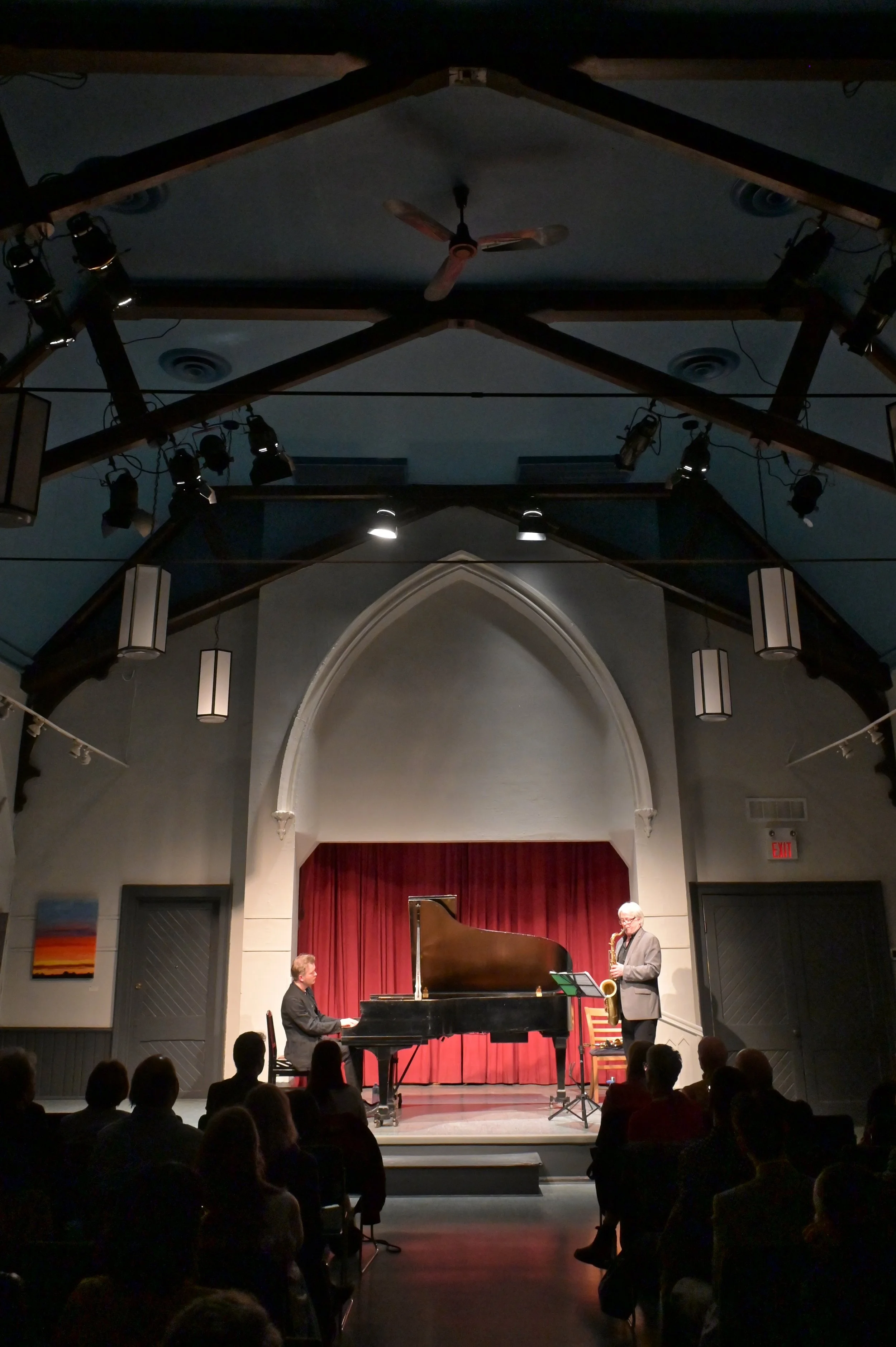
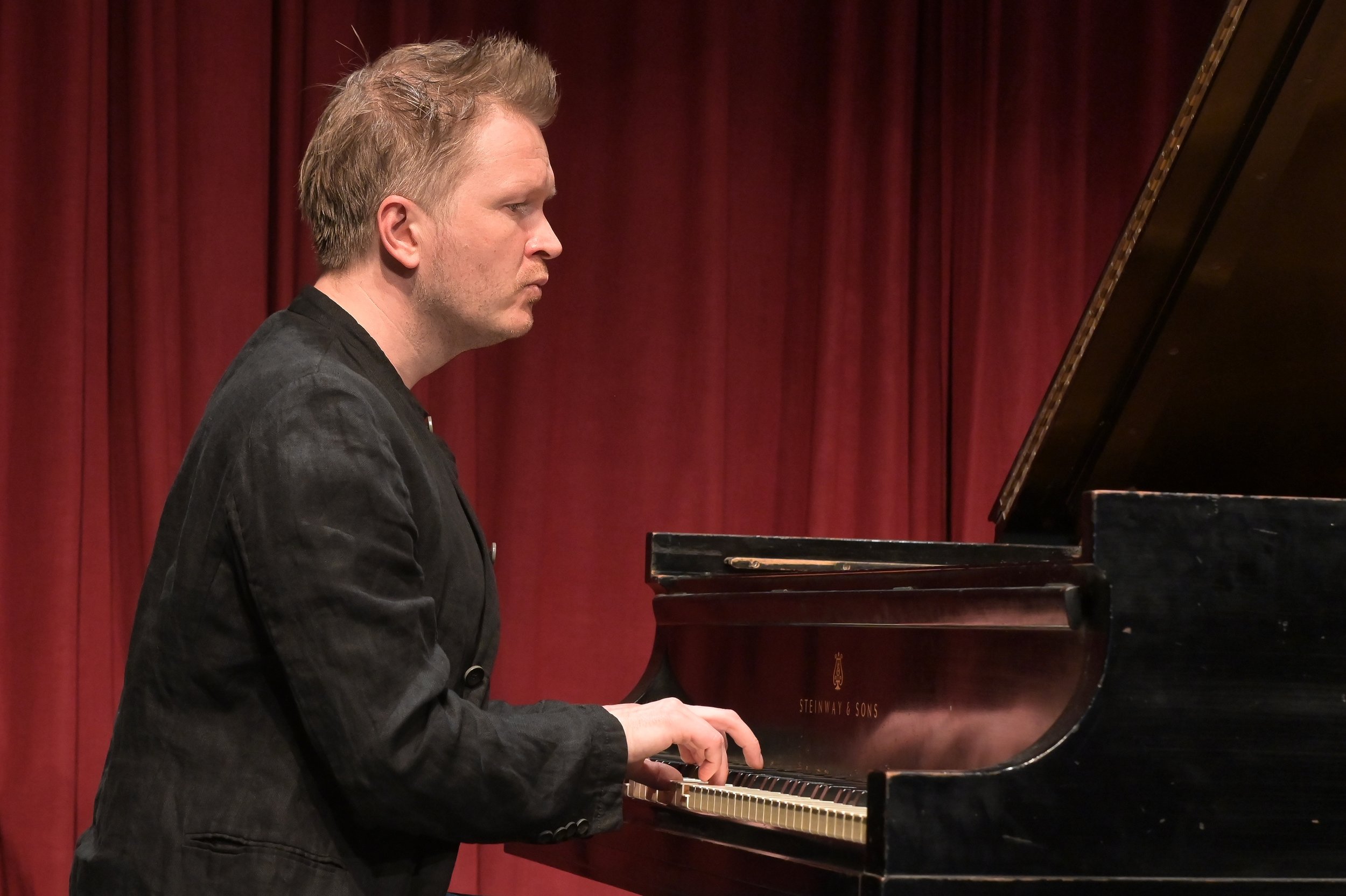
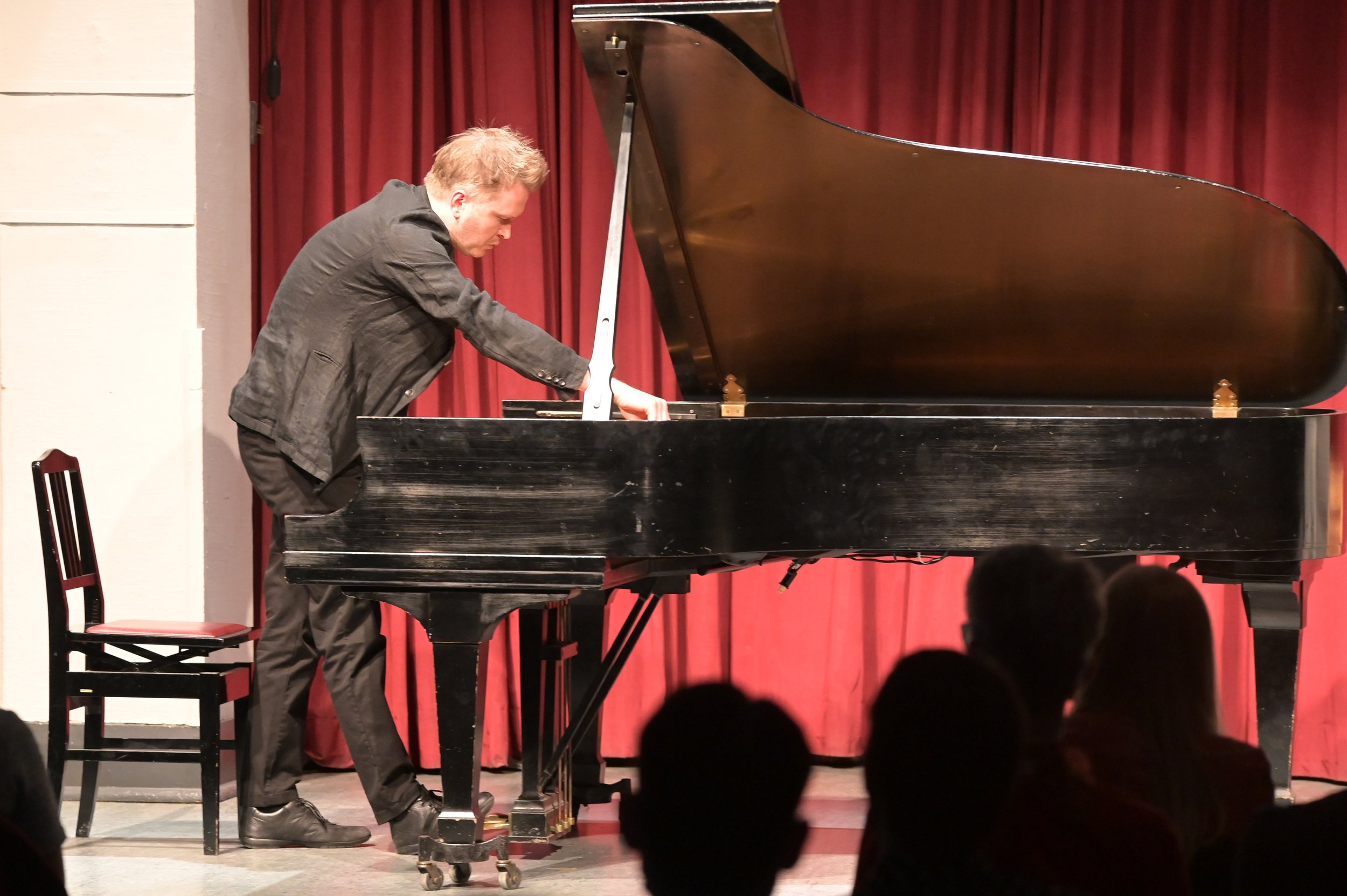
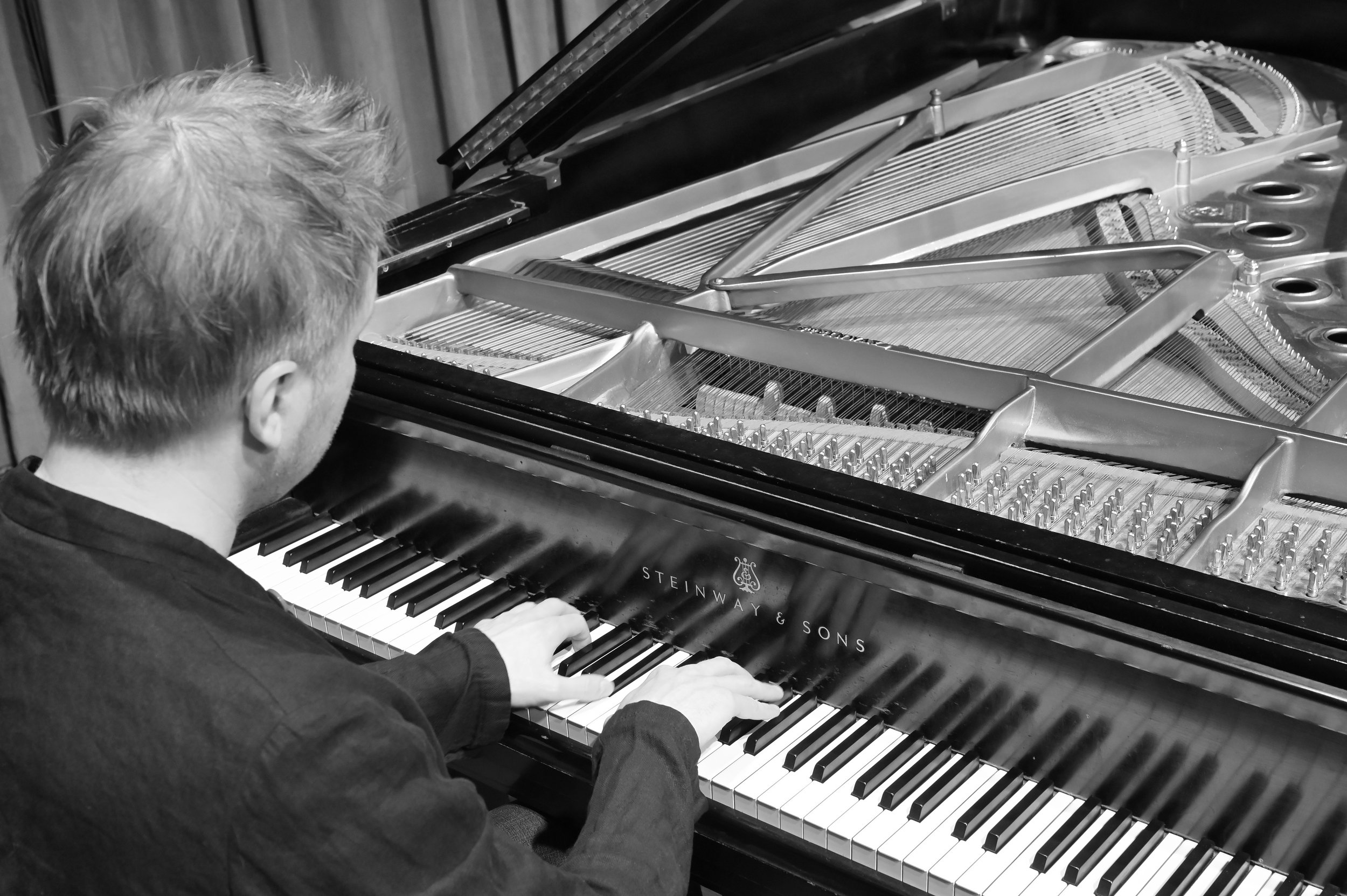
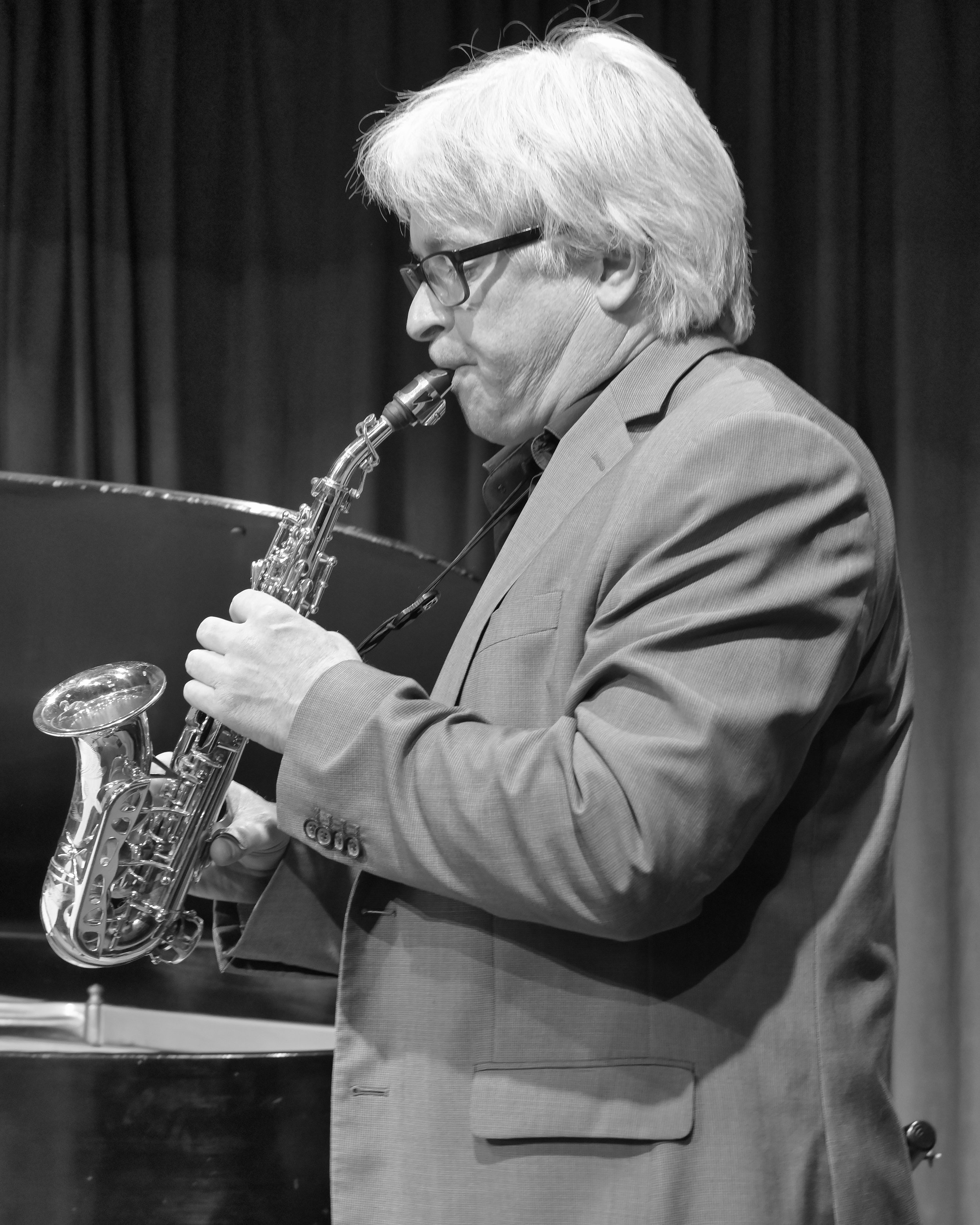
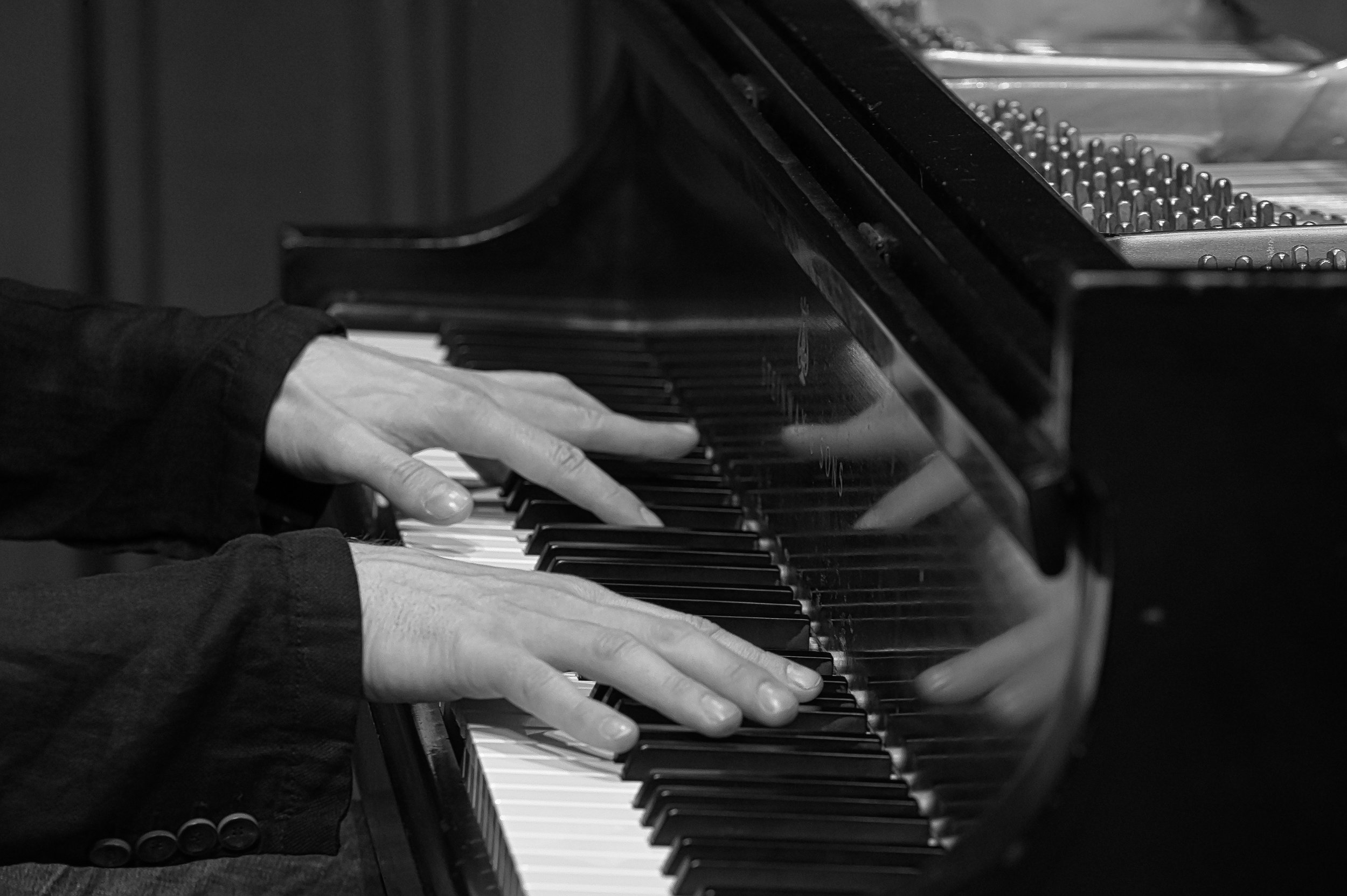
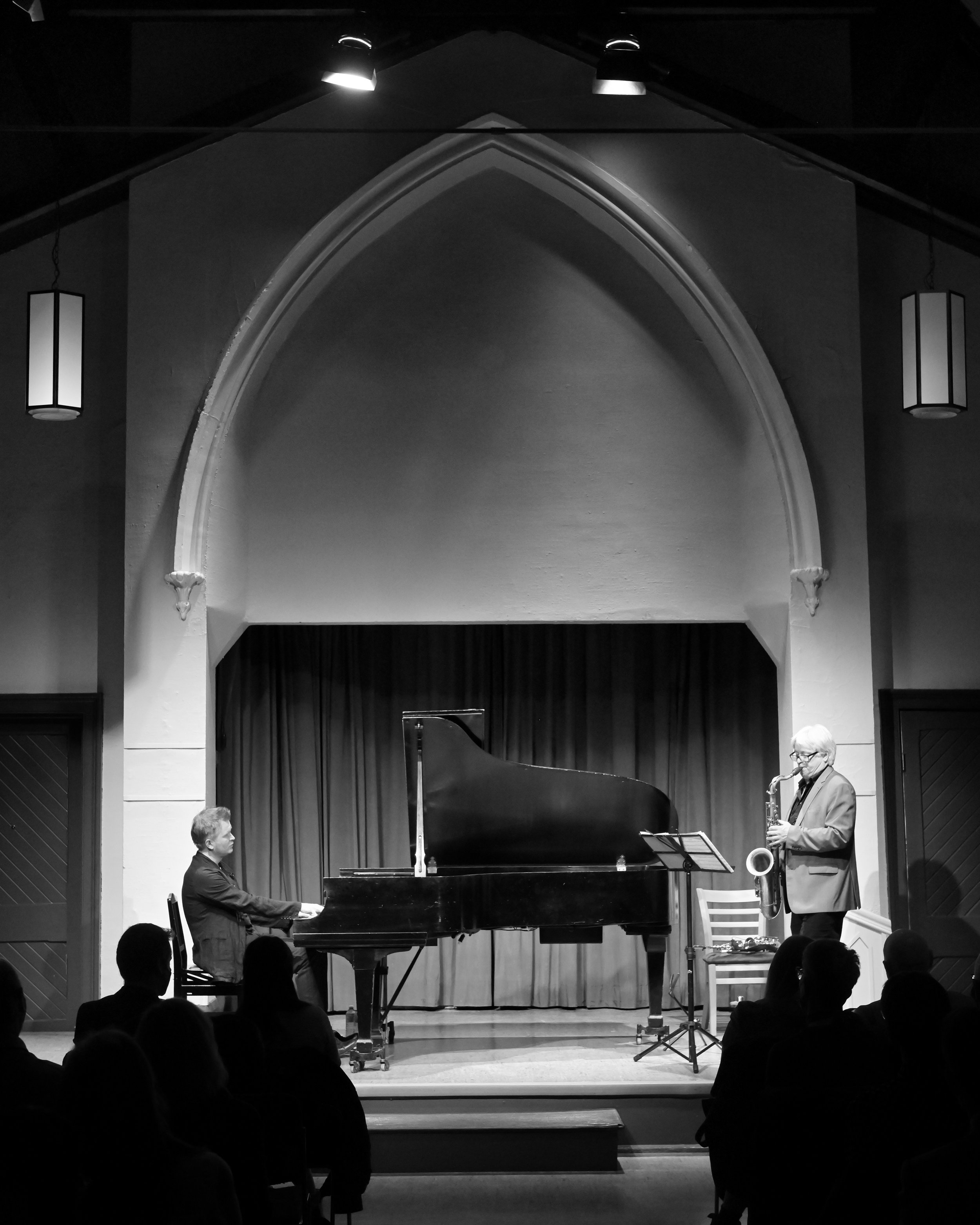
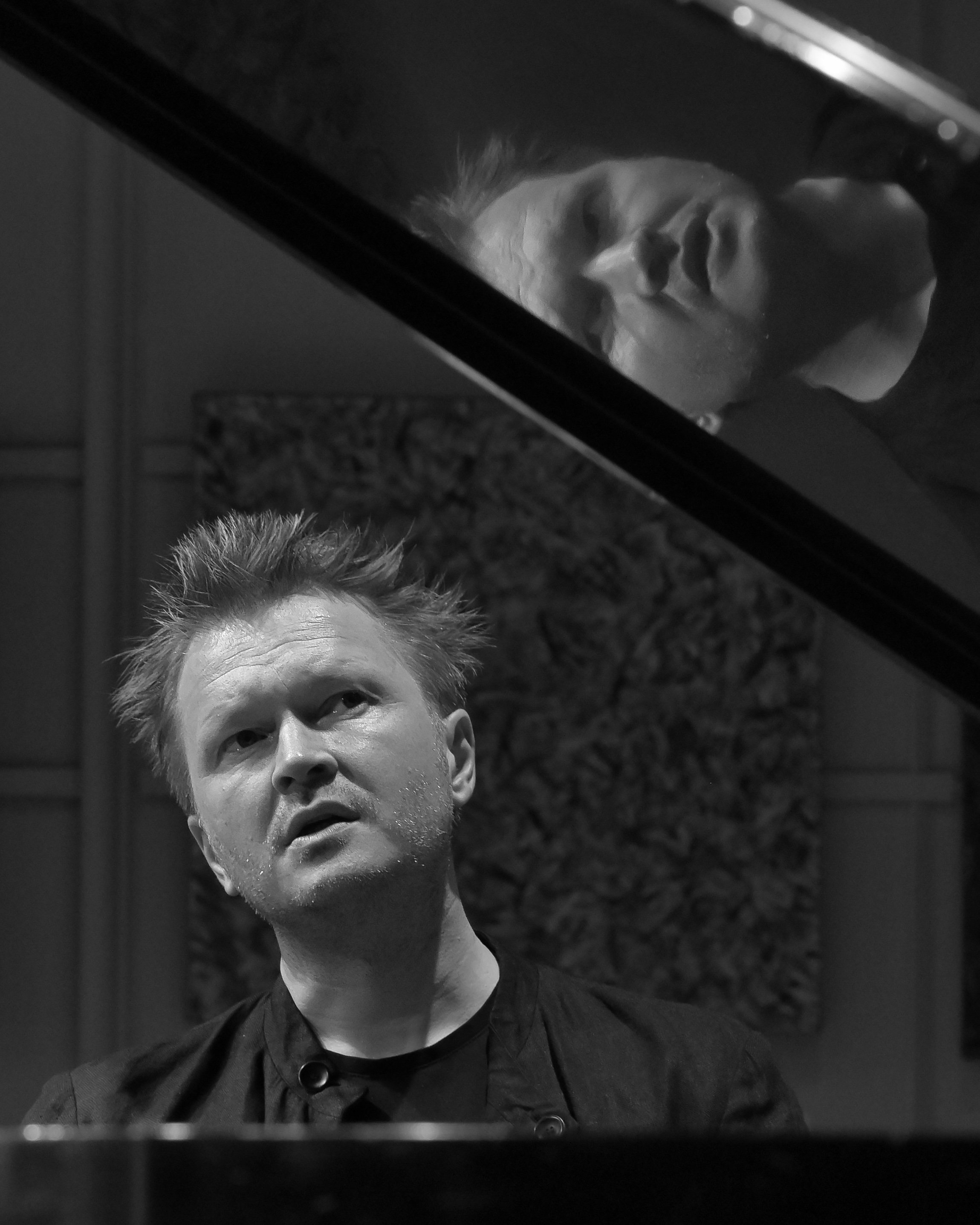
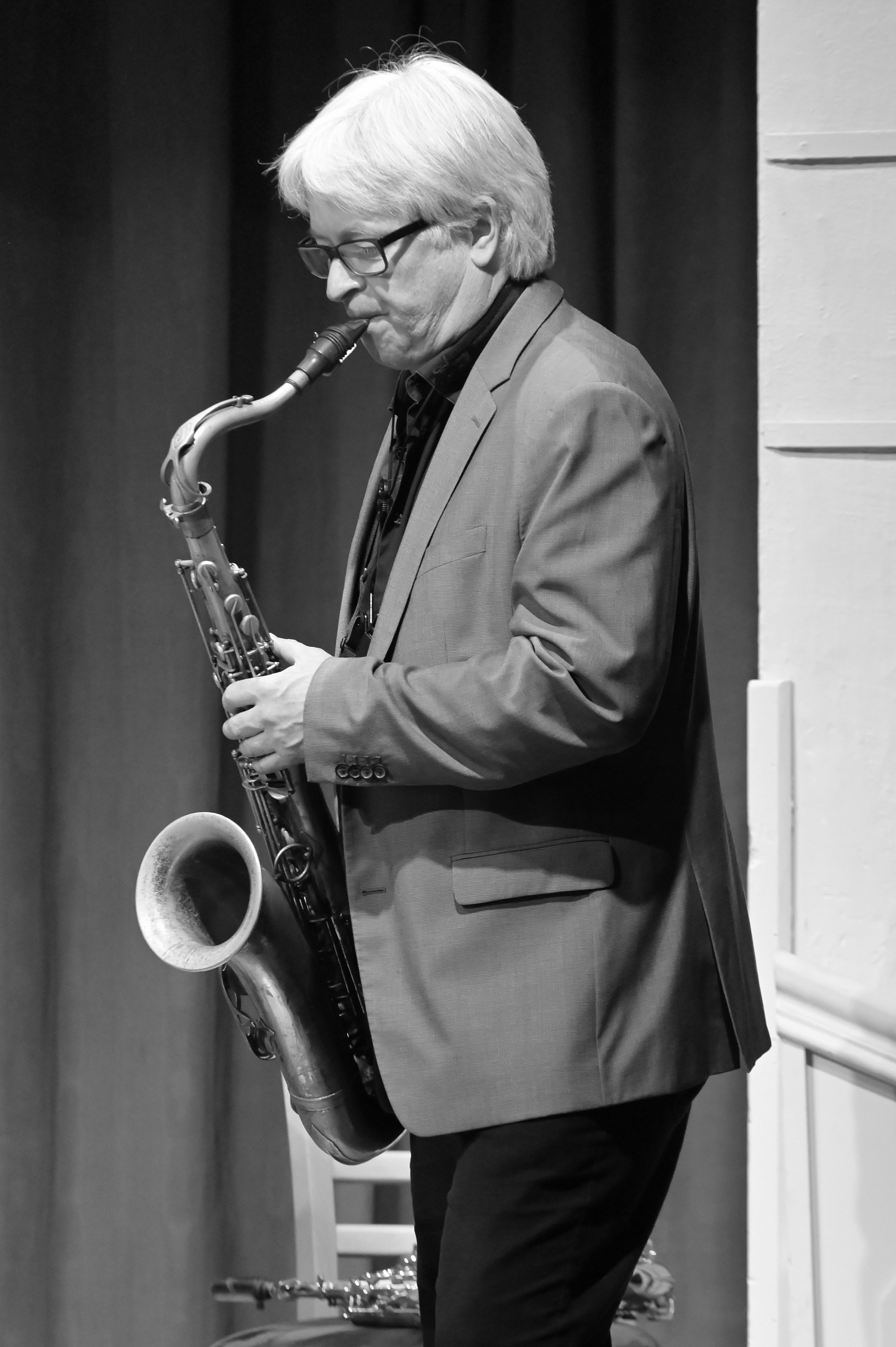
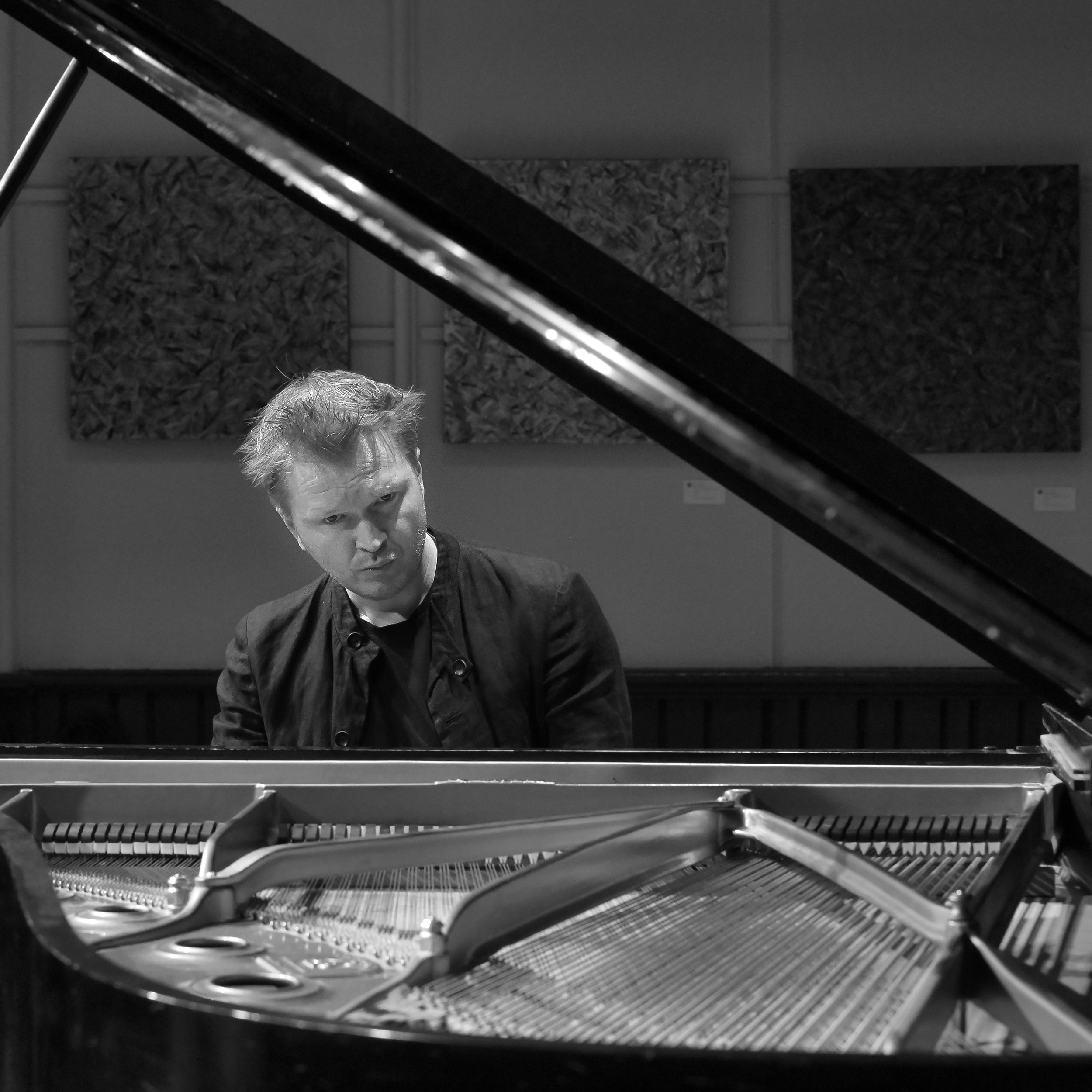
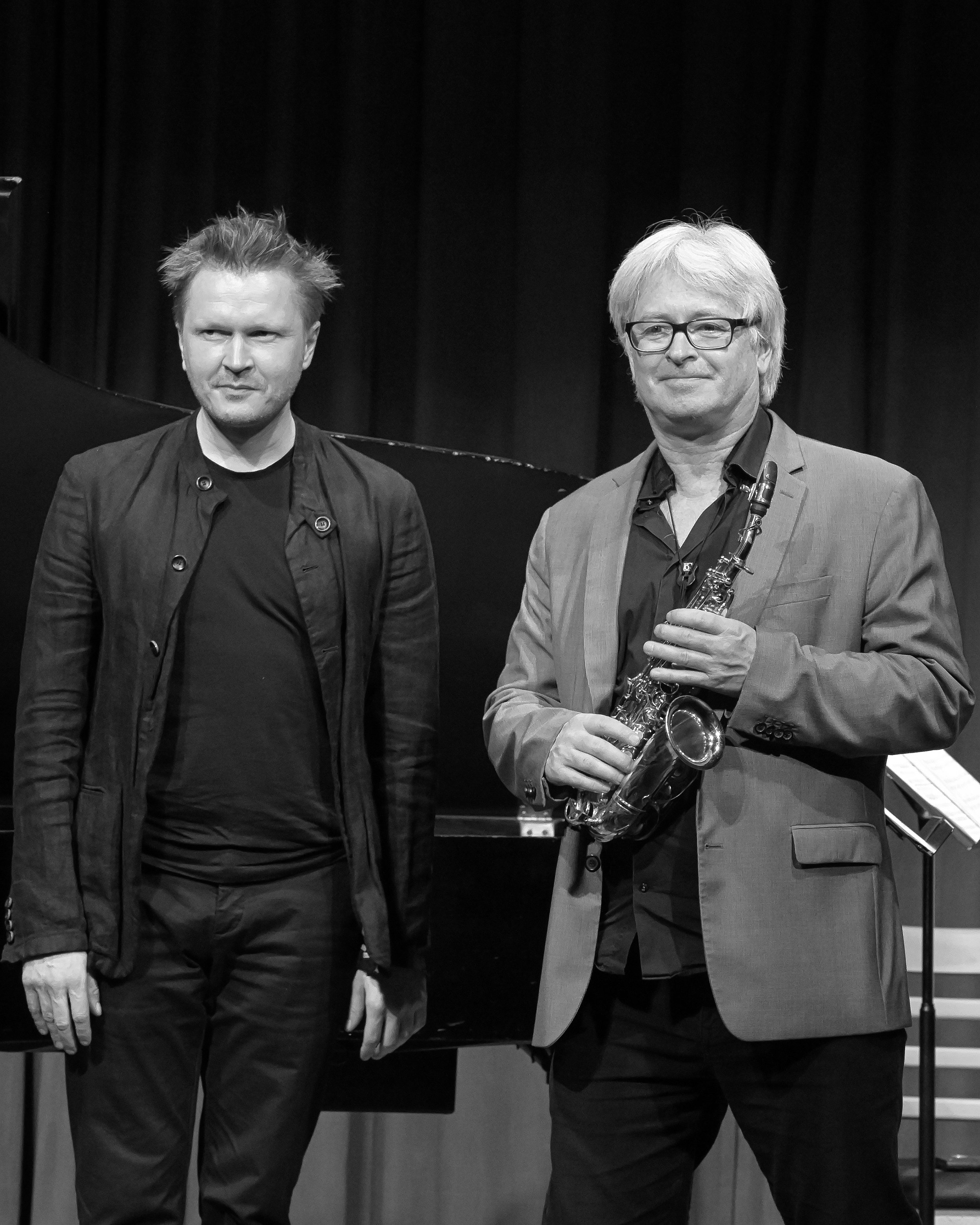
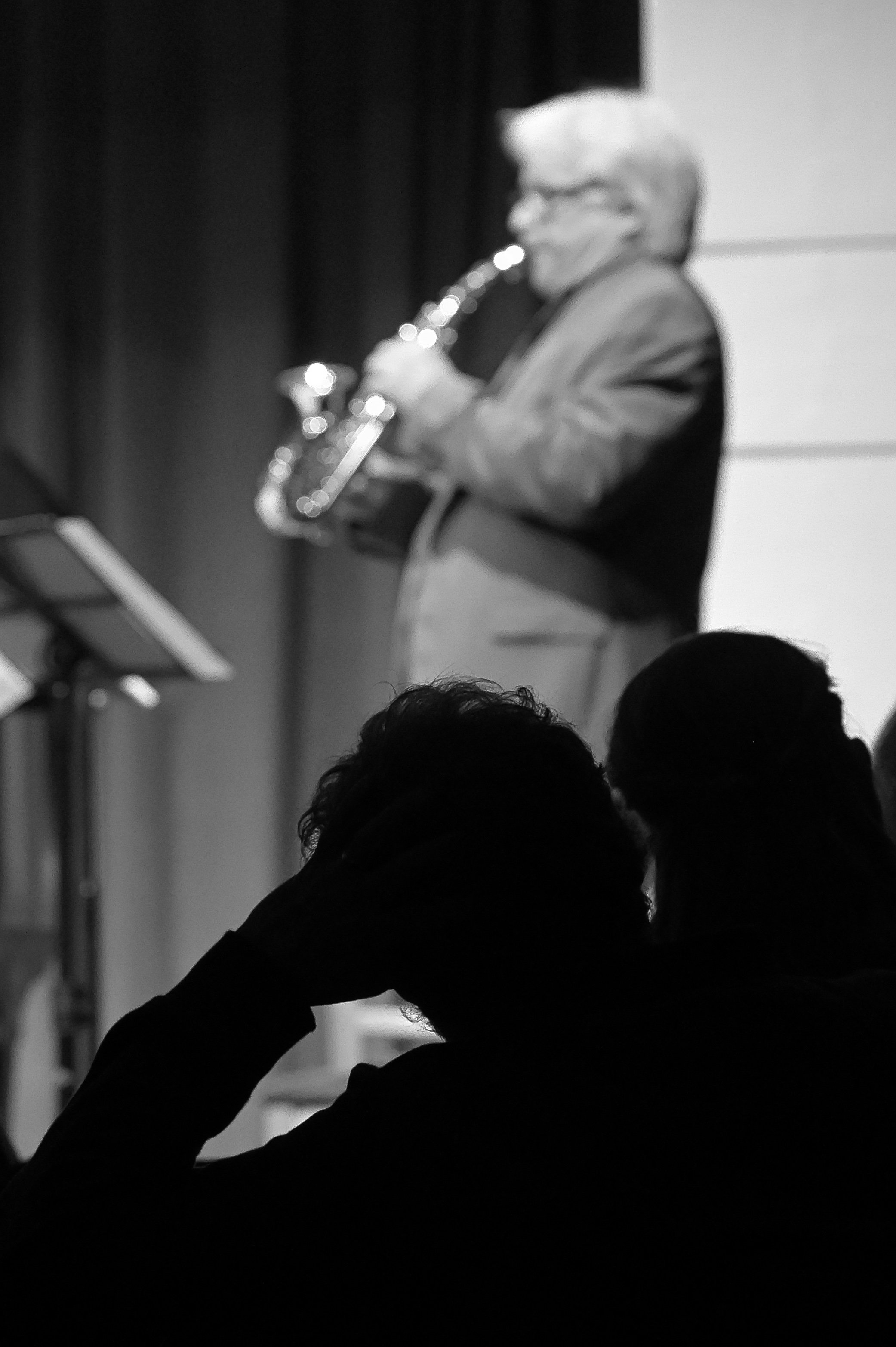
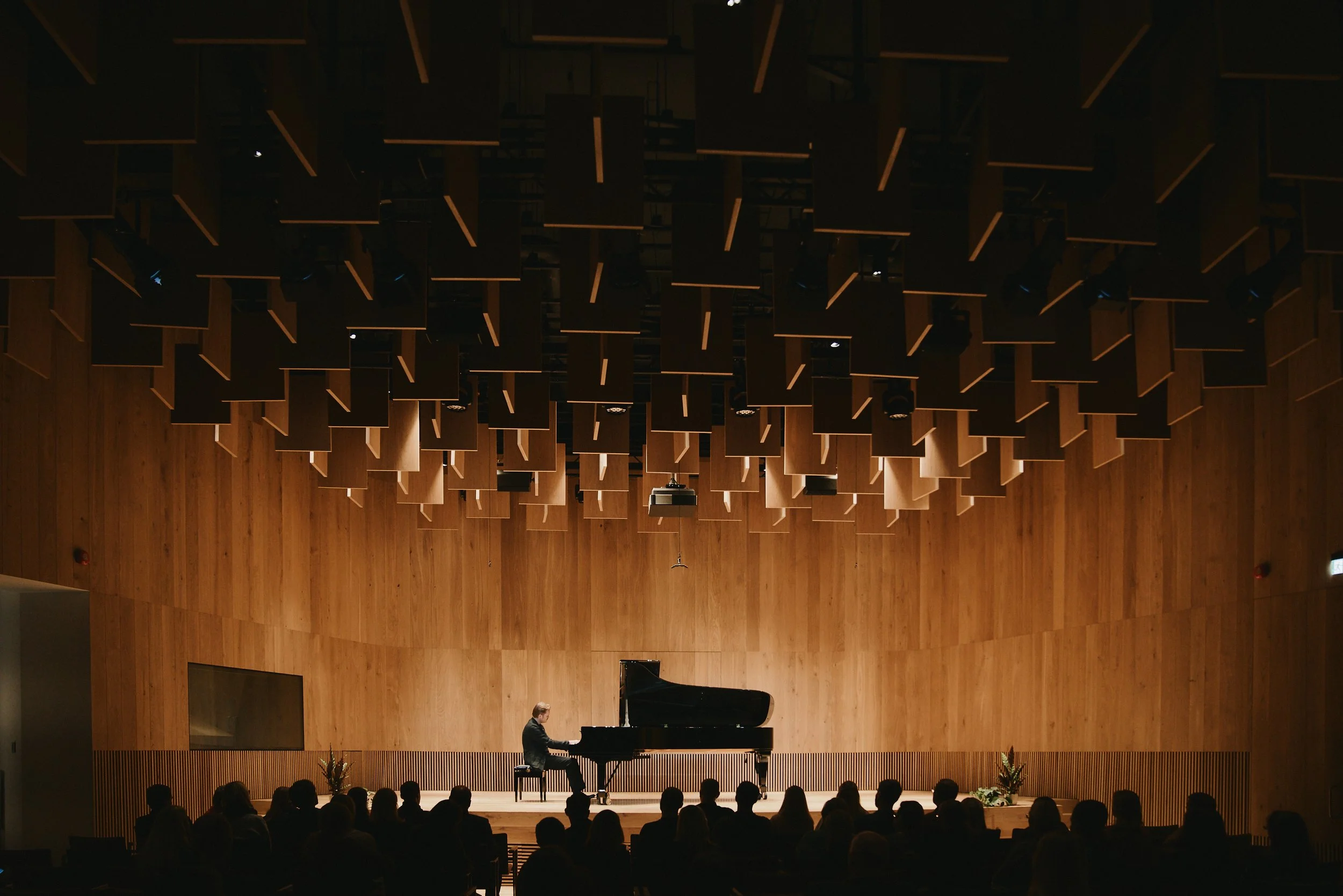
Estonian Music Week brings jazz pianist Kristjan Randalu back to Toronto on April 12th
Spring is here, and with that return of vitality, Canada is getting back two year's worth of events that were cancelled as a result of the pandemic. In late March 2020, Grammy-nominated Estonian pianist Kristjan Randalu was scheduled to play two nights at Toronto's Jazz Bistro with saxophonist Mike Murley and then singer Geneviève Marentette; followed by a show at Hamilton's Cotton Factory, alongside Terry Clarke, Reg Schwager, and Neil Swainson.
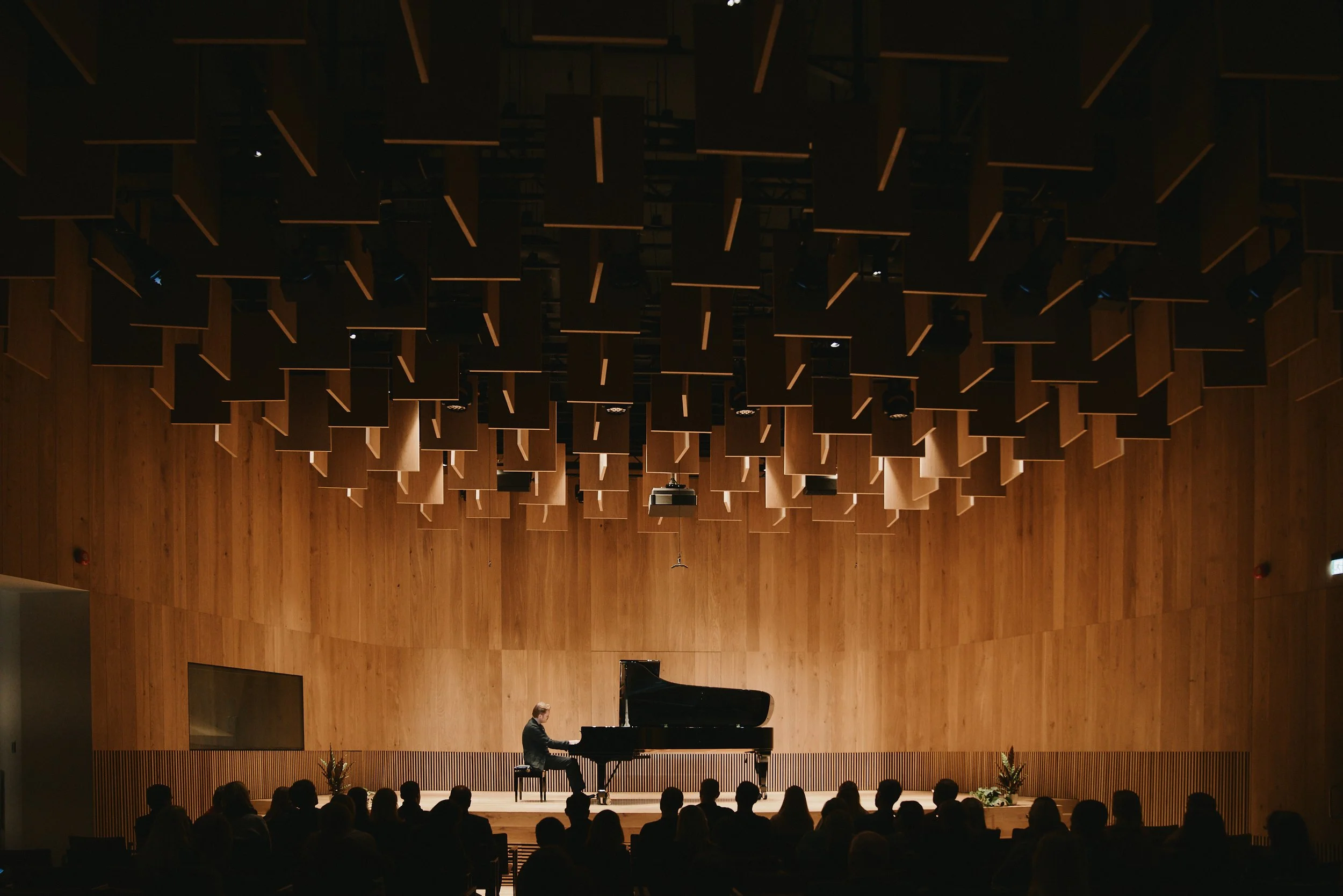
Photo: Kristian Kruuser
Written by Vincent Teetsov. Article originally appeared in Eesti Elu 25/03/22.
Spring is here, and with that return of vitality, Canada is getting back two year's worth of events that were cancelled as a result of the pandemic. In late March 2020, Grammy-nominated Estonian pianist Kristjan Randalu was scheduled to play two nights at Toronto's Jazz Bistro with saxophonist Mike Murley and then singer Geneviève Marentette; followed by a show at Hamilton's Cotton Factory, alongside Terry Clarke, Reg Schwager, and Neil Swainson.
Now, at long last, Randalu will be back in North America for a string of dates. On April 1st, he will perform with bass vocalist Ain Anger and bassoonist Martin Kuuskmann at New York City's Estonian House. This performance—part of the 50th Estonian Cultural Days held by the Foundation for Estonian Arts and Letters—has an emphasis on vocal pieces. It includes two compositions by composer Tõnu Kõrvits, Randalu's “Kolm ohvrikivi laulu”, and selections from Franz Schubert's song cycle “Winterreise” (“Winter Journey”).
Randalu will then proceed to Brooklyn, San Antonio, and finally, to the historic Heliconian Hall (35 Hazelton Avenue) in Toronto's Yorkville neighbourhood. This particular show, taking place on the evening of April 12th at 8:00 PM, is being organized by Estonian Music Week for their 2022 interim programming. The festival, which is a project created by Estonian Museum Canada (VEMU), is continuing the momentum generated by the successful hybrid concerts they put on in the autumn of 2021.
In contrast to Randalu's other North American shows this spring, his Toronto show will mostly consist of solo piano, with accompaniment on a few songs by Mike Murley. Once again, the festival is curating Estonian and Canadian talent like they do best. The cancelled 2020 shows aside, Randalu played with Murley back in 2019, making for a cohesive pairing that Sebastian Buccioni (EMW's Artistic and Executive Director) has called “a natural fit.”
As a band leader and member of numerous combos, including notable Canadian bands such as the Shuffle Demons and Metalwood, Murley has participated in 14 Juno Award-winning records. It's easy to see why: his approach to the sax is smooth, melodious, and responsive to all that comes his way.
The larger part of this concert will feature songs from Randalu's 2018 album Absence, recorded in Provence, France. Producing the album was ECM Records founder Manfred Eicher, who has worked closely with jazz artists and contemporary Estonian classical composers alike. These artists include Pat Metheny, Jack DeJohnette, Arvo Pärt, and Erkki-Sven Tüür.
Before the concert, readers are recommended to seek out Absence; above all, the track “Partly Clouded.” If Murley joins in on this composition live on saxophone, emulating the role of the guitar in the recording, it will be a sound to behold. This lead part harmonizes Randalu's thunderous, growling piano and goes astray vividly, like a dinghy on the open sea. Also listen to “Sisu.” The intro is meditative and airy, which is deceptive, when presented with descending chords and a tantalizing lack of resolution in the middle part of the song.
These stimulating components of Randalu's signature style have also been felt in the cinema world recently, as he contributed to the score of The Matrix Resurrections. His playing (such as in the piece “Meeting Trinity”) added to the sinister, self aware dynamic of the film, through alternating instances of off-kilter chords and sparse, soft notes.
Kristjan Randalu's name is appearing more and more in the music world, so it's an honour that he is dedicating the concluding stop of his tour through North America to catch up with Estonian Music Week's audience.
***
To leap on this live music opportunity and start this next era of arts and culture on the right foot, get your tickets ($20 each) here For the safety of concert-goers, Estonian Music Week will continue to require proof of vaccination to be shown and masks to be worn upon entry to the concert. Please let us know if you require exemption by contacting emw@vemu.ca.
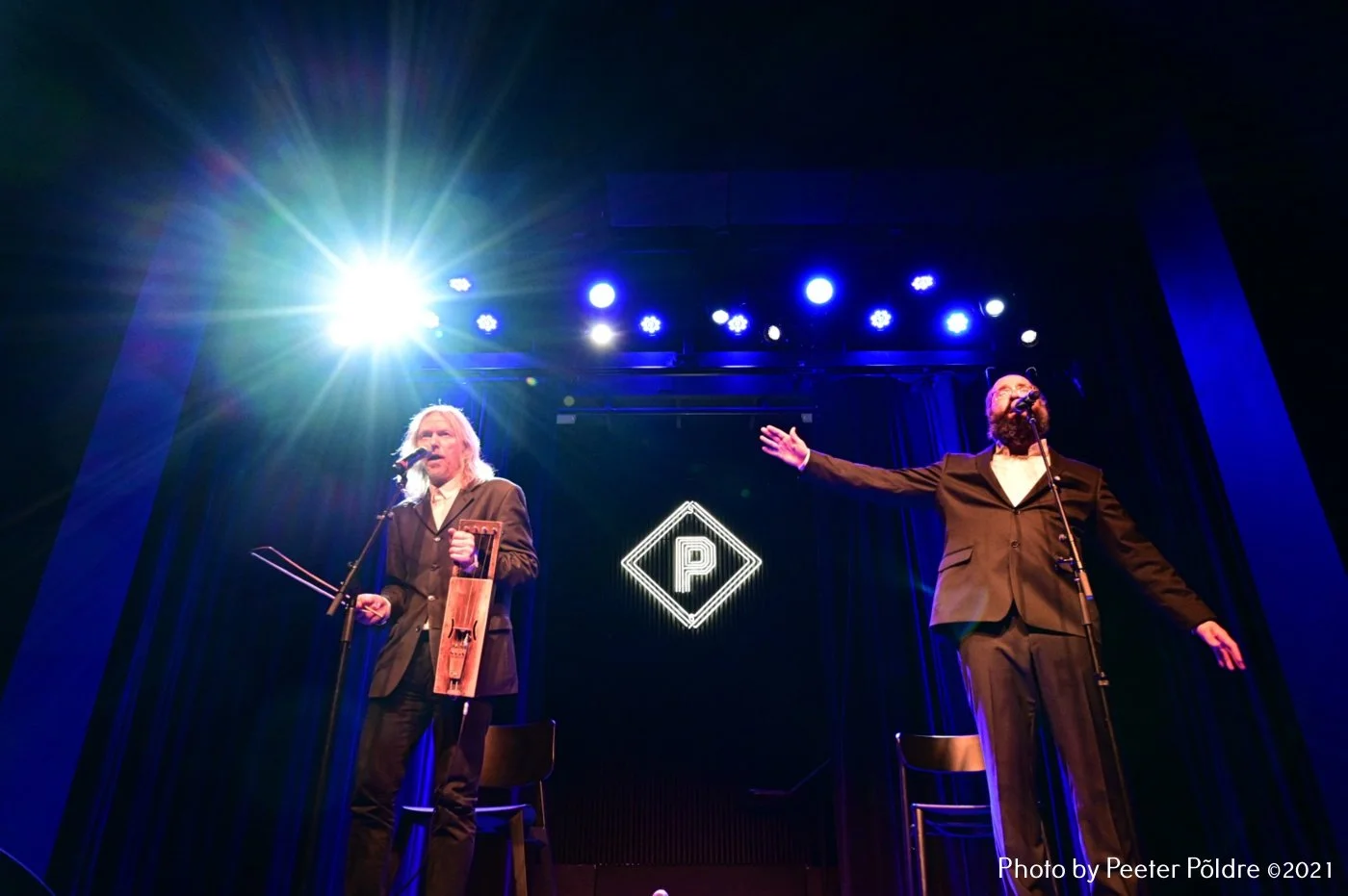
Puuluup in Hamilton & Toronto - Gallery
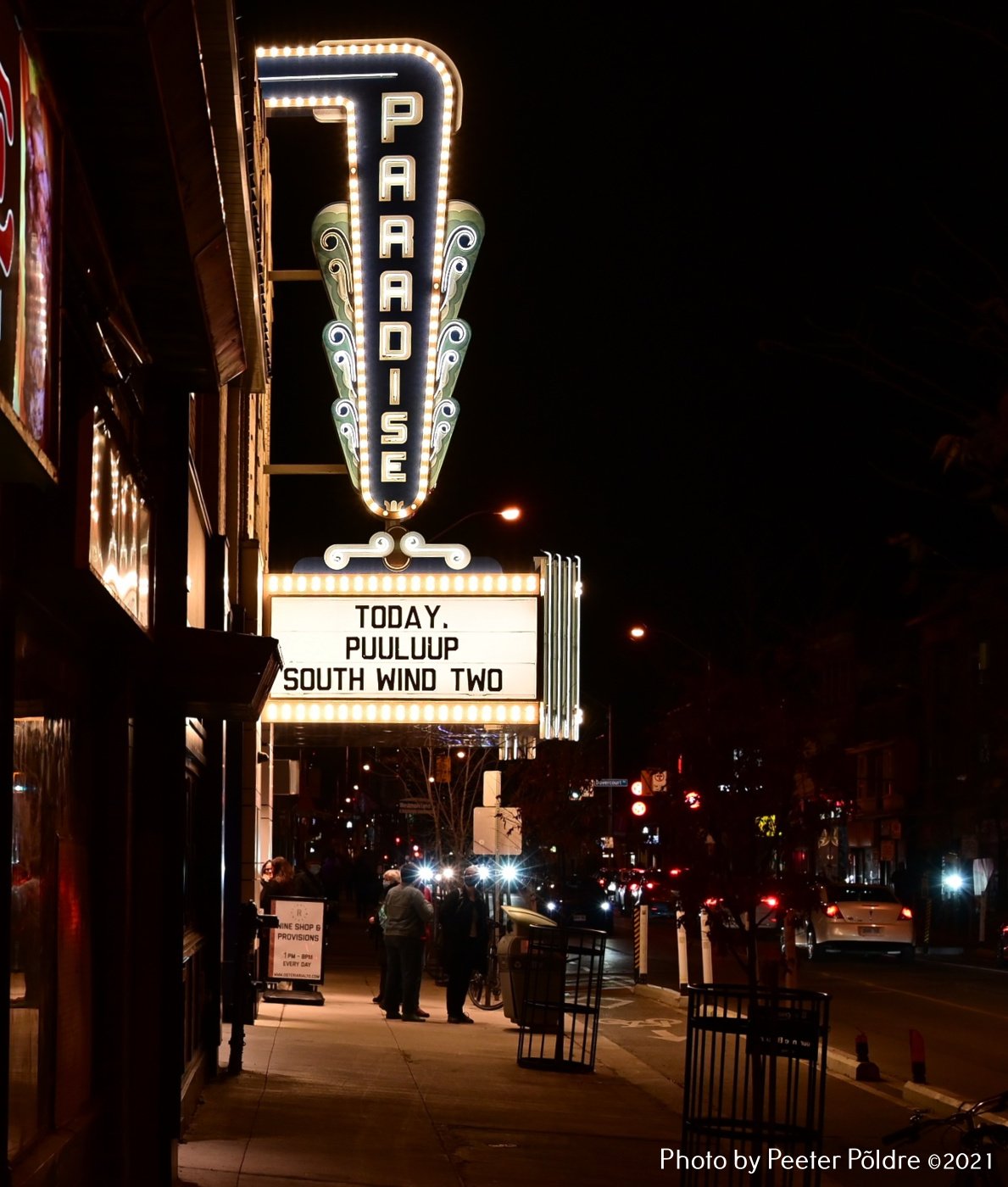
Puuluup @ Paradise Theatre | November 20
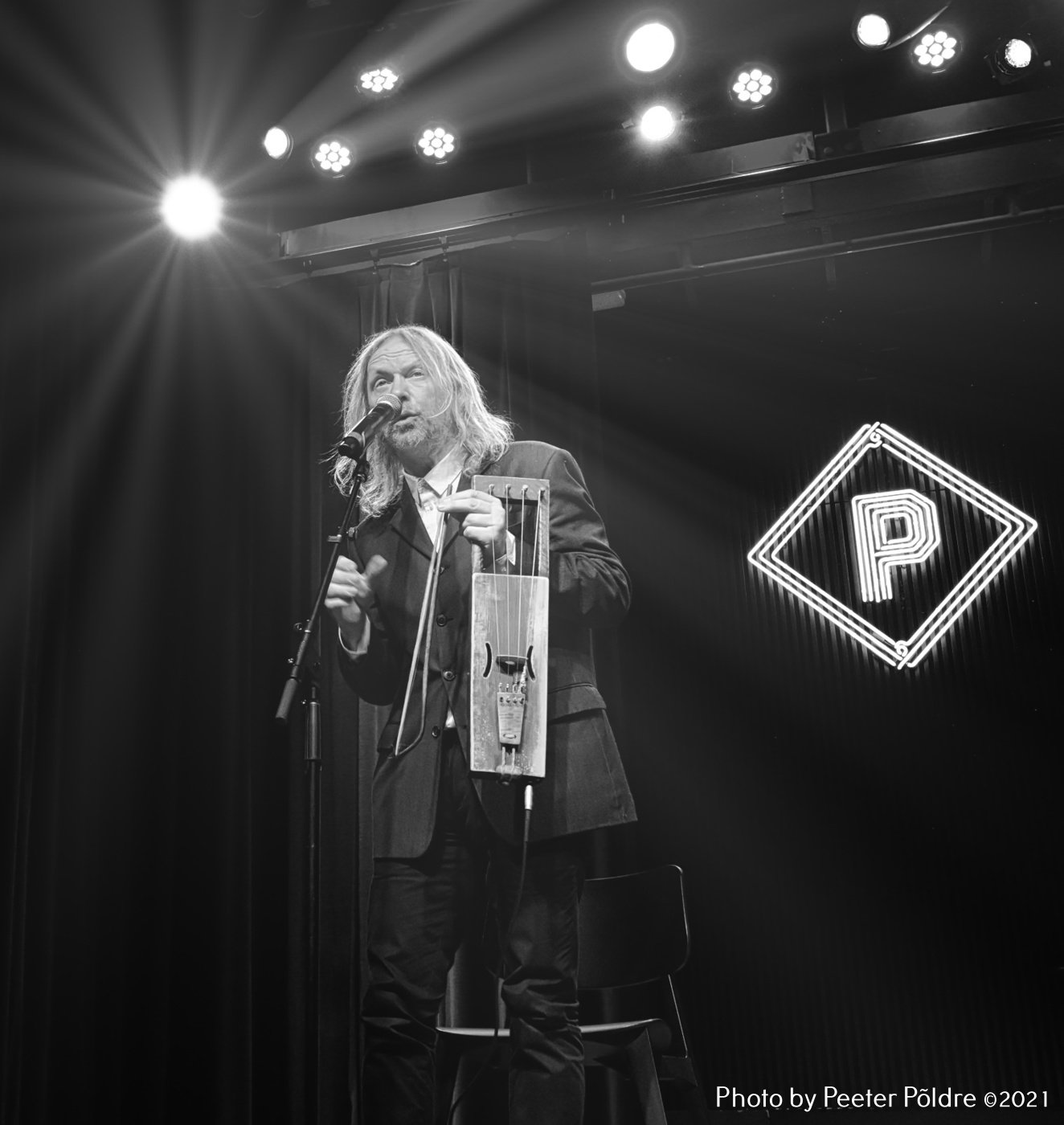

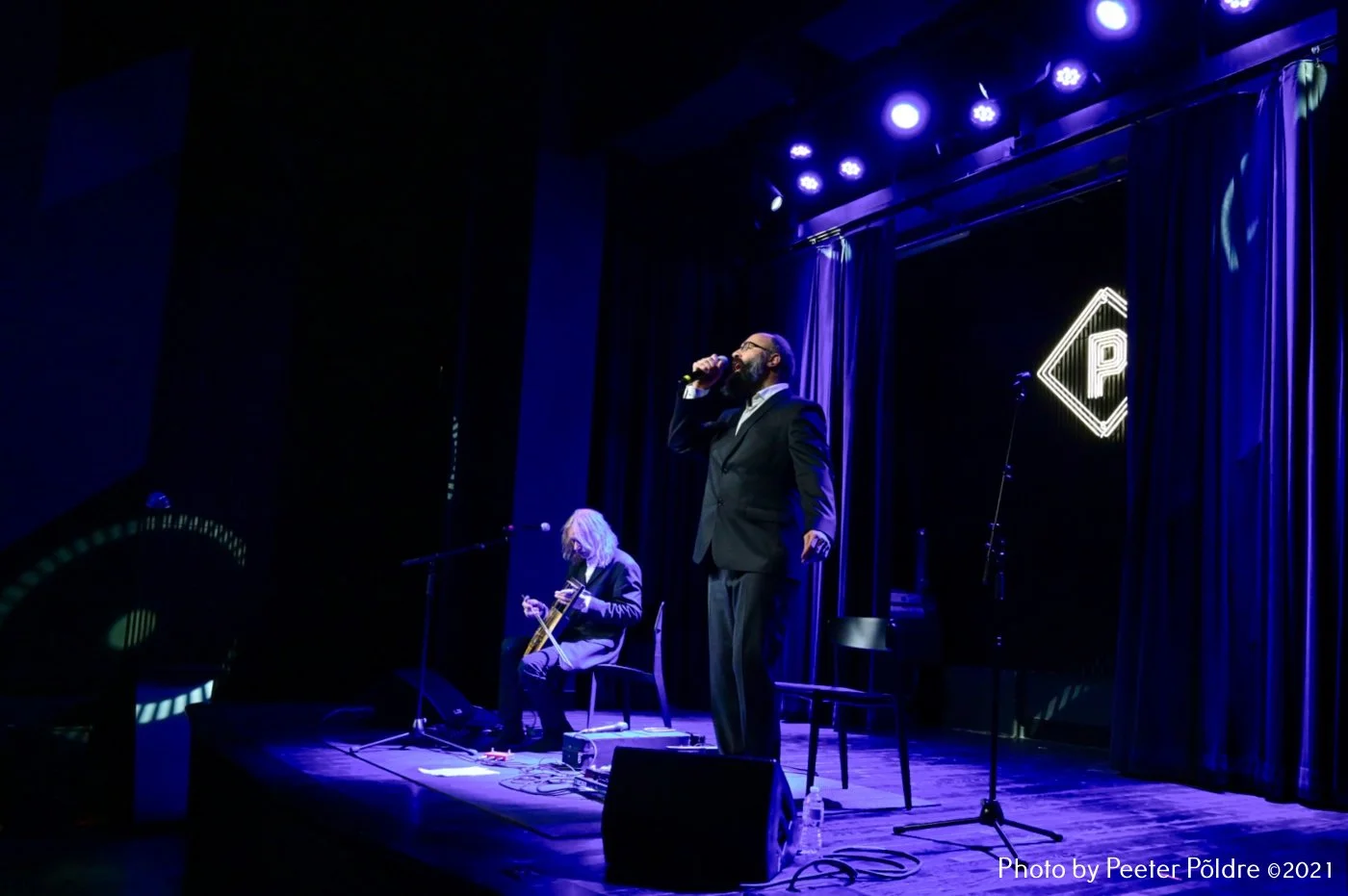


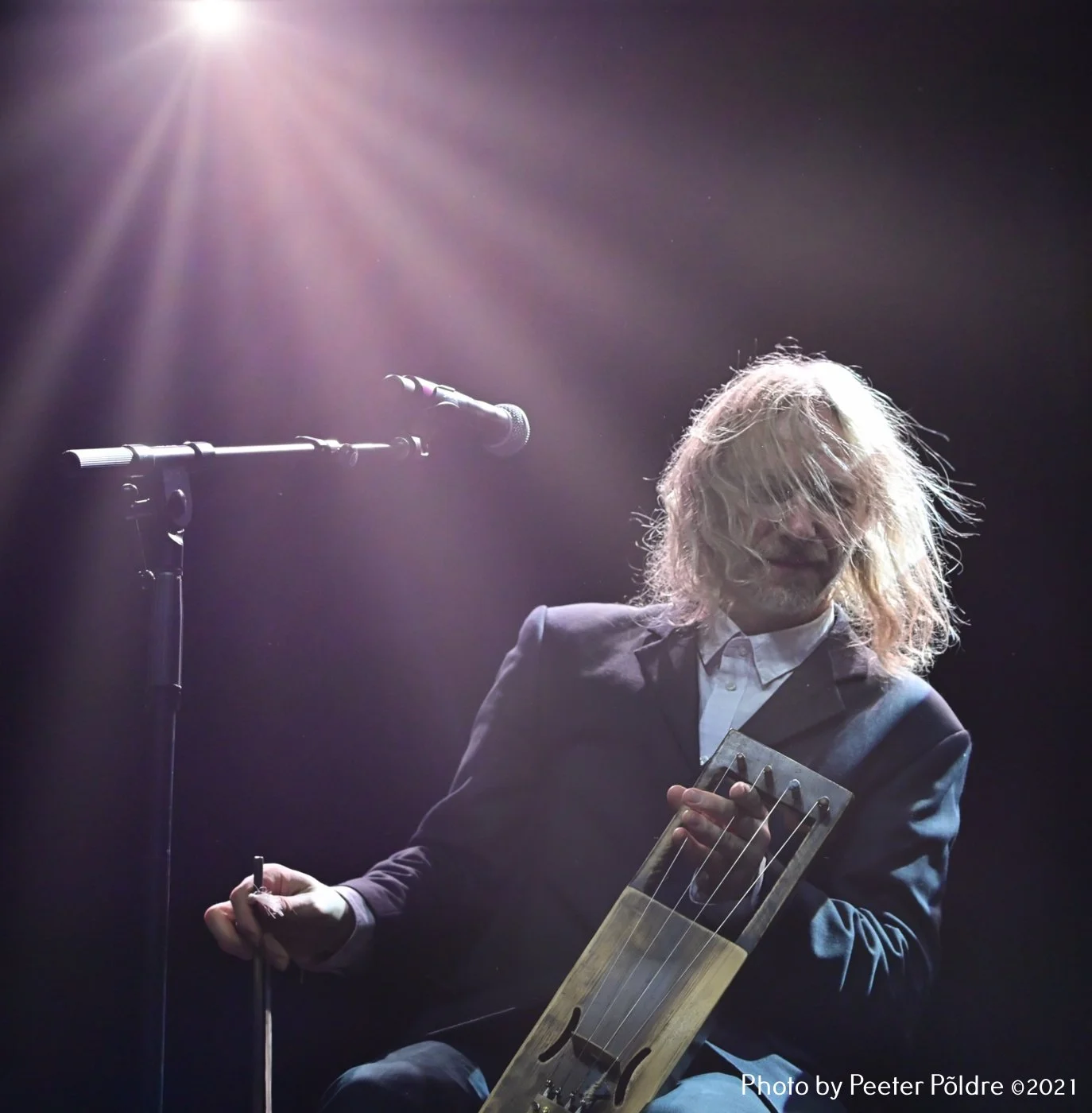

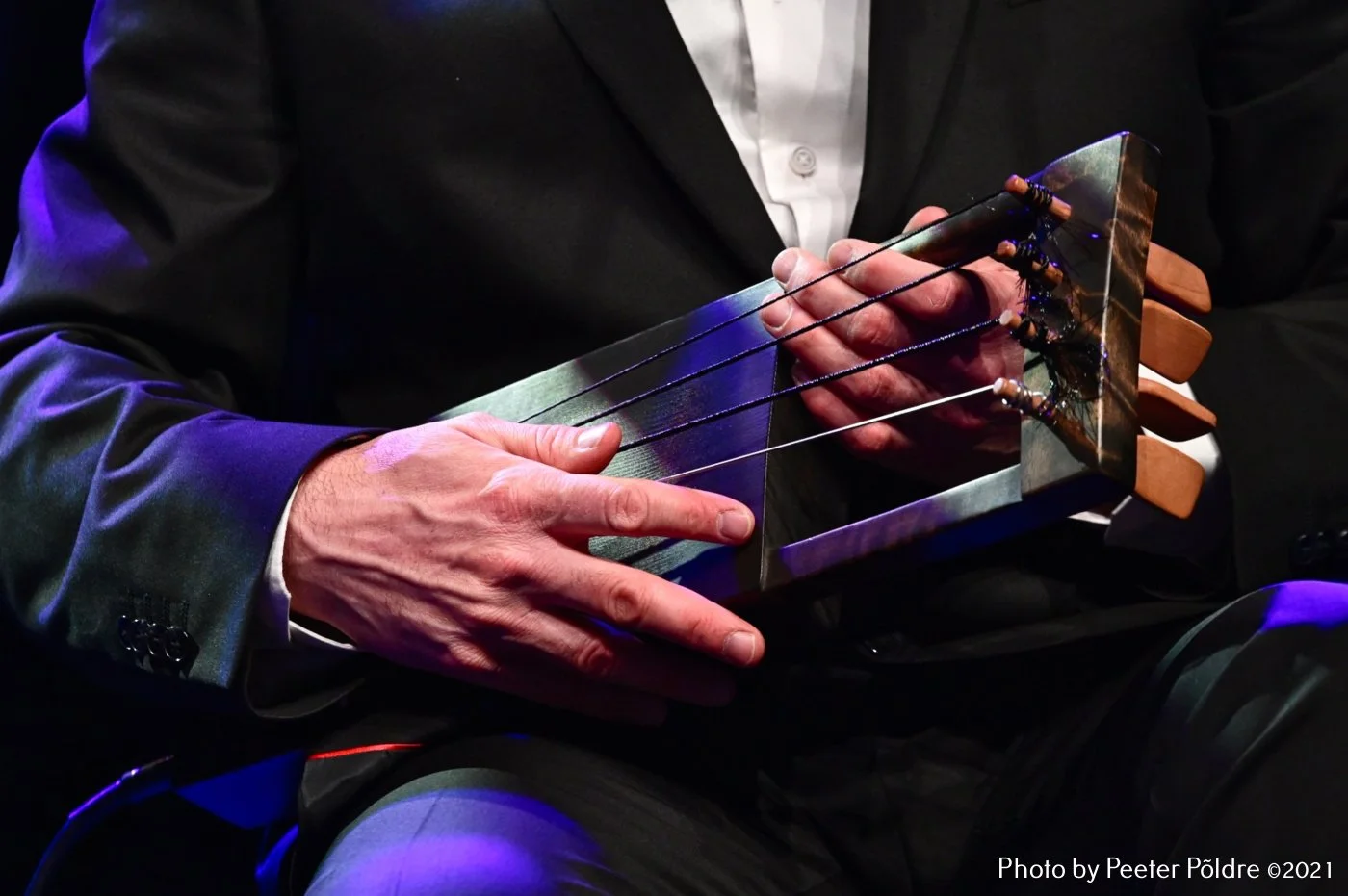

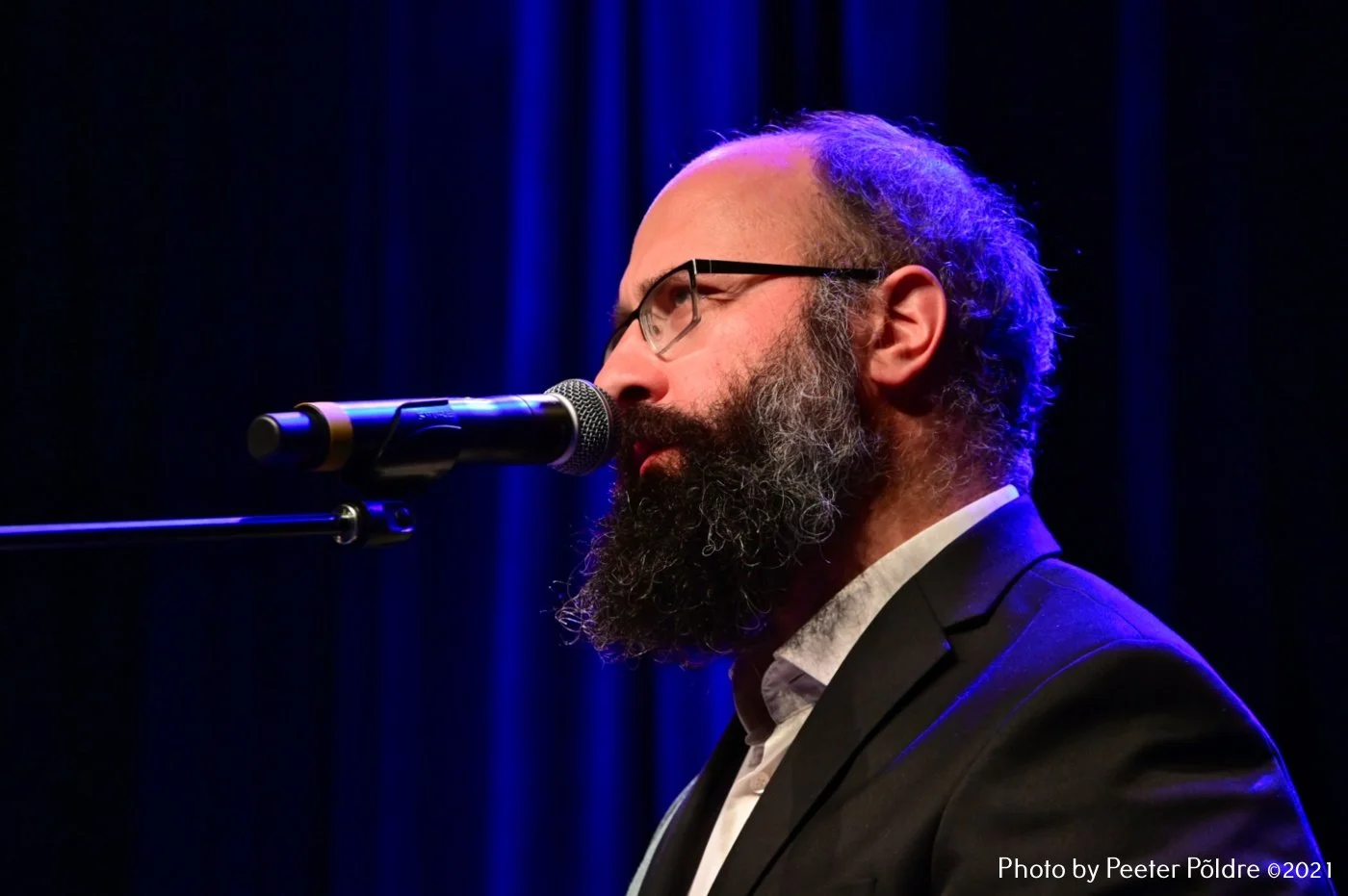
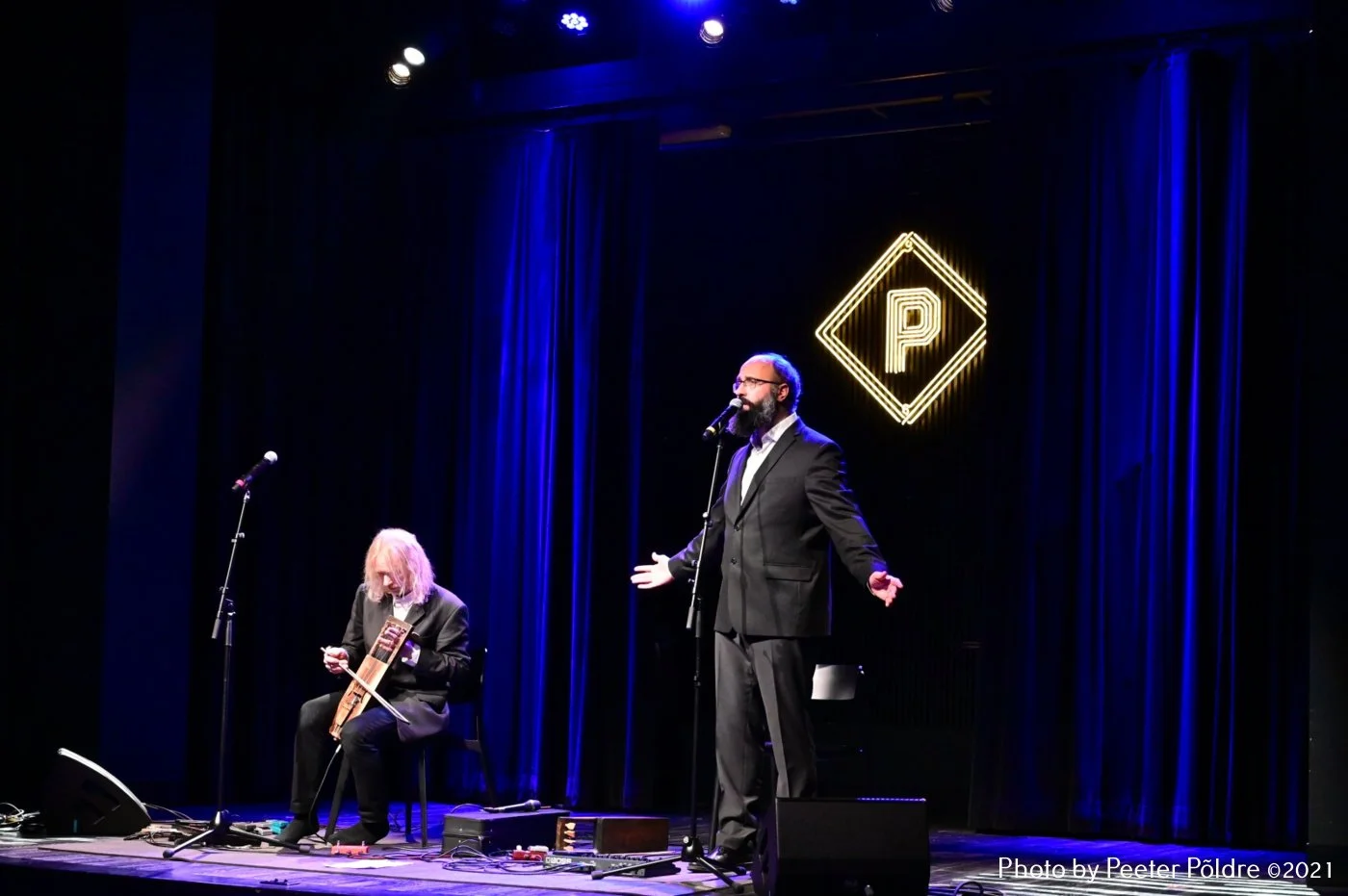
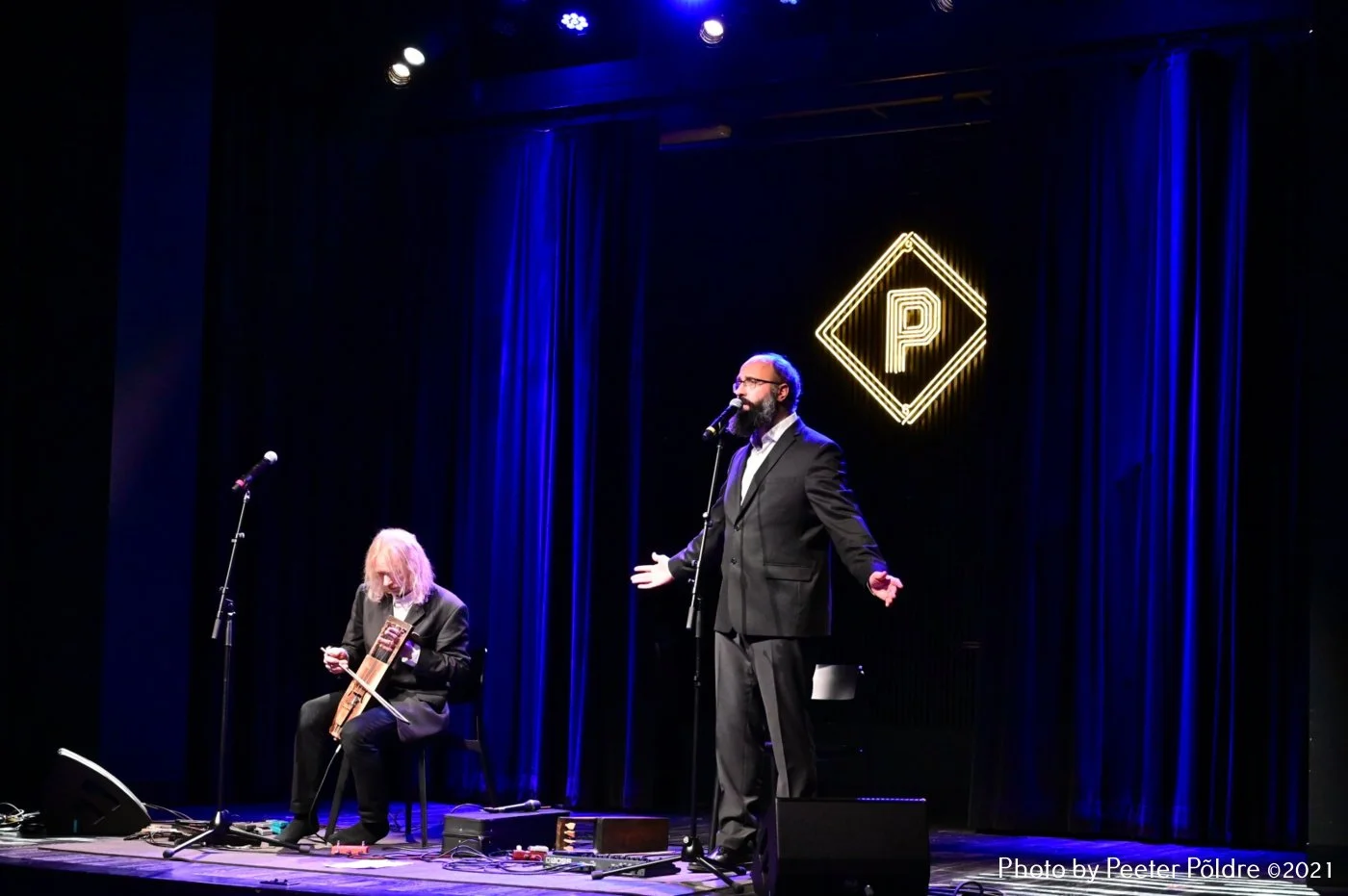
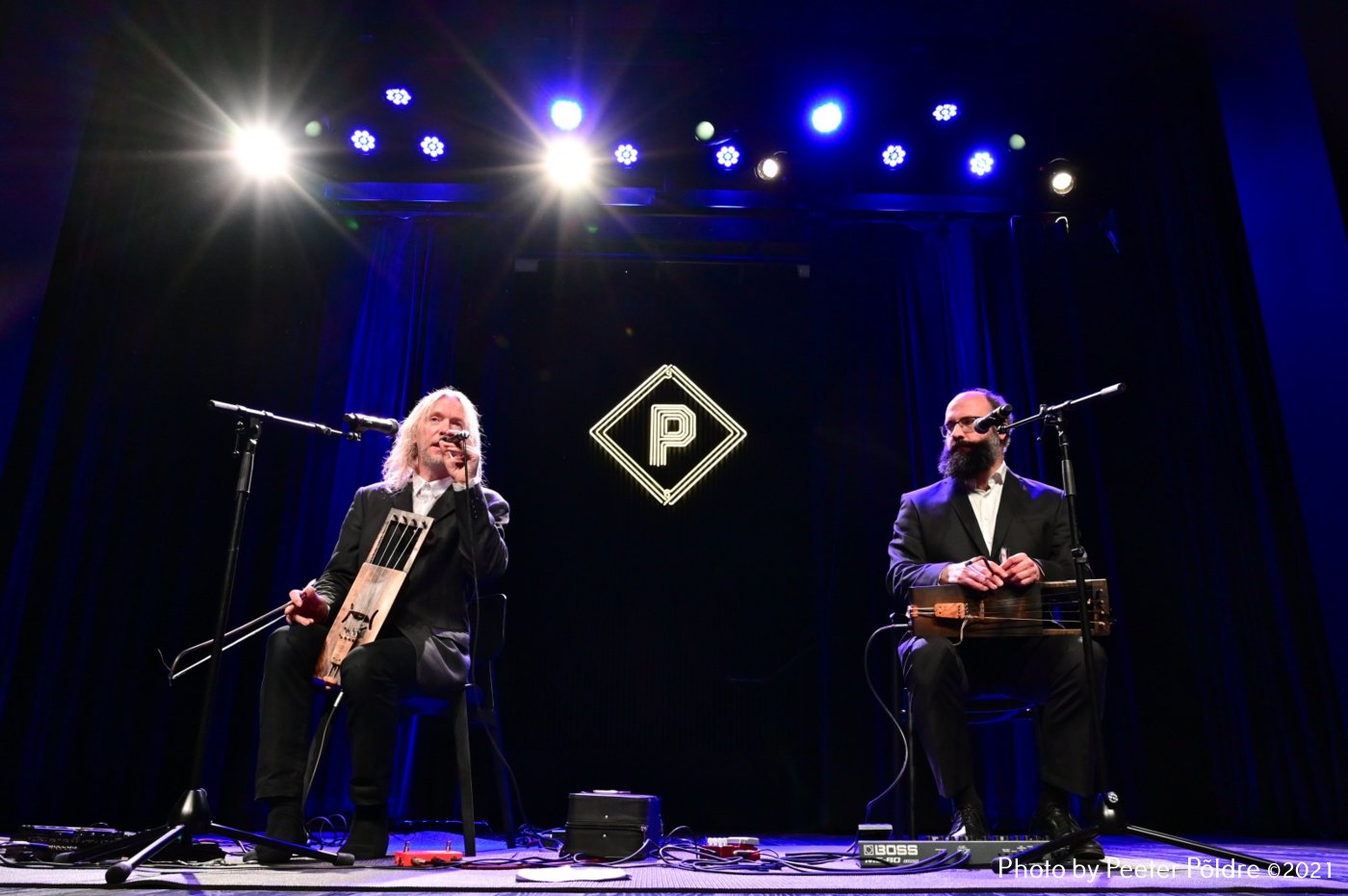

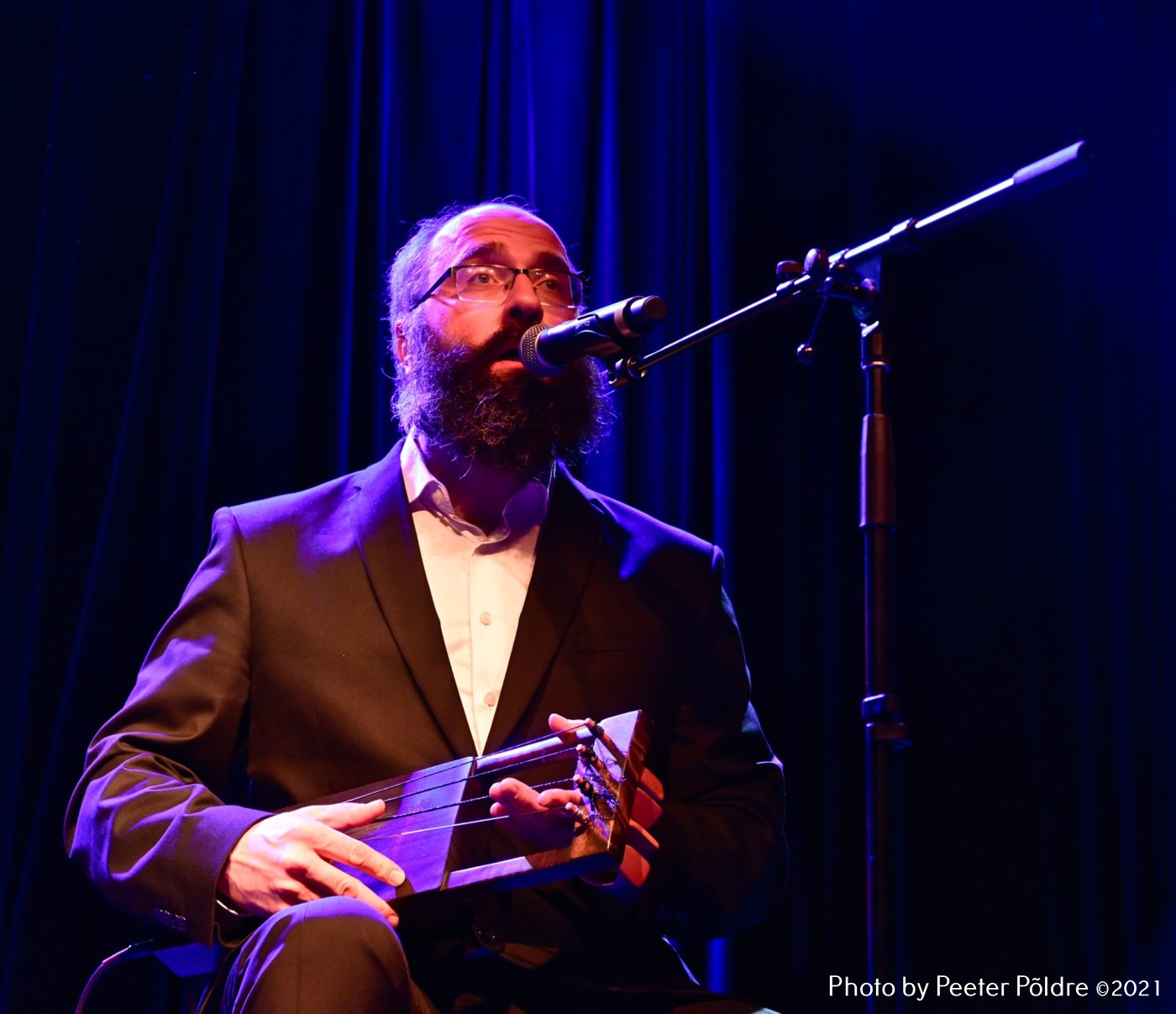
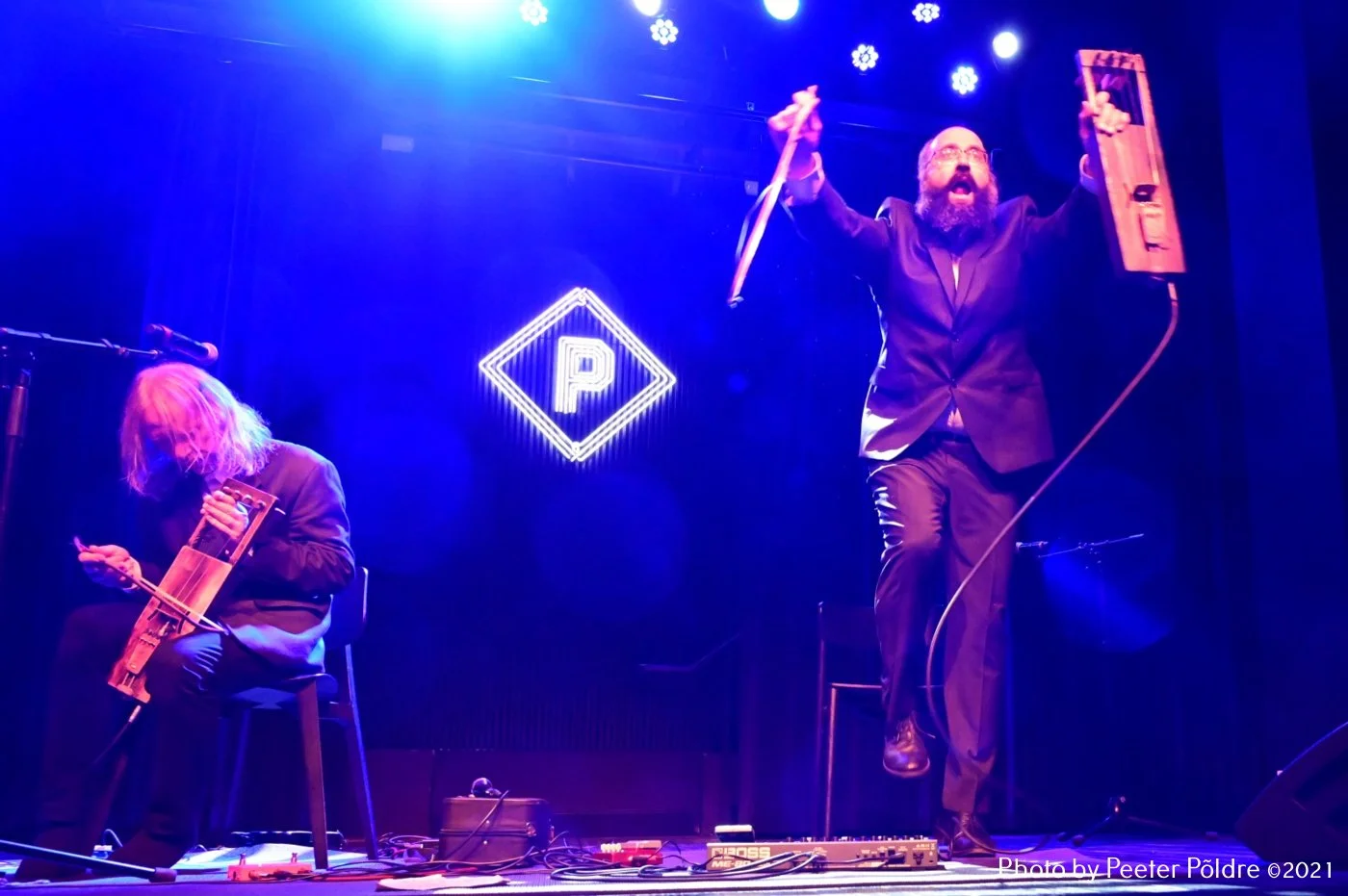


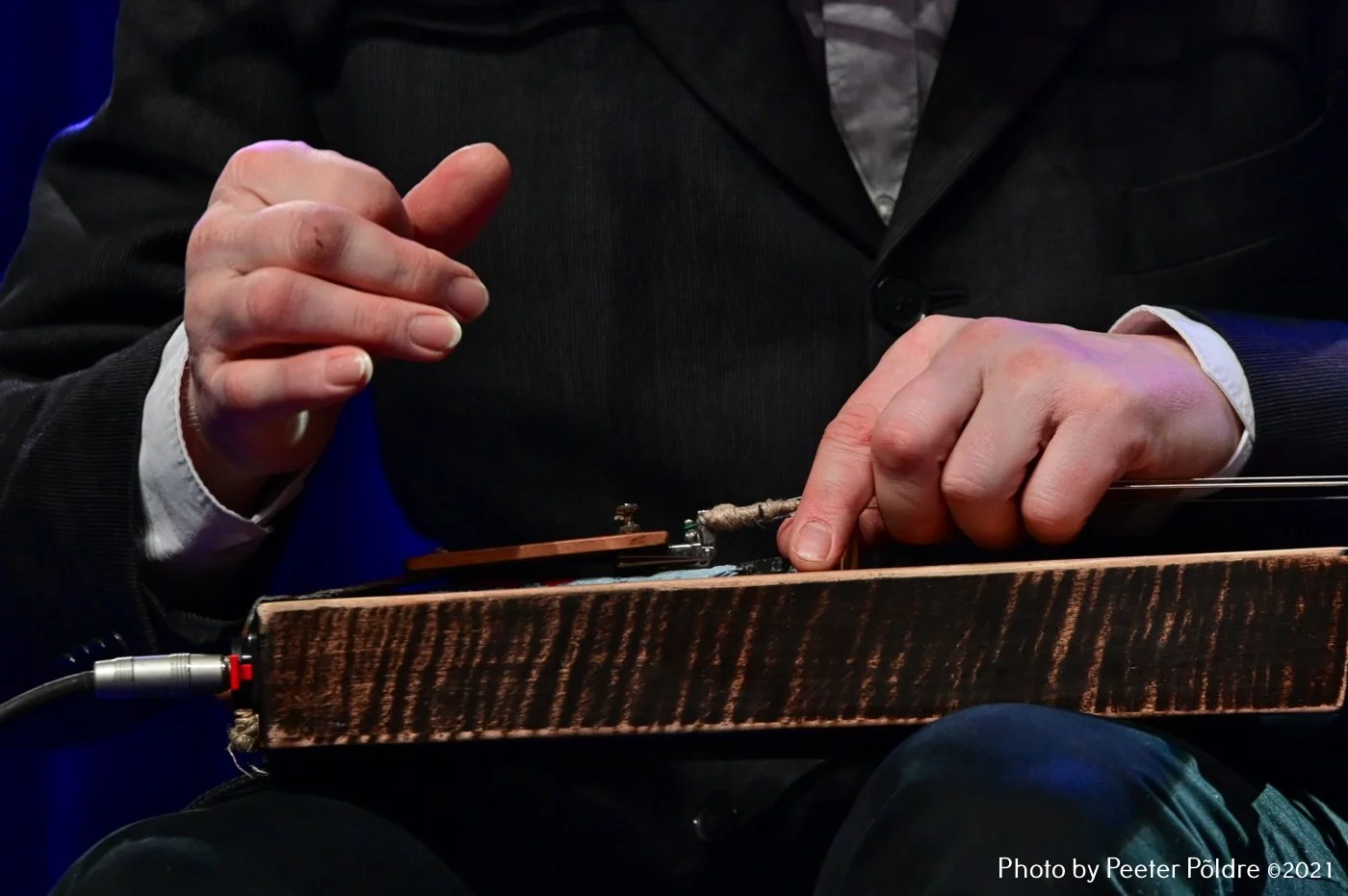


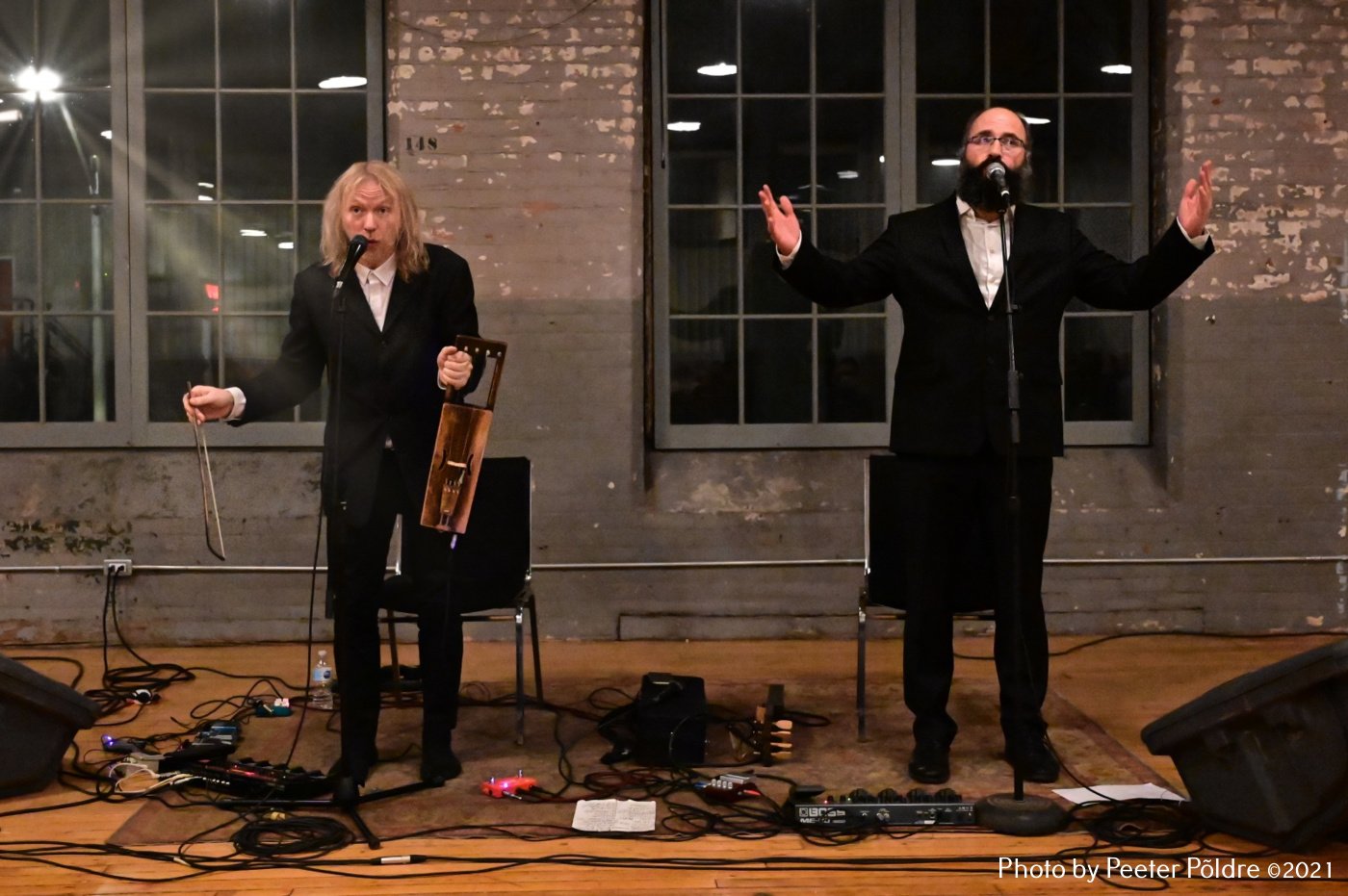
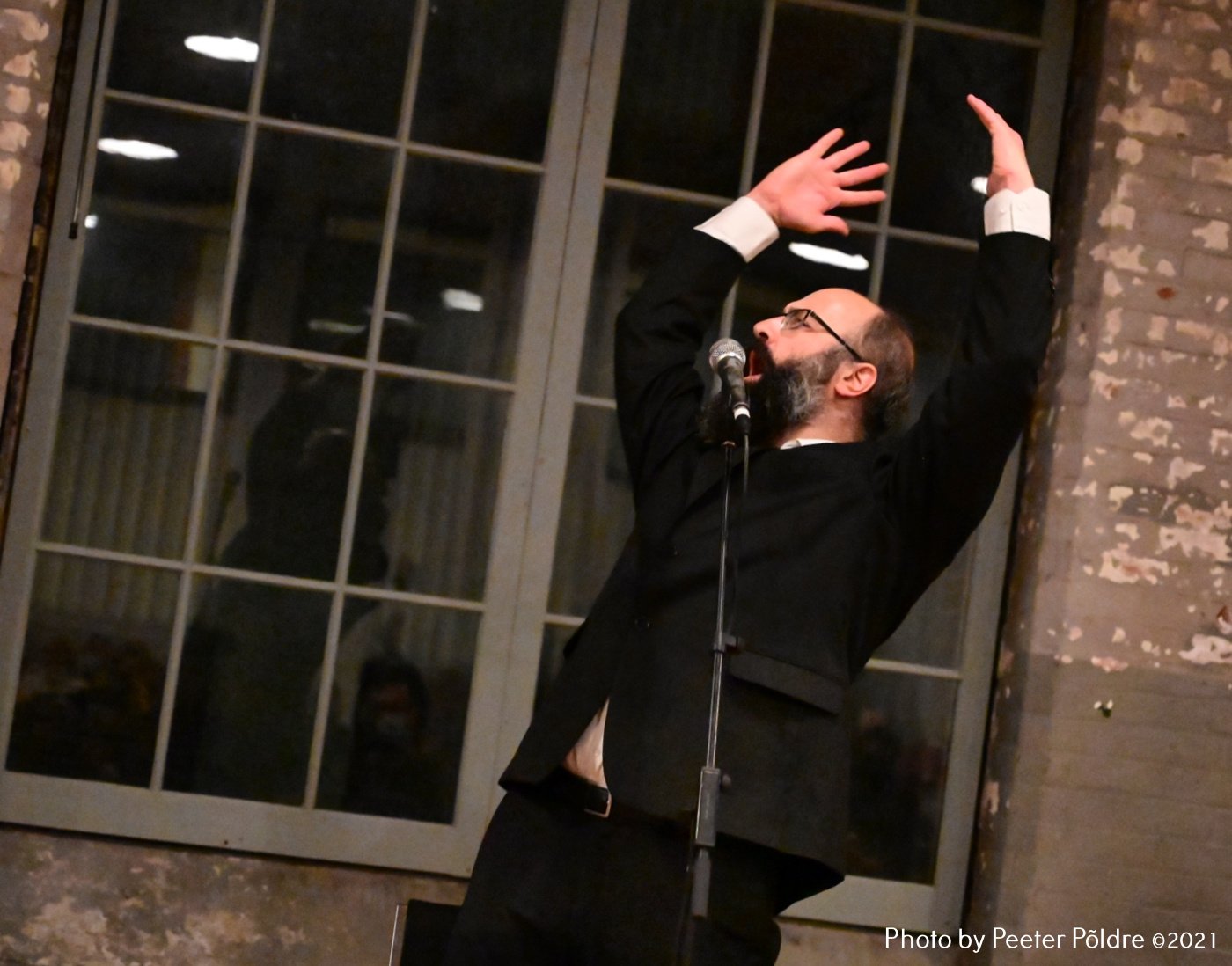
Puuluup @ Cotton Factory | November 19


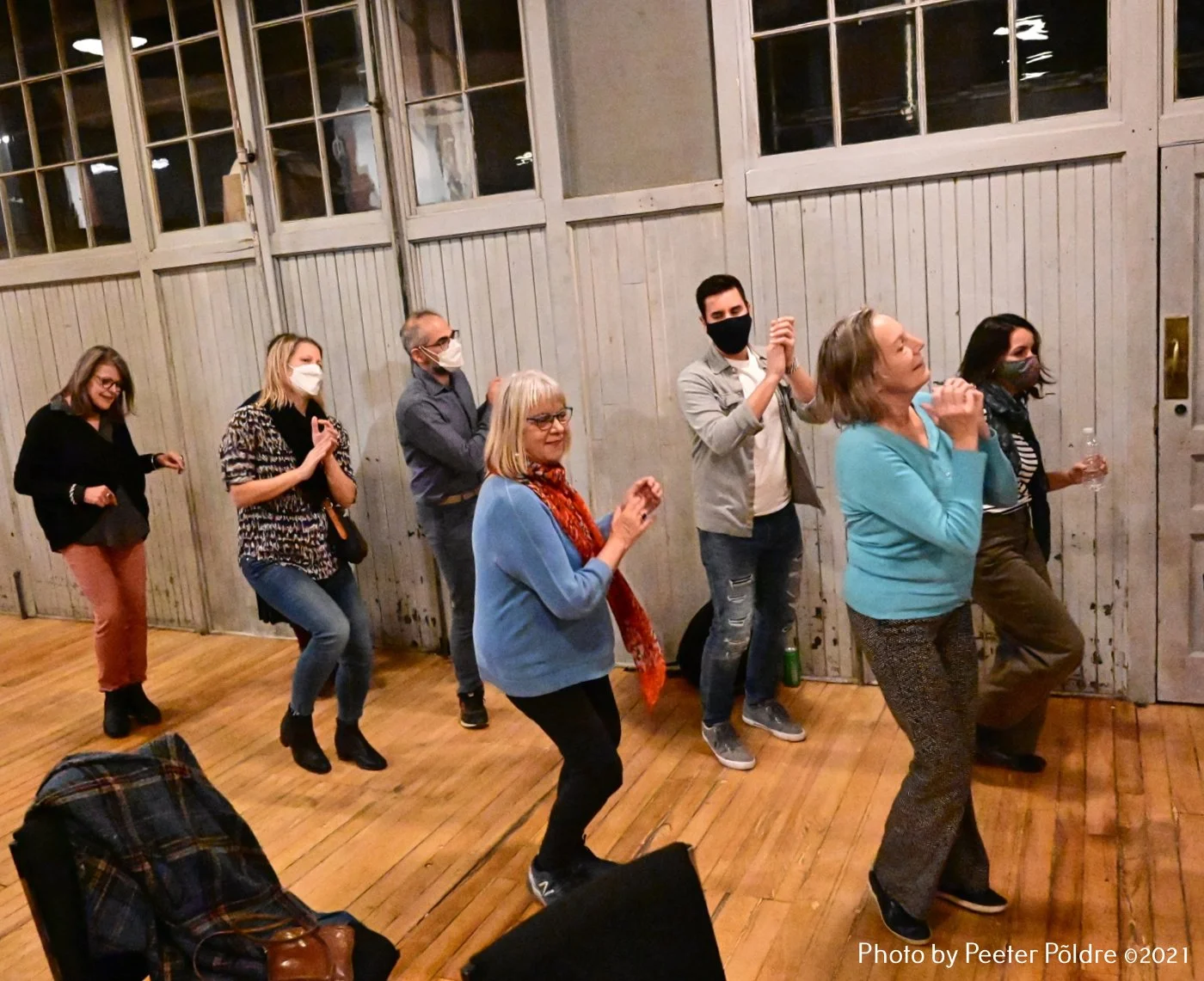
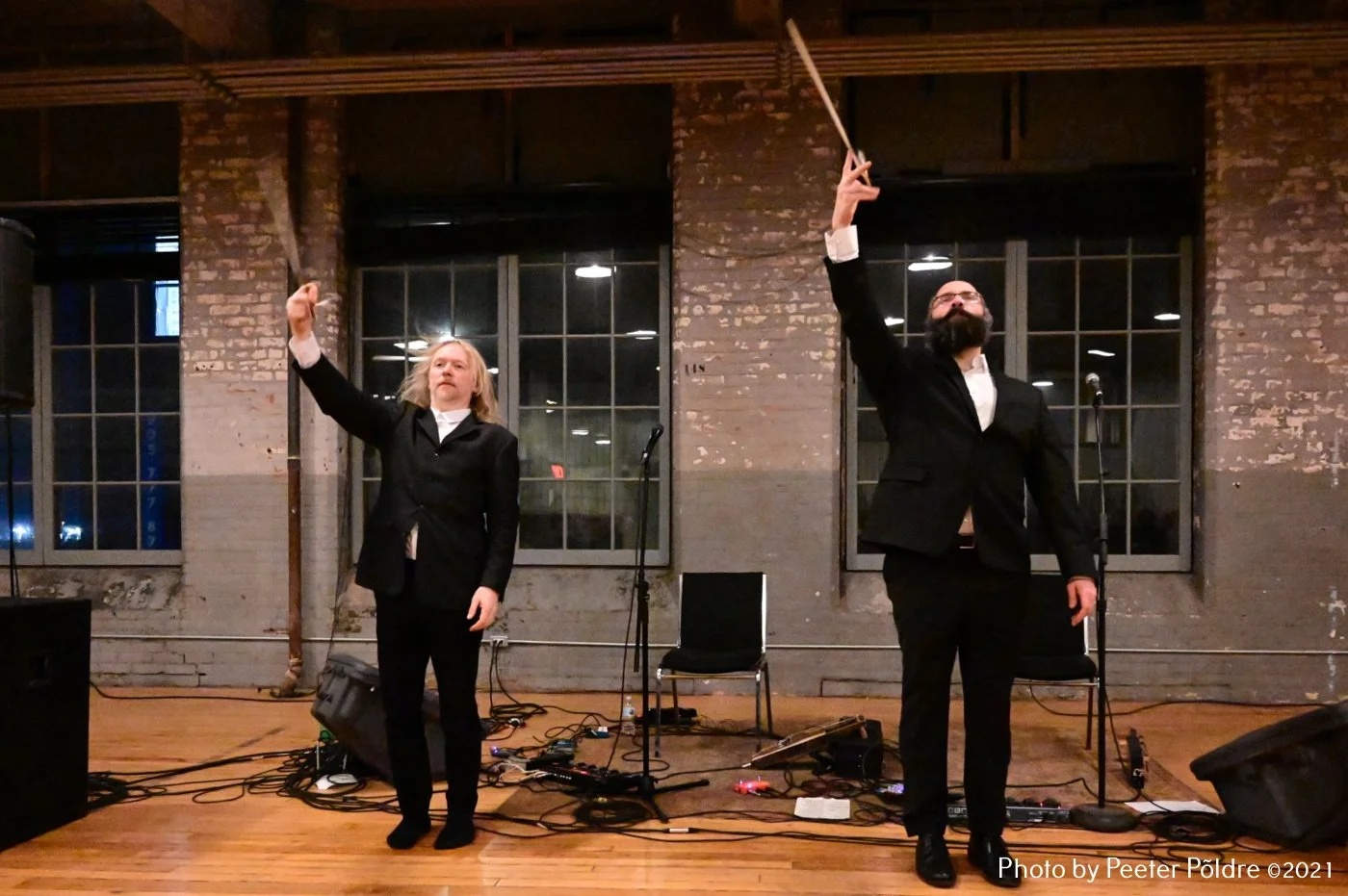
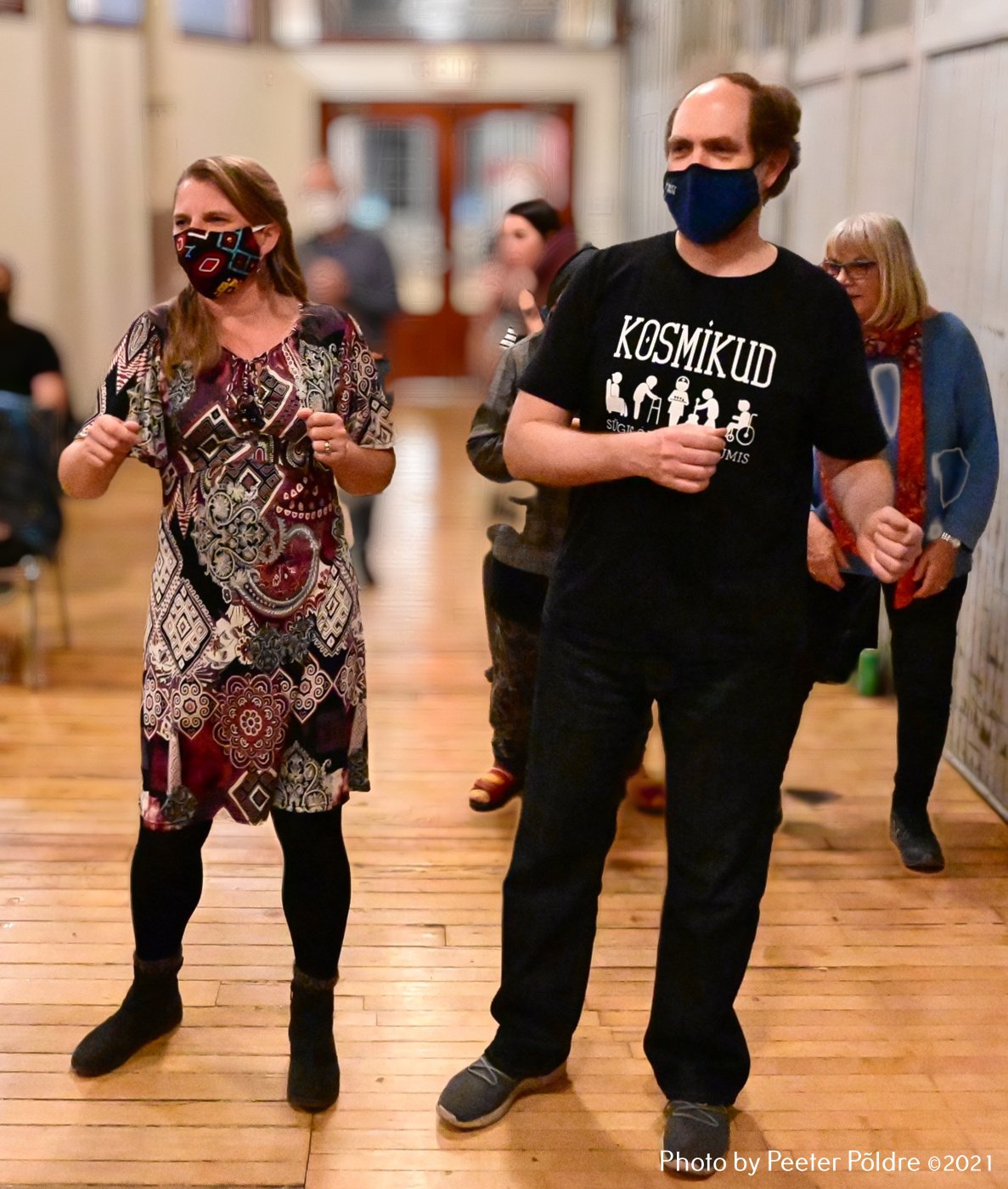
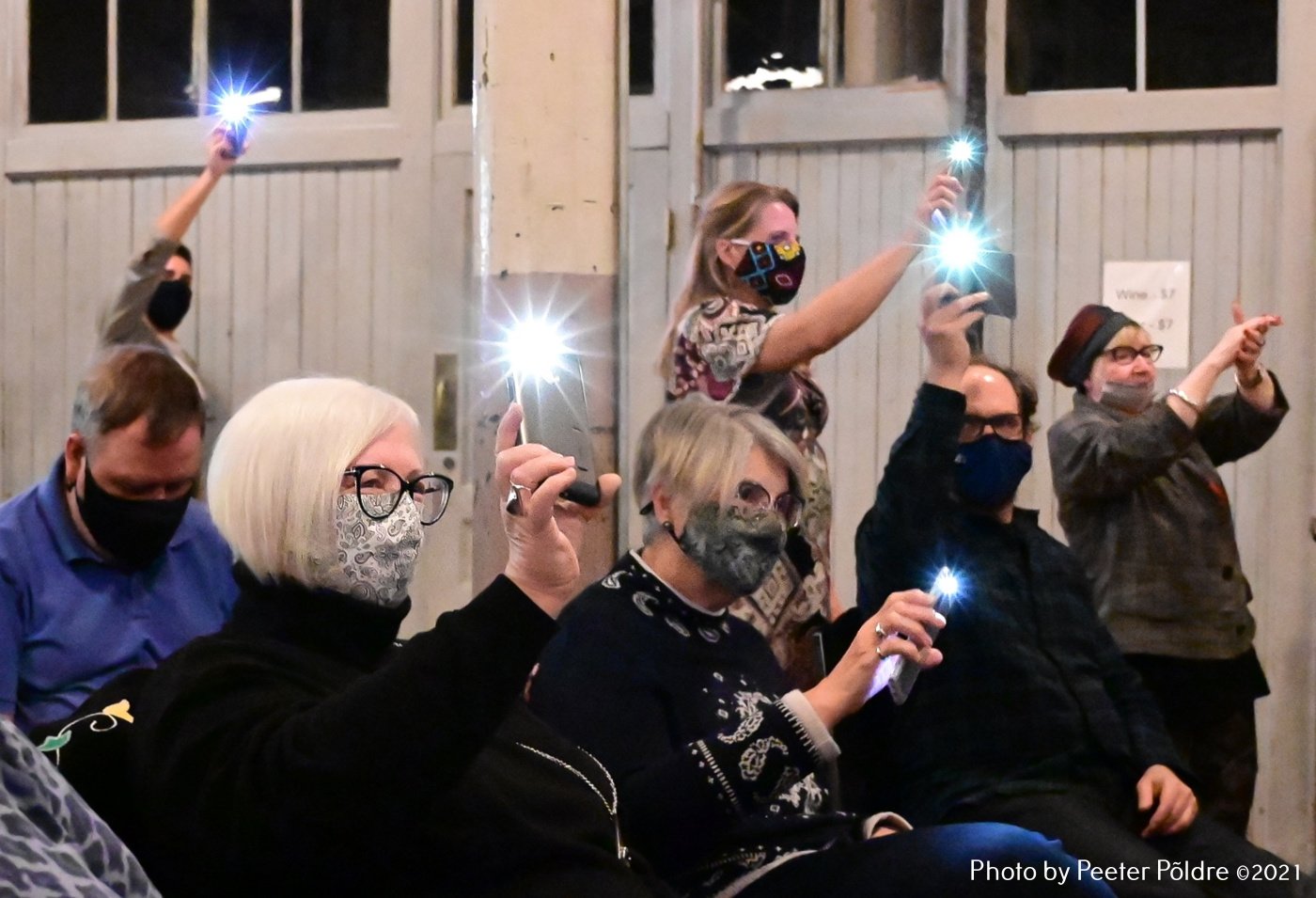
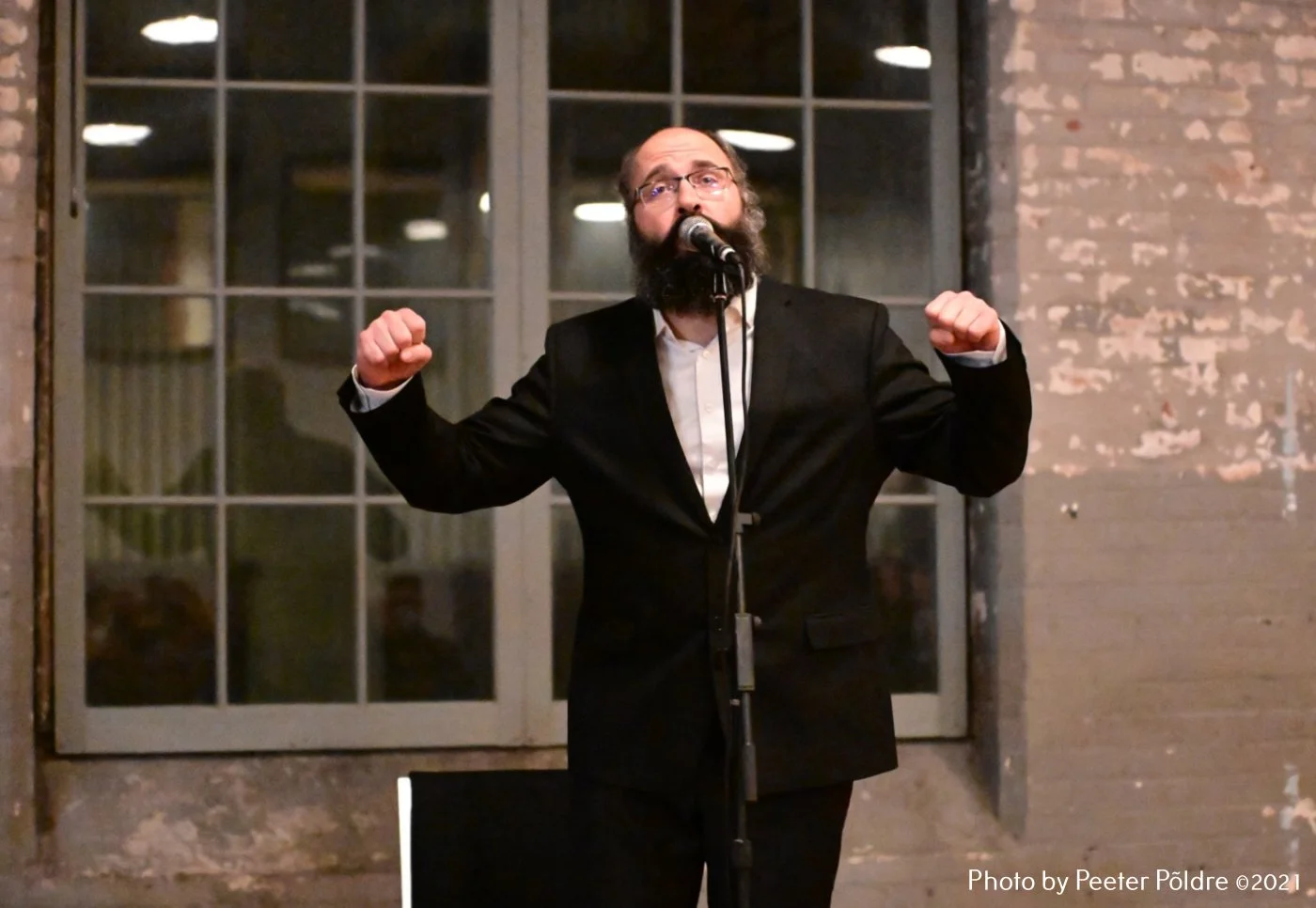
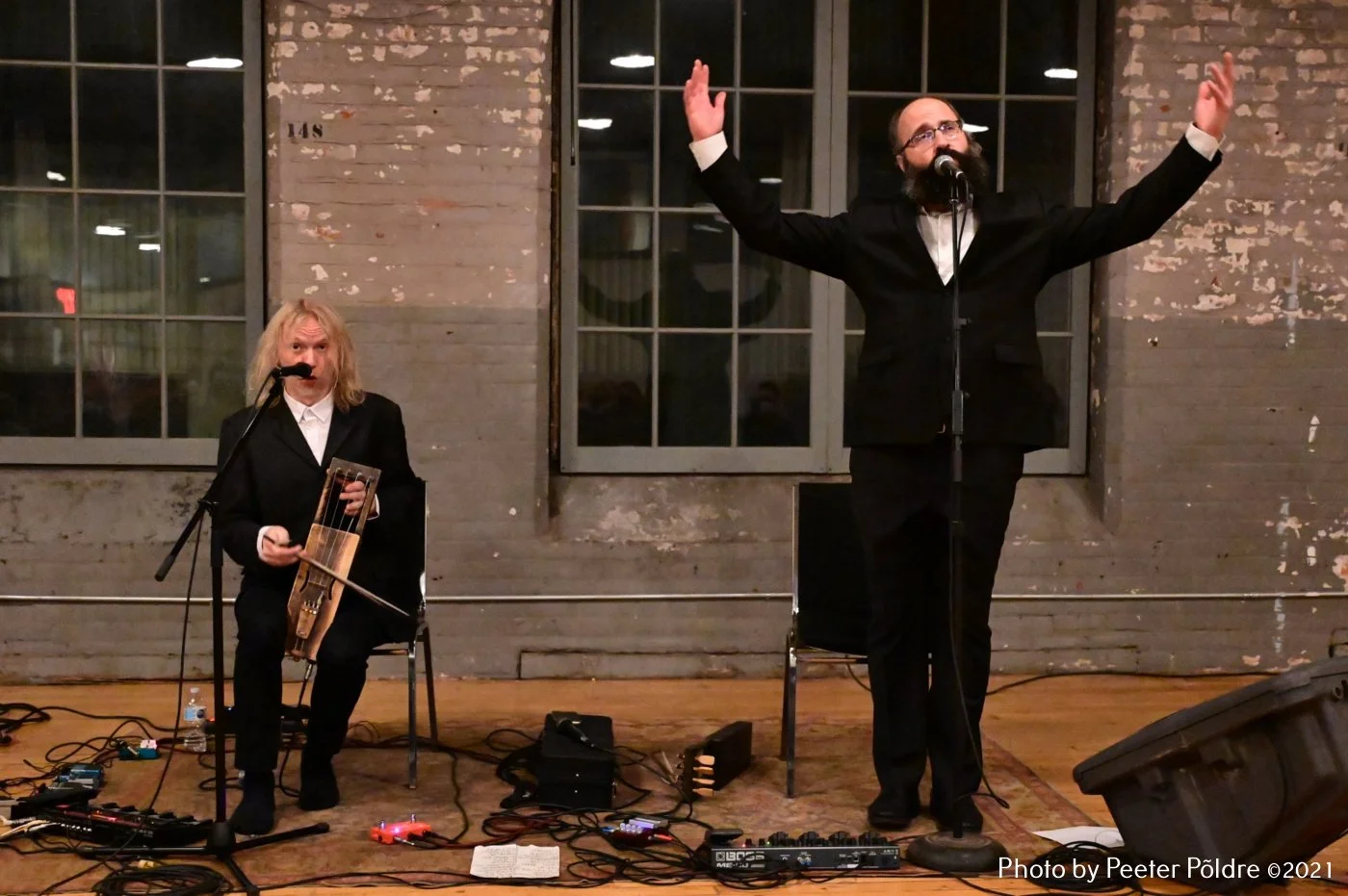
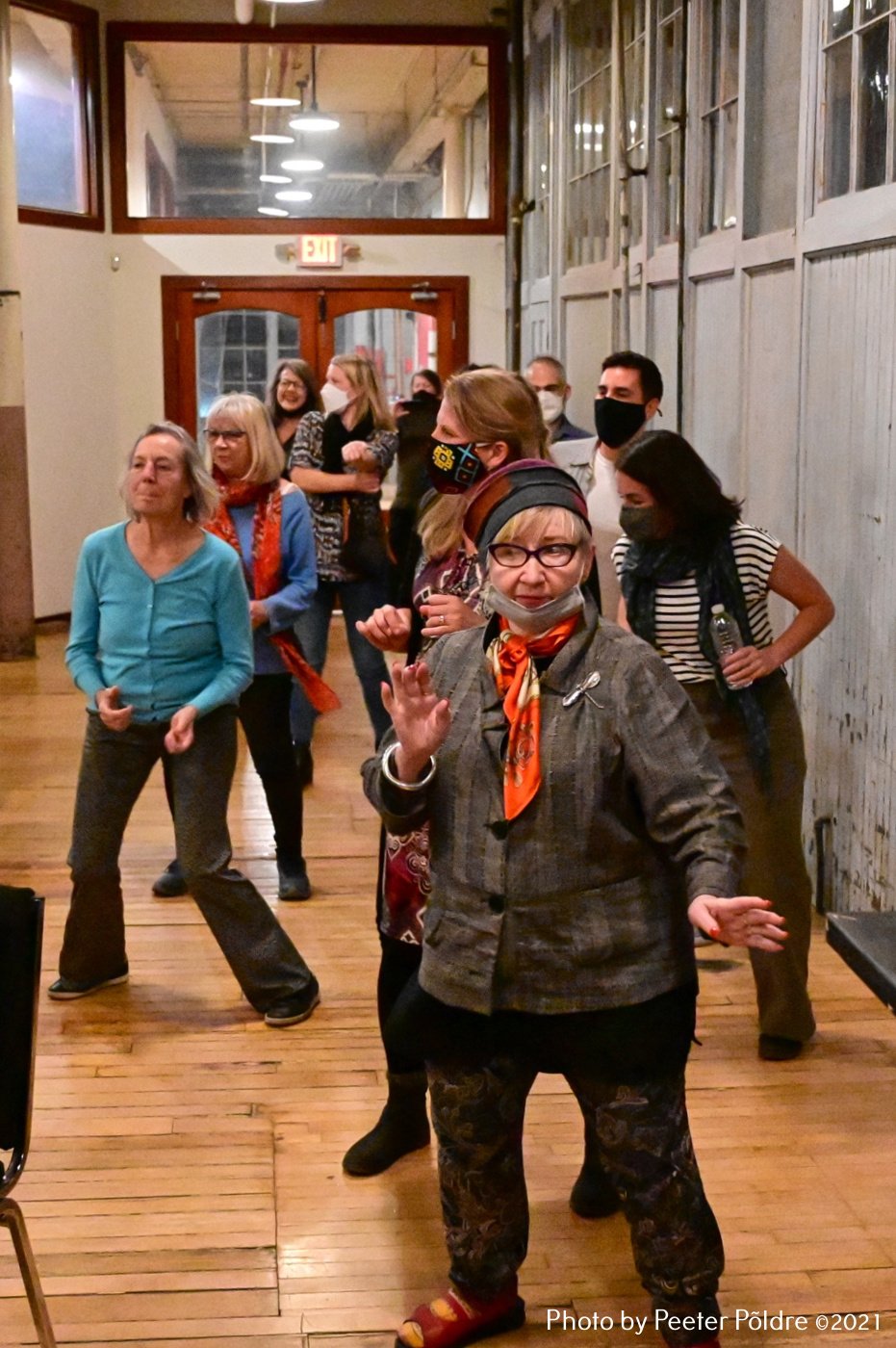
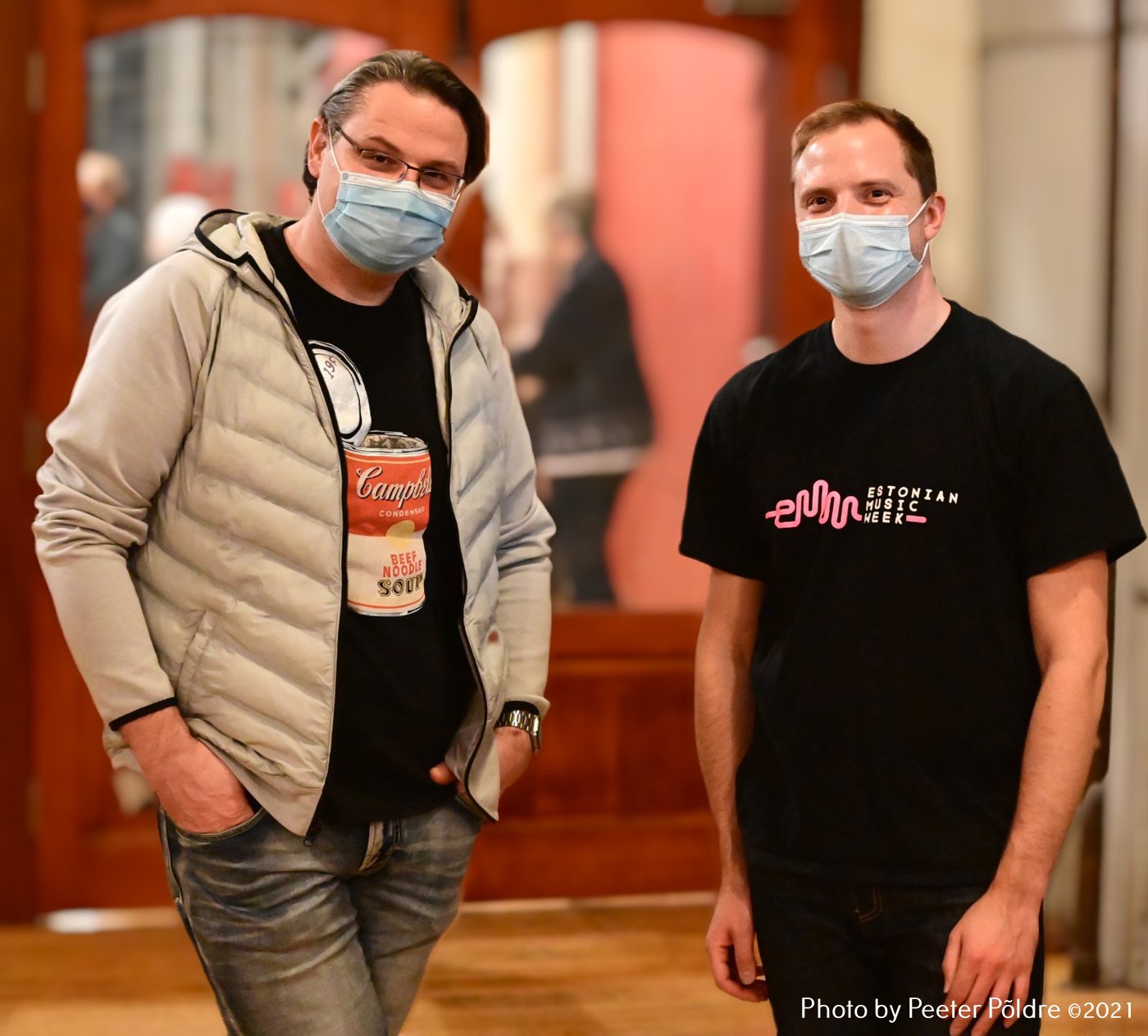
Photos are captured by Peeter Põldre
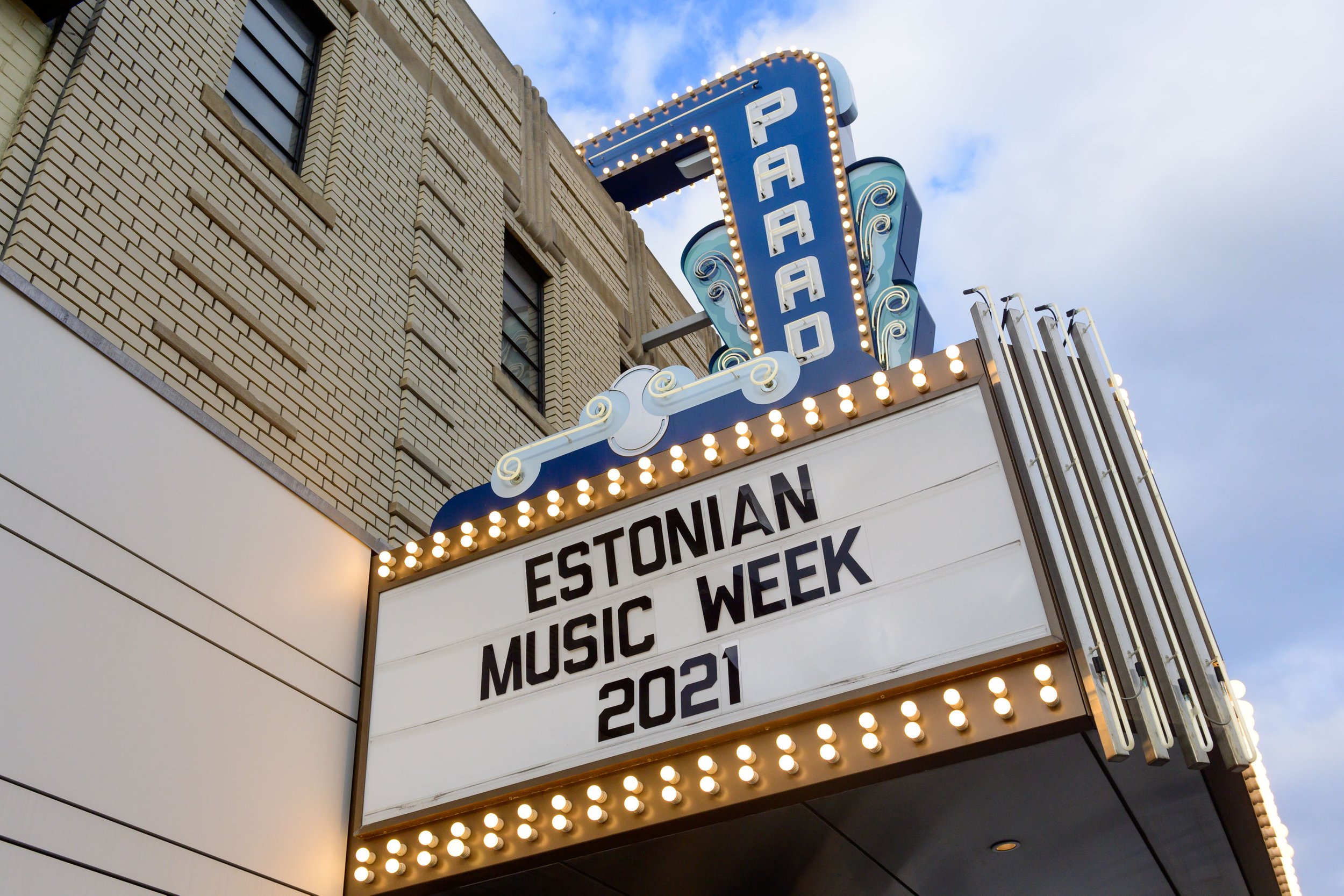
EMW 2021 Gallery
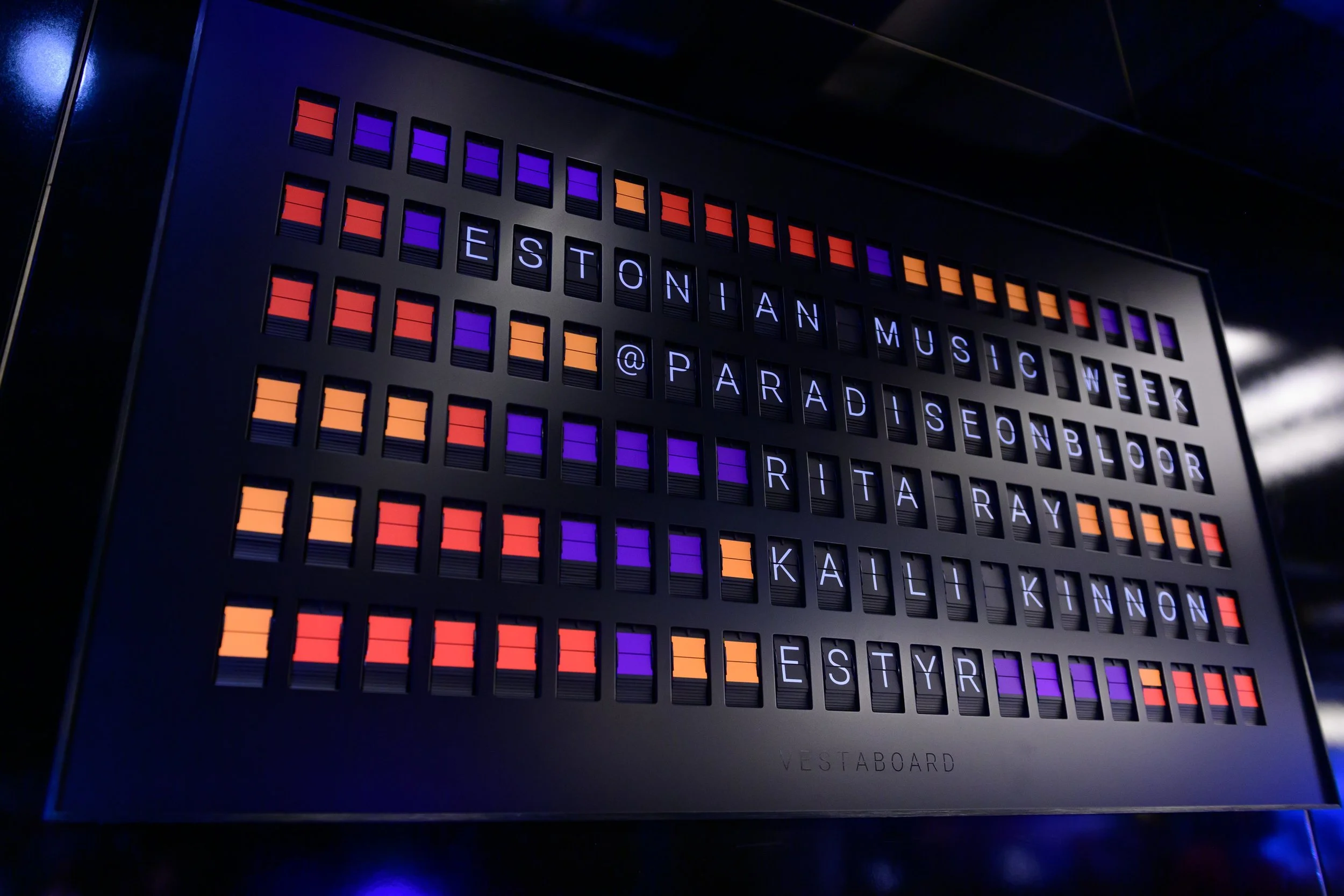
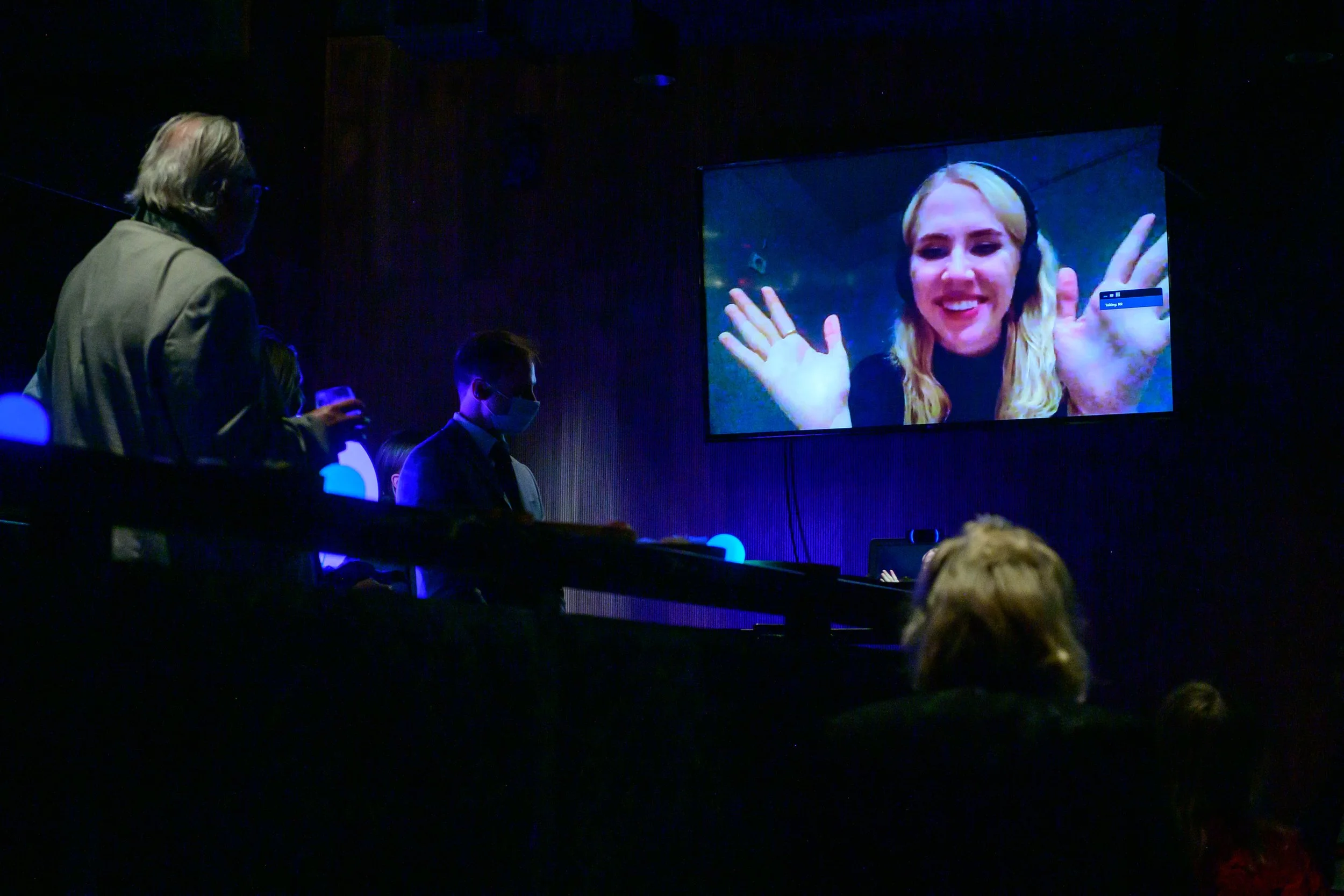
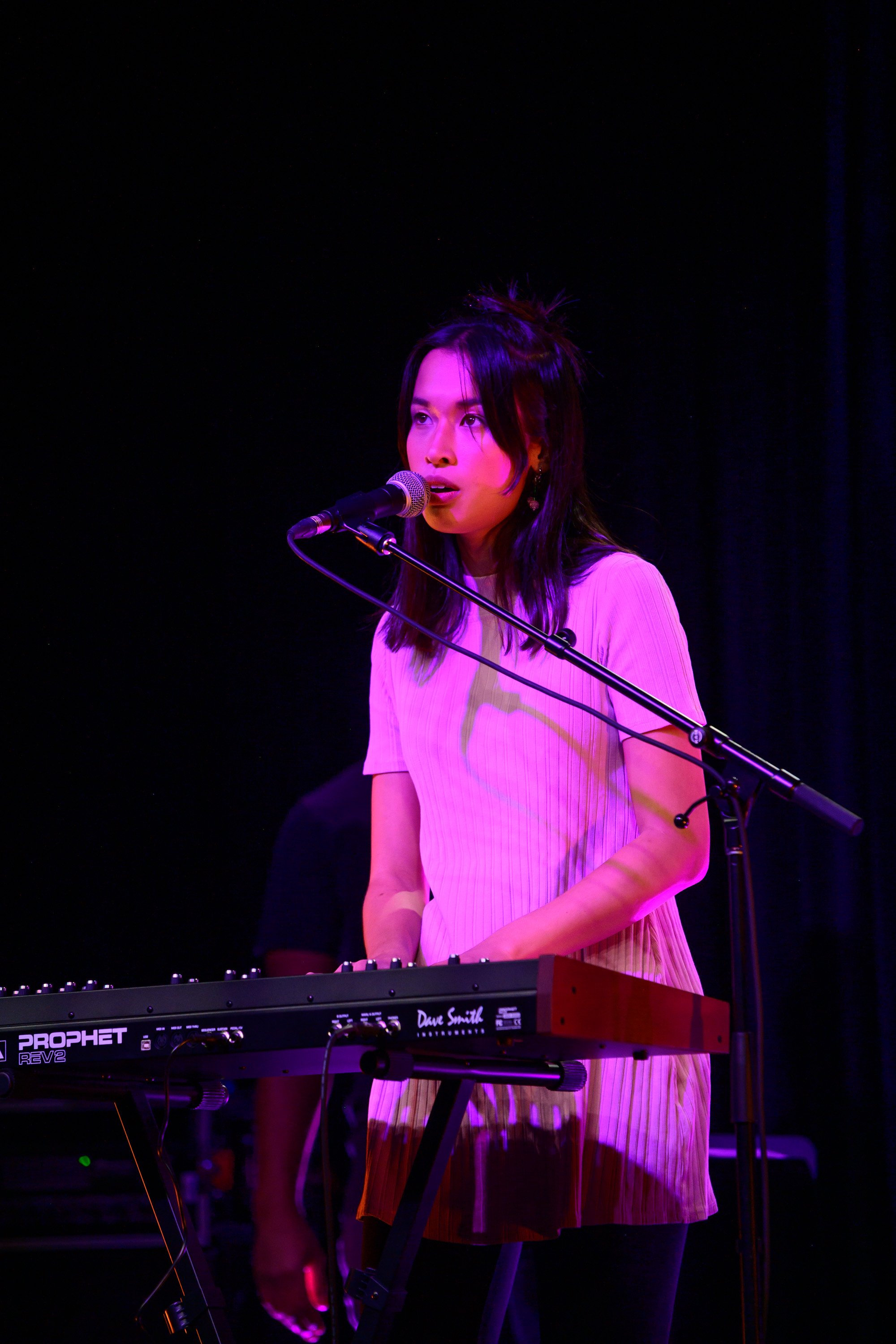
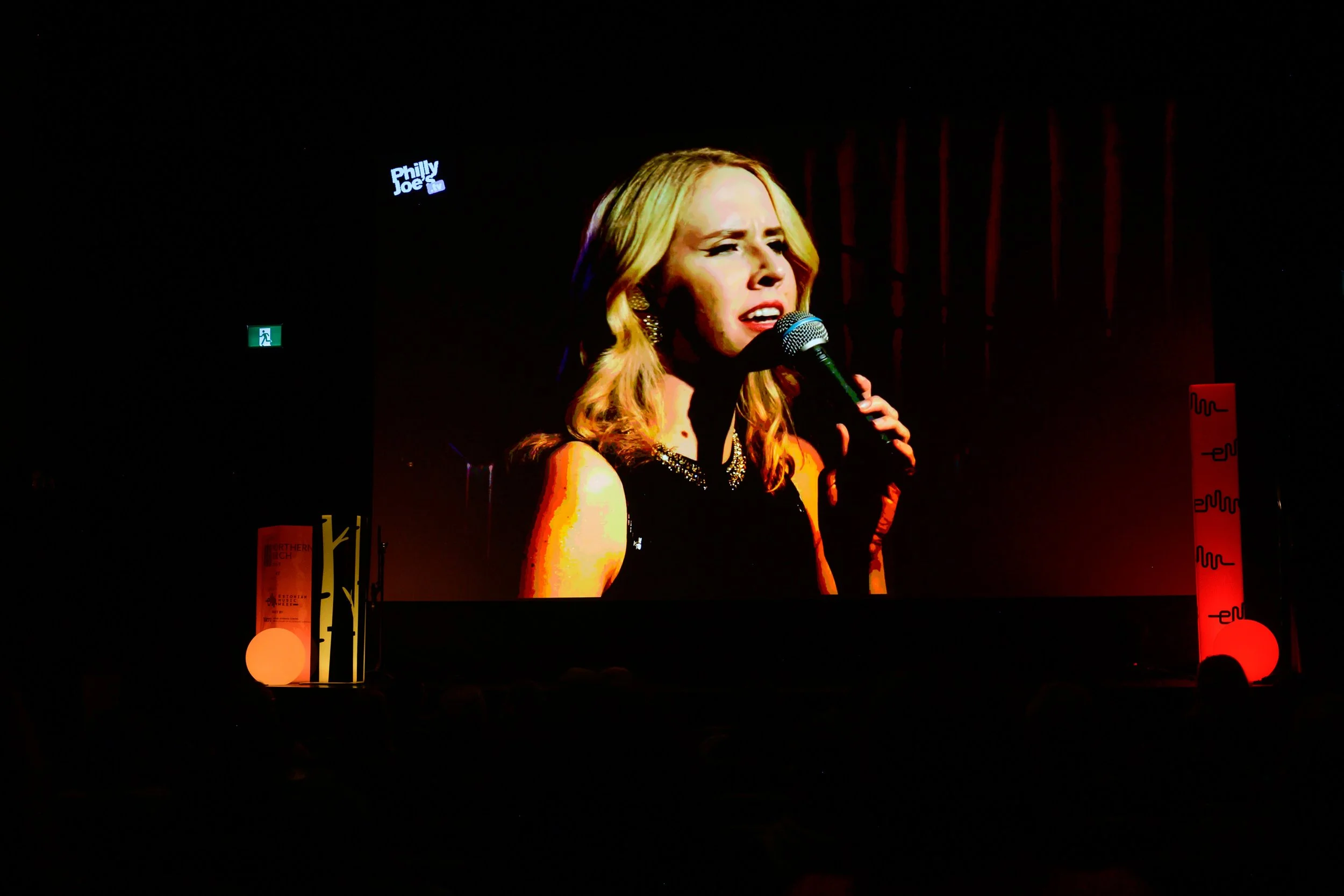
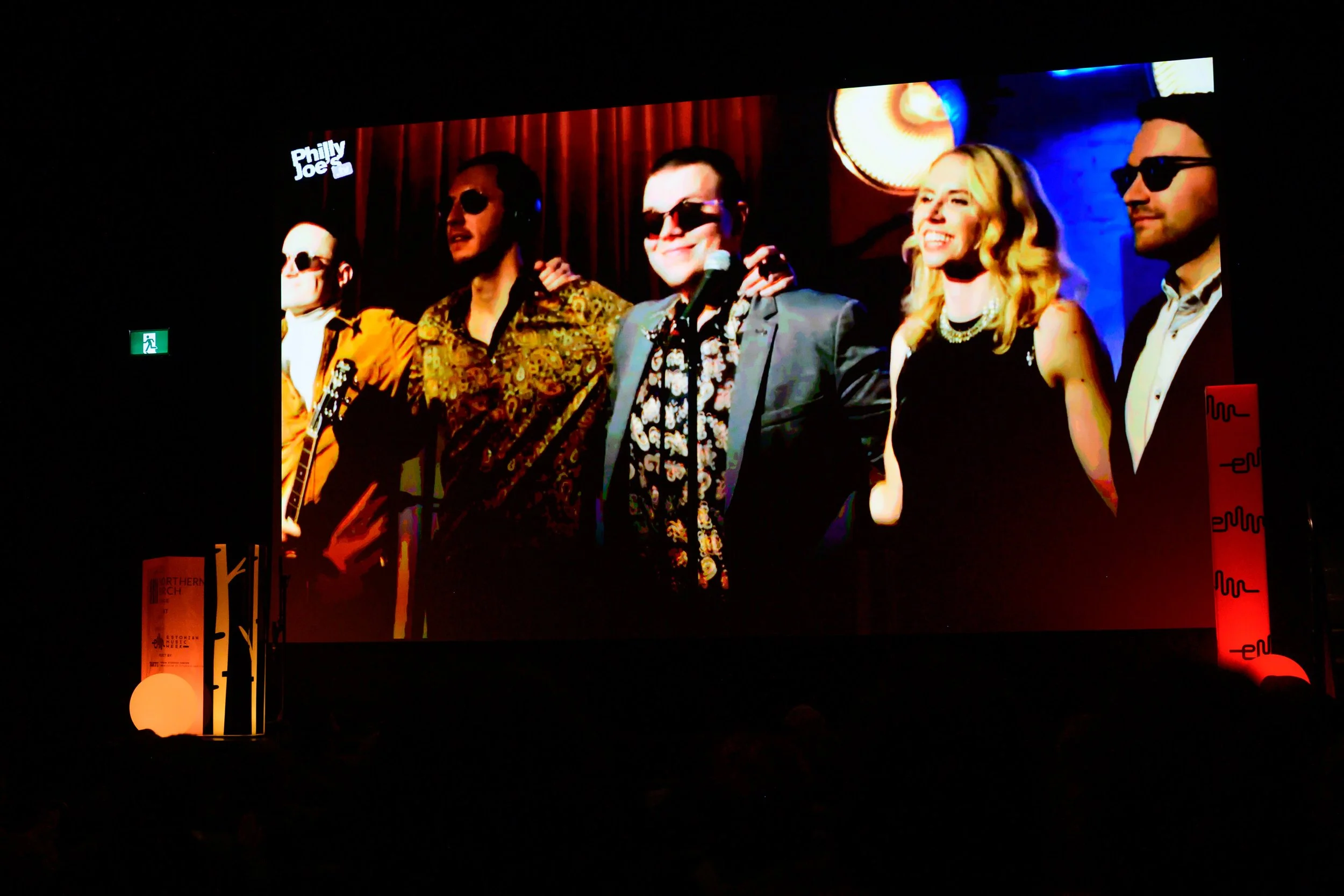
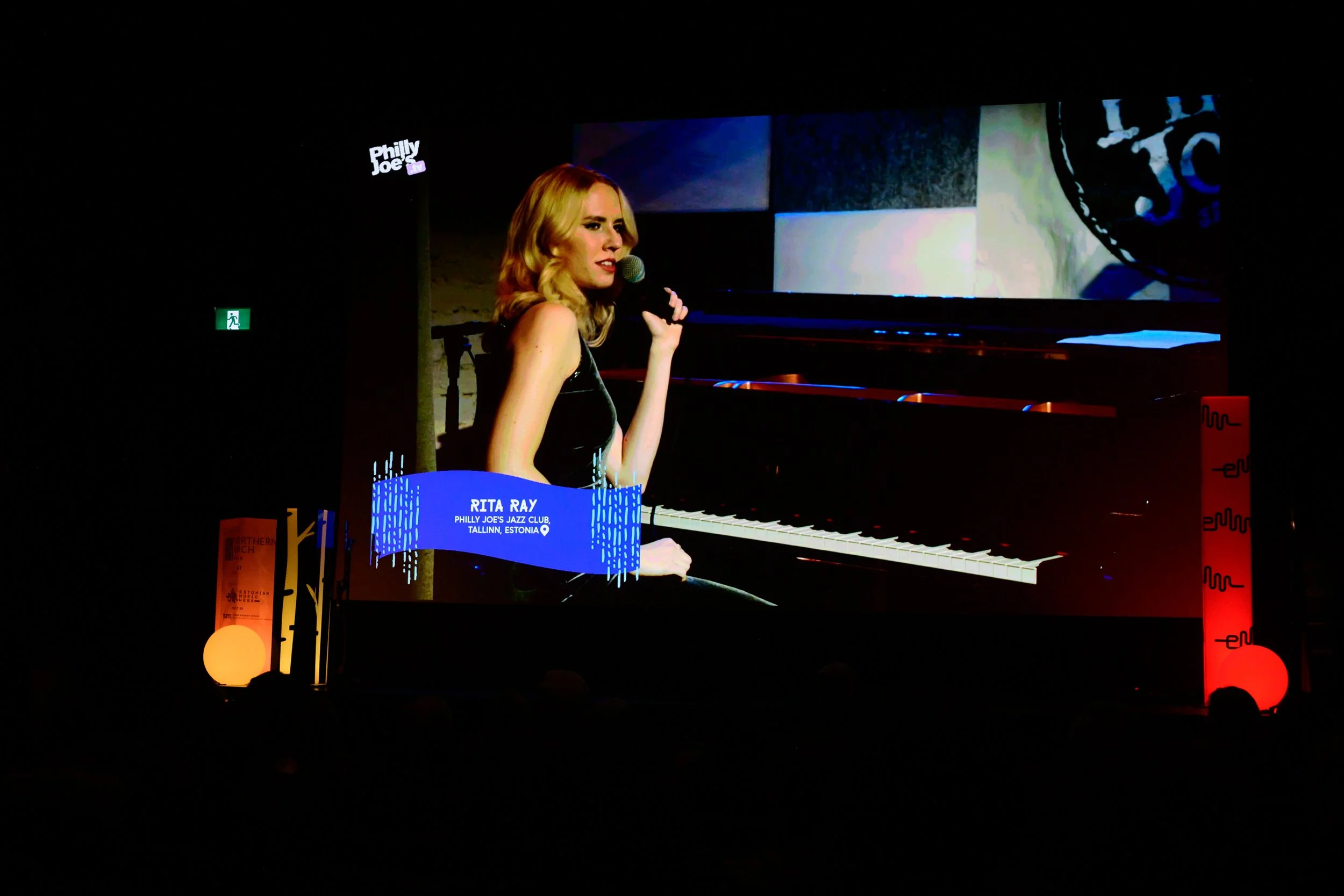
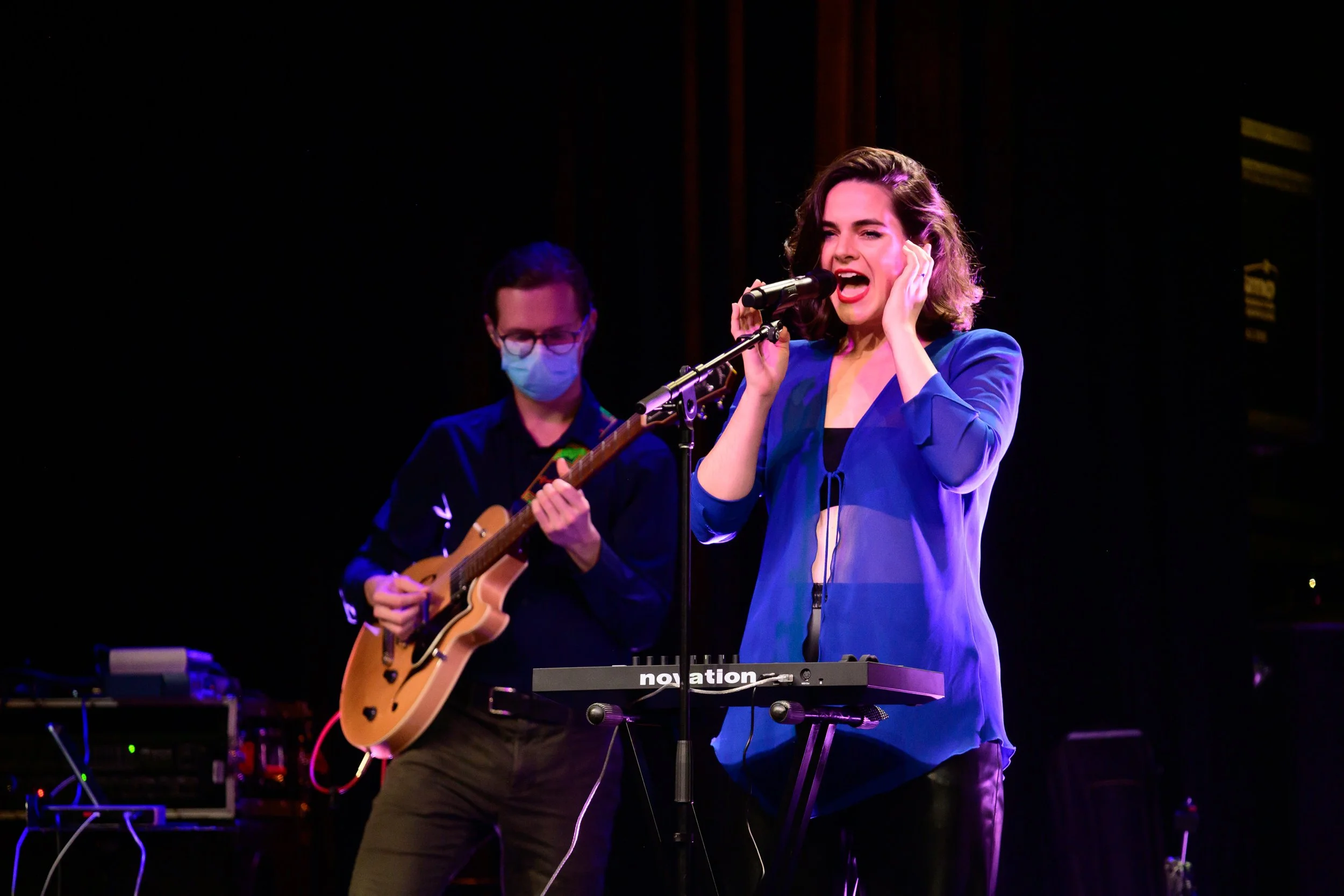
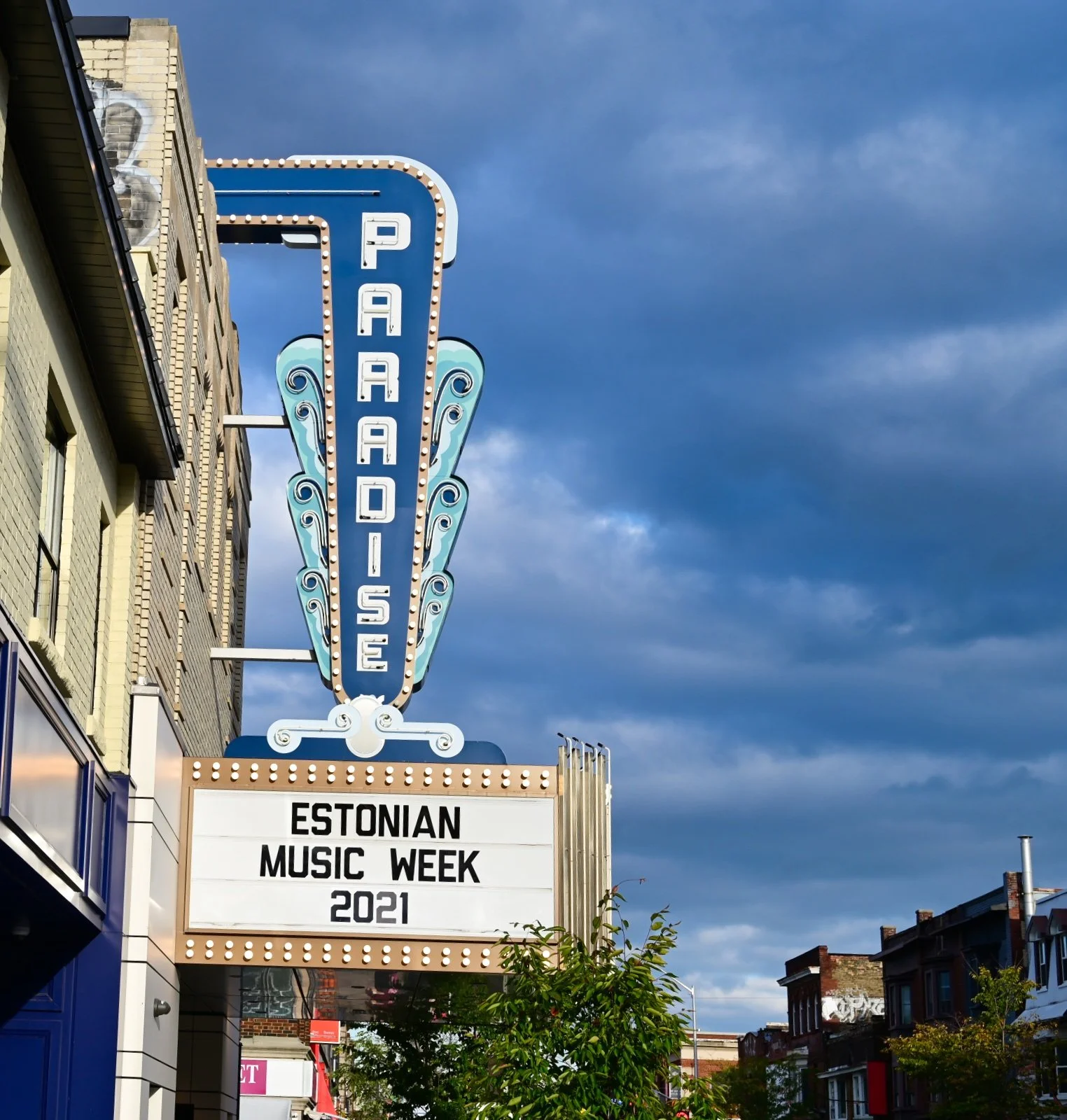
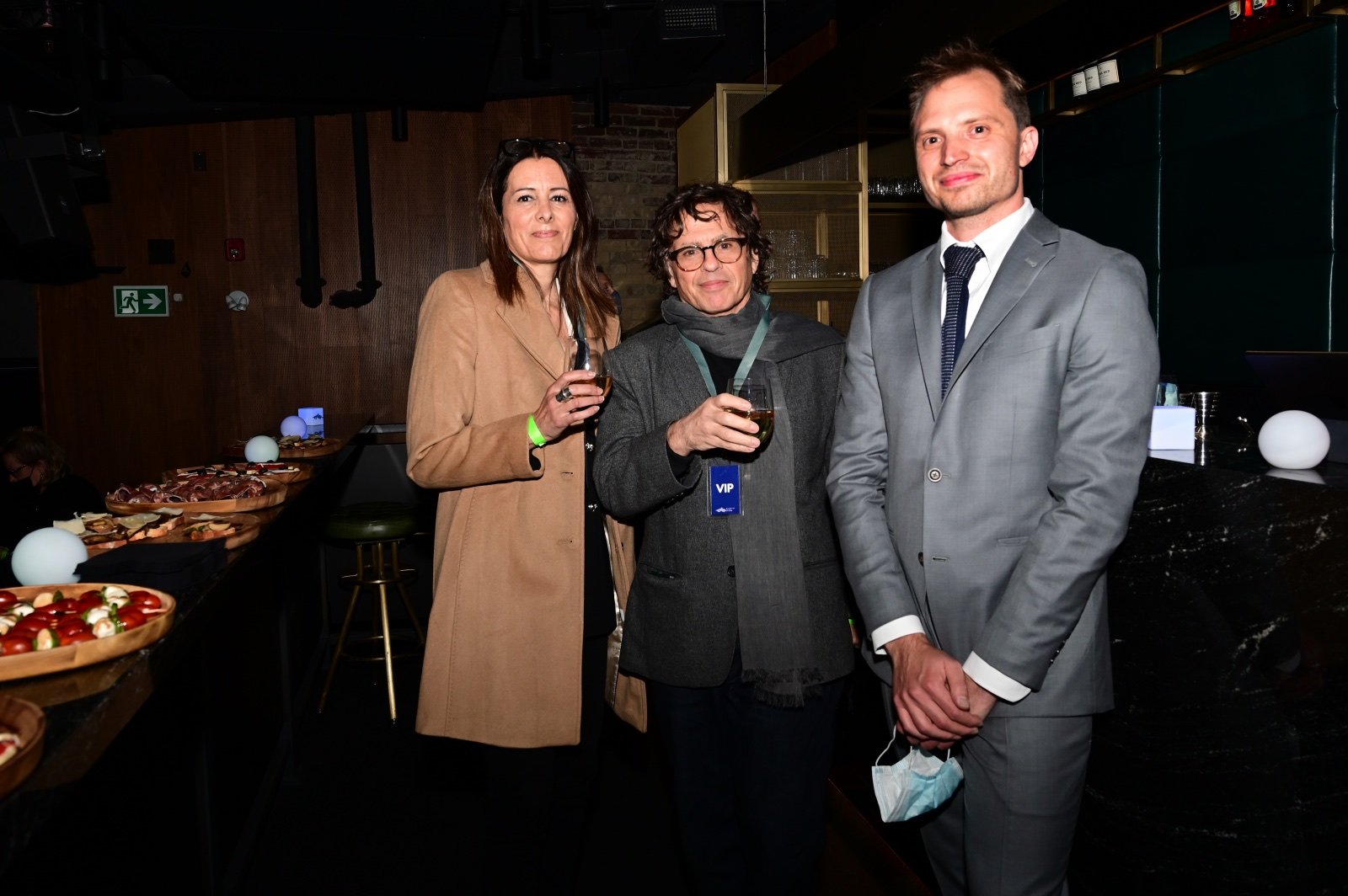
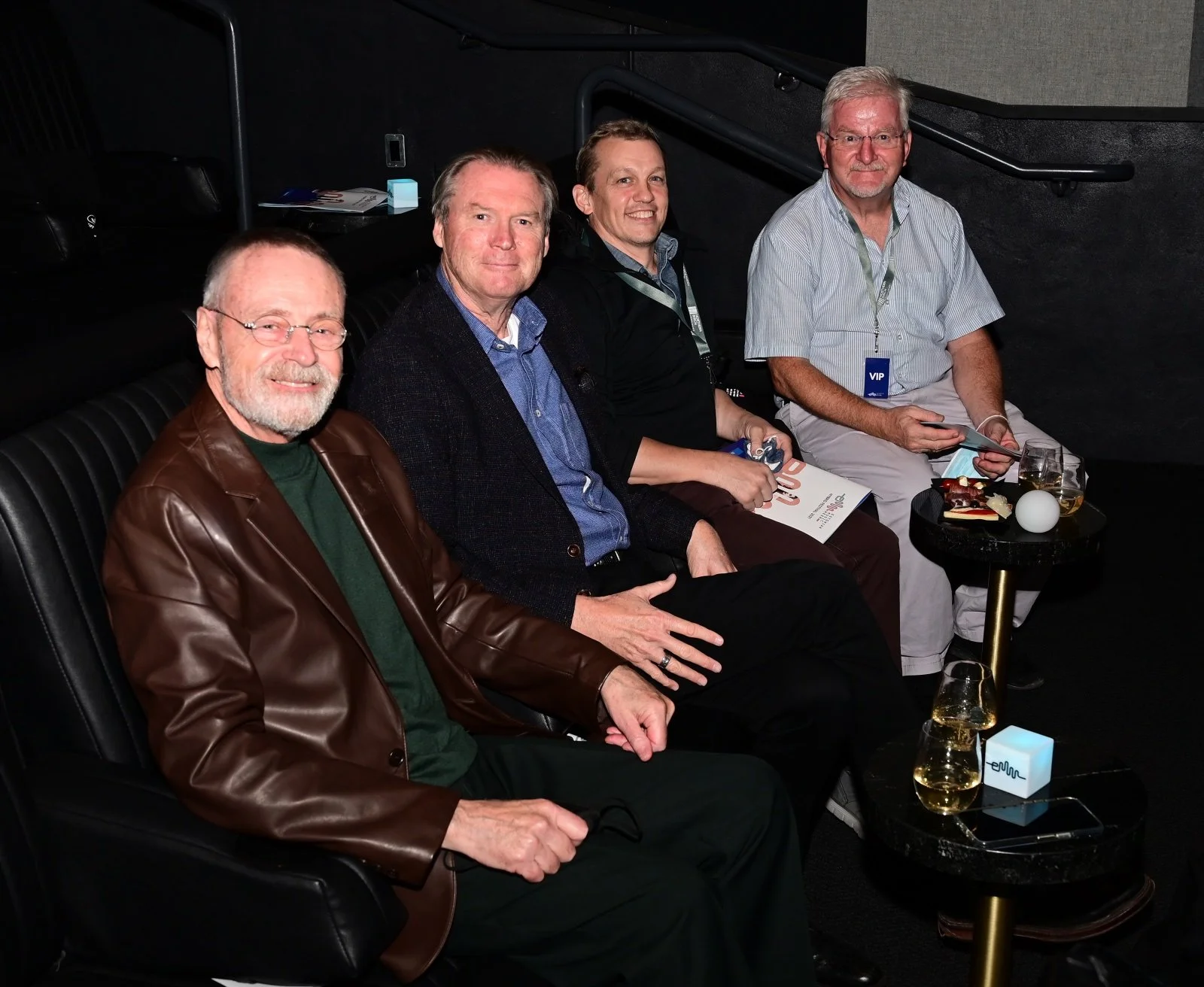
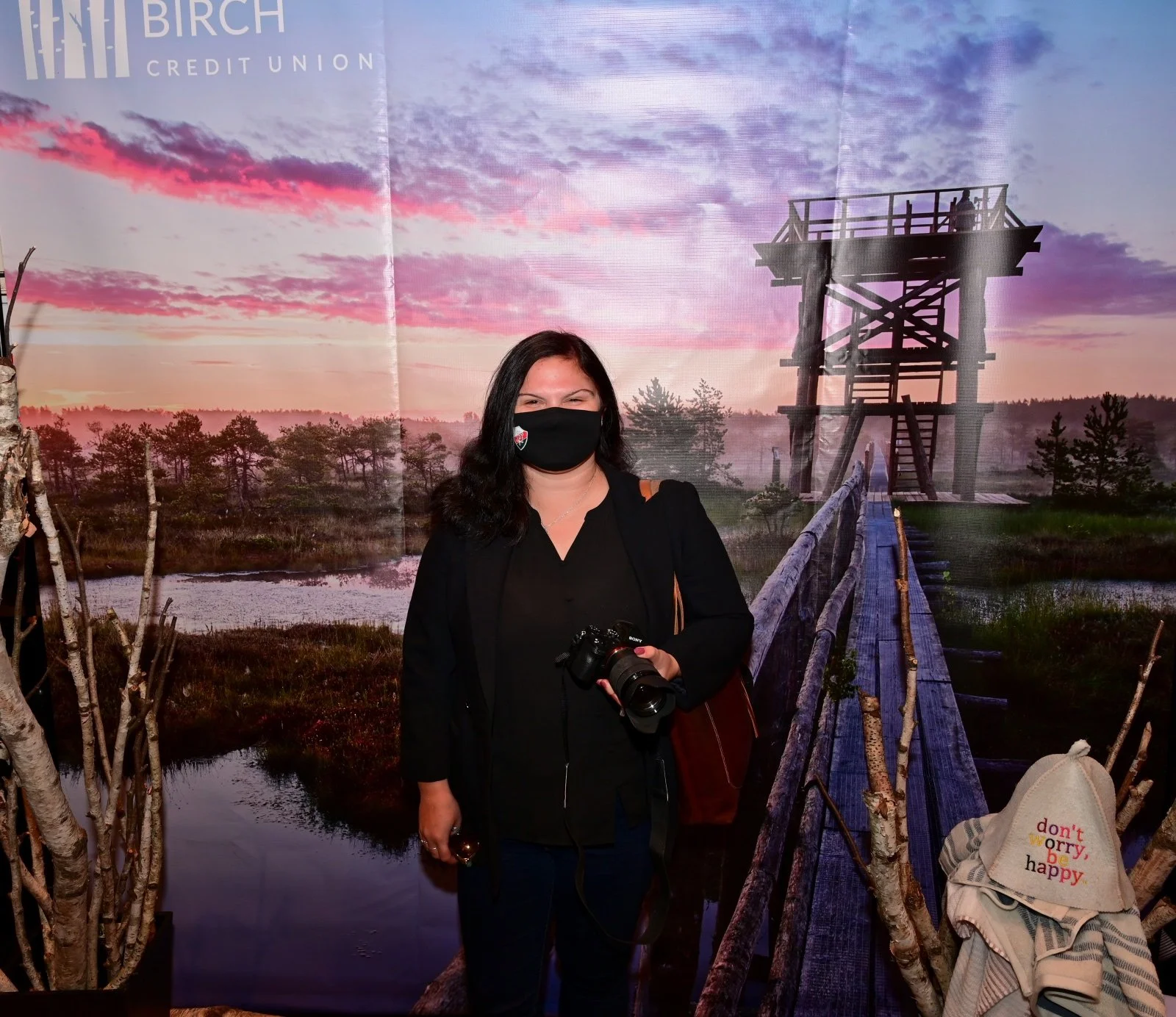
Night One: New Voices in R&B w. Rita Ray, Kaili Kinnon & Estyr | Paradise Theatre, Toronto + Live-Streamed from Philly Joe’s, Tallinn
Photos by Henry Chan and Peeter Põldre



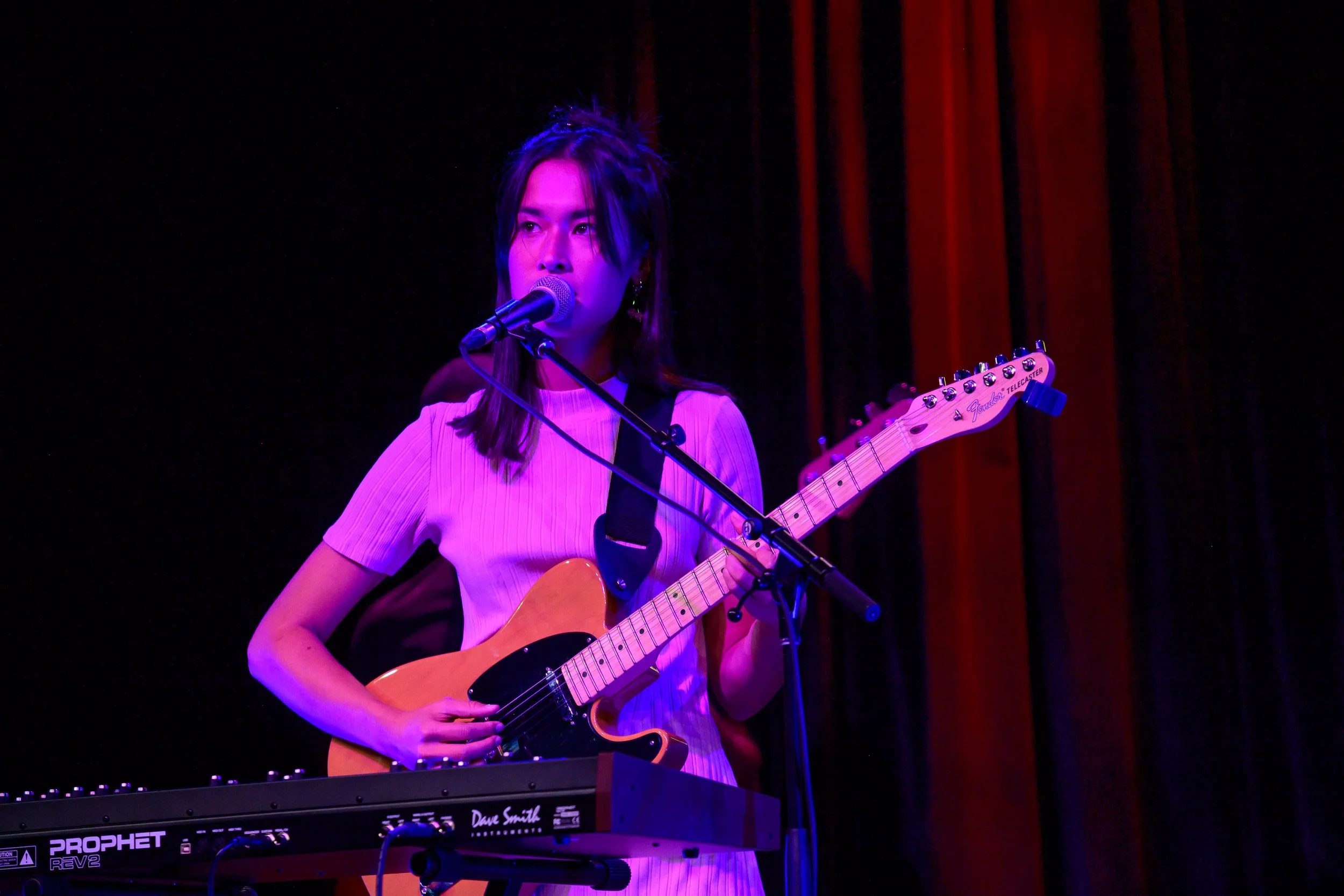
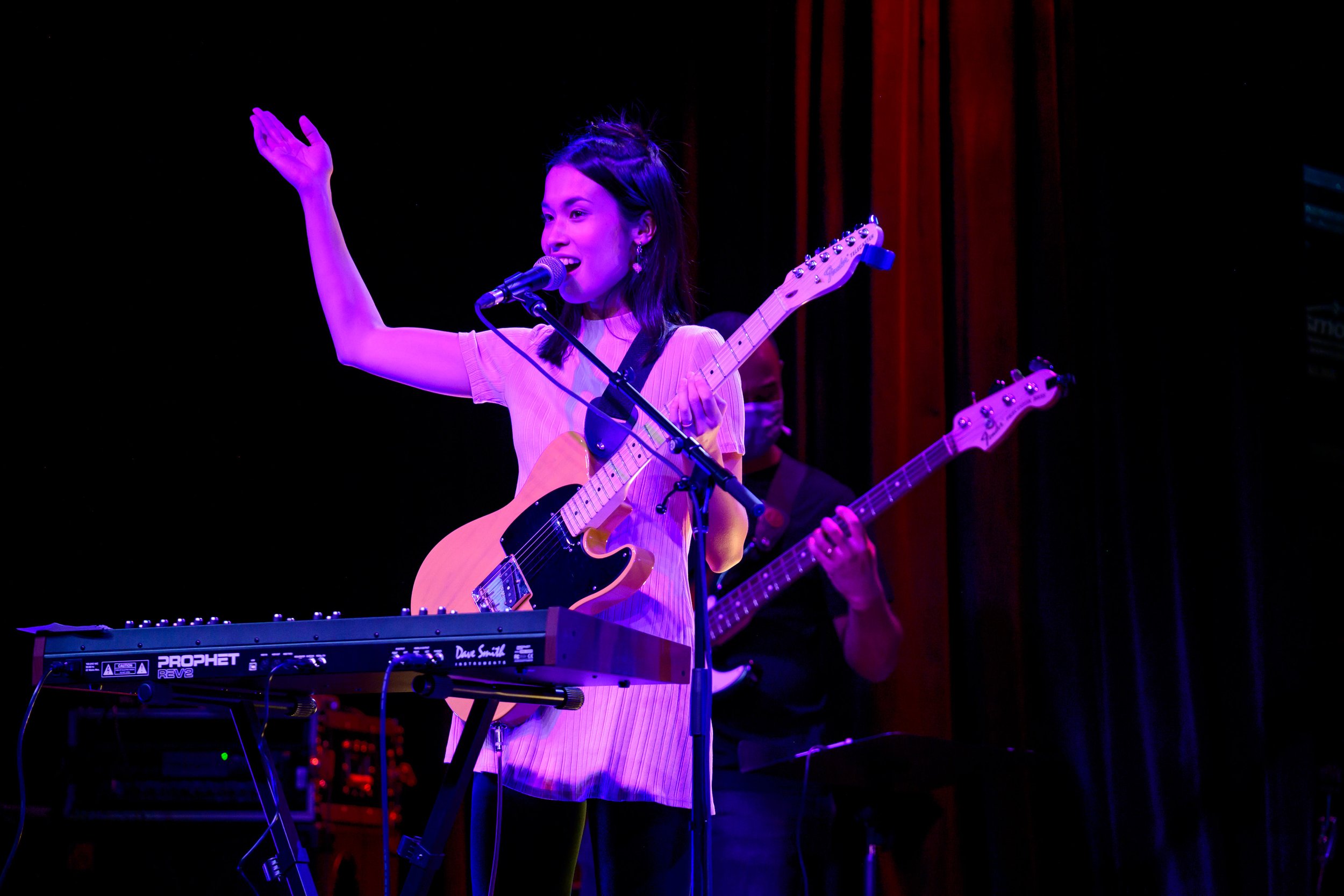
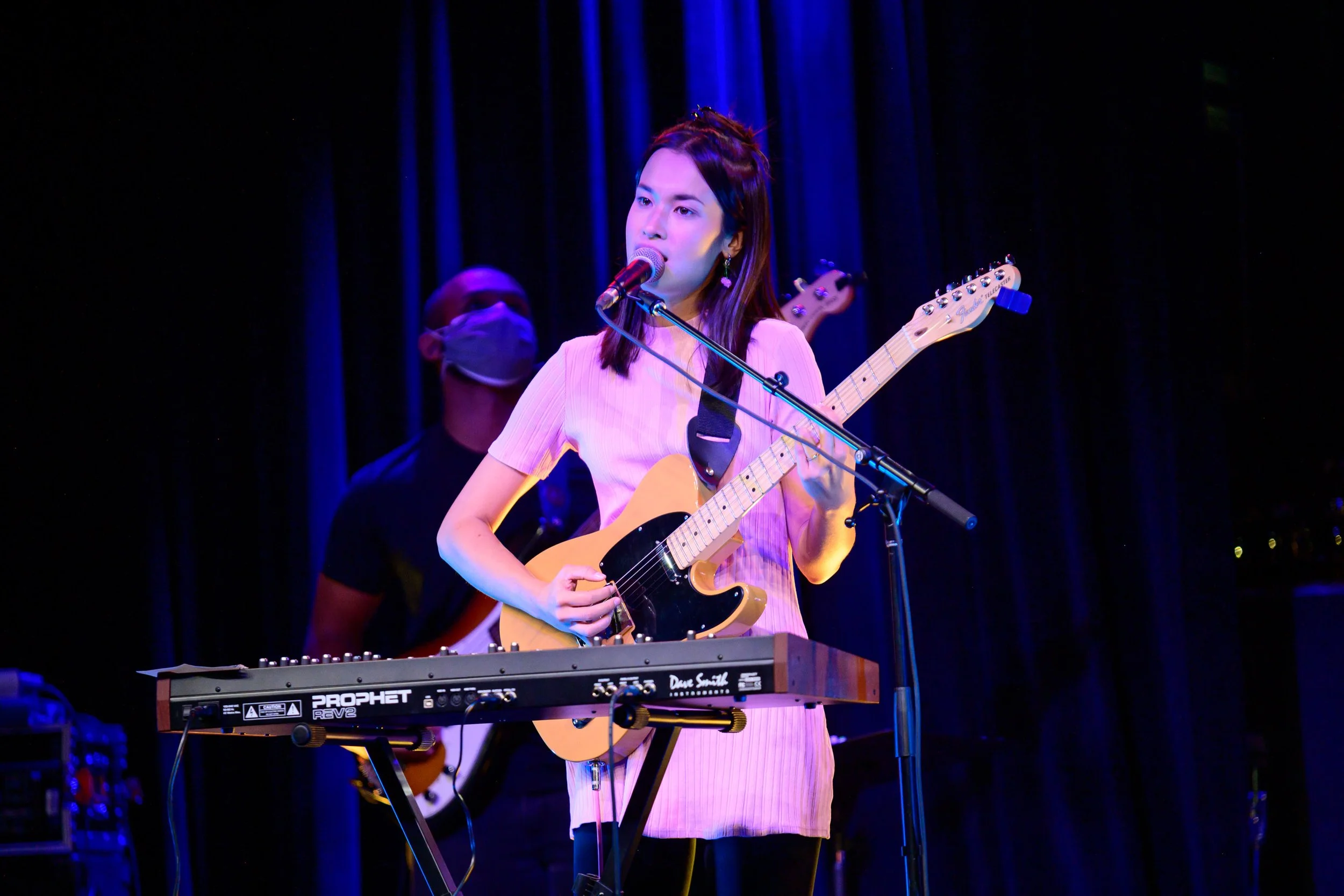
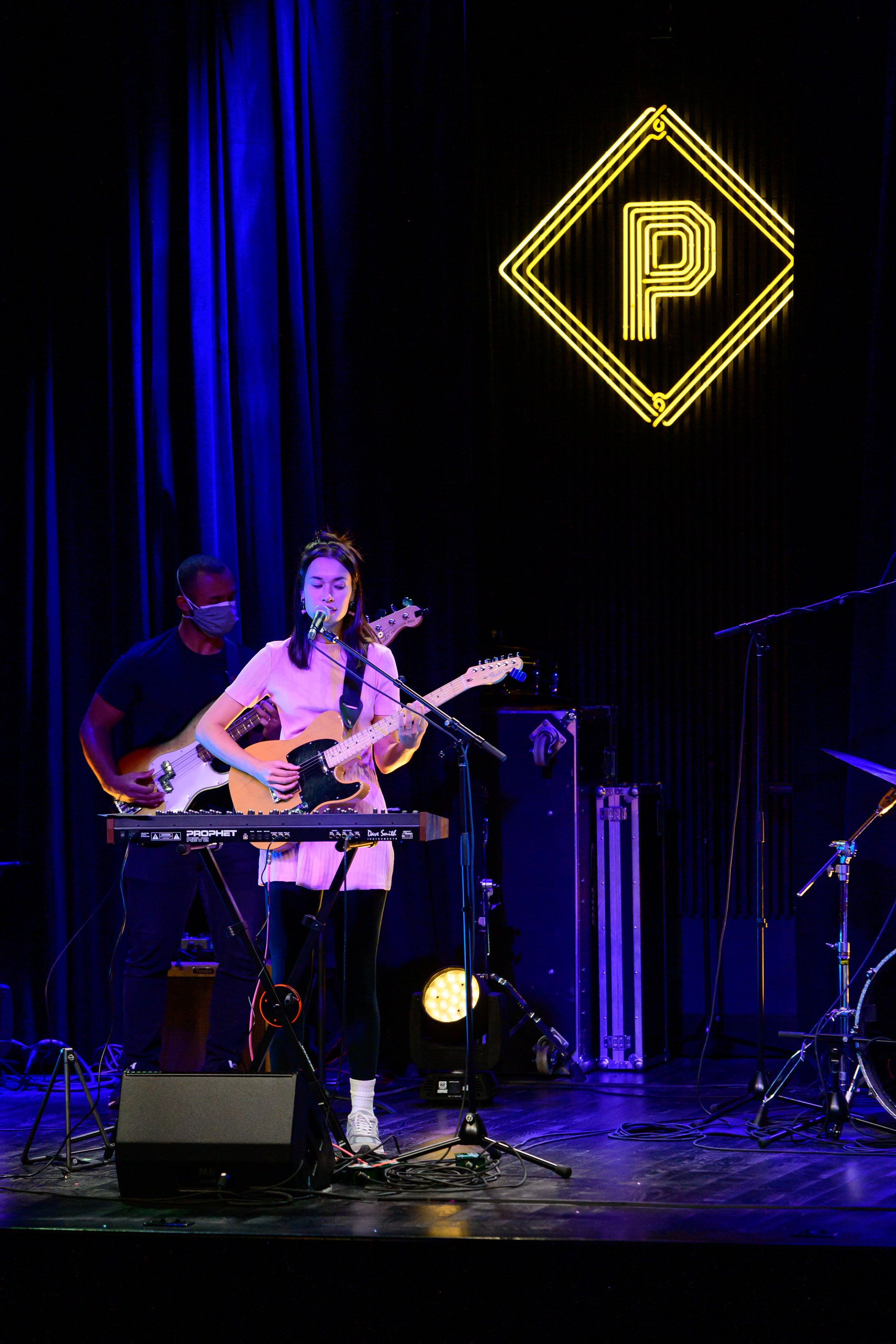
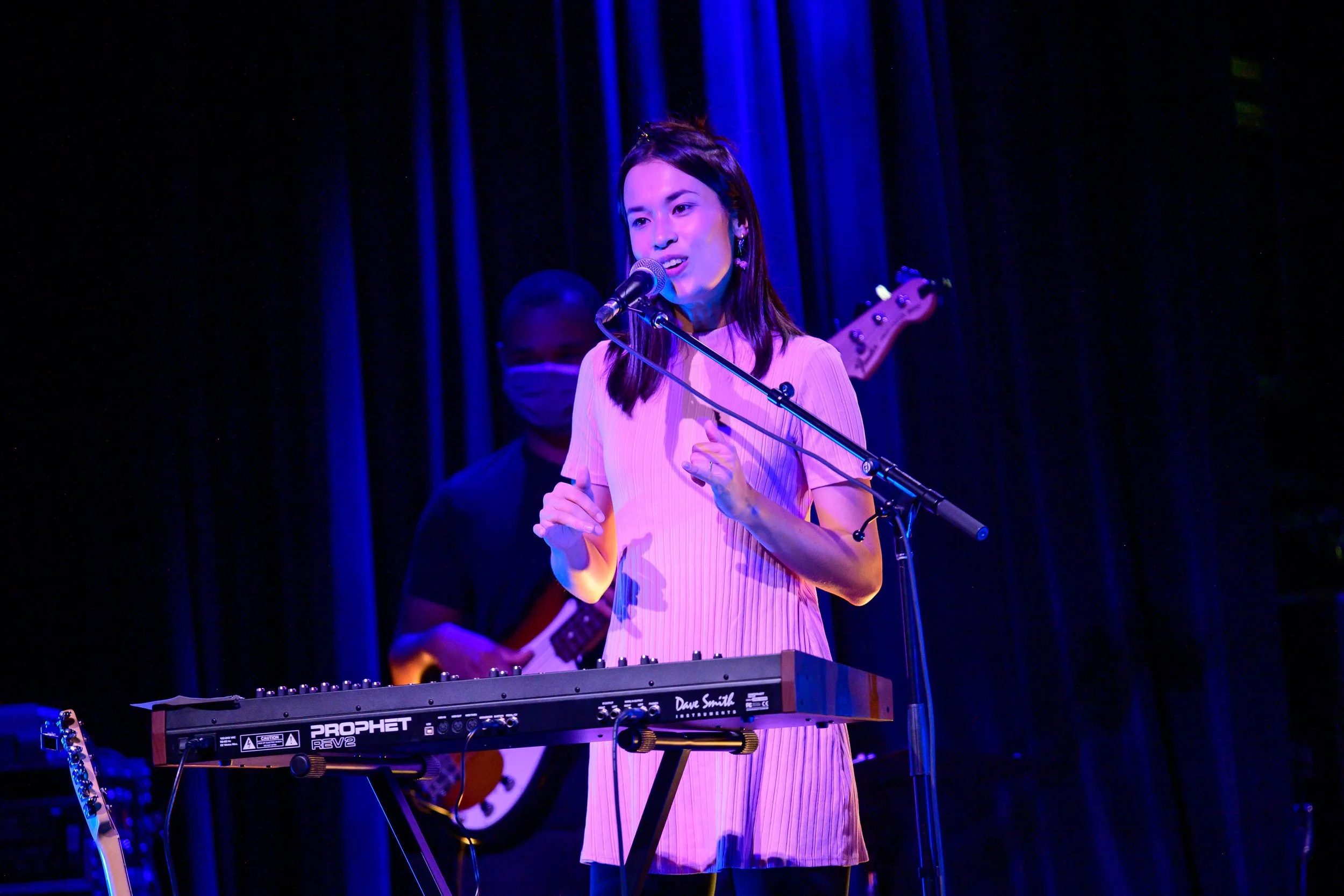
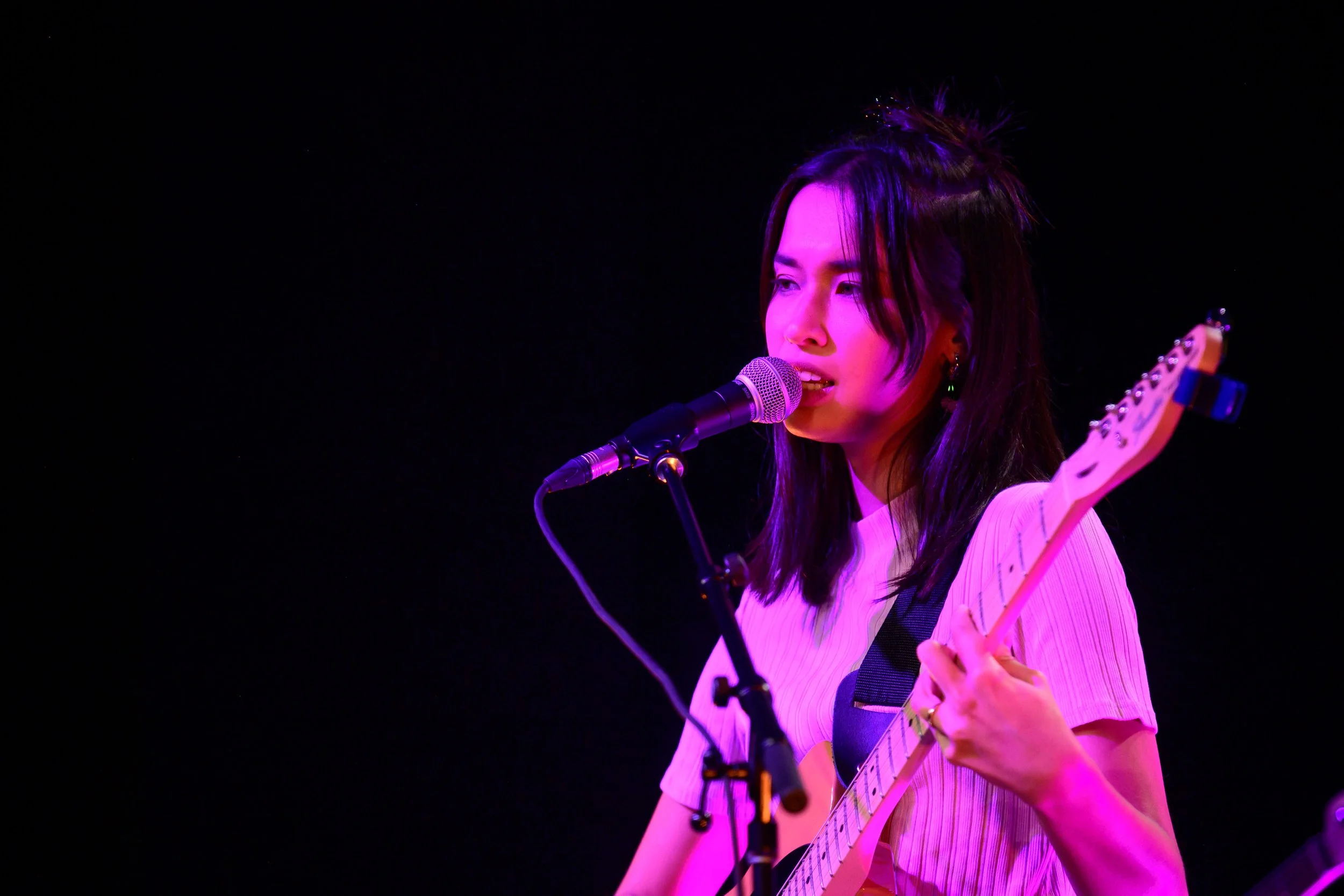
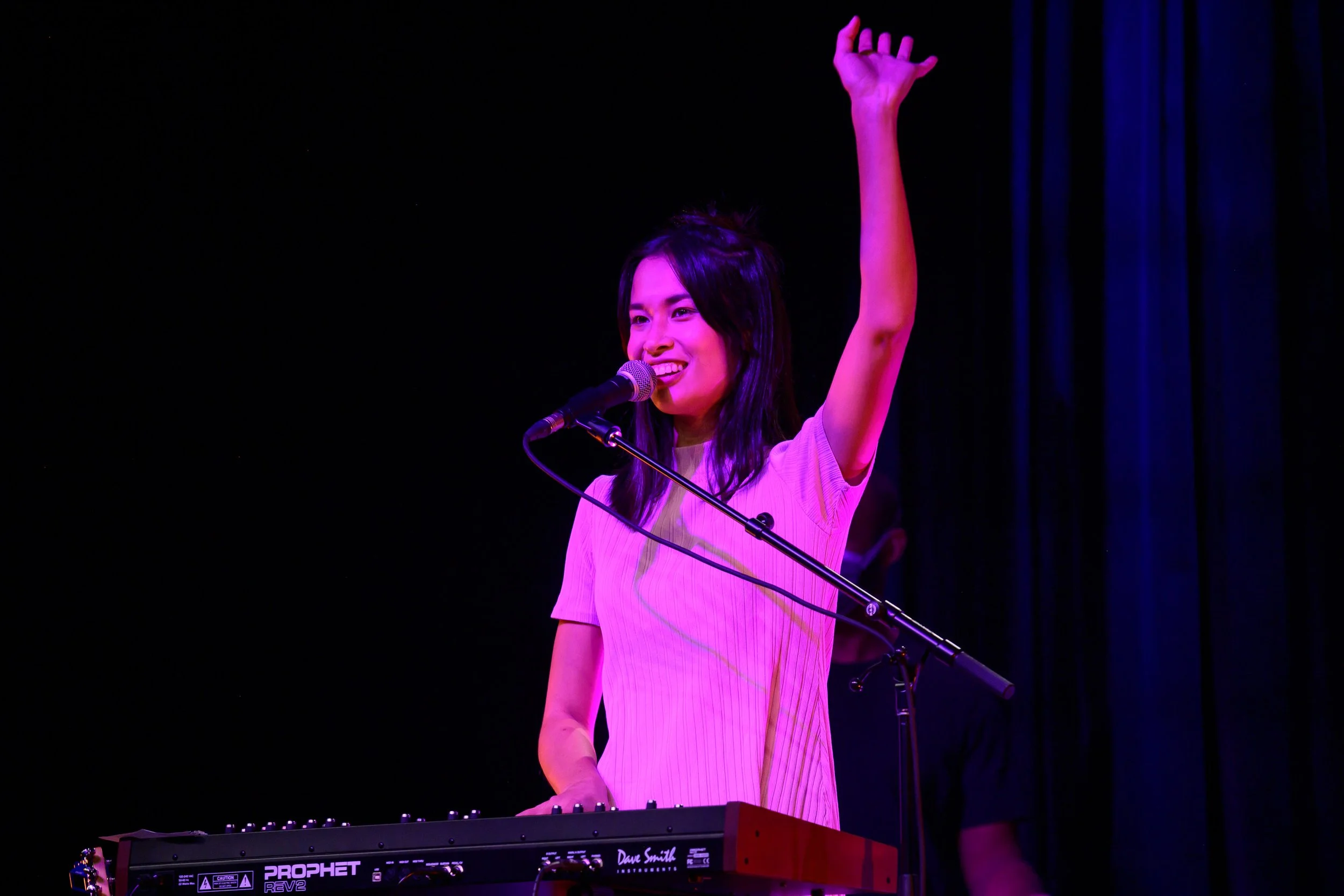
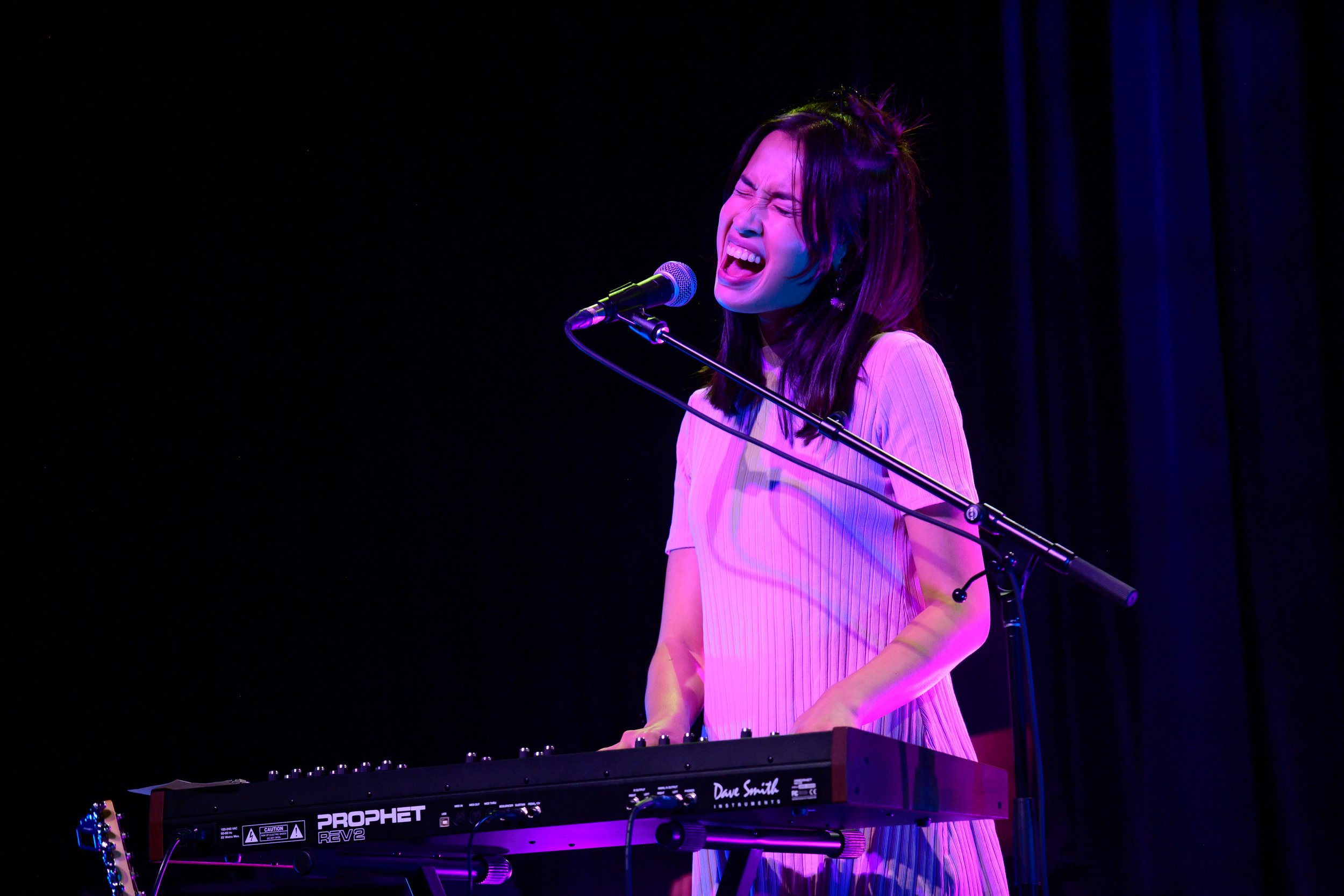




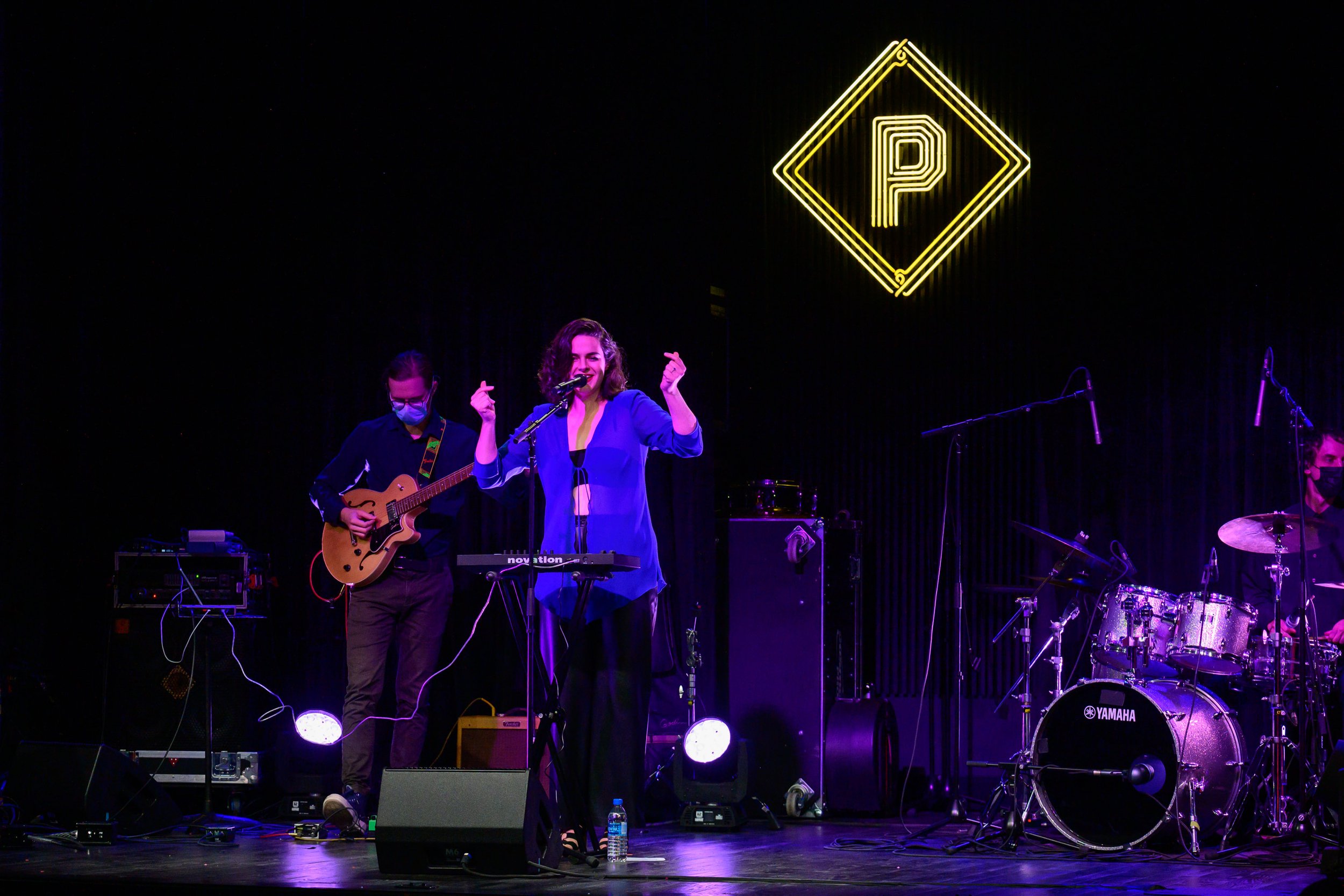


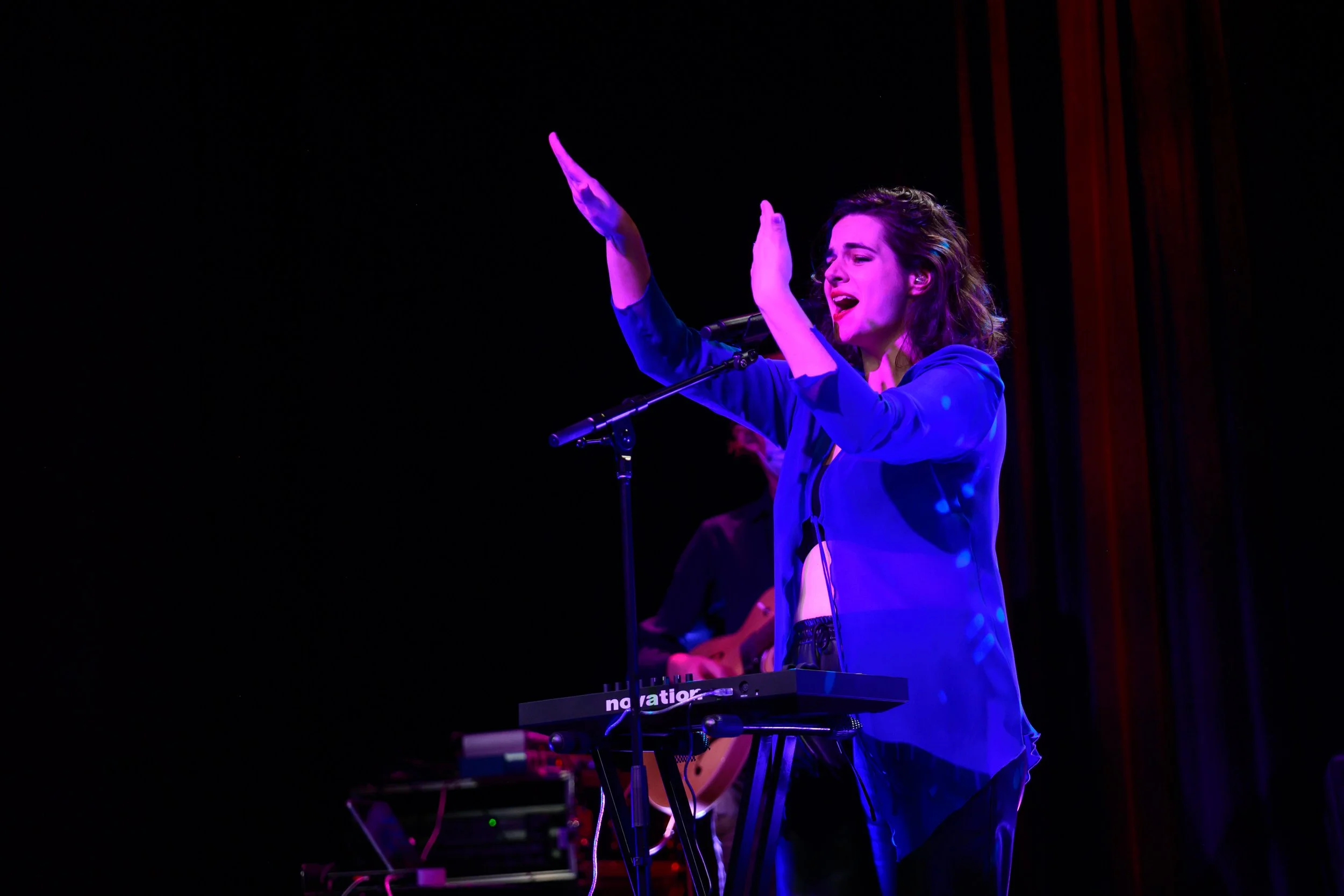


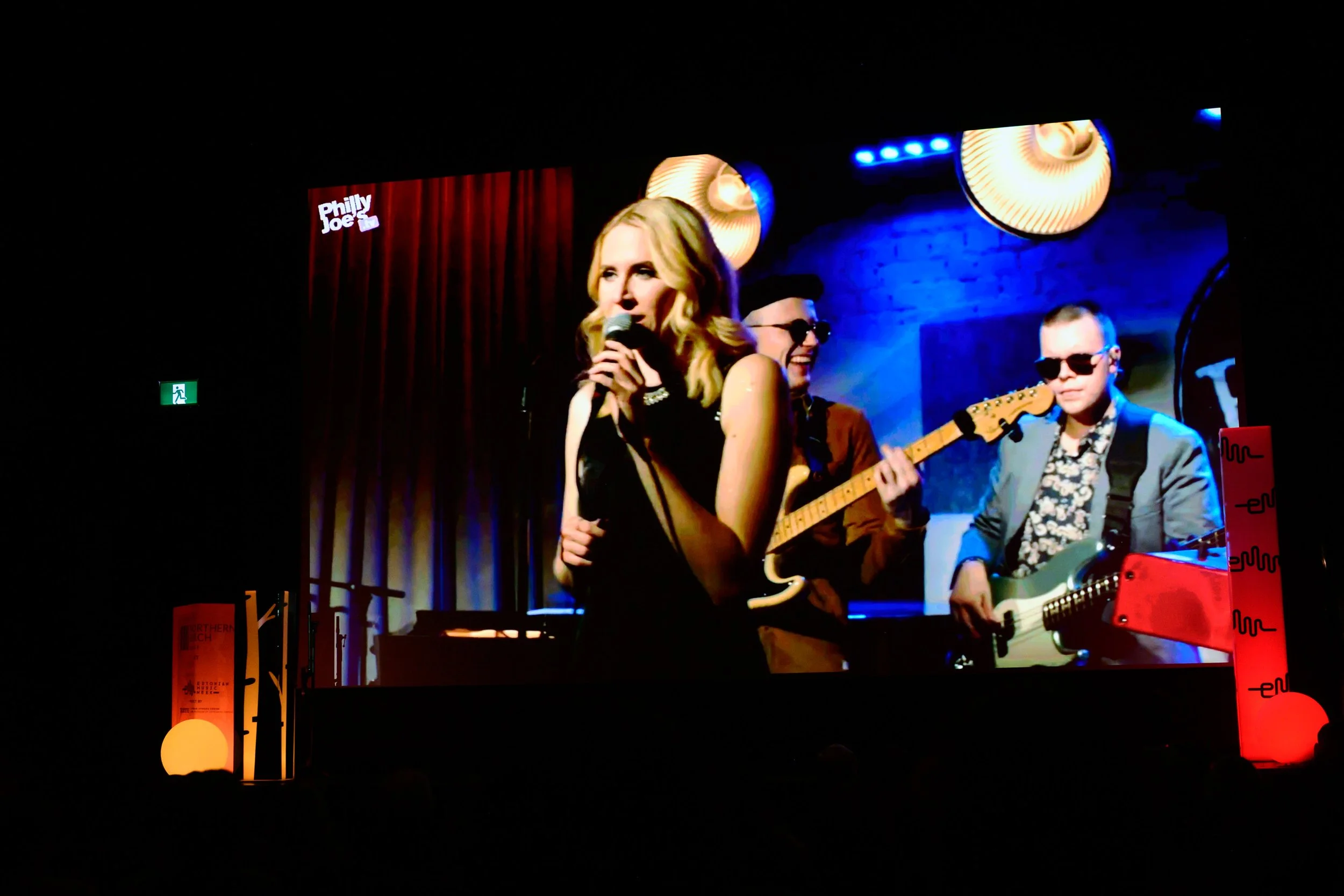

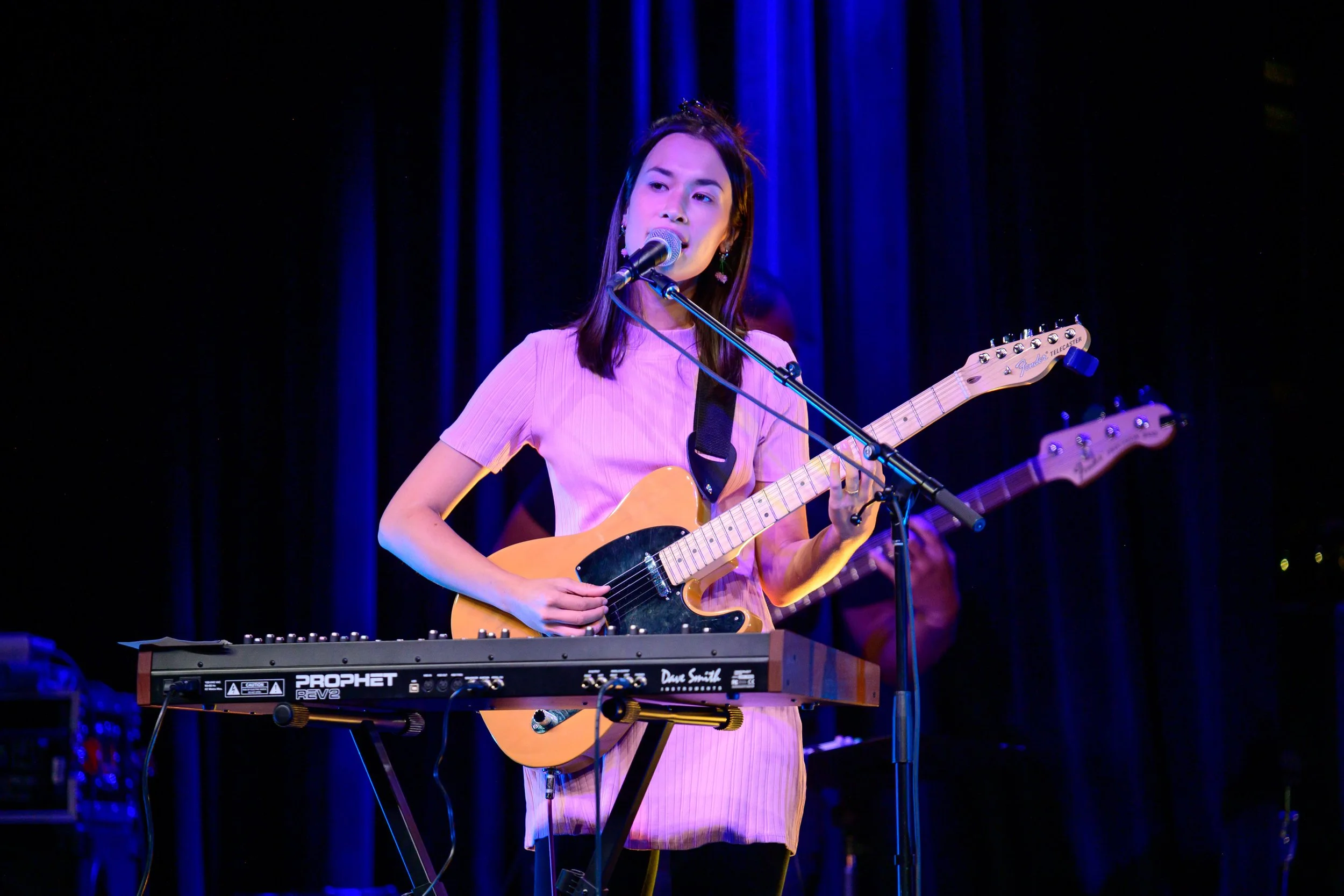
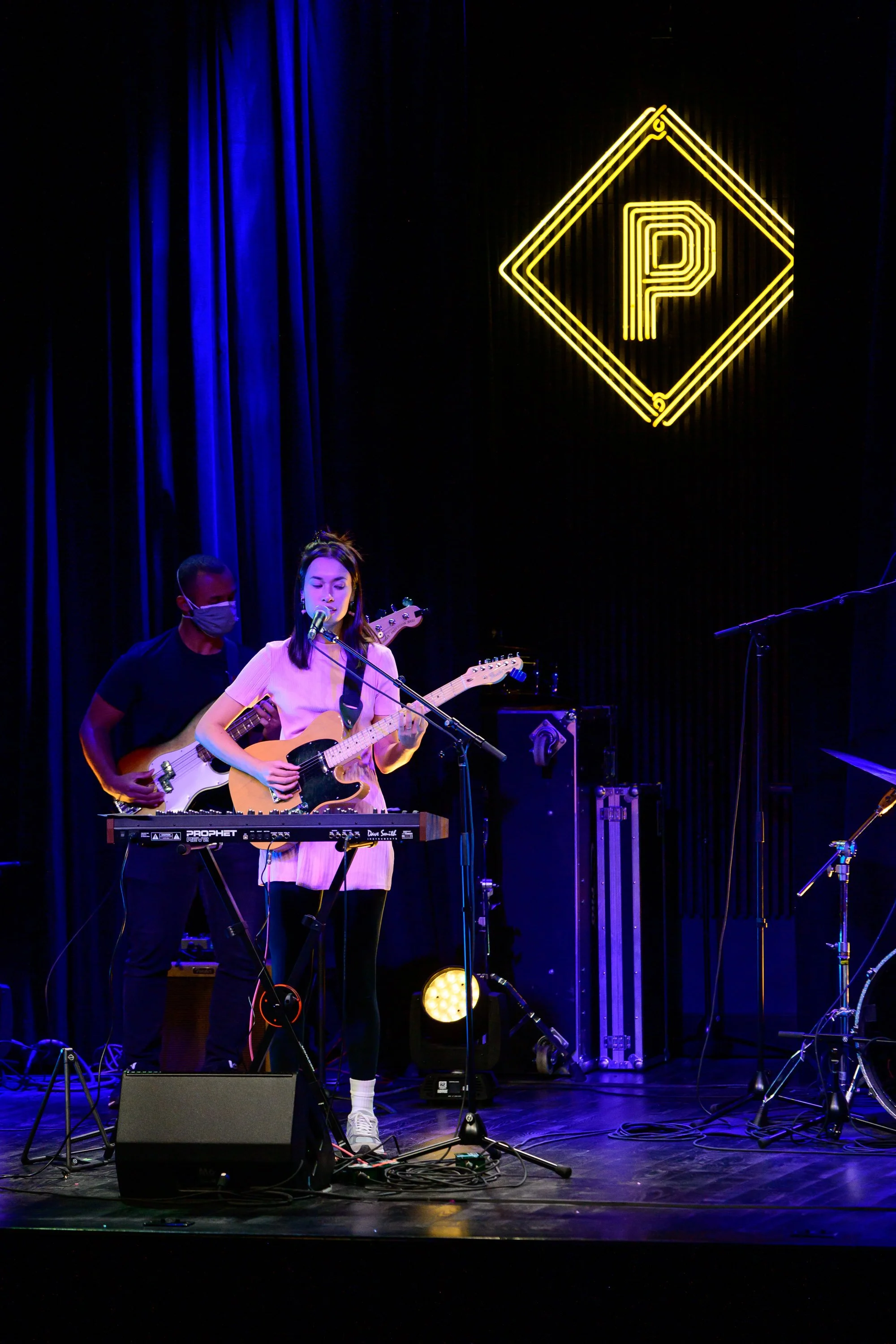
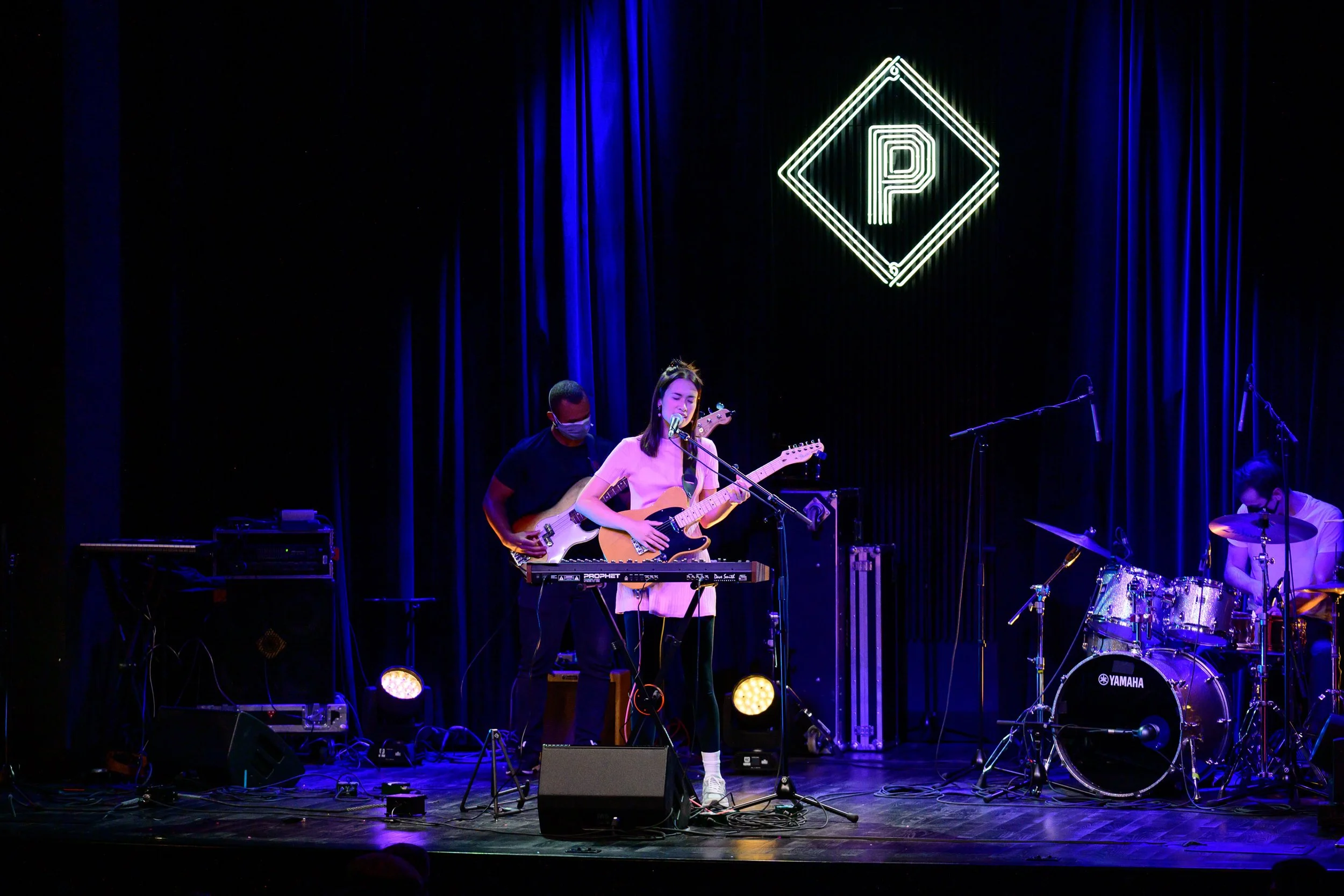




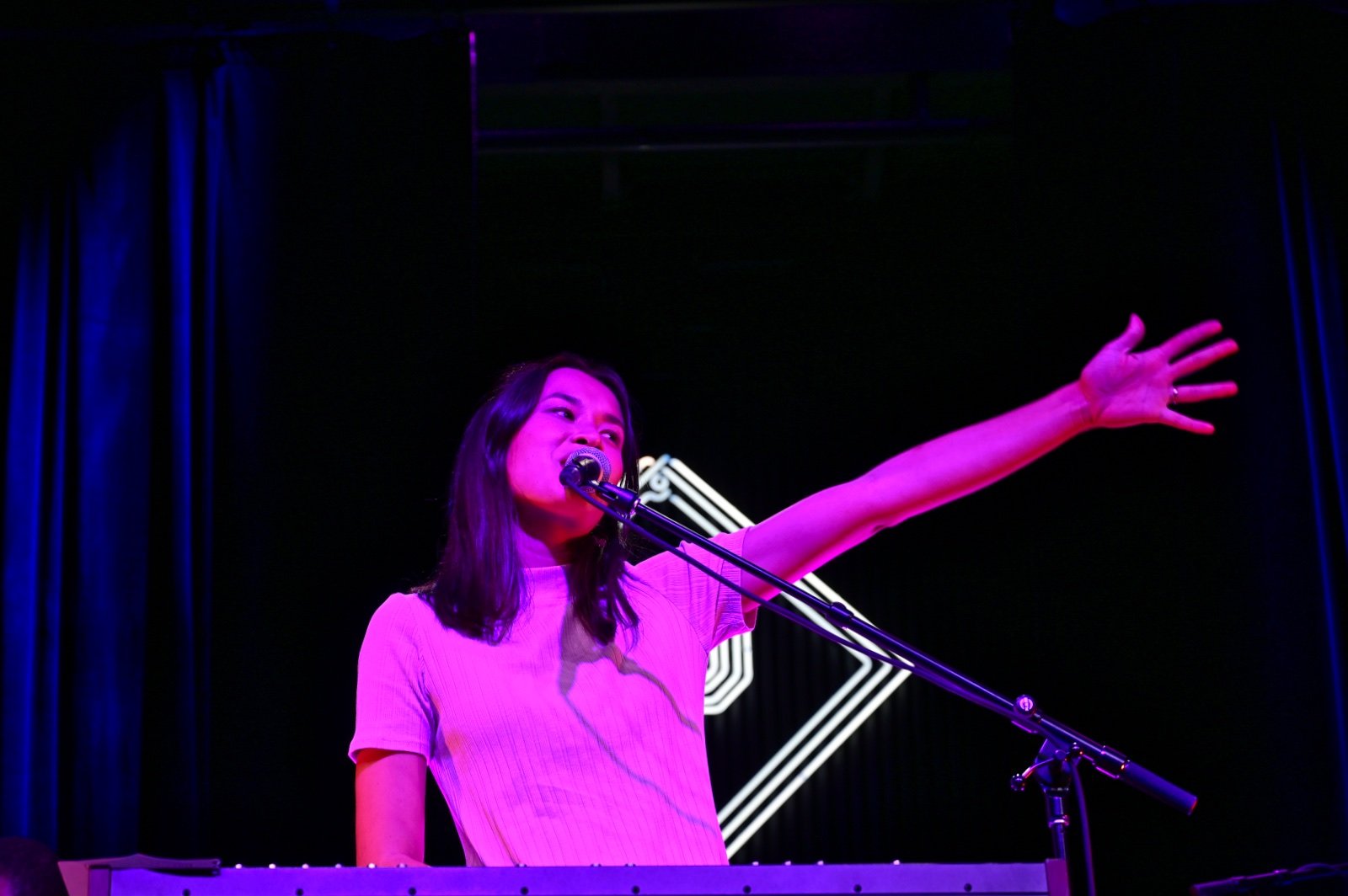
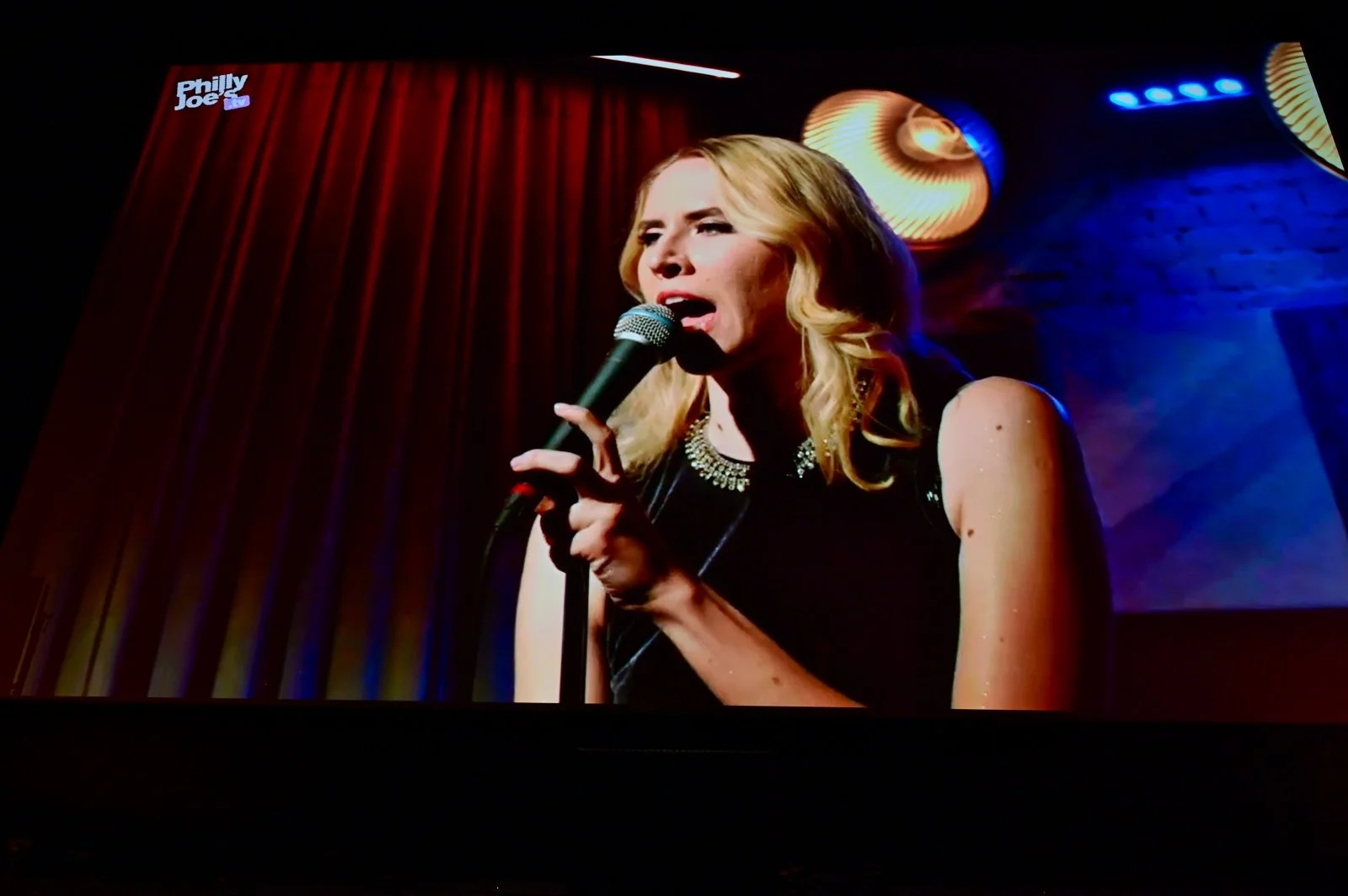
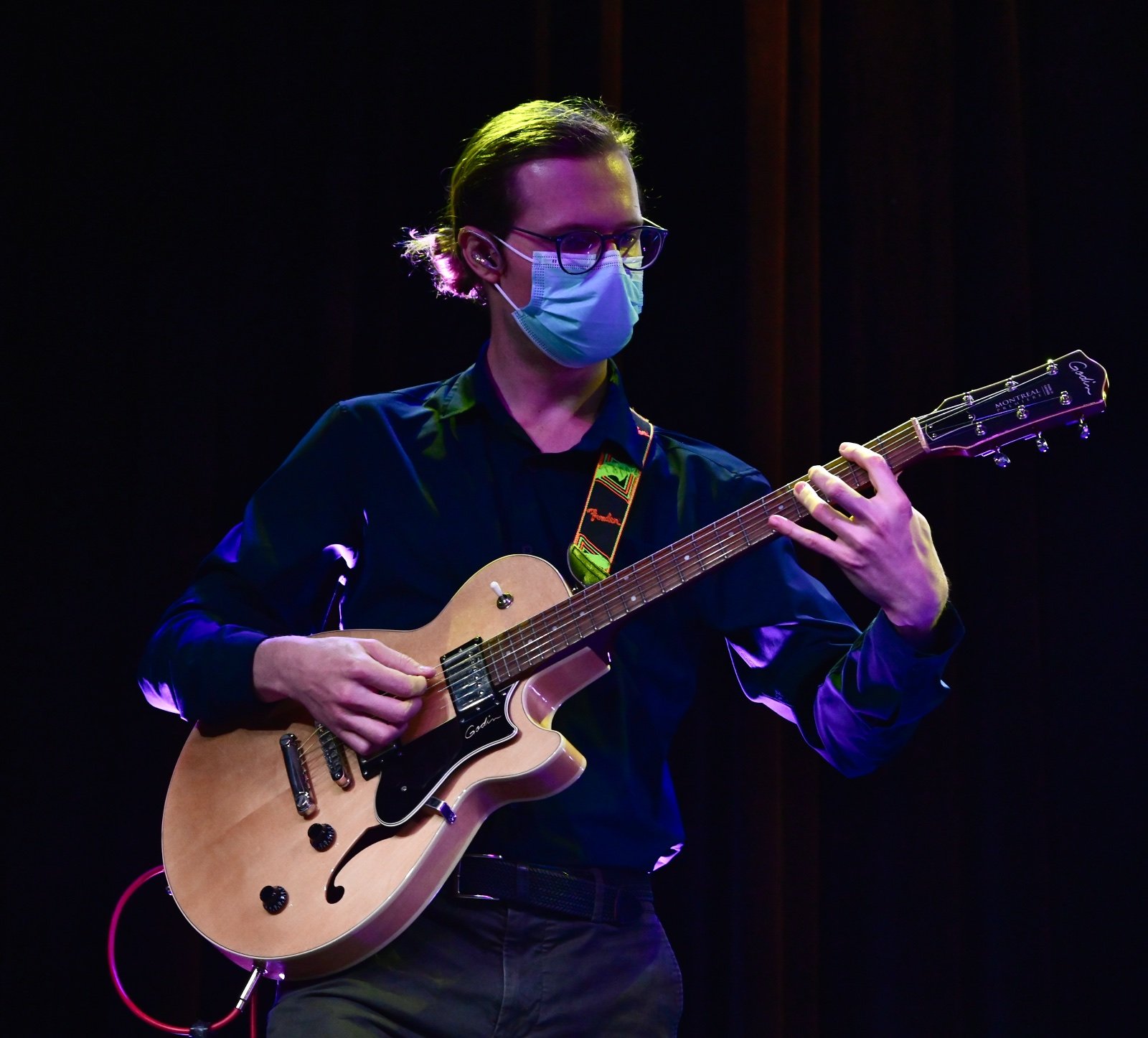




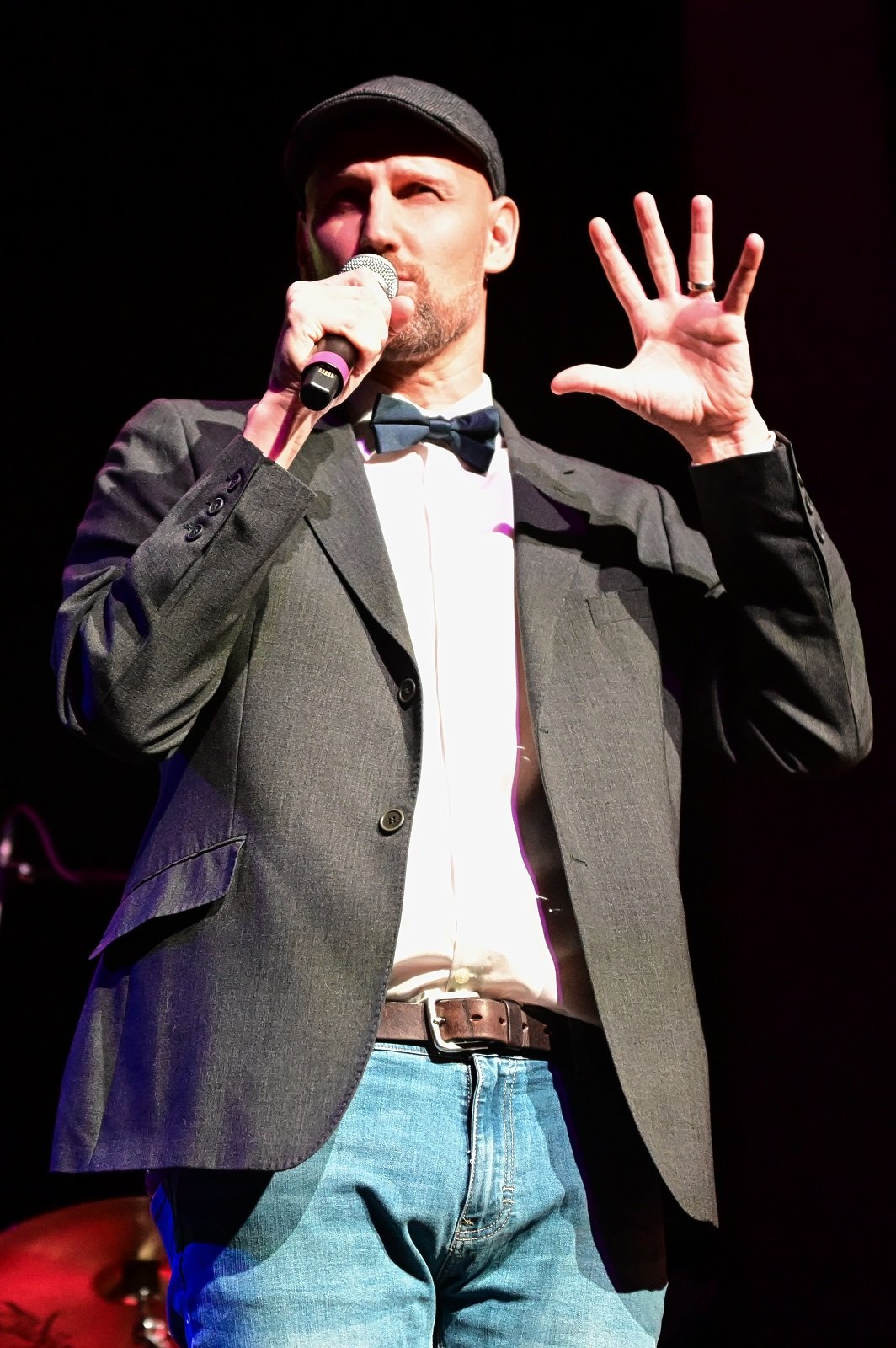
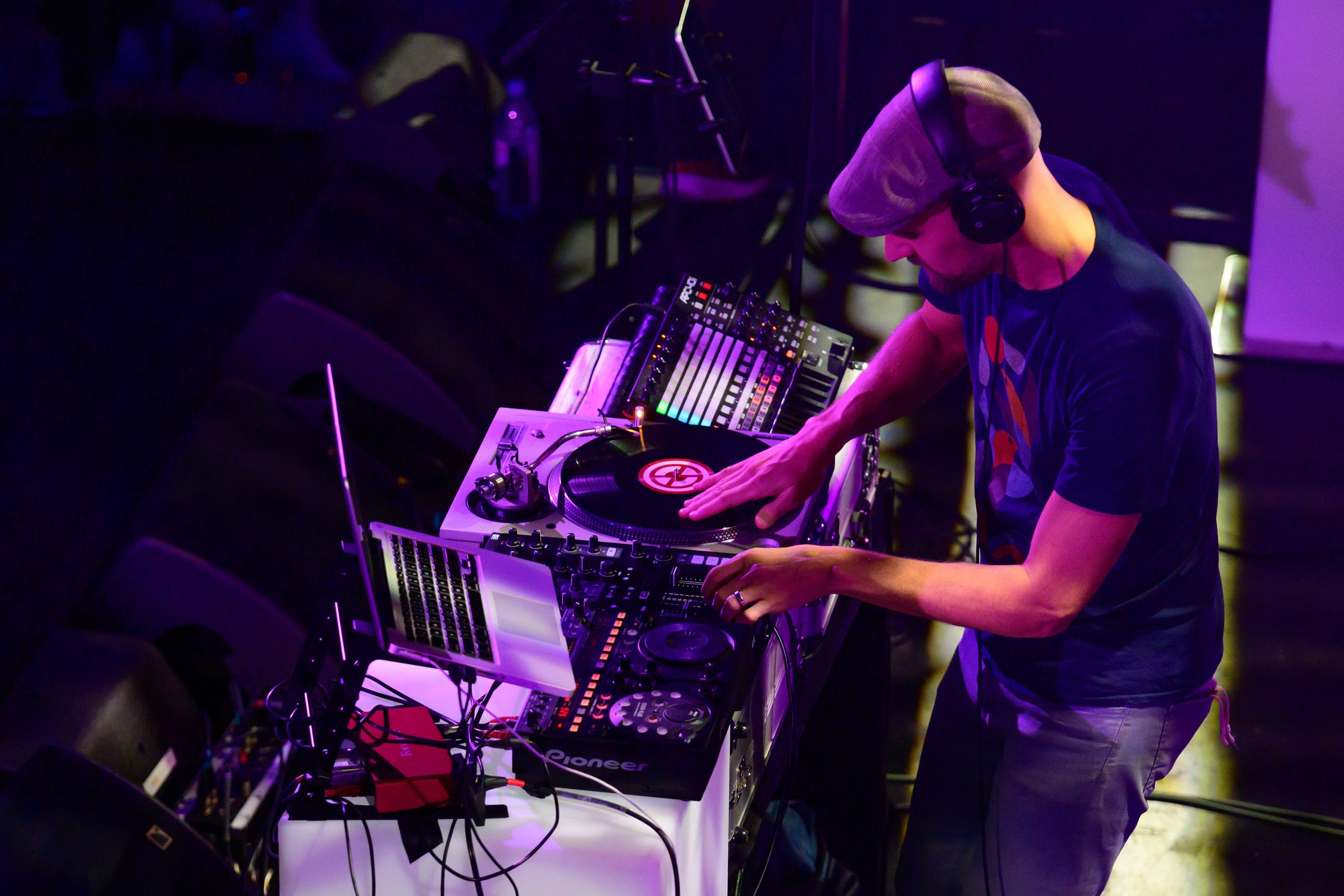
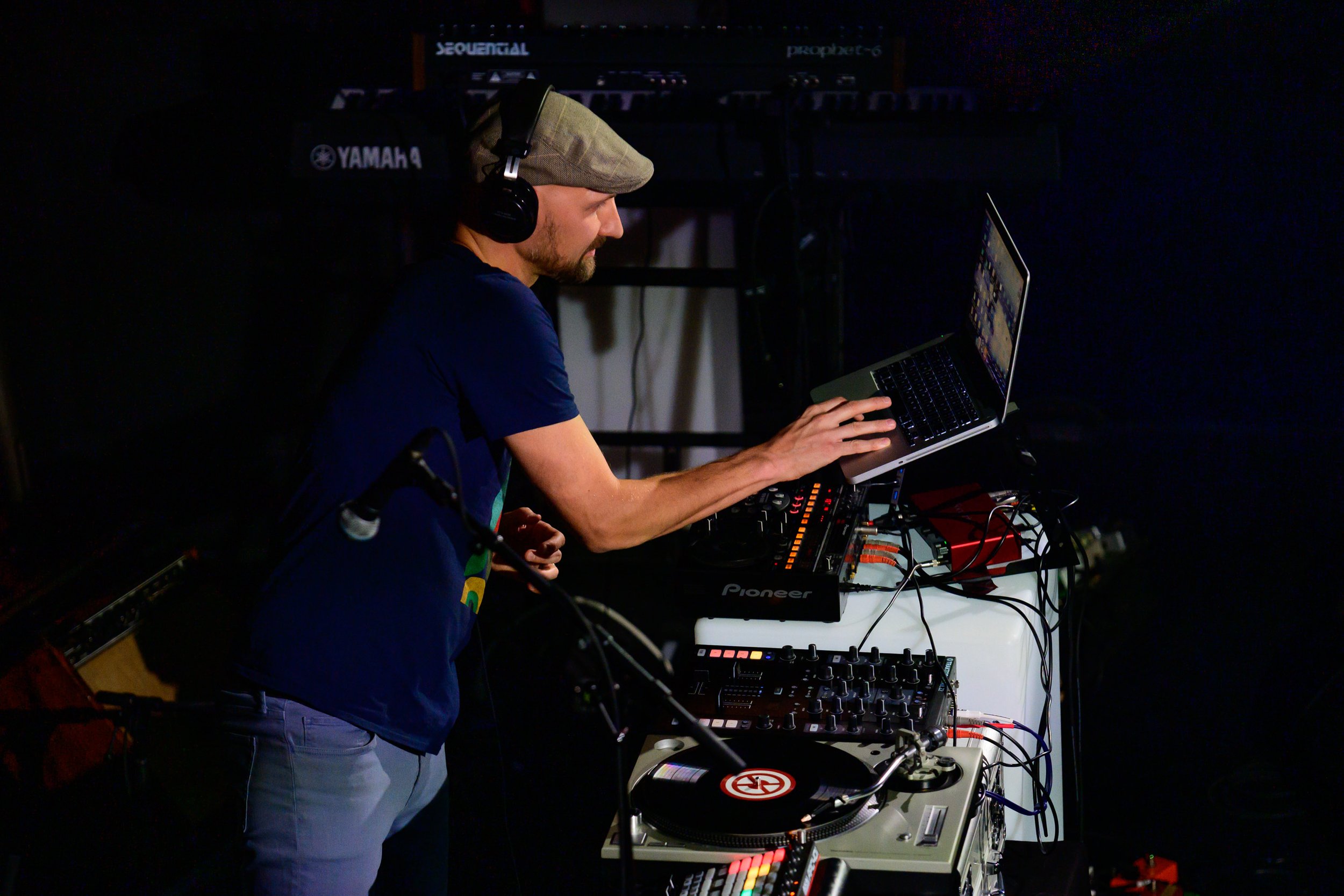
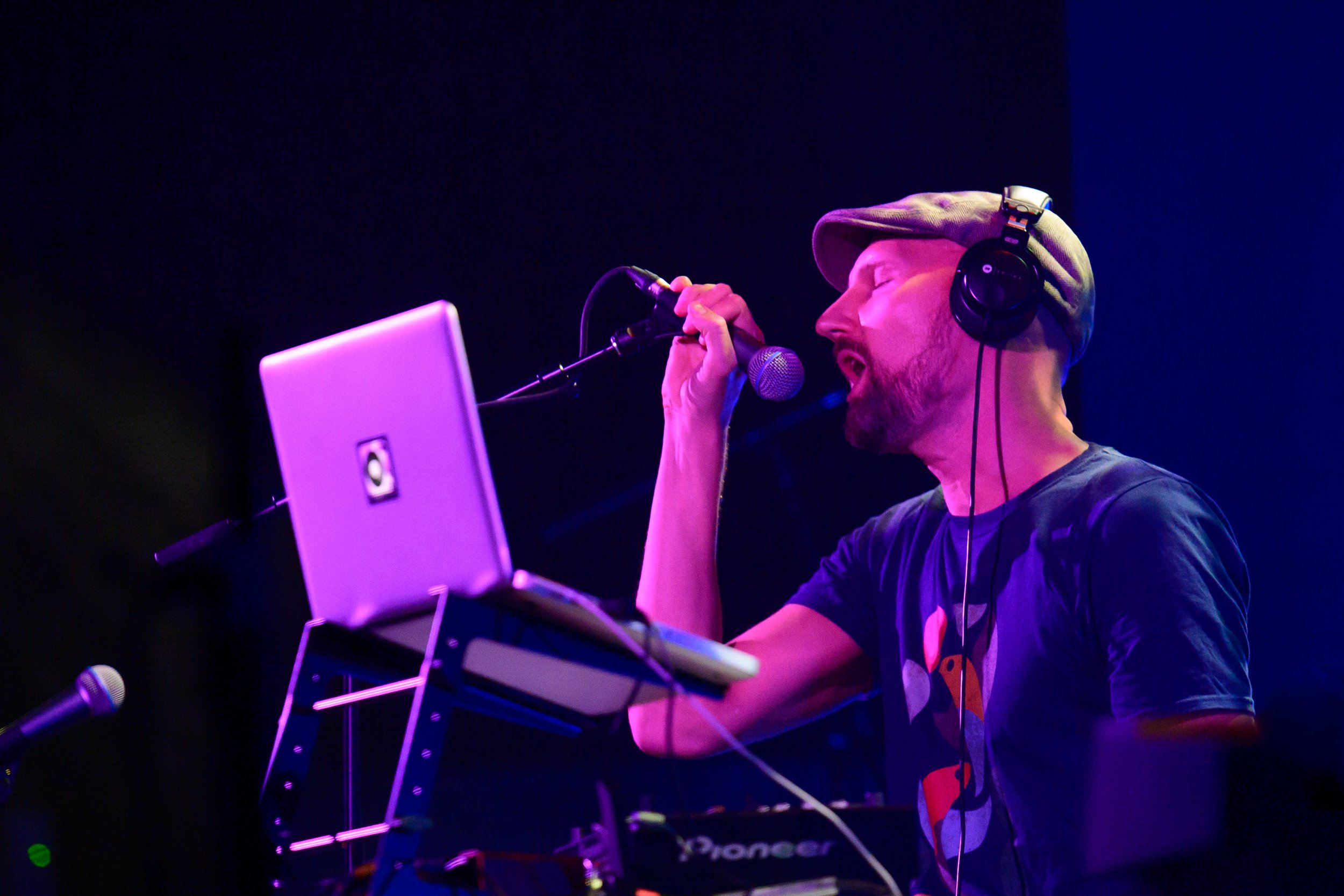
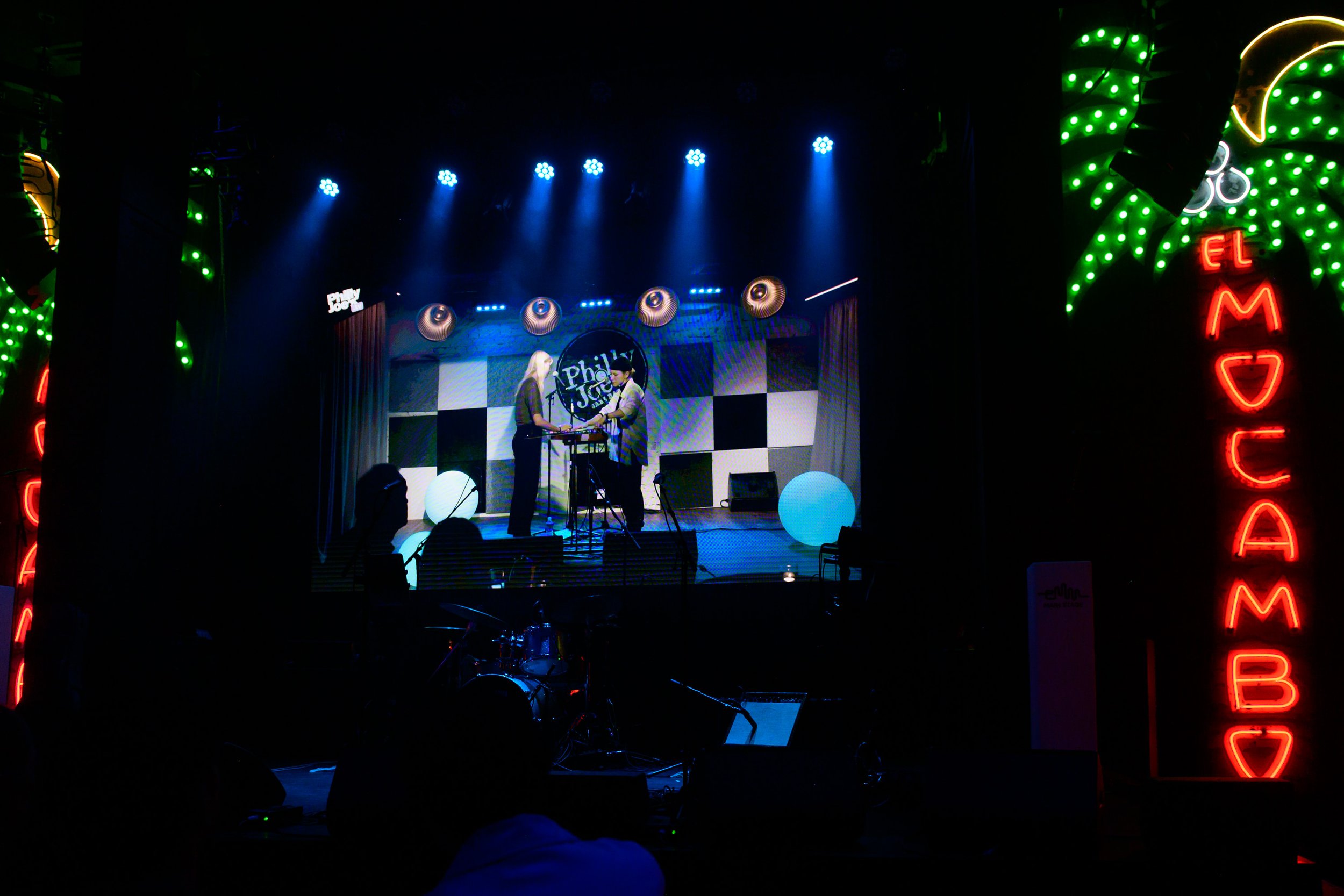
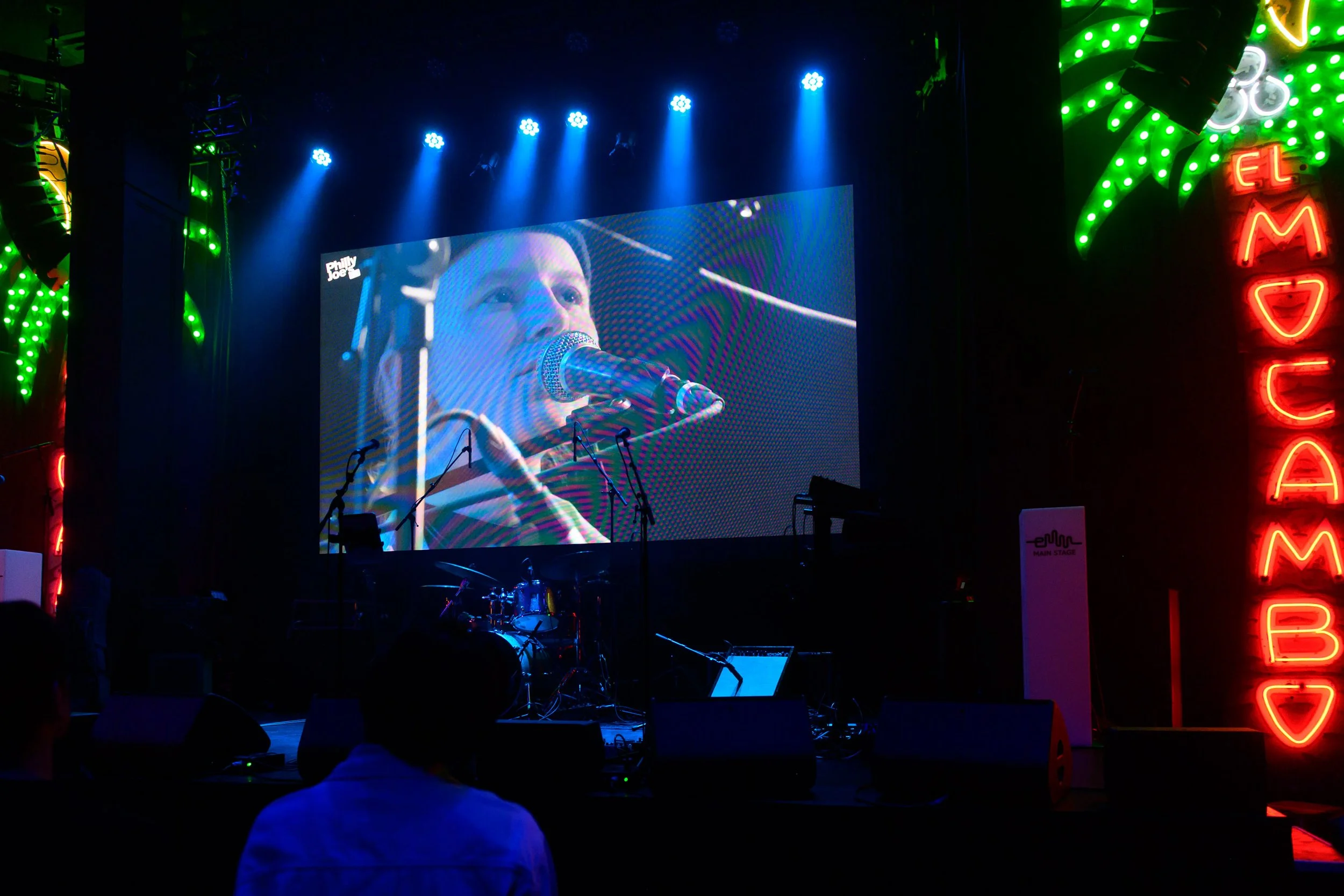
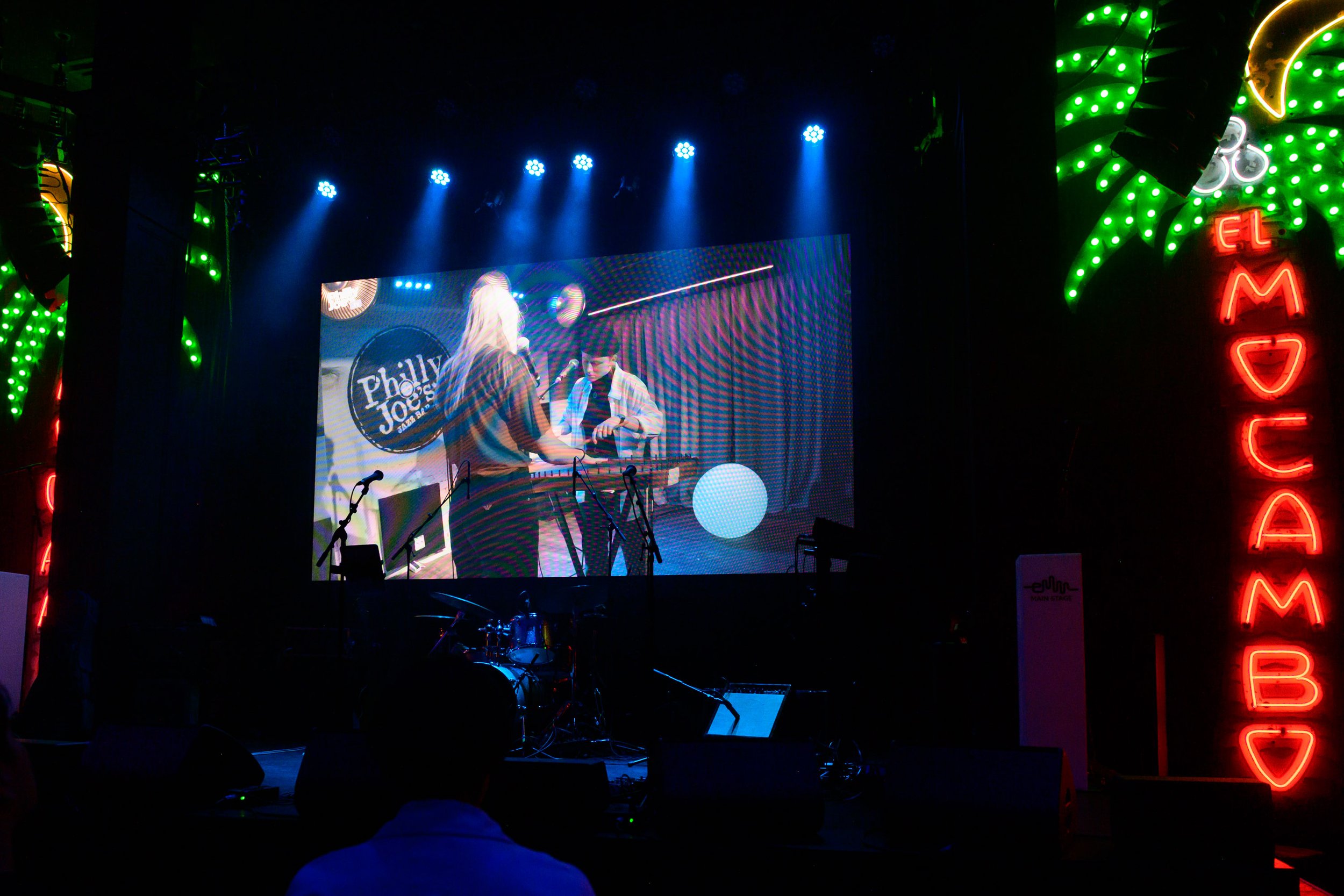
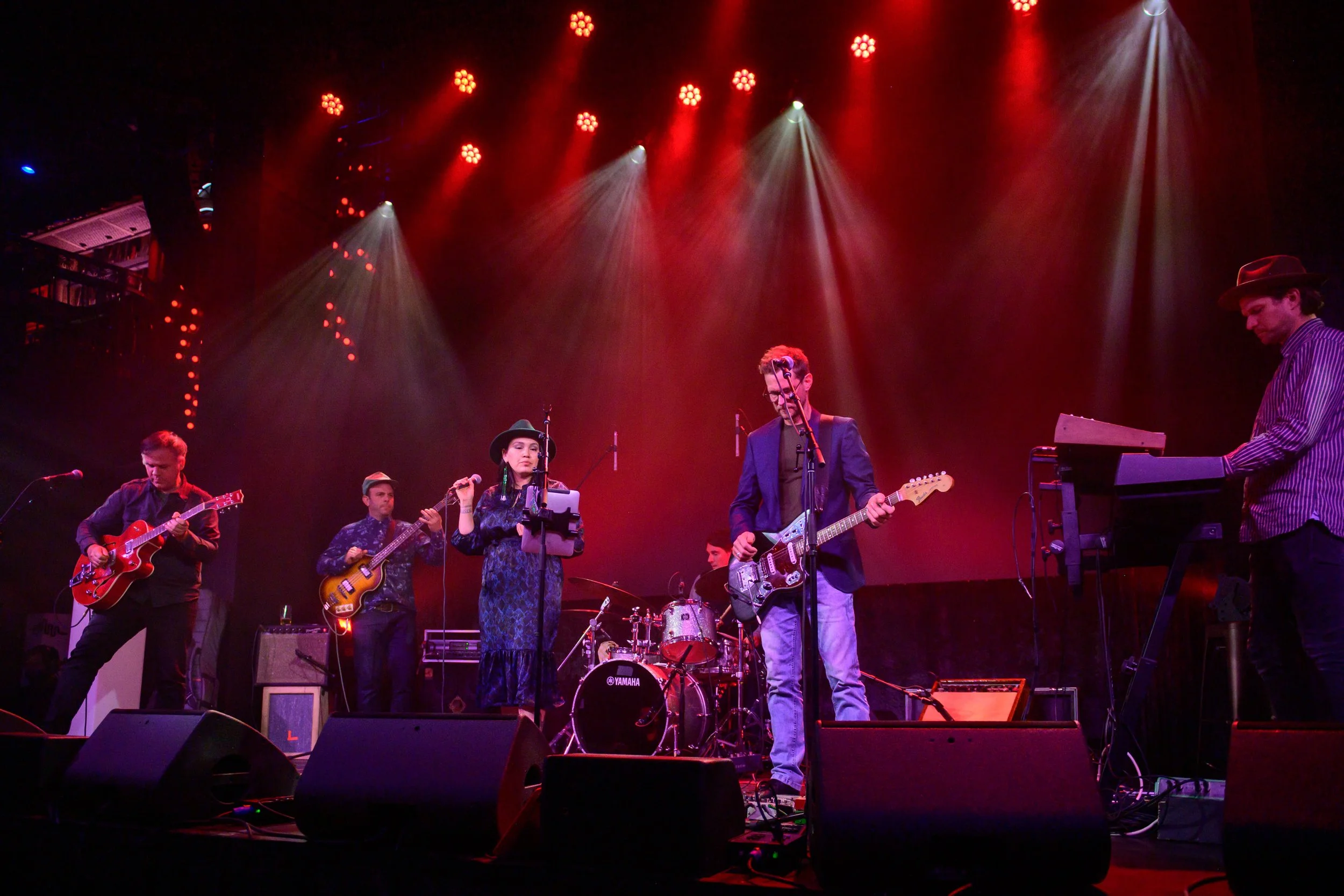
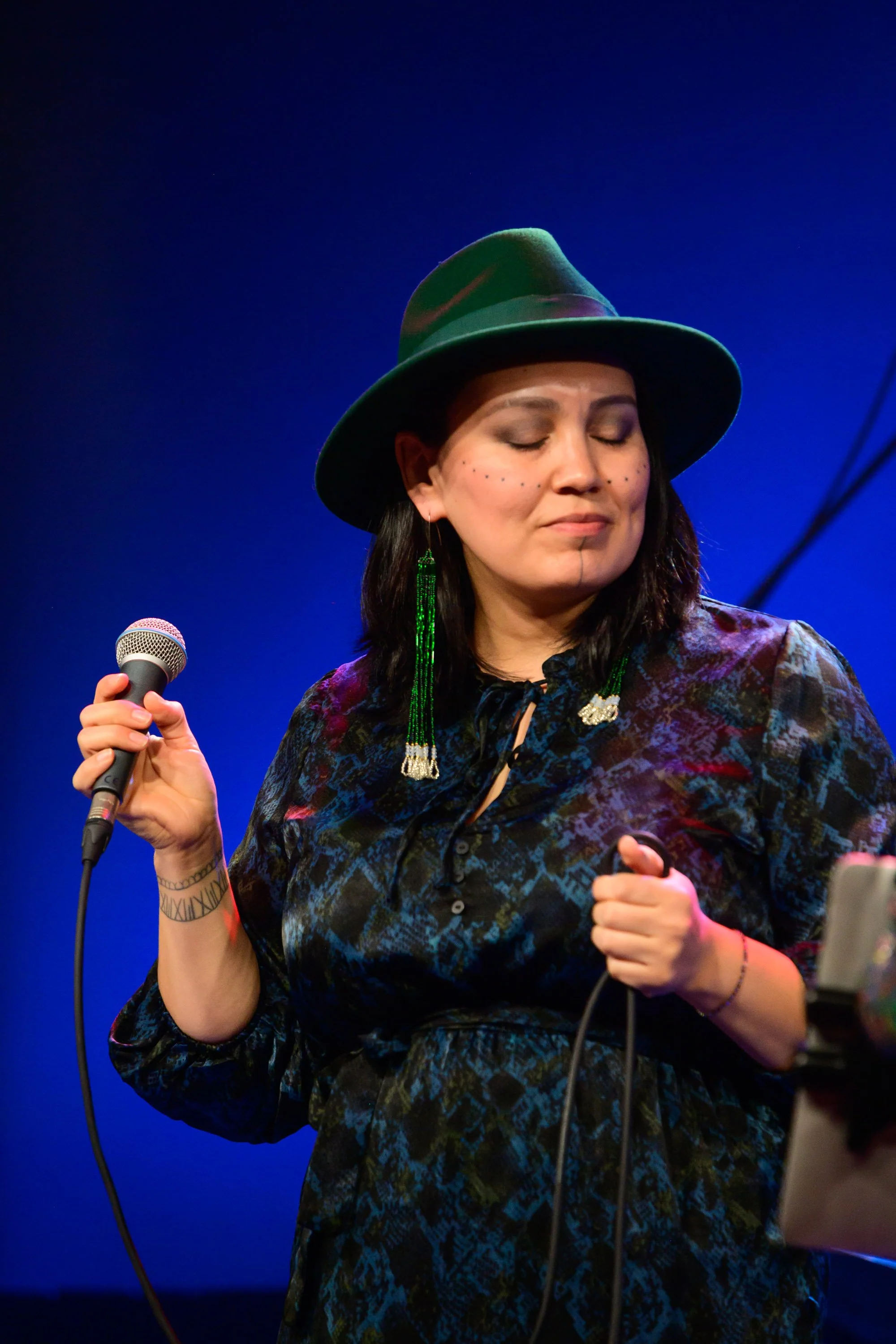
Night Two: Persevering Languages w. Beatrice Deer Band, Duo Ruut, Erik Laar and Väike Hellero & Friends | El Mocambo, Toronto, live-streams from Philly Joe’s, Tallinn
Photos by Henry Chan and Peeter Põldre










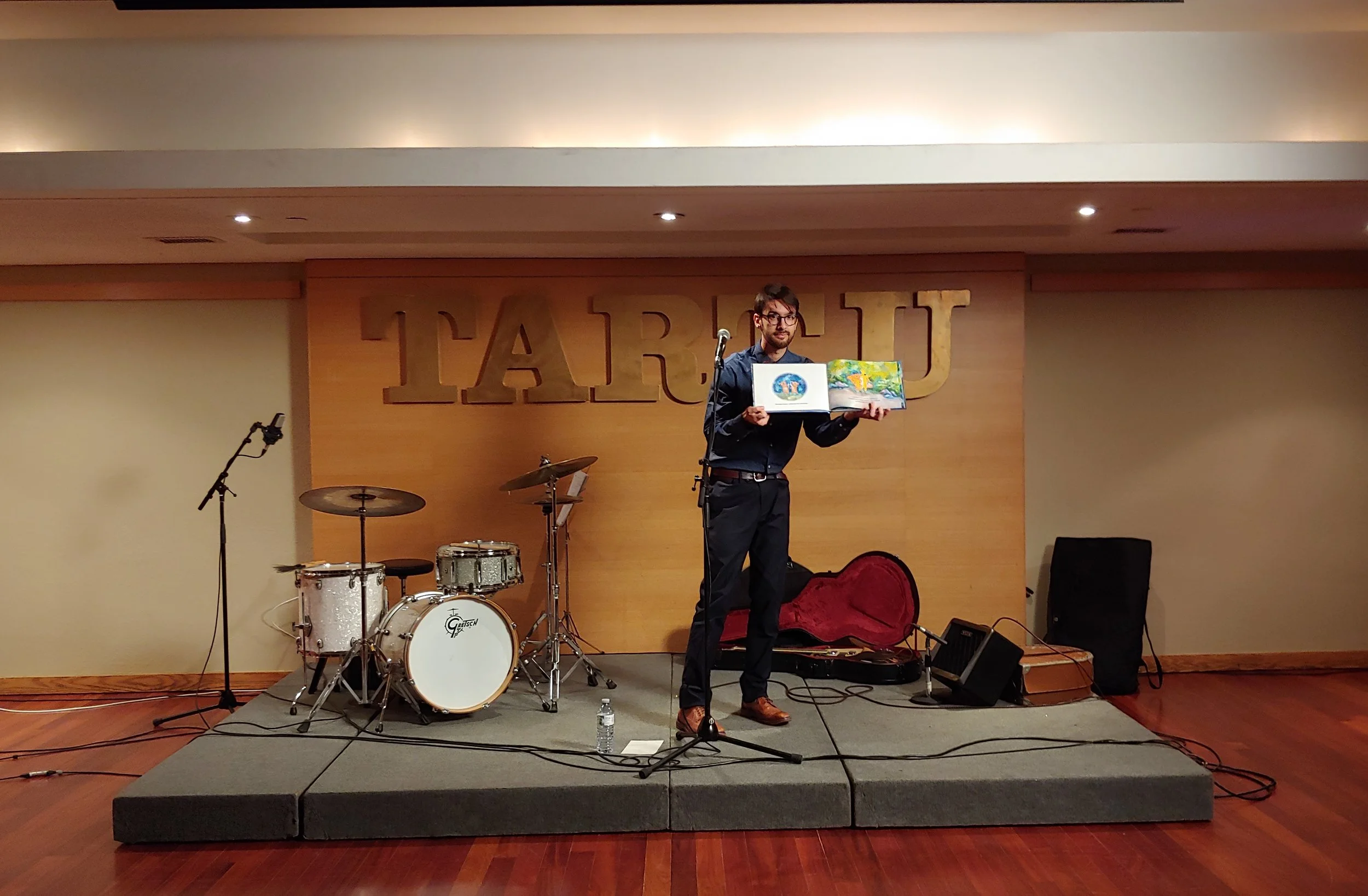
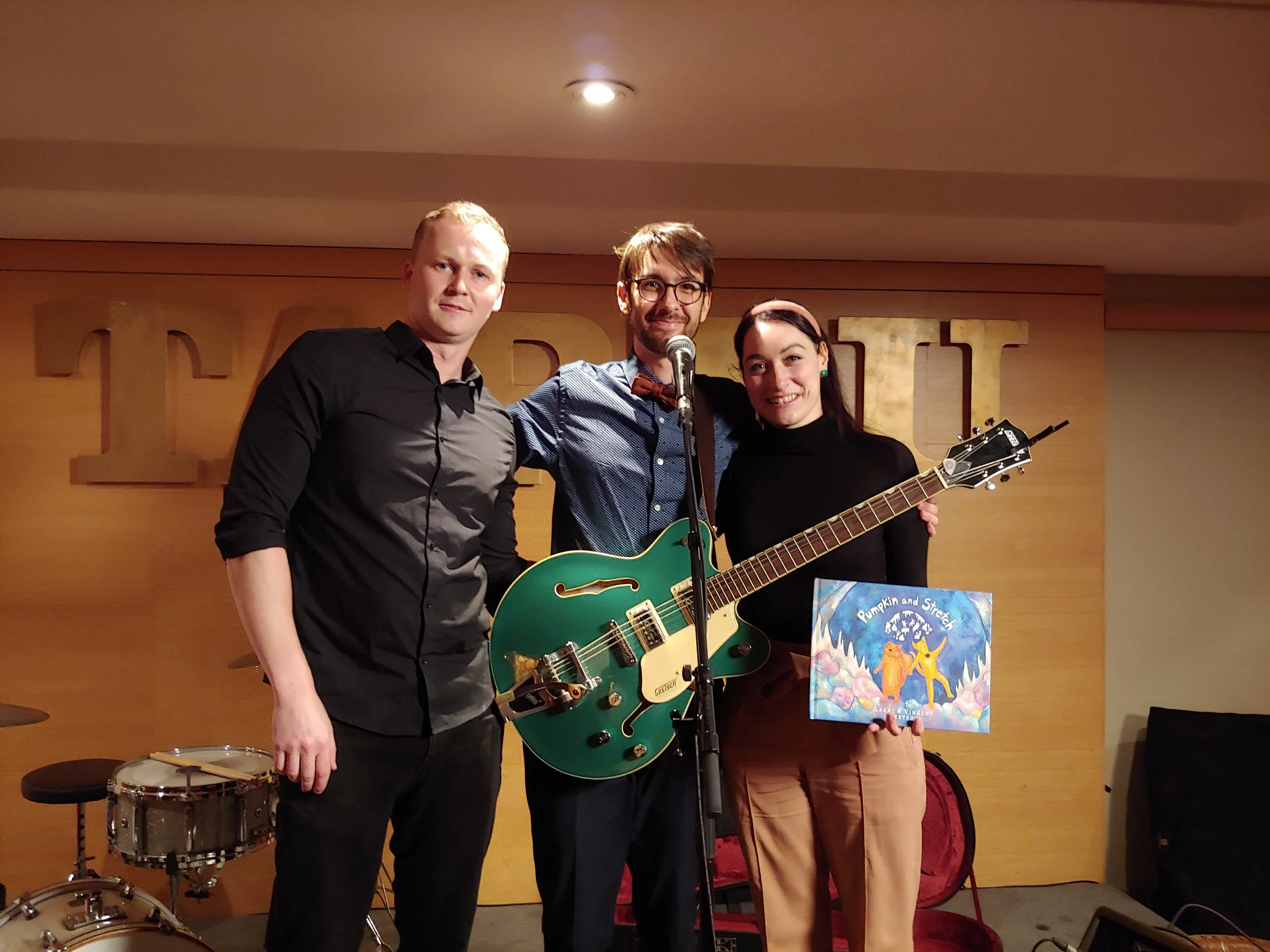
Storytelling & Kid’s Concert w. Vincent Teetsov and Stefan Loebus
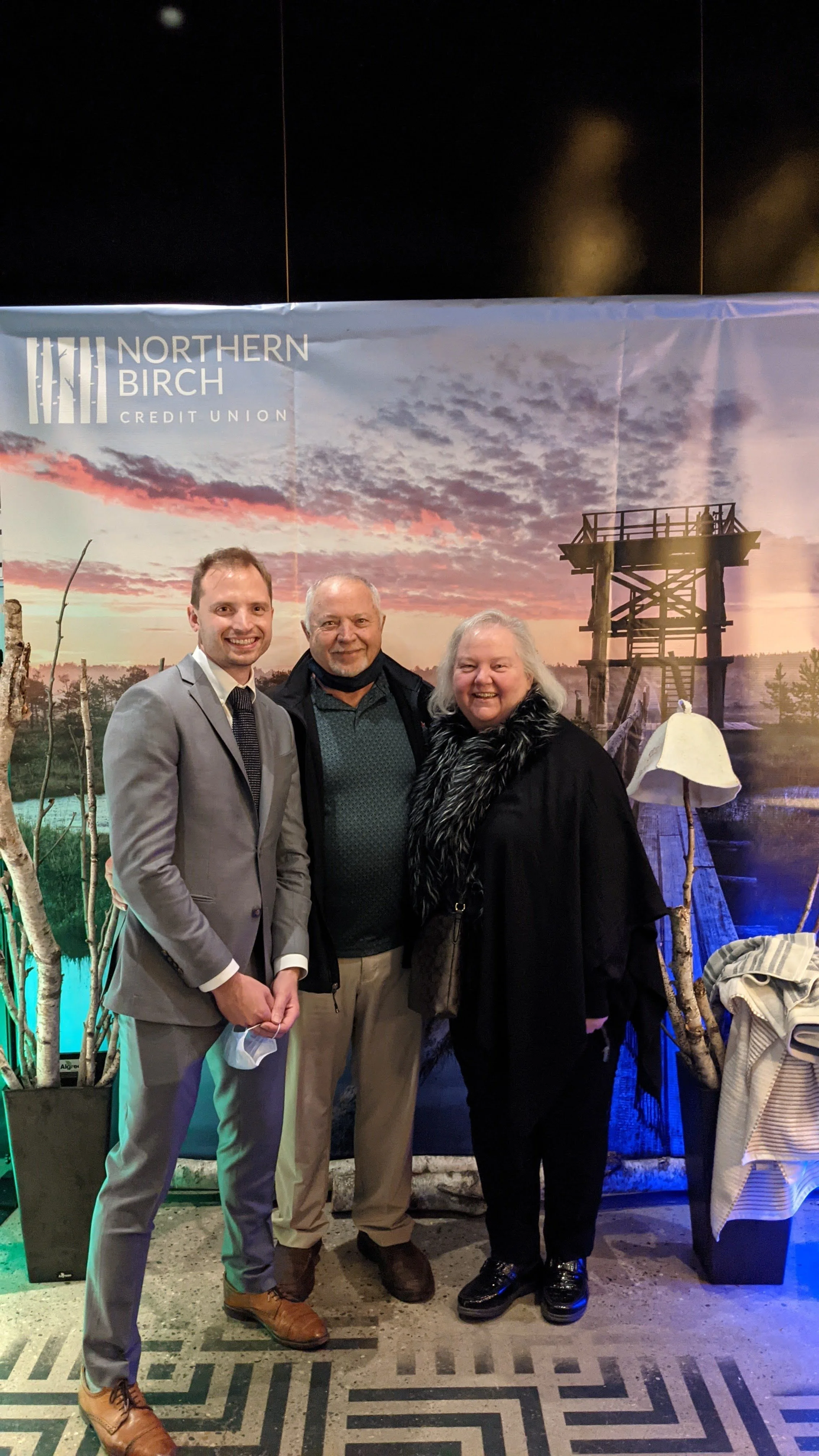
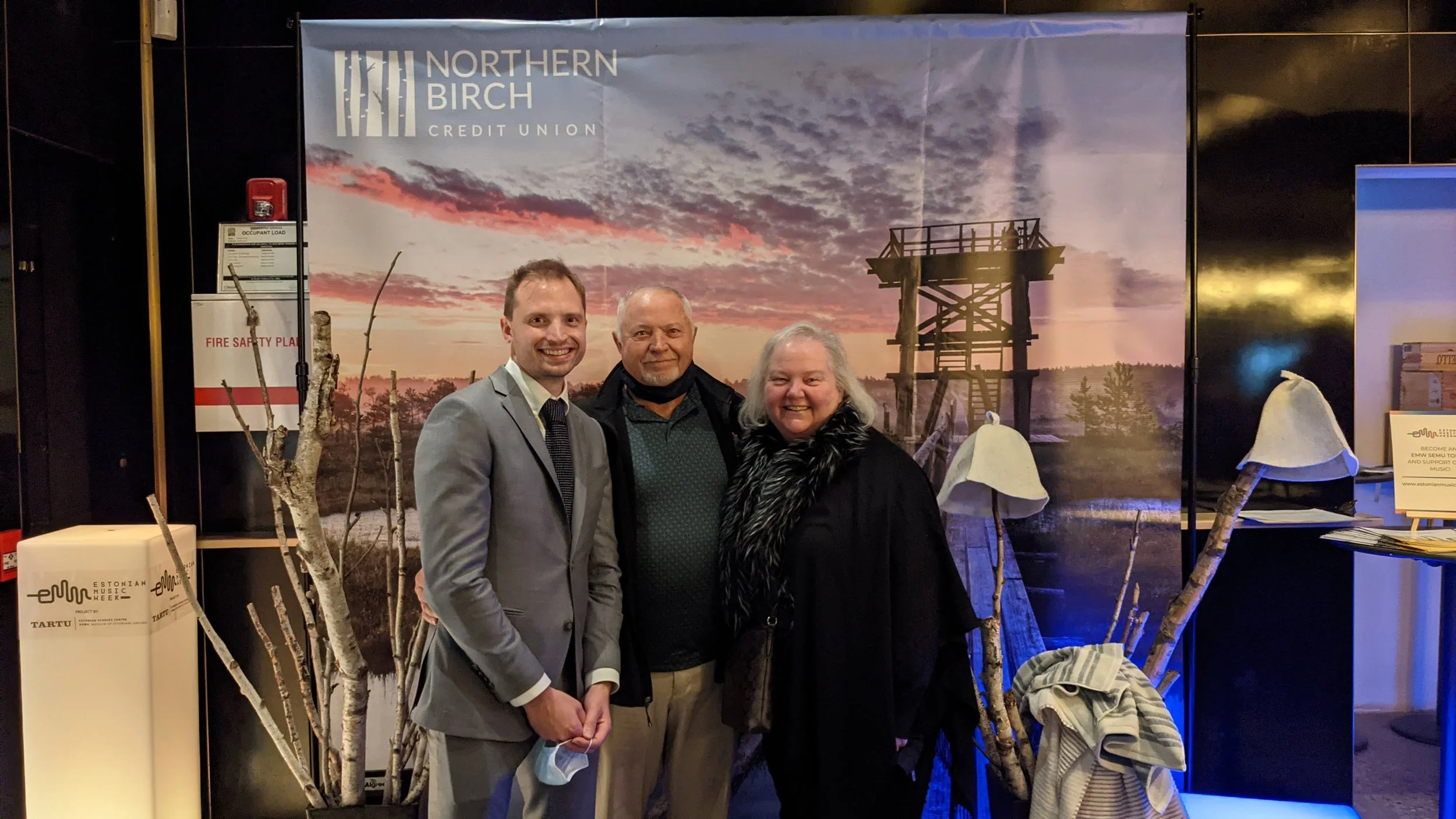
EMW x Northern Birch Credit Union



Soulful thoughts with Rita Ray
For all that completely new genres of music have to offer, there's also a need for musicians to carry forward traditions, and to say something new in a tried-and-true format.
Rita Ray (born Kristi Raias) is Estonia's answer to that. While, for example, the music video for her song “Love Ain't the Same” has a film camera aesthetic, a retro American car, and a twangy country style guitar riff, her rich voice and the band's swaying rhythms address listener's lives today without limitations.
In anticipation of her Estonian Music Week concert on October 22nd, she's shared a little bit about herself and the four-piece band, so we can get to know them.
Most people wouldn't associate Estonia with soul music. What is it that you love about this genre?
I think the reason I fell in love with this genre is because soul music is so expressive and full of emotion. The style of singing takes the listener on a trip. It makes them feel things and reminisce. Every word has meaning and every emotion is connected to the way the voice moves. It's the same way for me, when I'm singing this music.
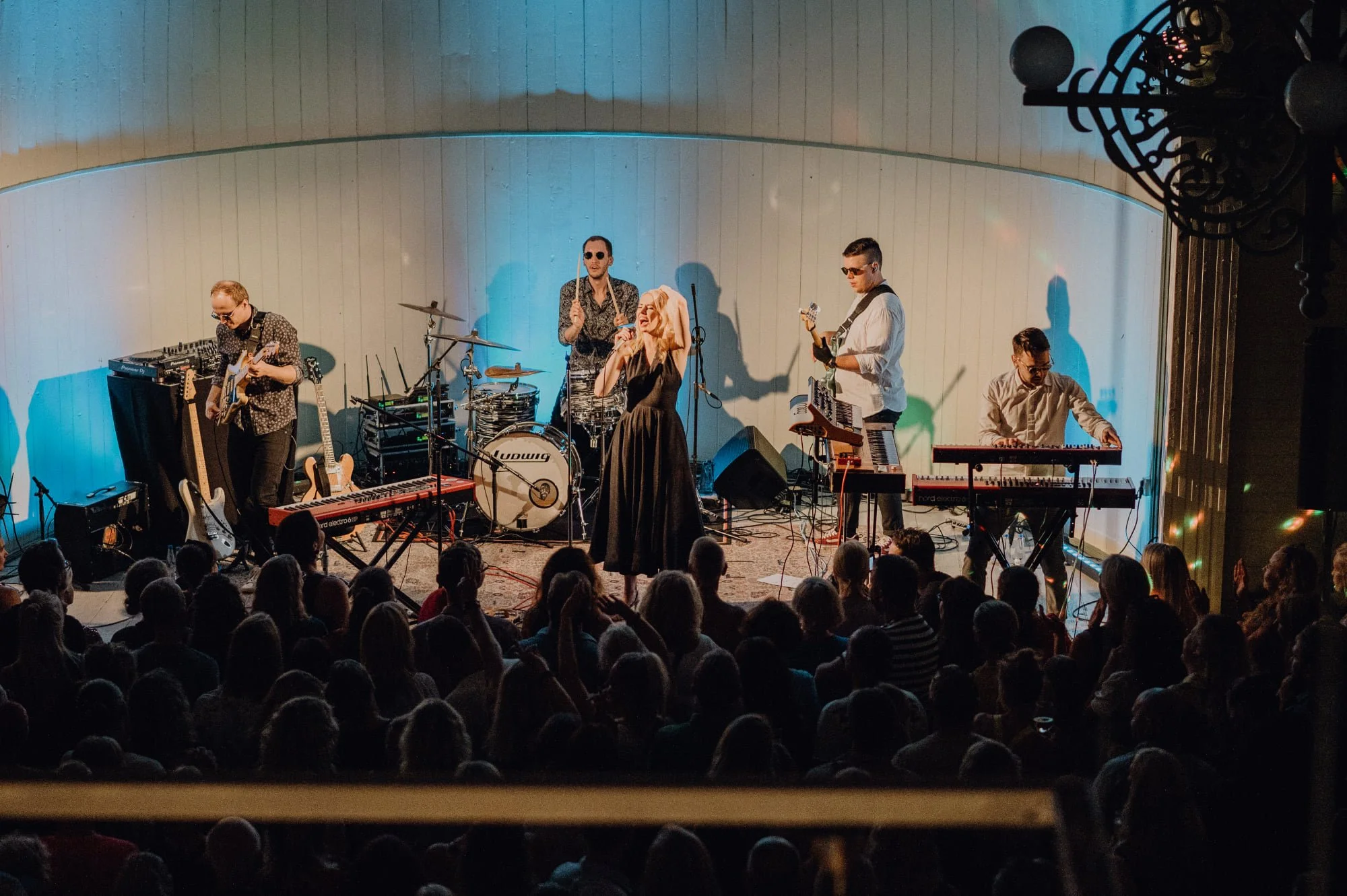
Photo: Markus Sein
What's the story behind forming the band and starting to record albums together?
I've known Jasper Alamaa—the band's bass player—the longest. We were in the same year when were at Georg Ots Tallinn Music College. He was studying bass and I was studying singing. We got along really well from the first moment. So there was no question about asking him to record and perform the music I had written.
While I was studying there, I was attending a lot of jam nights at Philly Joe's Jazz Club in Tallinn. A very frequent visitor was guitarist Kristen Kütner. We became friends and I asked him to do an Etta James tribute concert with me. I had asked a drummer to play for that concert, but he backed out at the last minute. So Kristen recommended Ott Adamson, whom he had known and played with for ages.
Lastly, I went to study jazz singing at the Estonian Academy of Music and Theatre along with Jasper and Kristen. There, we met Latvian pianist Artis Boriss, who clicked with us right away. After that, I knew that, together, we had a band. We started recording and performing locally, and that's where everything began.
How would you describe the process of arranging, of adding strings and horns onto the core of your songs?
I think a lot of listeners don't know about my fascination with arranging. To be honest, arranging for my own music is the most satisfying thing to do. The process itself starts with me gathering ideas and writing out melodic lines. Then I try out the voicings and start writing down the material.
Thanks to the miracle of computers and notation programs, I can listen to the stuff I have written. Then I just correct and write what's left to write. The process can take weeks, or even months, but I have to feel that an arrangement is perfect for a particular song to be happy and proud in the end.
One of your songs is titled “Disco Stu.” Aside from the clear stylistic disco connection, is this meant to be a reference to the character from The Simpsons? On that note, in what ways do you put together inspiration, stimuli, or even humorous aspects of your life into songs?
I wrote “Disco Stu”, while I was in Põlva, my hometown. There weren't any recurring words to consider as a title. I just asked my sister what the title of the song should be, or what kind of feeling it has. Right away, she said “Disco Stu”, so I went with that. Although, she was watching a lot of episodes of The Simpsons at that time, so I think that was the reason.
“In my songs, even the really sad ones, I want to be optimistic and funny through the lyrics. I haven’t succeeded every time, but I guess making those hard experiences sound a bit less harsh is a way of coping with them.”
You and Vaiko Eplik recorded “Talk About it” / “See pole nii” together. It has a classic mid-century feel with the female-male vocal duet and steady drums. What was your favourite part about working together?
He's a legend and an inspiration, so I was so happy when he asked me to sing on a song with him. We definitely both have an appreciation for that type of music, but my favourite part was to see how we worked together in the studio. I learned a lot from that experience and I hope that our paths will come together again at some point in the future.
What's one piece of music that suits every moment and feeling?
I don't think there's a piece which suits me at every moment. Although, I would say “Here Comes The Sun” by The Beatles makes me happy if I'm sad and makes me even happier if I'm happy.
*****
Catch Rita Ray's live-streamed performance in-person at the Paradise Theatre (buy your tickets at here). You can also watch the show for free on Estonian Music Week's Facebook page or YouTube channel.
This interview has been edited and condensed.
Written by Vincent Teetsov, Toronto
Originally published in Estonian Life.
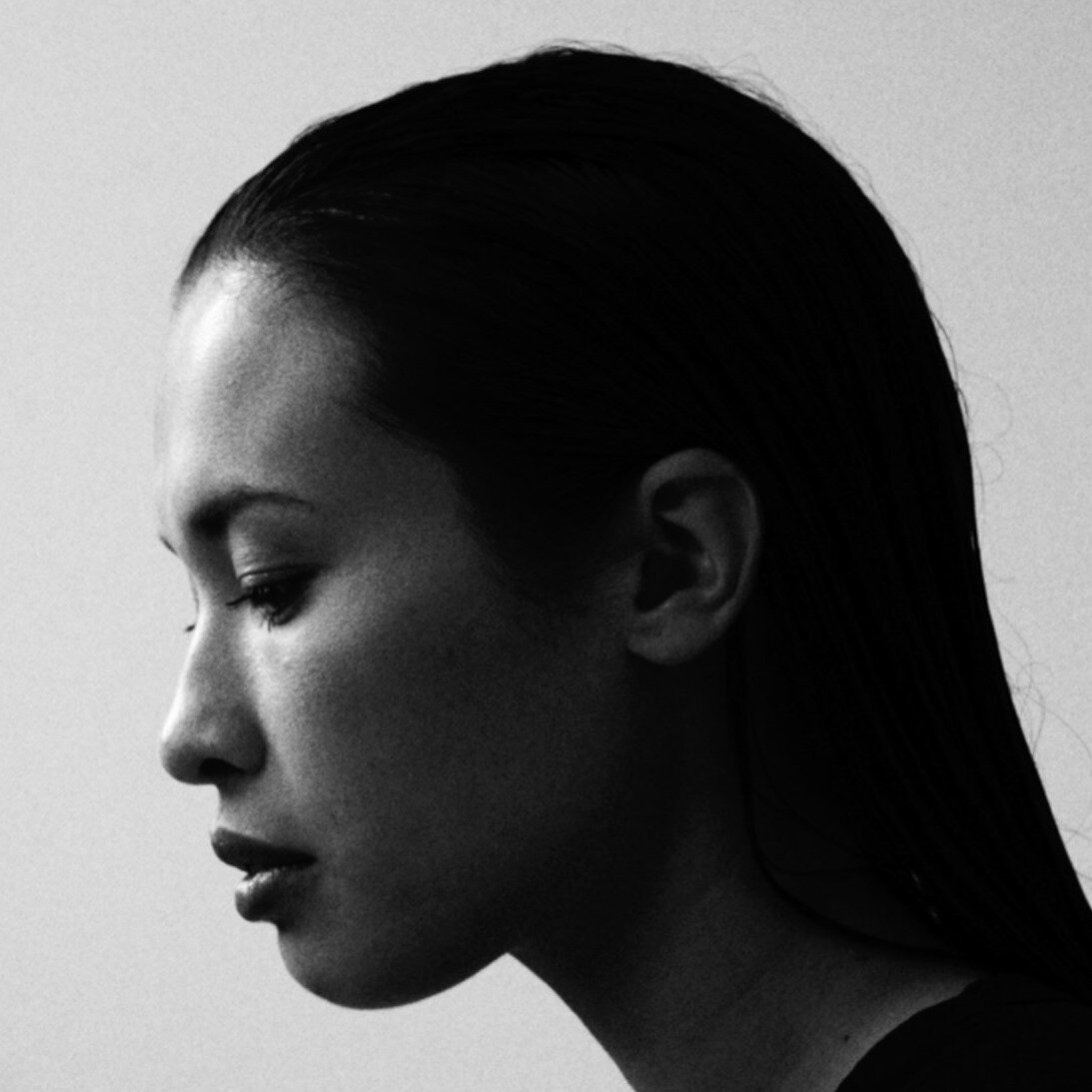
Alternative/RnB singer-songwriter Estyr depicts “in-between” spaces in her upcoming Estonian Music Week concert
If you haven’t yet bought your tickets or bookmarked Estonian Music Week’s YouTube channel or Facebook page for the concerts on Friday October 22nd and Saturday October 23rd , then you’ll definitely want to do so now!
On Friday the 22nd —the first night of the festival—Estyr will be sharing the stage of Toronto’s Paradise Theatre ‘ with Kaili Kinnon, in addition to a live-streamed performance from Rita Ray in Tallinn, Estonia. You may know Estyr from the alt-pop band Tiger Balme, featuring a quintet of vibraphone, harp, drums, bass, and guitar. Alternatively, you may be familiar with her performances as a solo artist, for which she has headlined with Kaili Kinnon in the past. Across these projects and Toronto's music scene, she has presented poignant musical vignettes through her singing and acoustic guitar playing.
Before her concert, read more about the story behind the songs:
Photo: Serville Poblete
One of the themes you describe as being part of your music is the concept of liminality. You also mention Toronto’s suburbs. What in particular about this city and liminal spaces are you seeking to capture with your songwriting?
My mother lived in Finland for over 20 years, and my dad grew up in Singapore for the same length of time. As their daughter, I always felt the presence of what they left behind. It felt as if we were always “in-between” the past and the future. To me, the suburbs represent this in-between space as well: an area that many folks don’t have deep roots in; a place where they hope to build and experience a lasting sense of home.
Listening to your 2019 single “Human Alchemy”, it seems that you have long been a proponent for a measured building-up of dynamics in a song. In music, would you agree with a statement like ‘‘quiet is the new loud’’?
When I went to Finland and experienced Lutheran religious services, I felt how deeply my music is influenced by a Finnish sensibility of writing haunting melodies and honouring silence. Finns aren’t afraid of using silence to make a statement. Perhaps I would say “quiet is the old loud” haha.
At the same time, in songs like your recent single “High on a Feeling”, you contrast mid-tempo tranquility with a volatile final chorus. How does going against expectations play a role in your compositions?
For me, I arrange songs not to go against expectations but to be honest about the feeling I’m expressing. “High on a Feeling” is about love that floats into your life and creates a big chaotic disruption in the best way!
In the past, you’ve spoken eloquently about your Finnish, Singaporean, and Chinese background. You’ve performed in Finland and speak Finnish. Do you find connecting to your family heritage to be a vital part of your career as an artist?
It’s essential!
“As a multiracial person, it has taken me a long time to collect the threads of my heritage. Through my art, I’m able to knit these threads together and discover a way forward.”

Photo: David Tadros
What was the best part of playing shows in Finland?
Experiencing a Finnish crowd was so interesting! Whenever I make art, I’m aware of a Finland of the past: the Finland which raised my mom. It felt refreshing to give a Finnish audience the songs I had been writing, and it felt like a way to connect the present to the past.
You previously performed with fellow Estonian Music Week artist Kaili Kinnon at the Drake Underground in early 2020. Have you known each other for a long time?
I met the one-in-a-million Kaili Kinnon in a gospel choir class at York University. We’ve been friends since as we share a deep love for songwriting and of course, European heritage.
What are you most excited about in the lead-up to performing your songs at night one of Estonian Music Week on October 22nd?
The pandemic has changed me as an artist and I’m excited and proud to share what I’ve been working on with this community.
***
Written by Vincent Teetsov
This interview has been edited and condensed.
Originally published in Estonian Life.
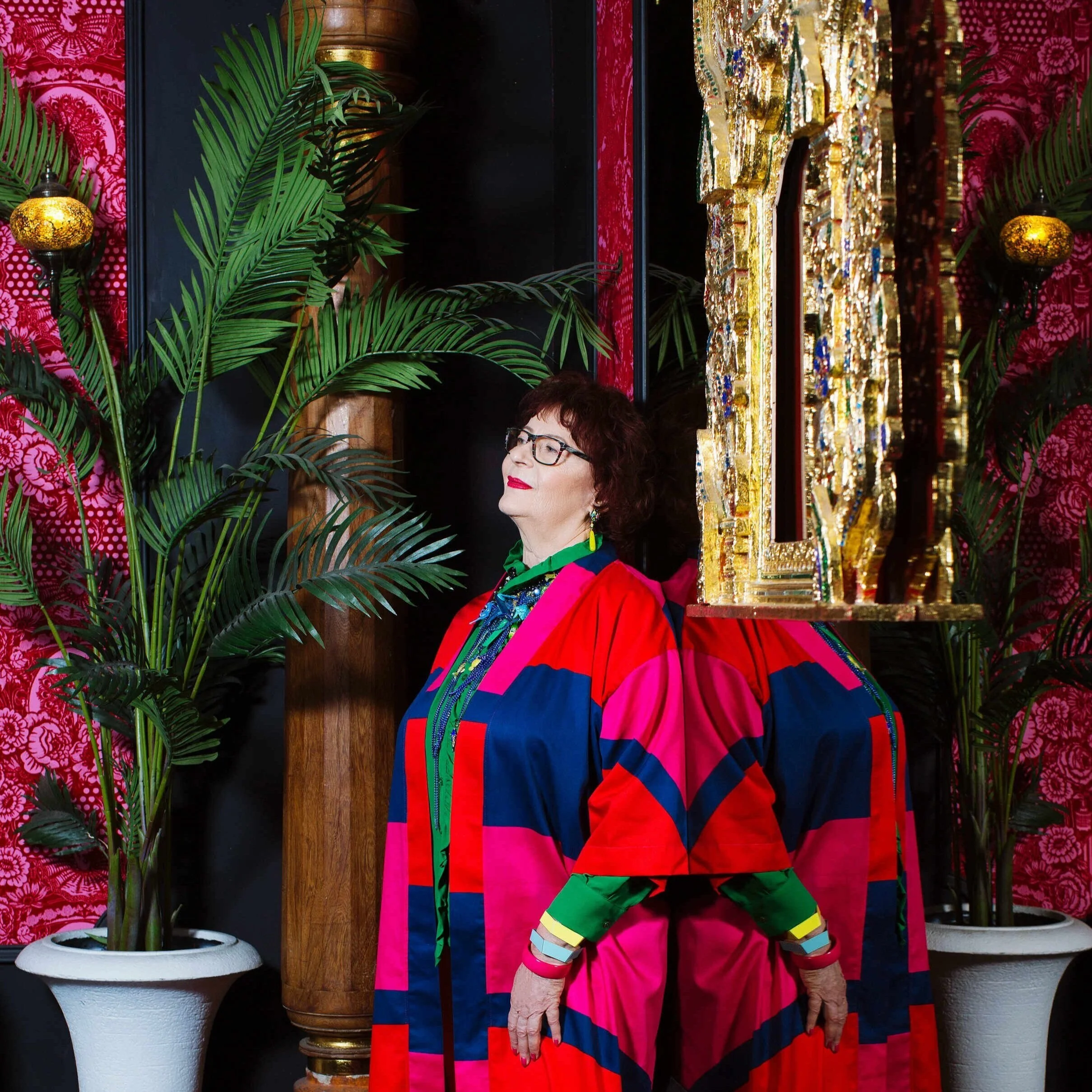
Meet the Mother of Jazz in Estonia: Anne Erm
Anne Erm, the mother of all things jazz in Estonia started, and has run, the number one jazz festival in the country 21 years and is connected with the whose-who of the jazz world.
For a small(ish) music festival like us to be given the opportunity to chat with Anne Erm, the mother of all things jazz in Estonia, sounded both daunting and exciting. This is after all the woman who started, and has run, the number one jazz festival in the country 21 years and is connected with the whose-who of the jazz world.
To get to our meeting we journeyed across Tallinn’s old town - by foot, of course, inspired by Anne who walks everywhere - as the tourists slowly filed into it’s colourful streets. We walked through Freedom Square and past the Palace Hotel where we chatted with Lucy Woodward the day before. We climbed the stairs of a nondescript low-rise building and knocked on the door. Anne soon opened and welcomed us in. We soon realized that the Mother of Jazz moniker also referred to her nurturing and patient demeanor that no doubt shaped jazz in Estonia. The offices of Jazzkaar are filled with beautiful posters from festivals past, thousands of jazz CDs and books, and not one, but two pianos. This is the office of music lovers. As we began to chat, Anne brought out a few past programs and then eventually the whole stack. Leafing through, the names of jazz heavies leapt off the page.
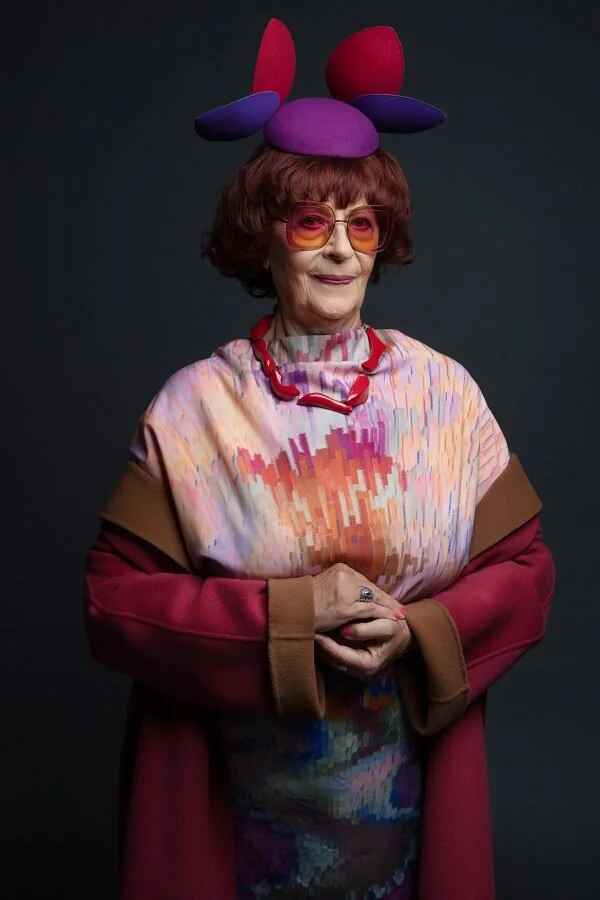
Photo by: Riina Varol
Estonian Music Week (EMW): Jazz for many is hard to get into… What was that moment or experience you knew you were a fan?
Anne Erm (AE): “Music has played a big role in my life and been important to me right from the beginning. I went to Pärnu Children’s Music School and learned piano because my brother was already there ahead of me. He played piano superbly, my dad played piano and violin as well and my mom sang.” Anne focused on music theory in music school. During breaks in school, improvisation took place in secret since jazz was prohibited at the time. “My love for jazz deepened when I went to study composition at the conservatory. I was asked to join a musical group called Collage…we [did] traditional folk song arrangements that were 30 years ahead of their time, this was from ’66 to ’75. Raivo Tammik was a classmate of mine who went to live in Germany, he was able to perform abroad and came here with an ensemble called “Estonia”… he brought along jazz records from abroad so we could listen to them.” As soon as Anne finished her studies at the conservatory, she started work in radio. This opened up many doors for her, including being able to travel to jazz festivals in the USSR and broaden her love for the genre.
“I’ve had a jazz show on the radio for a many years as well but before that I had a show for 20 years or so called “New Records,” I featured any music that was available in the Soviet Union. I had a really good overview; I had Russian jazz, from other socialist countries, and even some American jazz as well… a lot! [Laughs] If I needed information on something, I would talk to Valter Ojakäär, our “father of jazz.”
Anne was involved with her group Collage in the first Estonian jazz festival in 1967 which put Tallinn on the map as the “jazz city.” Her love for jazz grew over the years and the need to revive the original ’67 festival became imminent in 1990 but financial, political, and promotional issues had to be overcome first through her own and volunteers’ savvy and skills. Despite all of these obstacles, the first Jazzkaar had an overwhelmingly good turnout. Anne came up with the name for the festival by how Estonians pronounced the word “jazz” as “yah-ts.” “The love of jazz grew even more when Jazzkaar came to be [in 1991], during the time of Collage we would sing along with the jazz records we had as well… over time I’ve grown [increasingly] interested in the genre.”
“If [music] has charisma and passion then it doesn’t matter whether the music is complex or not; you’re just taken along on its journey and it makes its way into your heart, that’s when you start to truly love music, in my case, jazz.”
EMW: When Estonia regained its independence and with the “opening of the iron gates,” what are some changes you noticed in the music industry?
AE: “In the music world in general, the biggest change was that our musicians couldn’t really travel to Russia anymore, they were largely out of work and very good musicians at the time were forced to play in bars for a menial fee to make a living. Some of our [Estonia’s] jazz musicians like Tiit Paulus, Tõnu Naissoo and Lembit Saarsalu were still at the top of the charts in Russia when Estonia regained independence… At the time, there was no Estonian Jazz Society nor the availability to study jazz on an academic level, no jazz clubs.”
“In terms of Jazzkaar and changes, things really started improving in 1994, the headliners filled the seats. 1996 was the best year thus far, the New York Voices sang fantastically; they sold out the seats. The 1997 festival was the 30 year anniversary so we invited the musicians that had performed [at the first festival] to come back.” Anne had also explored the possibility of getting famed pianist Keith Jarrett, who was performing with Charles Lloyd, to be a solo performer. “After that, Jazzkaar really took off; we became members of the European Jazz Society at that time. When we moved into the 21st century, new rhythms, electronic and minimalist music emerged… The Estonian audience really took to that kind of music. Over the years, design also became and increasingly important aspect of the festival. In principle, we have very good performers and over the years we have added night concerts, children’s concerts, special events… Our strength is that we don’t only focus on performances, we also have hands – on workshops and lectures. Jazzkaar provides a place for performers to reach their true potential, …Kadri Voorand, Maria Faust, Erki Pärnoja… all of those well known Estonian musicians have grown from Jazzkaar. The younger musicians who are just starting off participate in our Cityspace project, that includes involvement in music schools, Ellerheina choir and others, the Viljandi Culture Academy…”
“Due to the pandemic last year’s festival had to take place in October on a smaller scale but some international artists could still come, from Spain and Norway for example.”
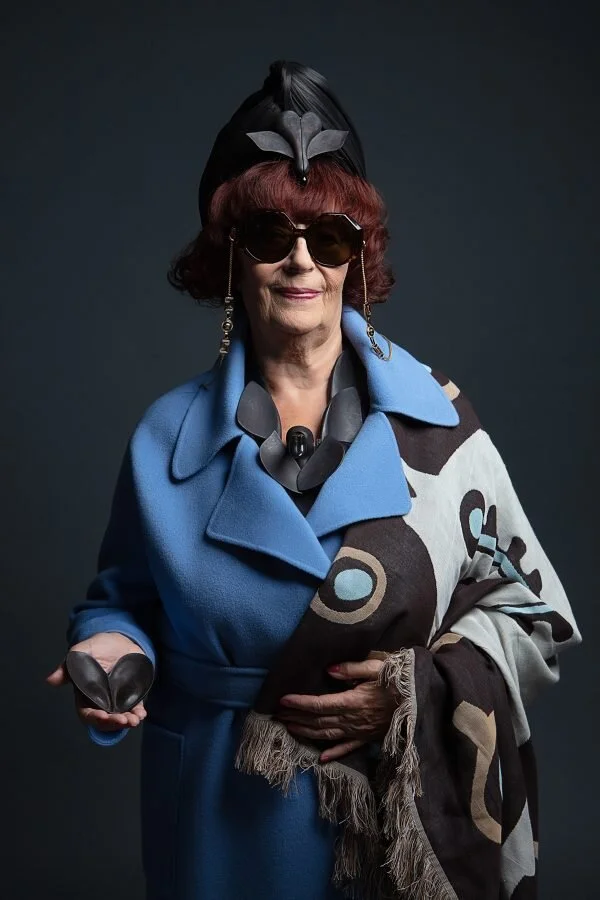
Photo by: Riina Varol
EMW: Artists often get conflicting advice: listen to the greats, be yourself, focus on the music, social media this and that… For artists finding their path, looking to stand out to programmers like yourself and maybe one day grace your stage: what is your advice? (What do you look for in an artist?)
AE: “In every country it’s hard to find performers who are individuals and can move so easily between genres. Some musicians have that certain something, that spark; others are just really good performers but lack that uniqueness; be unique and stand out. Every artist is responsible for expanding upon the basic knowledge and skills that they have learned and are born with; figuring out who they are as an individual. Some performers are just dull, they’re fantastic technically speaking and everything sounds right, but it doesn’t touch you. Every writer, composer or musician has to find their own way; it doesn’t have to be a highway, it could be a very interesting path through the woods or even a ladder that reaches towards the sky. I also give advice to artists in general, that they should write their own music, find their own niche and path through the music scene. Sometimes I’ll just approach an artist and ask something along the lines of “when will the album be ready?” [Laughs] Anne is proud of how she convinced renowned performers Maria Faust and Reigo Ahven to pursue writing their own music and releasing it.
And just like that our hour with Anne was up. She sent us home with her latest compilation albums, Estonian apples and plums, and full dose of inspiration. Anne has her sights set on the next festivals we can’t wait to the artists she has in store for us!
Written by Kati Kiilaspea, Sebastian Buccioni and Elis Jaansoo

EMW at Jazzkaar Festival Part Three: the Understated Fusion of ELLIP
Jazzkaar Festival is over now, and as you'd want from any good music festival, it has left attendees with an engaged musical brain on multiple levels. There was a session of morning yoga soundtracked by double bass player Mingo Rajandi. Performers and composers discussed the fate of big band jazz. Singer Stig Rästa, of Eurovision fame, sang his hits alongside a song to get kids excited about brushing their teeth. And, as shown in the last two parts of this series, bands from across Europe and the US got to the core of jazz.
The curation of a jazz festival's lineup is an interesting thing, isn't it? Jazz at Lincoln Center—a key cultural institution in New York City—describes jazz as “a metaphor for Democracy. Because jazz is improvisational, it celebrates personal freedom and encourages individual expression.”
While not every artist was swinging on the ride cymbal, had saxophone or trumpet solos, or walked to the scale of an upright bass player, the artists who played spoke to the freedom and individual expression of the genre. Perhaps jazz has broadened itself through its own fundamental, democratic components.
I certainly find those ideas—along with unconventional rhythmic patterns and front and centre bass parts—in the music of ELLIP, a six-piece band that played at Fotografiska in Tallinn on Friday August 27th, as well as a solo terrace concert the following afternoon with lead singer and songwriter Pille-Riin Karro.

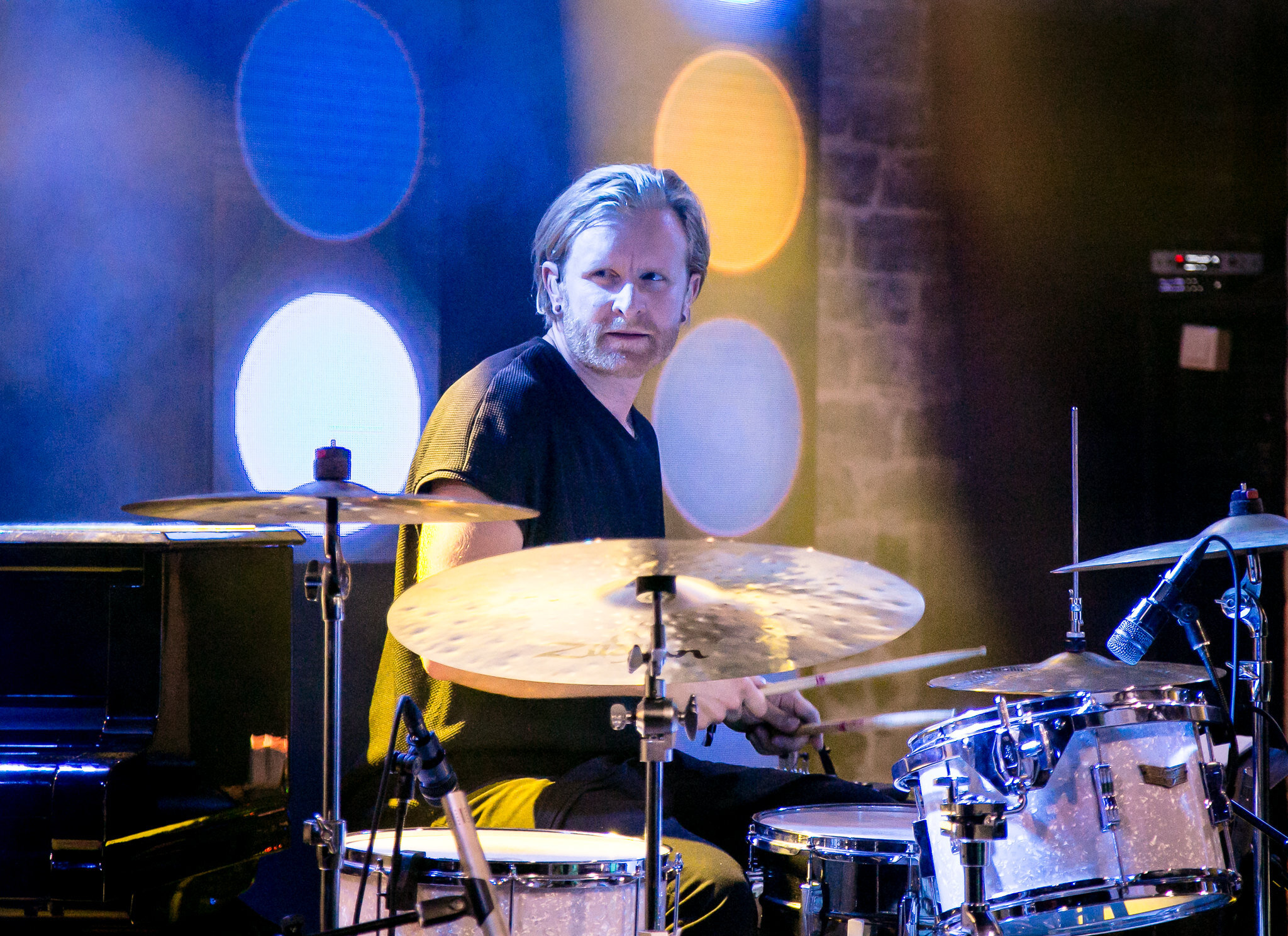
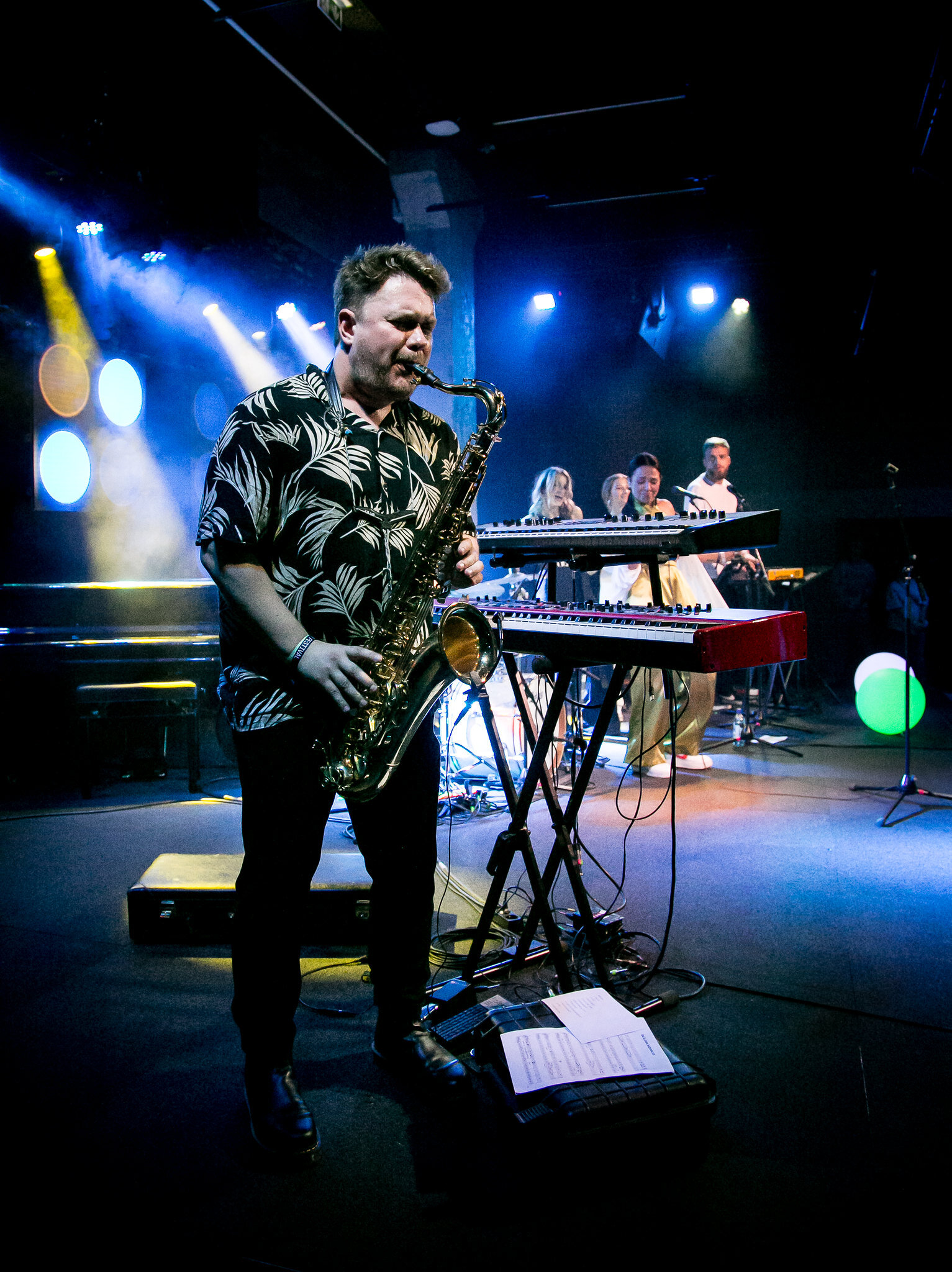

ELLIP Live at Jazzkaar 2021. Photos by Urmo Männi.
Take a listen to “Shivers” and “Fool”, from ELLIP's 2020 EP Four Words, and you'll come across stylish moments of glitches and skips in the drum beat. And then there's that earworm of a chorus in the latest single “Square One,” that moves like a swift left and right stomping dance routine. I'm apt to pry for a cause behind artistic techniques like this, to find a correlation.
However, Karro says, “I don't overthink it too much. When I hear a beat it is mostly clear in a couple of minutes if it speaks to me or not. And I just follow what the beat does and what is naturally in me. Or with 'Square One', I just had that main melody in my head and started building around it.”
This propensity for easygoing music-making fits with her feature on jonas.f.k's disco inflected track “LondonParisChicago.” Then there's Mikk Siemer (AKA Nzea), with whom she worked on Four Words.
Having met through a friend (and sharing the same star sign, which she insists is very important), Karro recounts how she and Siemer “went to the countryside with a hope to just feel good in music and maybe create something, and before we knew it, in nine days we had around 10 songs that were for us something magical.” She talks about the magic that ensues when someone loosens up with a collaborator and doesn't exclusively push their own creative agenda. This experience gave her confidence to take the lead on production for “Square One” and beyond.
Nevertheless, there were more individual evolutions that had to take place early on. Several years ago, Karro took part in an exchange program at Edge Hill University in England, which she has talked about as a prompt for pursuing music. As an artist, she says, “Having like-minded people around me—the community, the growing together, the musical conversations, the concert visits and talks afterwards, the collaborations and so on and so forth—I wouldn't be here without it.” Even in moments of off-time.
One night, when a local jazz quartet was playing on campus, the quartet asked if anyone wanted to come up and sing a song with them. Shaking with nerves, but encouraged by her friend, Karro came up to sing “Fly Me to the Moon.” It was an experience of “self transcendence” as she puts it.
Working as a Raadio 2 DJ (in addition to being a performing musician), her favourite music to spin is the “easy, fun and happy” music of rapper and singing drummer Anderson .Paak, especially his partnership with Bruno Mars, for the duo Silk Sonic. Being a DJ has re-ignited the act of listening to music, which doesn't get much attention when in creation mode.
Karro admits that English language music has shaped her more than Estonian language music, with the latter not being part of her listening as a child. Though she does enjoy old Estonian jazz, I can see how this connection to English language music might be representative of a broader desire in the Estonian music industry to share ideas outside of Estonia.
That said, Karro talks about how much Tallinn has to offer. The city's talent “keeps you on your toes, keeps you wanting to push further and discover more, of yourself and music as well.”
And here's the correlation I was looking for. To her, Jazzkaar, Tallinn's jazz festival, is an event “where all of the musicians are true professionals, lovers of music...” To perform at this festival, having prepared her whole life in that capacity, she says, “I am just so honored to participate and the band and I will and have done all that we can for the people to have an experience to remember.”
In the music of ELLIP, listeners can find encouragement to embrace personal tastes. To not get in the way of ourselves. To not let genres or expectations become a stumbling block. Through jazz, we can open closed doors.'
Written by Vincent Teetsov
Originally published in Estonian Life.

EMW at Jazzkaar Festival Part Two: Interview with Jesse Markin
Prior to his performance on Thursday August 26th at the Vaba Lava theatre centre, Estonian Music Week caught up with Finnish singer and rapper Jesse Markin, for a round of questions at the venue's restaurant, KÄRBES Kitchen & Bar.
Markin was the winner of two Finnish Emma Awards in 2019 and a Teosto Prize in 2020. To date, he's released five albums, including three as a member of the duo The Megaphone State and two solo albums. Having just released his second solo album, Noir, an auditory spectacle with unexpected turns in each song, it's clear why he's become a respected name in Finnish music.
***
Coming from Finland, does Estonia feel comfy and familiar, or is it something totally different?
It feels comfortable because the languages sound pretty much the same. There are some words that are very close to each other. They sound similar but mean different things. Culturally, we're not too far from each other. Plus, I've been here before for this music thing I've got going on, because we're basically like neighbours around here. I live in Helsinki and it takes an hour and 30 minutes by boat. You can just hop on it and be in Tallinn, have a nice weekend, and go back.
How would you describe the Finnish hip hop scene on a global level? What's something that it alone can offer the genre?
On a global level I'd say it's non-existent because, even if we're looking at the language alone, there are only two, maybe three, artists that make hip hop in English, me included. So, on a global level, the impact is not that great at this point. But I'm trying to change that.
Do you feel like a pioneer then?
In a sense, yeah. But hey, we had Bomfunk MC's way back in... was it in the 90s? They had the “Freestyler” song that was all over Europe and stuff like that. But I'm not sure, did it reach Canada or did they reach anywhere else? But yeah, there ain't too many people rapping in English, or even singing in English in general. So, the pressure is on me!




Jesse Markin performing at Jazzkaar 2021. Photos: Liis Reiman, Siiri Padar
You've been performing live with a band that consists of guitar, drums/percussion, bass, keyboards. Is there a noticeable difference in the energy of shows with this, compared to performing with primarily electronic instruments, like with Simo Tuominen for The Megaphone State?
Well yeah, definitely, because even with Teppo [Mäkynen], my drum player, and Totte [Rautiainen], all these people, they're real professionals and they're like sound nerds, the same way I am. At the same time, Teppo's doing something on stage, and I look at him and he gives me that energy, or I give him something back, they change something, and then Totte helps with the bass and does something crazy. Something always happens and it's fun. When I was working with Simo, we had the beats. Everything is already made up. Basically, he could just press play. So that's the difference. You don't really get feedback back and forth or anything like that.
What has been your favourite part of translating the experimental production elements of your latest album into a live setup?
When we made the album, most of these players that I jump on stage with were already on the album, like Teppo plays the drums on the album. So it's more like you tweak stuff in the studio. But Totte himself, he's a sound engineer. He's making movie trailers, he's in movies, documentaries, and stuff like that. So he really knows a lot about sounds. They bring a lot to the table.
There's this human element, where you can hear that it's not playback. We try to create live sound. We have these personal audio rehearsals at this farm every once in a while, where we tweak the sound. We have our own tables and everything, so the sound is always going to come out the way we want it to come out. It's not supposed to sound exactly the same as on the record. You can recognize it, but you bring more power to it. The drums kick a bit differently and stuff like that. And obviously, Teppo has all these electronic percussion things.
So you're fine tuning for the acoustics of a live venue?
Exactly. And without these guys, I'm pretty sure the live sound wouldn't be what it is right now. Actually, me and Totte, we met at this theatre thing I was acting in, I was playing Stokely Carmichael in this Miriam Makeba theatre thing. He was the sound designer, so he really knows how to fill the space. He's a valuable asset in that sense.
In Noir, the tracks “Stars in Your Eyes” and “Pushing Daisies”, combine folk and aspects of electronic music. Do you decide how these genres combine before you start recording an album?
It's more spontaneous because I don't know how to read notes or anything. So I loop things and mess around with the keyboards. Even with “Pushing Daisies”, I only had [Nicolas “Leissi” Rehn's] guitar riff, and the whole song was built on the guitar riff.
That little drum jam session we had at the end just happened at the studio. Teppo started beating the drums. I was like, “Okay, keep going, keep going.” Even after that, me and Totte actually edited that thing, 'cause he was going real crazy with it. But, because I come from the sampling world, I wanted to give [for people who also like sampling] a simple drum break at the end that they can have fun with, too, and make their own songs. It's real spontaneous in that sense. You're trying to find the “it factor” of whatever you're trying to do; the main thing that pushes this song forward.
Even with “Pushing Daisies”, we have four different versions. You know, anything might happen. At some point, we had this little clapping thing before the last chorus. I was like, “that's too corny, let's take that out. We can do it live, but on the record, that's too corny.”
***
That spontaneity and continuous refinement made for a great live show and recordings to support it. You can find Jesse Markin's latest album on Spotify here: https://tinyurl.com/m3wp98ux
Interview by Vincent Teetsov
This interview has been edited and condensed.
Originally published in Estonian Life.